
Mount Banahaw: The Sacred Mountain of the Philippines

The Sacred Mountain of Luzon
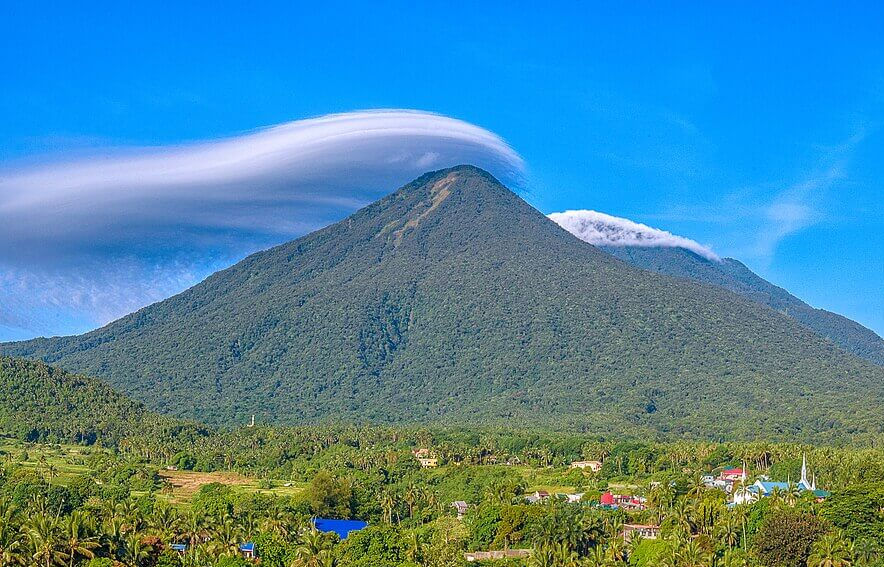
There are mountains known for their height, and there are mountains remembered for something deeper. Mount Banahaw belongs to the latter—a place where nature, spirituality, and tradition have long existed side by side. Rising above the provinces of Quezon and Laguna, this dormant volcano is widely regarded as one of the most spiritually significant mountains in the Philippines.
For generations, Mount Banahaw has attracted pilgrims, religious groups, hikers, and seekers drawn to its forests, caves, springs, and quiet atmosphere. Many believe the mountain possesses sacred energy, transforming it into more than just a natural landmark. It is often viewed as a place of reflection, healing, and connection between the physical and spiritual worlds.
This guide explores the many sides of Mount Banahaw—from its volcanic landscapes and rich biodiversity to its pilgrimage culture, hiking experiences, conservation efforts, and enduring mysticism. More than a destination, Mount Banahaw represents a rare intersection of nature and belief, where the wilderness of Luzon continues to inspire reverence and curiosity.
Table of Contents - Mount Banahaw
Where Is Mount Banahaw?
Located between Quezon and Laguna
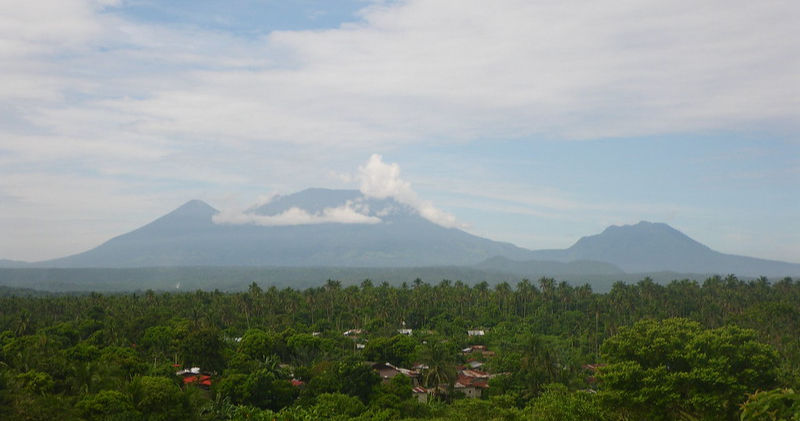
Mount Banahaw rises along the provincial boundary of Quezon and Laguna in Southern Luzon, making it one of the most prominent mountains visible from the surrounding region.
Part of Southern Luzon’s volcanic landscape
The mountain forms part of the Banahaw volcanic complex, a group of peaks shaped by ancient volcanic activity. Despite being classified as a dormant volcano, Banahaw continues to dominate the geography and cultural identity of nearby communities.
Elevation of approximately 2,170 meters
Standing at around 2,170 meters (7,120 feet) above sea level, Mount Banahaw is among the highest mountains in Southern Luzon and supports a cool, forested environment rich in biodiversity.
Nearby towns and gateway communities
Several towns serve as traditional access points to the mountain, including:
Lucban
Dolores
Majayjay
These communities are closely connected to the mountain’s pilgrimage culture and hiking traditions.
Nearby volcanic peaks
Mount Banahaw is also linked to neighboring peaks such as Mount San Cristobal and Mount Banahaw de Lucban, together forming one of Luzon’s most significant volcanic landscapes.
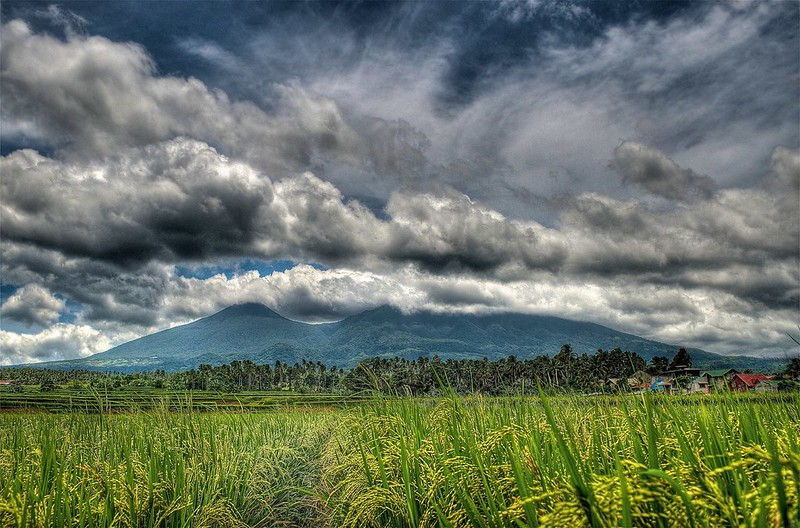
The Spiritual Significance of Mount Banahaw
Mount Banahaw is often referred to as the “Holy Mountain” of the Philippines, a reputation built through centuries of pilgrimage, religious devotion, and local belief. Unlike many mountains known primarily for trekking, Banahaw is deeply connected to spirituality and mysticism, attracting pilgrims, faith healers, hermits, and spiritual communities from across the country.
For many Filipinos, the mountain is believed to possess sacred energy and spiritual power. Throughout the year—especially during Holy Week—devotees travel to Banahaw seeking reflection, healing, prayer, and personal renewal. The mountain’s forests and hidden sites have become places of worship where Christianity blends with older folk traditions and mystical beliefs.
Sacred Sites Around Mount Banahaw
Sacred springs
Natural springs found along the mountain are believed by some pilgrims to contain healing properties, symbolizing purification and spiritual cleansing.
Prayer caves
Hidden caves throughout Banahaw serve as meditation and prayer spaces, often marked with religious symbols, candles, and handwritten messages left by devotees.
Meditation areas
Quiet Forest clearings and mountain trails are used by spiritual groups for contemplation, fasting, and retreat from everyday life.
Religious shrines
Small altars, crosses, and shrines can be found across the mountain, reflecting the strong influence of Catholicism intertwined with indigenous and folk spiritual traditions.
Mount Banahaw’s spiritual identity represents a unique blend of Christianity, local mysticism, and nature-based belief systems. Stories of visions, miracles, and supernatural encounters have long surrounded the mountain, adding to its mysterious atmosphere. Whether viewed through faith, culture, or tradition,
Banahaw remains one of the most spiritually significant natural landmarks in the Philippines.
The Natural Beauty of Mount Banahaw
Mount Banahaw is more than a sacred mountain—it is one of Southern Luzon’s most ecologically important natural landscapes. Its volcanic slopes support diverse ecosystems that range from dense tropical rainforest to cool mossy forests near the summit.
Lush rainforests
Lower elevations are covered in thick rainforest filled with towering trees, vines, ferns, and native vegetation. These forests provide habitat for numerous species while creating the mountain’s rich, green landscape.
Cool mossy forests
Higher elevations transition into mist-covered mossy forests, where trees are draped in moss and orchids thrive in the cool mountain climate. These areas give Banahaw its mysterious atmosphere and support unique highland ecosystems.
Waterfalls and rivers
Springs, rivers, and waterfalls flow throughout the mountain, supplying freshwater to nearby communities. Many of these waterways are also considered spiritually significant by local pilgrims and visitors.
Rich biodiversity
Mount Banahaw is home to endemic plants, native birds, and wildlife found only in the Philippines. Its forests serve as an important refuge for species that depend on undisturbed mountain habitats.
Ecological importance
The mountain functions as a critical watershed for surrounding provinces, helping regulate water systems, preserve soil stability, and maintain environmental balance across the region.
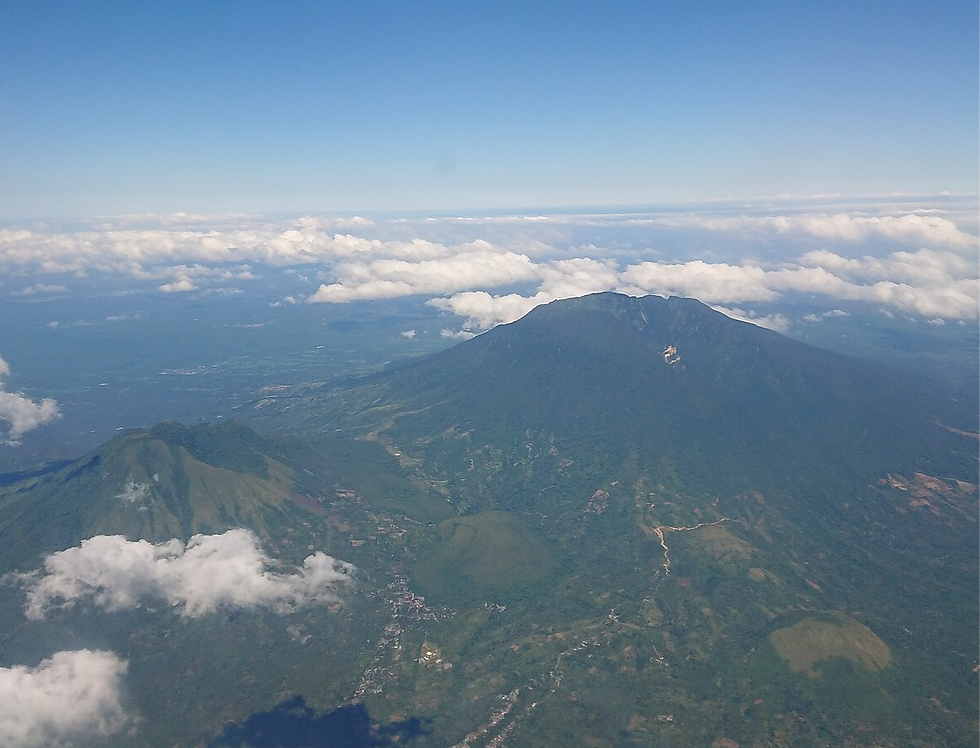
Hiking Mount Banahaw
Hiking Mount Banahaw offers more than a physical challenge—it is an experience shaped by nature, silence, and spirituality. The mountain’s trails pass through dense forests, sacred sites, and cool highland environments that create a distinctly different atmosphere from many other hiking destinations in the Philippines.
Popular forest trails
Traditional access routes begin from towns such as Dolores and Lucban, leading hikers through thick rainforest and mossy terrain. Trails vary in condition depending on conservation regulations and seasonal weather.
Moderate to challenging difficulty
Mount Banahaw hikes can be physically demanding due to steep ascents, muddy paths, humidity, and long trekking hours. Preparation and proper gear are important, especially during the rainy season.
River crossings and natural scenery
Trekkers often encounter rivers, springs, waterfalls, and dense vegetation along the route. These natural features add both beauty and difficulty to the climb.
Scenic viewpoints and summit atmosphere
Higher elevations provide views of Southern Luzon’s surrounding landscapes, while the summit area is often covered in cool mist and cloud forests, creating a calm and almost mystical environment.
Spiritual ambiance during hikes
Prayer sites, shrines, and meditation areas are found throughout the mountain, reminding visitors that Banahaw is considered sacred by many pilgrims and spiritual groups.
Visitors should note that permits and local coordination may be required, and some areas may be temporarily restricted for environmental rehabilitation and conservation efforts.
Mount Banahaw and Conservation Efforts
As one of the most visited sacred mountains in the Philippines, Mount Banahaw has faced significant environmental pressure over the years. Increasing tourism, pilgrimage activities, and unmanaged waste once contributed to trail erosion, forest damage, and pollution in sensitive ecological areas. In response, portions of the mountain were temporarily closed to allow ecosystems to recover and rehabilitation programs to take effect.
Today, conservation efforts focus on balancing tourism, spirituality, and environmental protection through more sustainable management practices.
Key Conservation Initiatives
Reforestation programs
Local organizations and environmental groups continue tree-planting efforts to restore damaged forest areas and strengthen biodiversity within the mountain ecosystem.
Trail restoration
Hiking routes affected by overuse are monitored and rehabilitated to reduce erosion and minimize long-term environmental impact.
Waste management efforts
Authorities encourage stricter waste disposal policies and “leave no trace” practices to reduce pollution on trails, campsites, and sacred areas.
Protection of sacred sites
Religious caves, springs, shrines, and meditation areas are being preserved to maintain the mountain’s cultural and spiritual significance.
Sustainable tourism initiatives now emphasize responsible travel, regulated access, and environmental awareness. These efforts aim to protect Mount Banahaw’s forests, waterways, and sacred spaces while allowing future generations to continue experiencing its natural and spiritual importance.

Best Time to Visit Mount Banahaw
Dry season (November to May)
The ideal time to explore Mount Banahaw is during the dry season, when trails are more stable and weather conditions are generally clearer. This period offers safer trekking conditions and better visibility across the mountain’s forested landscapes.
Cooler hiking conditions
Due to its elevation of over 2,000 meters, Mount Banahaw enjoys a cooler mountain climate compared to nearby lowland areas. Early morning hikes are especially comfortable, with mist-covered trails and refreshing temperatures adding to the experience.
Avoiding heavy rain and typhoon season
Travelers are encouraged to avoid the rainy months from June to October, when heavy rainfall can create slippery trails, swollen rivers, and limited visibility. Typhoon season may also lead to temporary trail closures and travel disruptions in Southern Luzon.
Holy Week pilgrimage season
Holy Week is one of the most culturally significant periods on Mount Banahaw. Thousands of pilgrims and spiritual groups visit the mountain for prayer, reflection, and religious rituals. Visitors during this time can experience the mountain’s spiritual atmosphere, though trails and sacred areas may be more crowded than usual.
Before visiting, it is recommended to check local tourism advisories and conservation regulations, as access restrictions may vary depending on environmental conditions.
Travel Guide: How to Get to Mount Banahaw
Access from Manila
Mount Banahaw is located approximately 3–5 hours from Metro Manila, depending on traffic and your chosen access point. The mountain is commonly reached through the provinces of Quezon and Laguna in Southern Luzon.
Bus routes to Lucban and Dolores
Public buses from Manila regularly travel to gateway towns such as Lucban and Dolores. From these towns, local jeepneys, tricycles, or hired transport can bring visitors closer to trailheads and pilgrimage areas.
Private vehicle options
Travelers driving from Manila can take the South Luzon Expressway (SLEX) toward Laguna and Quezon. Private vehicles provide greater flexibility, especially for visitors planning to explore nearby waterfalls, forests, and cultural sites around the mountain region.
Local guides and tourism offices
Due to conservation policies and varying trail access, visitors are encouraged to coordinate with local tourism offices or accredited guides before hiking. Some routes may require permits, registration, or local assistance depending on current environmental regulations and weather conditions.
Planning ahead is important, as access restrictions and trail conditions may change throughout the year due to conservation and rehabilitation efforts.
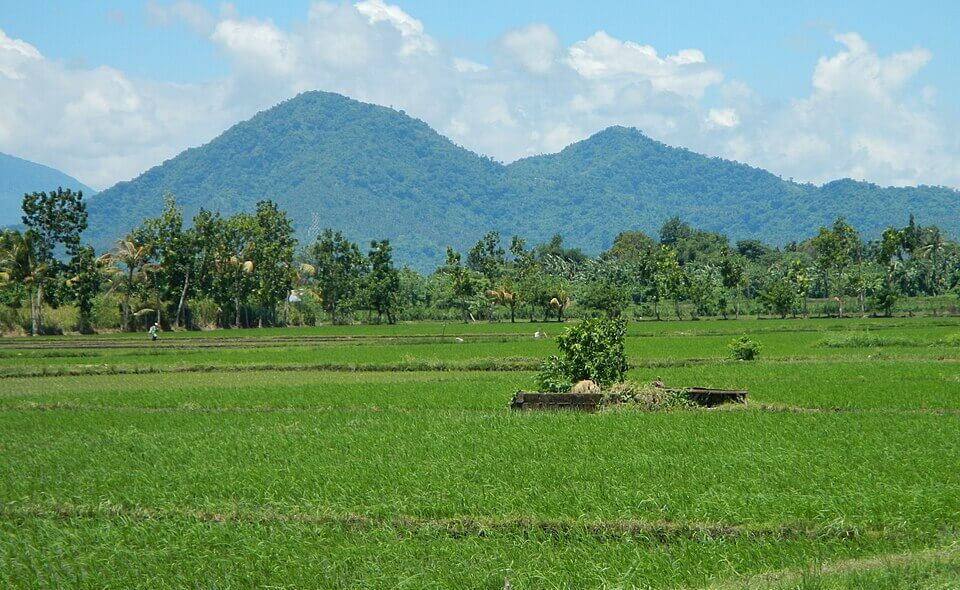
Travel Tips & Responsible Tourism
Visiting Mount Banahaw requires more than physical preparation—it also calls for cultural awareness and environmental responsibility. As both a sacred mountain and protected natural area, Banahaw should be approached with respect and care.
Respect sacred areas
Many parts of the mountain are considered spiritually significant by pilgrims and local communities. Visitors should avoid disruptive behavior, respect prayer sites and shrines, and maintain a quiet, respectful atmosphere when exploring sacred spaces.
Follow local regulations
Access restrictions and conservation policies may change depending on environmental conditions. Always coordinate with local tourism offices and follow trail guidelines, permit requirements, and protected area regulations.
Avoid littering
Carry all waste out of the mountain and minimize the use of single-use plastics. Preserving Banahaw’s forests, rivers, and sacred sites depends heavily on responsible visitor behavior.
Hire local guides
Local guides not only improve safety and navigation but also provide cultural and historical insight into the mountain’s spiritual traditions and ecological importance.
Prepare proper hiking gear
Wear durable hiking shoes and bring rain protection, water, food, and basic emergency supplies. Trails can become slippery and humid, especially after rainfall.
Responsible tourism on Mount Banahaw helps preserve both its fragile ecosystem and its spiritual heritage, ensuring future generations can continue to experience its unique connection between nature and belief.
Why Mount Banahaw Is Different from Other Mountains in the Philippines
Mount Banahaw stands apart from many mountains in the country because it offers more than adventure and scenic landscapes. Its identity is deeply connected to spirituality, mysticism, and cultural tradition, making it one of the most unique mountains in the Philippines.
A strong spiritual identity
Banahaw is widely regarded as a sacred mountain, attracting pilgrims, spiritual groups, and devotees seeking reflection, healing, and prayer.
Deep-rooted pilgrimage culture
During Holy Week and other religious occasions, thousands of visitors travel to the mountain to visit sacred caves, springs, shrines, and meditation areas.
A long-standing mystical reputation
Stories of miracles, visions, and unexplained spiritual encounters have surrounded the mountain for generations, contributing to its mysterious atmosphere.
A rare connection between nature and belief
Forest trails, waterfalls, rivers, and sacred spaces exist side by side, creating an environment where spirituality and the natural world are closely intertwined.
More than a hiking destination
While many mountains are visited primarily for trekking, Banahaw offers a deeper cultural and spiritual experience that goes beyond physical adventure.
Takeaway – A Mountain of Nature and Spirit
Mount Banahaw is more than a dormant volcano rising above Southern Luzon—it is a landscape where spirituality, ecology, and culture continue to coexist in remarkable harmony. From sacred caves and pilgrimage traditions to rainforest trails and moss-covered forests, Banahaw offers an experience unlike any other mountain in the Philippines.
Its spiritual significance has drawn generations of pilgrims, seekers, and travelers who view the mountain as a place of reflection and healing. At the same time, its forests, rivers, and biodiversity highlight the ecological importance of preserving one of Luzon’s most valuable natural environments.
Mount Banahaw also reflects a deeply rooted cultural identity, where Christianity, folk spirituality, and local tradition blend together in ways unique to the Philippines. As tourism continues to grow, responsible travel and conservation efforts remain essential to protecting both its sacred spaces and fragile ecosystems.
“Mount Banahaw is not simply a mountain—it is a place where faith, nature, and tradition continue to shape one another.”
Frequently Asked Questions
Why is Mount Banahaw sacred?
Mount Banahaw is considered sacred because many Filipinos believe it possesses spiritual energy and healing properties. For generations, pilgrims, faith healers, and spiritual groups have visited the mountain for prayer, meditation, and reflection. Sacred springs, caves, and shrines throughout the mountain contribute to its reputation as one of the most spiritually significant places in the Philippines.
Can tourists hike Mount Banahaw?
Yes, tourists can visit and hike certain areas of Mount Banahaw, although access may vary depending on conservation regulations and environmental conditions. Some trails require permits or local guides, and restrictions may be implemented during rehabilitation efforts or severe weather conditions.
Is Mount Banahaw an active volcano?
Mount Banahaw is classified as a dormant volcano. While it is part of the Banahaw volcanic complex in Southern Luzon, it has no recent history of major eruptions compared to active volcanoes elsewhere in the Philippines.
What is the height of Mount Banahaw?
Mount Banahaw stands at approximately 2,170 meters (7,120 feet) above sea level, making it one of the tallest mountains in Southern Luzon.
What should I bring when visiting?
Visitors should prepare proper hiking gear, including durable shoes, rain protection, water, snacks, and extra clothing. Because of the mountain’s spiritual significance, respectful behavior is also important. Travelers are encouraged to avoid littering, follow local regulations, and respect sacred areas encountered along the trails.



Mount Banahaw sounds like a remarkable destination where natural beauty, cultural traditions, and spirituality come together. I especially enjoyed the sections about its sacred caves, rich biodiversity, and the importance of responsible tourism. Respecting local beliefs while protecting the mountain’s fragile ecosystem is essential. This guide offers a thoughtful introduction to one of the Philippines’ most fascinating natural landmarks. Exploring local travel and service resources can also help travelers plan their everyday needs.
Mount Banahaw represents a perfect blend of spirituality and nature, looking forward to exploring more of its beauty and significance...
❣️❣️❣️