
Quezon Province Travel Guide – Culture, Coastlines, and the Coconut Heartland of Southern Luzon

A Province of Culture and Coastlines

Set along the eastern edge of Luzon Island, Quezon Province is a destination where culture, coastline, and countryside come together in a way few places in the Philippines can match. Often passed through on the way to the Bicol Region, Quezon quietly reveals itself to those who take the time to explore—offering a deeper, more grounded travel experience rooted in tradition, community, and landscape.
Unlike more commercialized destinations, Quezon stands out for its authenticity. This is a province where vibrant festivals transform entire towns, where centuries-old churches anchor heritage communities, and where everyday life is shaped by one of the country’s most important agricultural industries—the coconut. Known as the coconut capital of the Philippines, Quezon’s vast plantations not only fuel its economy but also define its cuisine, culture, and way of life.
What truly sets Quezon apart is its diversity. Inland, you’ll find historic towns rich in Spanish-era architecture and local traditions. To the east, the province opens up to the Pacific Ocean, where rugged coastlines, quiet beaches, and scenic drives offer a refreshing contrast to the urban pace of nearby cities. Add to this the colorful energy of its festivals—most notably the iconic Pahiyas Festival—and you have a destination that feels both vibrant and deeply rooted.
For travelers seeking more than just scenery, this Quezon Province travel guide invites you to discover a place where every road leads to culture, every town tells a story, and every experience reflects the enduring spirit of Southern Luzon.
Table of Contents - Quezon Province Travel Guide
Where Is Quezon Province Located?
Understanding Quezon Province begins with its geography—a province shaped by its strategic location, natural diversity, and role as a key connector in Southern Luzon.
Strategic Location on Luzon Island
Quezon Province is situated in the southeastern part of Luzon Island, forming part of the CALABARZON region. Its position places it between the country’s political and economic center and the culturally rich Bicol Region, making it both accessible and essential within the larger Philippine landscape.
Close to Manila, Yet Distinctly Different
Located just a few hours from Manila, Quezon is a popular route for road travelers heading south. However, once inside the province, the environment shifts quickly—from urban congestion to open countryside—offering a slower, more grounded travel experience that feels far removed from the capital.
Gateway to the Bicol Region
Quezon serves as a major transit corridor to Bicol, with key highways connecting travelers to provinces further south. Because of this, it plays a dual role: not only as a destination in its own right, but also as a gateway province that links multiple regions, cultures, and landscapes across Luzon.
A Landscape of Contrasts: Coast, Mountains, and Farmland
What makes Quezon’s location truly unique is its varied terrain:
Coastal zones along the Pacific Ocean offer rugged beaches, surf spots, and scenic drives
Mountainous interiors feature forested highlands, including the sacred Mount Banahaw
Agricultural plains are dominated by coconut plantations, reinforcing the province’s identity as the coconut capital of the Philippines
Together, these elements define the Quezon location in the Philippines—a province where geography shapes culture, travel, and everyday life, offering a diverse landscape that unfolds with every kilometer.

Brief History of Quezon Province
The history of Quezon Province is a story shaped by early communities, colonial transformation, and a strong agricultural identity that continues to define the province today.
Early Settlements and Indigenous Roots
Long before colonial rule, the area that is now Quezon Province was home to early Austronesian communities who settled along rivers and coastal zones. These early inhabitants relied on fishing, farming, and trade, forming small but self-sustaining communities. The province’s proximity to waterways allowed for cultural exchange with neighboring regions, laying the groundwork for a diverse and interconnected society.
Spanish Colonial Era and Church-Centered Towns
During Spanish colonization, Quezon—then known as Tayabas—was organized into towns built around churches and plazas. Missionaries played a key role in shaping settlement patterns, leading to the construction of enduring landmarks such as the Basilica of Saint Michael the Archangel in Tayabas, one of the largest and most historically significant churches in the country.
These church-centered towns became hubs of religion, governance, and daily life—structures that still influence the province’s layout and cultural rhythm today.
From Tayabas to Quezon: A New Identity
Originally called Tayabas Province, the region was renamed in honor of Manuel L. Quezon, the second President of the Philippines and a key figure in the country’s path to independence. This renaming marked a shift toward national identity, linking the province to one of the most influential leaders in Philippine history.
Growth into an Agricultural and Cultural Hub
Over time, Quezon evolved into one of the Philippines’ most important agricultural provinces, particularly known for its vast coconut plantations. This agricultural foundation shaped not only the local economy but also the province’s cuisine, traditions, and way of life. At the same time, Quezon preserved its cultural heritage through festivals, religious practices, and community traditions—blending history with everyday life in a way that remains visible across its towns today.
These historical layers reveal a province that has grown from humble settlements into a culturally rich and agriculturally vital region, deeply rooted in both tradition and national identity.
The Coconut Capital of the Philippines
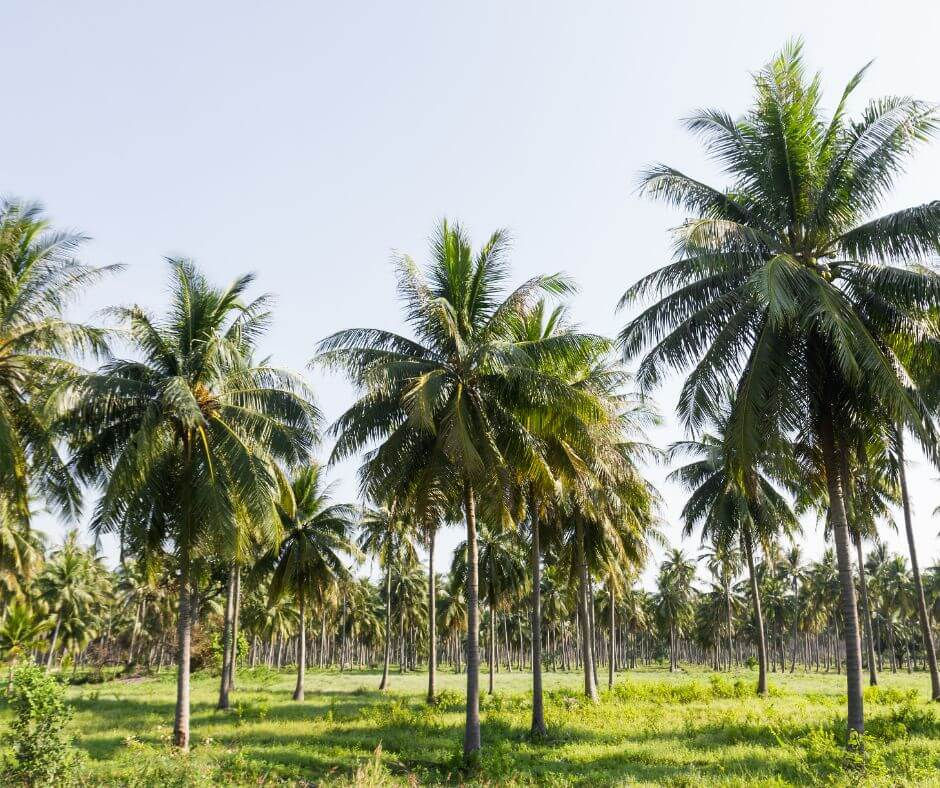
Widely recognized as the coconut capital of the Philippines, Quezon Province is defined by its vast agricultural landscape and deep-rooted connection to the coconut industry. Across the province, endless rows of coconut trees shape not only the scenery but also the economy, cuisine, and daily life of its people.
1. Vast Coconut Plantations Across the Landscape
Travel through Quezon, and one of the first things you’ll notice is the sheer scale of its coconut plantations. Stretching across plains and gently rolling hills, these farms dominate the countryside, creating a signature landscape unique to the province.This abundance of coconut trees has positioned Quezon as a leading producer in the country, supplying both domestic and international markets.
2. Key Products: From Copra to Culinary Staples
The coconut industry in Quezon is diverse and highly productive, with every part of the coconut utilized. Major products include:
Copra – dried coconut meat used for oil extraction
Coconut oil – a key export and essential household ingredient
Local delicacies – including coconut-based desserts, kakanin, and regional dishes
Lambanog - high-proof liquor nickname “coconut vodka".
3. Economic Backbone and Rural Livelihood
For many communities in Quezon, coconut farming is more than an industry—it is a way of life. Thousands of families depend on coconut cultivation for income, making it one of the province’s most important economic drivers.From smallholder farmers to large-scale producers, the coconut sector sustains rural livelihoods and supports local economies across multiple municipalities.
4. A Cultural Connection to Farming and Daily Life
Beyond economics, the coconut is deeply woven into Quezon’s cultural identity. It appears in everyday cooking, traditional practices, and community life. Meals are often prepared using coconut milk, while local traditions reflect a strong connection to the land and harvest cycles.
This relationship between farming and culture reinforces Quezon’s identity as a province where agriculture, heritage, and daily living are closely intertwined.

Top Destinations in Quezon Province
From vibrant cultural towns to quiet coastal escapes, Quezon Province offers a diverse range of destinations that showcase its heritage, natural beauty, and local way of life. Here are some of the top tourist spots in Quezon Province worth exploring:
Lucban – Cultural Center and Festival Hub
Nestled at the foot of Mount Banahaw, Lucban is best known for its vibrant traditions and festive spirit. It comes alive every May during the Pahiyas Festival, where homes are decorated with colorful kiping and agricultural displays. Beyond festivals, Lucban is also famous for its local delicacies, including pancit habhab and longganisang Lucban.
Tayabas – A Heritage Town of Spanish-Era Grandeur
Tayabas offers a glimpse into the province’s colonial past, with well-preserved architecture and historic landmarks. Its crown jewel, the Basilica of Saint Michael the Archangel, is one of the largest churches in the Philippines.
Equally significant is the historic Malagonlong Bridge, a Spanish-era stone bridge considered one of the oldest and longest of its kind in the country. Built using adobe blocks, it stands as a testament to colonial engineering and continues to connect both sides of the town to this day.
Walking through Tayabas feels like stepping back in time, where tradition, architecture, and history remain part of everyday life.
Real – Pacific Coast Beaches and Surf Spots
Facing the vast Pacific Ocean, Real is Quezon’s go-to destination for beach lovers and surfers. Its rugged coastline features gray-sand beaches, rolling waves, and scenic mountain-to-sea views. Less commercialized than other beach destinations, Real offers a more relaxed and authentic coastal experience.
Pagbilao – Mangroves and Coastal Charm
Pagbilao is known for its rich natural ecosystems, particularly its expansive mangrove forests. Boardwalks wind through these protected areas, offering visitors a chance to explore coastal biodiversity up close. The town also features quiet beaches and traditional fishing communities, adding to its laid-back charm.
Mauban – Gateway to Island Escapes and Traditions
Mauban serves as a jumping-off point to nearby island destinations and coastal adventures. It is also deeply rooted in local traditions, hosting lively festivals and preserving a strong sense of community. Its port town atmosphere, combined with access to natural attractions, makes it a unique stop within Quezon Province.
Together, these destinations highlight the diversity of Quezon—where every town offers a different story, from cultural celebrations and heritage sites to coastal landscapes and ecological wonders.
Festivals and Cultural Traditions
Festivals in Quezon Province are more than annual events—they are living expressions of faith, gratitude, and community identity. Rooted in agriculture and religious devotion, these celebrations transform towns into vibrant displays of color, creativity, and tradition.
Pahiyas Festival – A Harvest Celebration Like No Other
Held every May in Lucban, the Pahiyas Festival is one of the most iconic festivals in the Philippines. Celebrated in honor of San Isidro Labrador, the patron saint of farmers, it is a thanksgiving for a bountiful harvest. Homes are adorned with colorful kiping—leaf-shaped rice wafers—alongside fruits, vegetables, and handcrafted decorations. Streets become open galleries of creativity, showcasing the ingenuity and pride of local communities.
Religious Devotion and Patron Saint Traditions
Across Quezon Province, nearly every town celebrates its own fiesta dedicated to a patron saint. These events are deeply rooted in Catholic tradition, reflecting centuries of Spanish influence. Processions, masses, and rituals form the heart of these celebrations, where faith is expressed not only through ceremony but also through communal participation. These traditions continue to play a central role in shaping the province’s cultural identity.
Community-Based Celebrations and Artistic Expression
Beyond religious meaning, festivals in Quezon highlight the strength of community and local artistry. Residents work together to decorate homes, prepare food, and organize events—turning entire towns into shared spaces of celebration.
From intricate decorations to street performances, these festivals serve as platforms for creativity, storytelling, and cultural pride, ensuring that traditions are passed down through generations.

Natural Attractions and Outdoor Adventures
Beyond its cultural heritage, Quezon Province is a haven for nature lovers and outdoor explorers. From sacred mountains to coastal escapes, the province offers a diverse range of landscapes perfect for adventure and relaxation.
Mount Banahaw – A Sacred Mountain and Hiking Destination
Rising prominently on the border of Quezon and Laguna, Mount Banahaw is one of the most spiritually significant mountains in the Philippines. Revered by pilgrims, it is believed to be a sacred site with mystical qualities.
For hikers, Banahaw offers lush forest trails, cool mountain air, and panoramic views—making it both a physical and spiritual journey into nature.
Alitap Falls – Refreshing Forest Escape
Hidden within the greenery of Real, Alitap Falls is a serene destination perfect for a day trip. Surrounded by dense forest, its cascading waters provide a refreshing break from the tropical heat.It’s an ideal stop for travelers looking to combine light trekking with a peaceful natural setting.
Pacific Coast Beaches – Real and Infanta
Facing the vast Pacific Ocean, the coastal towns of Real and Infanta offer a different kind of beach experience—raw, scenic, and uncrowded.
These areas are known for:
Surf-friendly waves
Beach camping and quiet seaside retreats
Scenic drives where mountains meet the sea
Unlike more developed beach destinations, the Pacific coast of Quezon retains a rugged charm that appeals to off-the-beaten-path travelers.
Mangrove Forests and Eco-Tourism Sites
Quezon is home to rich coastal ecosystems, particularly in areas like Pagbilao, where mangrove forests thrive. Elevated boardwalks allow visitors to explore these environments while learning about their ecological importance. These mangroves serve as vital habitats for marine life and act as natural barriers against coastal erosion, making them key conservation areas in the province.
The natural attractions highlight the diversity of Quezon Province—where mountains, forests, and coastlines create endless opportunities for outdoor adventure and meaningful connection with nature.
Food and Culinary Heritage of Quezon
The flavors of Quezon Province are deeply rooted in its land, traditions, and agricultural abundance. Known for its bold flavors and coconut-rich cuisine, Quezon offers a culinary experience that reflects both heritage and everyday life. From iconic street food to home-cooked specialties, the province’s dishes tell stories of culture, community, and local pride.
Pancit Habhab – The Iconic Street Noodle of Lucban
One of the most recognizable Lucban delicacies, pancit habhab is a simple yet flavorful noodle dish traditionally served on a banana leaf and eaten without utensils. Locals typically lift the leaf and eat directly—“habhab” style—making it as much an experience as it is a meal. Its savory flavor and unique presentation have made it a must-try for visitors exploring Quezon.
Longganisang Lucban – Bold, Garlicky, and Unforgettable
Famous for its strong garlic flavor and slightly tangy taste, Longganisang Lucban stands out among Filipino sausages. Unlike sweeter varieties, this version is more savory and robust, often enjoyed with garlic rice and eggs.It reflects the province’s preference for bold, uncomplicated flavors rooted in tradition.
Coconut-Based Dishes and Traditional Desserts
As the coconut capital of the Philippines, Quezon naturally incorporates coconut into much of its cuisine. From creamy stews to sweet delicacies, coconut milk (gata) is a staple ingredient. Popular dishes and desserts include:
Coconut-based kakanin (rice cakes)
Sweet treats made with coconut milk and sugar
Savory dishes enriched with rich, creamy textures
Food as a Reflection of Agriculture and Culture
In Quezon, food is not just about taste—it is a reflection of the province’s agricultural roots and cultural traditions. Meals are often prepared using locally sourced ingredients, emphasizing freshness and sustainability.
Whether enjoyed during festivals, family gatherings, or everyday meals, Quezon’s cuisine connects people to the land and to each other—preserving flavors and traditions that have been passed down through generations.

Road Trips and Getting Around Quezon
Exploring Quezon Province is best experienced on the road. With its diverse landscapes and well-connected routes, a Quezon Province road trip offers a journey through mountains, farmland, and coastline—each turn revealing a different side of Southern Luzon.
1. Scenic Drives from Manila to Quezon
Getting to Quezon is straightforward, with travel times typically ranging from 2 to 5 hours depending on your destination within the province. As you leave the urban sprawl of Manila, the scenery gradually shifts to rice fields, coconut plantations, and rural towns—making the journey itself part of the experience. Road trips to Quezon are especially popular for weekend getaways and longer Southern Luzon itineraries.
2. Key Routes: Mountain Roads and Coastal Highways
Quezon’s road network offers a mix of landscapes and driving experiences:
Laguna–Quezon mountain roads provide winding routes through forested highlands, with cooler temperatures and scenic viewpoints
Coastal highways along towns like Real and Infanta deliver dramatic views of the Pacific Ocean, where mountains meet the sea
These routes not only connect destinations but also highlight the province’s natural diversity.
3. Public Transportation and Accessibility
For travelers without a private vehicle, Quezon remains accessible through various transport options:
Provincial buses departing from Metro Manila terminals
Jeepneys and vans connecting towns within the province
Tricycles for short distances in local communities
While public transport is widely available, travel times can be longer, making private vehicles or organized tours ideal for those wanting flexibility and efficiency.
Whether you’re planning a quick escape or an extended journey, getting around Quezon is part of the adventure—where the road itself becomes a gateway to culture, scenery, and discovery.
Travel Tips for Visiting Quezon Province
Traveling through Quezon Province offers a rewarding mix of culture, nature, and local life—but a little preparation goes a long way. These practical tips will help you make the most of your journey while respecting the province’s traditions and pace.
1. Plan Around Festivals for Cultural Immersion
If you want to experience Quezon at its most vibrant, time your visit around local festivals—especially the iconic Pahiyas Festival in May. Festivals bring entire towns to life with colorful decorations, local food, and community celebrations, offering a deeper connection to the province’s culture.
2. Prepare for Long Travel Times Between Towns
Quezon is a large province, and destinations can be spread out. Travel between towns may take longer than expected due to winding roads, traffic, or rural routes. Plan your itinerary with realistic travel times, and avoid packing too many stops into a single day to keep your trip relaxed and enjoyable.
3. Bring Cash for Rural Areas
While cities and larger towns may have ATMs and digital payment options, many smaller communities and local establishments operate on a cash-only basis. Carrying enough cash ensures smooth transactions when visiting markets, eateries, and remote attractions.
4. Respect Local Traditions and Religious Practices
Quezon’s culture is deeply rooted in faith and tradition. When visiting churches, attending festivals, or exploring local communities, dress modestly and observe proper etiquette. Being respectful of local customs not only enhances your experience but also fosters meaningful interactions with residents.
With thoughtful planning and cultural awareness, your visit to Quezon Province becomes more than just a trip—it becomes an authentic and enriching journey through one of Southern Luzon’s most culturally grounded destinations.
Why Visit Quezon Province
For travelers searching beyond the usual destinations, Quezon Province offers something increasingly rare—an experience rooted in authenticity, tradition, and everyday Filipino life. If you’re wondering why visit Quezon Philippines, the answer lies not in luxury or spectacle, but in depth, culture, and connection.
An Authentic Cultural Experience Beyond Commercial Tourism
Unlike more developed tourist hubs, Quezon remains largely untouched by mass tourism. Here, festivals are not staged for visitors—they are lived by the community. Traditions are not preserved behind glass—they are part of daily life. This authenticity allows travelers to experience the Philippines in its most genuine form, where interactions feel natural and culture is deeply felt rather than simply observed.
A Unique Blend of Heritage, Agriculture, and Nature
Quezon brings together multiple layers of the Filipino experience in one province. Historic towns like Tayabas reflect centuries-old heritage, while vast coconut plantations highlight its agricultural backbone.
At the same time, coastal towns such as Real offer access to raw, scenic shorelines along the Pacific. This combination creates a destination where culture, land, and sea are closely interconnected.
Ideal for Slow Travel and Cultural Exploration
Quezon is best experienced at a slower pace. It invites travelers to linger—to walk through town plazas, share meals with locals, and take scenic drives through countryside and coastline. Rather than rushing from one attraction to another, visitors are encouraged to immerse themselves in the rhythm of the province, making it perfect for those seeking meaningful and reflective travel experiences.
Takeaway – A Journey Through Culture and Countryside
From vibrant festivals and heritage towns to coconut-lined landscapes and Pacific coastlines, Quezon Province reveals a side of the Philippines that is both deeply cultural and naturally diverse. It is a place where history is preserved in everyday life, where agriculture shapes identity, and where communities celebrate traditions with pride and authenticity.
What sets Quezon apart is not just what you see—but what you experience. Whether you’re walking through decorated streets during the Pahiyas Festival, exploring centuries-old churches, or driving along quiet coastal roads, every moment reflects a strong connection between people, land, and heritage.
For those seeking a more meaningful journey, this Quezon Province travel guide Philippines highlights a destination that invites you to slow down, engage with local culture, and discover the richness of Southern Luzon beyond the usual tourist paths.
Continue your journey. Explore more Province and Cities guides on KGM Resorts and uncover the diverse stories, destinations, and experiences that make the Philippines truly unforgettable.

Frequently Asked Questions
What is Quezon Province known for?
Quezon Province is best known as the coconut capital of the Philippines, with vast plantations that drive its economy and shape its cuisine. It is also famous for its vibrant cultural traditions, particularly the Pahiyas Festival, as well as its heritage towns, historic churches, and Pacific-facing coastlines. Together, these elements define Quezon as a province rich in culture, agriculture, and natural beauty.
Is Quezon Province worth visiting?
Yes—Quezon Province is ideal for travelers seeking an authentic and less commercialized experience in the Philippines. It offers a unique mix of cultural festivals, scenic countryside, coastal landscapes, and traditional Filipino life. While it may not have the luxury infrastructure of major tourist hubs, its charm lies in its authenticity, making it perfect for slow travel and cultural exploration.
How far is Quezon from Manila?
The distance between Manila and Quezon Province varies depending on the destination within the province. On average, travel time ranges from 2 to 5 hours by car. Towns closer to Laguna can be reached more quickly, while coastal areas such as Real or Infanta may take longer due to mountain roads and terrain.
What are the best tourist spots in Quezon Province?
Some of the top tourist spots include:
Lucban – Known for its festivals and local delicacies
Tayabas – A heritage town with historic architecture
Real – Pacific beaches and surf spots
Pagbilao – Mangrove forests and eco-tourism
Mauban – Coastal charm and island access
When is the Pahiyas Festival celebrated?
The Pahiyas Festival is celebrated every May 15 in Lucban, Quezon. It honors San Isidro Labrador, the patron saint of farmers, and serves as a thanksgiving for a bountiful harvest. During this time, homes are decorated with colorful kiping, fruits, and agricultural displays, creating one of the most visually striking festivals in the Philippines.



Pahiyas is the first colorful and decorated like umbrella. A new key and one festival. The human nature and services that is/are vailable in the world/province.
Exploring the vibrant in the world/city. It is an important factor for/into the city's landmarks like near by future/s. Is a figurehead.
What are you waiting for...explore Philippines and visit Quezon Province...
The history of Quezon Province is a story shaped by early communities, colonial transformation, and a strong agricultural identity that continues to define the province today.