
Tuba, Lambanog, and Tapuy

The Ancestral Drinks of the Philippines

Picture a glass raised under the shade of coconut trees in a coastal village, or shared among elders in the cool highlands of the Cordilleras. In the Philippines, ancestral drinks are more than just alcohol — they are vessels of history, culture, and identity. Every sip carries the essence of the land, the hands that crafted it, and the rituals that give it meaning.
From the freshly tapped tuba of the Visayas and Mindanao to the fiery lambanog of Quezon and the ceremonial tapuy of the Cordilleras, these traditional brews embody the diversity of Filipino life. They are poured at harvest celebrations, weddings, and fiestas, binding communities together through shared tradition. For farmers, fishermen, and villagers, these drinks are not luxuries but everyday expressions of connection — to the earth, to one another, and to their ancestors.
Exploring the Philippines through its ancestral drinks means tasting heritage preserved through generations. Each glass is not simply about refreshment or intoxication; it is about honoring rituals, telling stories, and experiencing a culture that continues to thrive through the flavors of its past.
Tuba – The Coconut Wine of the Islands
Tuba is one of the Philippines’ oldest and most beloved ancestral drinks, known for its humble origins and deep cultural roots. Here’s what makes it special:
From the Coconut Tree to the Glass
Harvested by mananguete (coconut tappers), fresh sap is collected from coconut flower stalks using bamboo containers. Within hours, the sap naturally ferments into a cloudy, lightly alcoholic drink.
A Distinct Look and Flavor
Fresh tuba is cloudy white, slightly sweet, and tangy, with a gentle fizz. Best consumed the same day, its flavor becomes more sour and potent the longer it ferments.
A Daily Companion in Rural Life
In Visayas and Mindanao, tuba is part of everyday living. Farmers drink it after long days in the fields, while fishermen enjoy it along the shore. It’s often paired with local pulutan (bar snacks) like grilled fish, squid, or peanuts.
The Heart of Fiestas and Gatherings
Tuba flows freely during fiestas, weddings, and community celebrations. More than a drink, it fosters camaraderie, laughter, and storytelling — turning simple meals into lively occasions.
A Symbol of Connection
Beyond refreshment, tuba reflects Filipino ties to nature and tradition. Every glass honors the coconut tree, the community that gathers around it, and the generations that keep the tradition alive.

Lambanog – The Fiery Spirit of Quezon
If tuba is the gentle sip of the countryside, lambanog is its bold, fiery evolution. Distilled to higher strength, it has become one of the Philippines’ most iconic ancestral liquors. Here’s what sets it apart:
From Tuba to Spirit
Lambanog is created by distilling fermented tuba, transforming the mild coconut wine into a clear, high-proof liquor that can reach 40–45% alcohol.
Pride of Quezon Province
Traditionally produced in Quezon, lambanog was once a household craft passed down through generations. Small-batch distillers perfected techniques that required both skill and patience.
The “Coconut Vodka” of the Philippines
Smooth yet potent, lambanog earned the nickname “coconut vodka.” For decades, it has been the drink of choice at rural gatherings, symbolizing warmth, hospitality, and camaraderie.
From Homemade to Commercial
What was once distilled in backyard stills is now bottled for wider audiences. Modern producers have introduced flavored varieties — from mango and coffee to bubblegum and cinnamon — broadening its appeal to younger drinkers and tourists.
A Spirit of Tradition and Innovation Whether served neat in a Quezon province home or flavored in a Manila bar, lambanog remains both a cultural treasure and a testament to Filipino creativity.
Tapuy – Cordillera’s Rice Wine
In the highlands of Northern Luzon, tapuy is celebrated as the ancestral rice wine of the Cordilleras. Rooted in agriculture and ritual, here’s what makes it special:
Made from Glutinous Rice and Bubod
Tapuy is crafted by fermenting glutinous rice with bubod, a natural starter yeast. The process produces a smooth, mildly sweet wine with a fragrant aroma and gentle alcohol content.
A Drink for Rituals and Celebrations
More than just refreshment, tapuy is poured during harvest festivals, weddings, and important ceremonies. It symbolizes abundance, gratitude, and community unity.
An Offering to Ancestors and Spirits
In Cordilleran traditions, tapuy is often presented in rituals to honor ancestors and deities. Each jar becomes a sacred link between the living and the spiritual world.
Still Alive in Banaue and Ifugao Villages
Many families in Banaue and Ifugao continue to brew tapuy using traditional methods, preserving practices passed down for centuries. Bottled versions are also available in Baguio and nearby towns, making it accessible to visitors.
A Taste of the Highlands
Every sip of tapuy carries the essence of the Cordilleras — its rice terraces, rituals, and enduring sense of community. It remains both a daily tradition and a living symbol of cultural identity.
Other Heritage Brews
Beyond tuba, lambanog, and tapuy, the Philippines is home to other traditional drinks that highlight the country’s diverse landscapes and cultures. Each one tells its own story of community and resilience:
Basi – The Sugarcane Wine of Ilocos
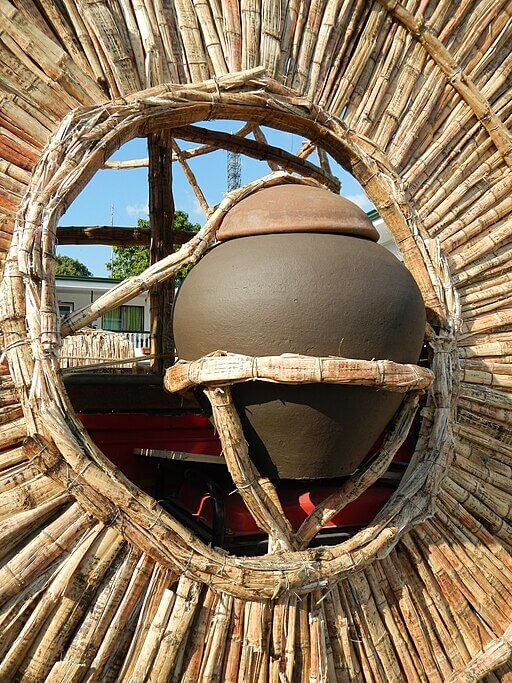
Made by fermenting boiled sugarcane juice in earthen jars, basi is a sweet yet tangy wine cherished in Ilocos. More than a drink, it once stood at the heart of the 1807 Basi Revolt, when Ilocano farmers rose against colonial restrictions on local winemaking. Today, basi is still produced using age-old methods, embodying both heritage and resistance.
Intus – Palm Wine of Mindanao
Lesser known outside local communities, Intus was a traditional pre‑colonial Filipino alcoholic drink from the Visayas and Mindanao regions. It was made by boiling sugarcane juice into a thick syrup, cooling it, then fermenting it with kabarawan tree bark. Among certain Lumad groups, the brew was flavored with langkawas or pal-la roots. The tradition, sadly, disappeared during the Spanish colonial era.
Pangasi – Rice Wine of the Visayans and Lumads
Pangasi (also called pangase or gasi) is a traditional Filipino rice wine from the Visayas and Mindanao. Crafted from rice—and occasionally millet or Job’s tears—it’s fermented using natural starters. Variations brewed by the Subanen of Mindanao may include cassava, rice hulls, and herbal mixtures like tapay. Historically, pangasi was important in rituals, especially those led by babaylan shamans, and featured in communal celebrations. Though its practice has waned, it endures in pockets of the Visayas and Mindanao, with local brewers preserving this ancestral craft during festivals and ceremonial occasions.
Together, these heritage brews showcase the Philippines’ ingenuity in transforming its natural bounty into drinks that nourish not just the body, but also memory, identity, and community.
Cultural Role and Symbolism
Ancestral drinks in the Philippines are deeply tied to tradition and meaning, serving purposes far beyond refreshment. Here’s how they continue to shape Filipino culture:
Offerings to Ancestors and Deities Drinks like tuba, tapuy, and pangasi are poured during rituals and ceremonies as symbols of gratitude. They act as offerings to spirits, deities, and ancestors, linking communities to the unseen world.
A Symbol of Hospitality and Unity Sharing a glass of tuba among farmers after a day’s work or passing around lambanog during fiestas reflects Filipino values of openness and camaraderie. These drinks bring people together, turning ordinary moments into meaningful gatherings.
Markers of Life’s Milestones From weddings and harvest celebrations to rites of passage, ancestral brews are ever-present. They mark transitions, blessings, and celebrations, reinforcing their role as cultural anchors.
Traditions Passed Down Orally Knowledge of how to tap coconut sap or ferment rice with bubod is rarely written down. Instead, these skills are passed through oral tradition, taught by elders, and preserved in rituals that strengthen community ties.
Living Emblems of Identity More than alcohol, these drinks embody survival, resilience, and shared heritage. Each sip is a reminder of the Philippines’ layered history and the enduring spirit of togetherness.

Where to Experience Ancestral Drinks Today
The ancestral drinks of the Philippines are best appreciated in the places where they have been brewed and shared for centuries. Whether in rural villages or modern cities, here are some of the best ways to experience them today:
Local Fiestas and Festivals
From town fiestas in the Visayas to harvest celebrations in Mindanao, ancestral drinks like tuba and pangasi are often served as part of the festivities. Visitors can enjoy them in their most authentic form — communal, unbottled, and poured with generosity.
Cordillera Villages – Tapuy
In Banaue and Ifugao, tapuy is still produced in households using traditional fermentation methods. Travelers who join cultural tours or visit during harvest rituals may be offered a glass, often accompanied by storytelling and ritual practices.
Quezon Province – Lambanog Distilleries
The heartland of lambanog, Quezon is home to distilleries that allow visitors to see how this fiery coconut spirit is crafted. Some even offer tastings of both traditional and modern flavored varieties, giving a deeper appreciation of its transformation from backyard brew to commercial product.
Ilocos Heritage Tours – Basi
In the Ilocos region, heritage tours often include a stop at basi producers, where travelers can sample this sugarcane wine and learn about its role in the famous Basi Revolt of 1807. Tasting basi here connects history and culture in every sip.
Specialty Restaurants and Cultural Museums – Manila
For those who cannot venture far, Manila offers curated experiences. Some specialty restaurants and cultural museums showcase ancestral drinks, giving urban travelers a chance to discover these flavors while learning about their heritage.
From rustic villages to modern exhibits, ancestral drinks remain a living tradition — best experienced where culture and community bring them to life.
Responsible Enjoyment Tuba, Lambanog and Tapuy
Ancestral drinks are best appreciated when consumed with respect — for both their potency and their cultural roots. Here are a few reminders for responsible enjoyment:
Know Their Strength Drinks like lambanog can be as strong as commercial vodka, often reaching 40–45% alcohol. Sip slowly and be mindful of your limits.
Support Local Producers Choose brews made by farmers, small-scale distillers, and community cooperatives. Your purchase helps sustain livelihoods and preserve centuries-old traditions.
Drink in Context Enjoy tuba, tapuy, or basi where they’re traditionally shared — at fiestas, cultural tours, or with local hosts. Experiencing them in their proper setting deepens their meaning.
Value Heritage Over Buzz Remember that these drinks are more than alcohol — they’re offerings, symbols of unity, and links to ancestral memory. Appreciate the stories in each sip, not just the kick.
Share the Experience Like in Filipino tradition, ancestral drinks are best enjoyed communally. Share a glass, raise a toast, and let the moment be about connection, not excess.

Frequently Asked Questions (FAQ)
What is the strongest Filipino ancestral drink?
The strongest is lambanog, often reaching 40–45% alcohol, earning it the nickname “coconut vodka.” It is distilled from tuba and packs a much stronger punch than other ancestral brews.
Are these drinks still made the traditional way?
Yes. Many communities, especially in Quezon, Ifugao, and Ilocos, continue to brew using age-old techniques passed down orally. While commercial versions exist, traditional small-batch production is still very much alive.
Can foreigners try them safely?
Absolutely. When purchased from reputable sources — such as licensed distilleries, cultural tours, or recognized producers — these drinks are safe to try. As with any strong liquor, moderation is key.
Where can I buy authentic versions?
Authentic tuba is best enjoyed fresh in Visayas and Mindanao villages. Lambanog can be purchased directly from distilleries in Quezon or in specialty shops. Tapuy is available in Baguio and Ifugao, often sold bottled for convenience. Basi can be found in Ilocos heritage tours.
How do these drinks differ from modern alcohol?
Unlike mass-produced liquors, ancestral drinks are deeply tied to culture and ritual. They are often handmade in small batches, using local ingredients like coconut sap, glutinous rice, or sugarcane. Each glass carries not just flavor, but history and symbolism that modern alcohol cannot replicate.
Takeaway – Heritage in a Glass
Ancestral drinks like tuba, lambanog, tapuy, and other heritage brews are more than local curiosities — they are living traditions that carry the stories of Filipino identity, resilience, and community. Each glass reflects centuries of practice, whether it’s coconut sap drawn at dawn, rice wine brewed for a harvest, or sugarcane fermented in earthen jars.
For travelers, tasting these drinks is an invitation to connect more deeply with the culture of the Philippines. It is a chance to honor the people who preserve these crafts and to appreciate the symbolism that turns a simple drink into a ritual of gratitude and unity.
So raise a glass, sip slowly, and remember — in the Philippines, ancestral drinks are not just about celebration. They are heritage in a glass, best enjoyed with respect for the culture they represent.


Kasama sa kasiyahan pati na sa malulungkot na sandali... Tagay!
Coconut, Rice, Sugarcane, and many more liquor products the Philippines has to offer, together with tradition and preservation.
Napaka sarap nito🫶
Proud Quezonian here
The drinks that accompanied us simple Filipinos in our happy and sad times since ancient history. 🍻