
The Cordillera Mountain Range

A Natural Fortress of Culture, Peaks, and Biodiversity

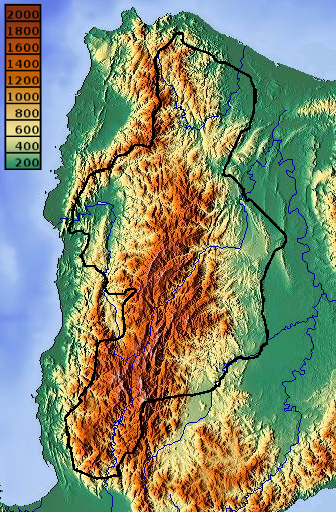
Stretching across the northern backbone of Luzon, the Cordillera Mountain Range is the Philippines’ highest and most extensive chain of mountains. Encompassing parts of Abra, Apayao, Benguet, Ifugao, Kalinga, and Mountain Province, this rugged landscape is more than just a geographical boundary—it’s a cradle of heritage, biodiversity, and resilience.
The Cordilleras hold a dual identity. As a geological marvel, it boasts mist-shrouded peaks like Mount Pulag, ancient pine forests, dramatic river valleys, and UNESCO-listed rice terraces carved by hand over two thousand years ago. As a cultural sanctuary, it is home to the Igorot peoples—indigenous communities whose lives are deeply intertwined with the mountains they have long called home.
Here, nature and culture breathe as one. From the echo of chants in sacred rituals to the soft rustle of wind through pine trees, the Cordillera Mountain Range invites travelers to experience a highland world where ecological wonders and ancestral traditions endure in harmony.
Table of Contents - The Cordillera Mountain Range
Defining the Range – Geography and Topography
The Cordillera Mountain Range forms the rugged spine of northern Luzon and is the largest mountain system in the Philippines. Its complex terrain, soaring peaks, and diverse microclimates define the region’s landscape and lifestyle. Here’s what makes it geographically remarkable:
Expansive Reach Across Northern Luzon
The Cordillera stretches across six provinces—Abra, Apayao, Benguet, Ifugao, Kalinga, and Mountain Province—collectively forming the Cordillera Administrative Region (CAR). It borders the Ilocos Region to the west and the Cagayan Valley to the east, acting as a natural barrier and watershed.
Towering Peaks and Highland Plateaus
Mount Pulag (2,926 meters) – The highest peak in Luzon and the third highest in the country, famous for its “sea of clouds” and dwarf bamboo grasslands.
Mount Kalawitan (2,714 meters) – One of the tallest mountains in the Central Cordillera, known for its dense forests and relative isolation.
Mount Data (2,310 meters) – A mountain with historical significance and rich biodiversity, home to mossy forests and the Mount Data National Park.
Climate and Elevation Zones
The Cordillera features a range of microclimates due to its varying elevations:
High elevations: Cool temperatures year-round, with fog and frost common during the dry season (especially above 2,000 meters).
Mid-elevations: Pine forests and montane rainforests thrive in these zones, with mild to temperate weather.
Lowland valleys: Warmer and more humid, often cultivated for rice, root crops, and vegetables.
These diverse elevation zones not only shape the region’s ecosystems but also influence its cultural rhythms—from farming patterns to architecture and traditional clothing.

Iconic Natural Landscapes
The Cordillera Mountain Range is home to some of the Philippines’ most breathtaking and culturally significant natural sites. From mist-shrouded peaks to centuries-old terraces sculpted by hand, these landscapes are not just scenic—they’re deeply intertwined with the life and heritage of the highlands.
Mount Pulag – Summit of the Sky
Rising 2,926 meters above sea level, Mount Pulag is the highest point in Luzon and the jewel of the Cordillera Range. Trekkers from around the world come to witness its famous “sea of clouds” at sunrise, an ethereal panorama best viewed from its grassy summit. The mountain is also home to mossy and dwarf bamboo forests, which host rare flora and fauna, including the Philippine cloud rat and several endemic orchids. As part of a protected national park, Pulag exemplifies the region’s ecological richness and fragile beauty.
Sagada – Cliffs, Caves, and Echoes of the Ancestors
Tucked high in Mountain Province, Sagada is known for its dramatic karst cliffs, limestone caves, and hanging coffins—an ancient burial tradition practiced by the indigenous Kankanaey. Sumaguing and Lumiang Caves offer adventurous spelunking experiences, with impressive chambers adorned by centuries of mineral formations. Echo Valley, meanwhile, invites quiet reflection among pine trees and cultural relics etched into the cliffs, blending natural wonder with spiritual heritage.
Banaue Rice Terraces – Nature and Culture in Harmony
Carved by the Ifugao more than 2,000 years ago, the Banaue Rice Terraces are a testament to human ingenuity and sustainable land use. These stair-like formations follow the natural contours of the mountains, transforming rugged slopes into fertile farmland. Declared a UNESCO World Heritage Site (as part of the Rice Terraces of the Philippine Cordilleras), they are often referred to as the “Eighth Wonder of the World”—not for their scale alone, but for their living role in Ifugao culture and the region’s ecology.
Chico River – Lifeline of the Highlands
Flowing through Kalinga and several other Cordillera provinces, the Chico River is a vital watershed system that sustains both agriculture and tradition. Once at the center of a major indigenous resistance to dam construction in the 1970s, the river symbolizes the connection between land and community. Today, it supports irrigation for rice fields, freshwater ecosystems, and even recreational activities like kayaking during the rainy season. It remains one of the most important river systems in northern Luzon.
Biodiversity and Ecological Significance
The Cordillera Mountain Range is not only a visual marvel but also a vital ecological stronghold. Its high-altitude forests, river systems, and varied terrain make it one of the richest biodiversity zones in the Philippines—supporting species found nowhere else on Earth.
Endemic Species and Montane Ecosystems
The region’s montane and mossy forests host a range of endemic flora and fauna uniquely adapted to cool, highland environments. These ecosystems shelter rare species such as:
The Luzon bushy-tailed cloud rat, a nocturnal mammal found in the higher elevations of Mount Pulag
The Philippine pygmy fruit bat, thriving in forest canopies
High-altitude orchids, pitcher plants, and ferns, many of which are still being documented by scientists
Birdlife is particularly rich, with sightings of the Luzon bleeding-heart dove, whiskered pitta, and even the Philippine eagle in some remote areas.
A Crucial Biodiversity Corridor
The Cordillera acts as a biodiversity corridor—connecting isolated habitats across Luzon and allowing species to migrate, adapt, and survive. Its rivers and forests are essential for ecological continuity between the Sierra Madre, Caraballo Mountains, and Cagayan Valley. These natural linkages are critical for climate resilience, watershed health, and genetic diversity.
Protected Areas and Conservation Zones
Several national parks and nature reserves have been established to safeguard the Cordillera’s fragile ecosystems:
Mount Pulag National Park – A highland sanctuary known for its endemic species and vulnerable grasslands
Mount Data National Park – A legacy site rich in mossy forest cover and historical importance
Balbalasang-Balbalan National Park – Located in Kalinga, home to old-growth forests and rare wildlife
Upper Agno River Basin and various municipal forest reserves managed by indigenous communities
Despite these protections, threats such as illegal logging, mining, and agricultural encroachment persist. Conservation efforts increasingly rely on indigenous stewardship, local ordinances, and sustainable tourism initiatives.
Indigenous Peoples and Cultural Heritage
The Cordillera Mountain Range is more than a geographical marvel—it is the ancestral domain of numerous indigenous ethnolinguistic groups whose lifeways have been shaped by the highland environment for centuries. These communities are not only stewards of the land but also carriers of a cultural legacy that remains vibrantly alive.
Major Ethnolinguistic Groups of the Cordillera
Among the most prominent groups are the:
Ifugao – Renowned for engineering the Banaue Rice Terraces, and for their rich agricultural rituals and woodcarving traditions
Kankanaey and Bontoc – Inhabitants of Mountain Province, known for their stone-walled rice terraces and oral epics
Ibaloi – Found mainly in Benguet, recognized for mummification practices and highland vegetable farming
Kalinga – Guardians of the Chico River and known for traditional tattooing (batok), warrior culture, and musical instruments
Tingguian of Abra and Isnag of Apayao – Less frequently spotlighted, yet vital to the cultural diversity of the northern Cordilleras
Each group has distinct languages, crafts, rituals, and spiritual beliefs, yet all share a deep respect for nature and community.
Land, Tradition, and Sustainable Practices
Life in the Cordillera has long been rooted in sustainable land use. The rice terraces, swidden (kaingin) farming, and indigenous forest management systems reflect generations of environmental knowledge. Land is not viewed as a commodity but as a living ancestor—cared for communally, revered in ritual, and protected through customary law.
These practices aren’t static traditions; they are adaptive responses to the terrain, climate, and ecological cycles. From sacred forests (muyong) to communal irrigation networks (buhos), Cordillera communities continue to manage resources with principles of reciprocity and long-term stewardship.
Intangible Heritage: Rituals, Agriculture, and Oral Traditions
Cultural life in the Cordilleras is anchored in the intangible—oral histories, spiritual ceremonies, songs, and dances that accompany the planting season, harvest, healing, or mourning. Hudhud chants of the Ifugao, for example, have been inscribed by UNESCO as a Masterpiece of the Oral and Intangible Heritage of Humanity.
Storytelling, indigenous calendars, and rites honoring nature spirits preserve worldviews where land, ancestors, and daily life are intimately connected. Even as modernization reaches the highlands, these traditions remain pillars of identity and resilience.
Top Activities in the Cordillera Mountain Range
The Cordillera Mountain Range offers a wide range of experiences for travelers seeking both adventure and cultural immersion. From mountain summits to ancient caves, here are some of the top activities that capture the spirit of the highlands:
Trek to Mount Pulag’s Summit and Sea of Clouds
Ascend Luzon’s highest peak and catch the awe-inspiring “sea of clouds” at dawn. The trail passes through pine forests and mossy woodlands before opening up to high-altitude grasslands. Ideal for hikers looking for breathtaking views and a sense of serenity above the clouds.
Spelunk in Sumaguing and Lumiang Caves – Sagada
Explore the underground wonders of Sagada’s limestone caves, where chambers reveal ancient coffins, cathedral-like formations, and slippery rock slides. A guided spelunking tour offers both adventure and a window into local burial customs.
Visit and Photograph the Banaue Rice Terraces
Witness one of the world’s most iconic cultural landscapes. The Banaue Rice Terraces, carved into the mountains over two millennia ago, are best viewed during planting or harvest seasons. Several view decks offer panoramic photography opportunities.
Immerse in Indigenous Village Life
Engage in meaningful exchanges by visiting indigenous villages in Ifugao, Kalinga, or Mountain Province. Join a weaving workshop, listen to oral histories, or experience traditional cooking—authentic moments that go beyond sightseeing.
Raft or Kayak Along the Chico River (Seasonal)
During the wet season, parts of the Chico River in Kalinga transform into thrilling courses for white-water rafting or kayaking. Local guides ensure safe yet exhilarating runs through scenic highland gorges.
Celebrate at Local Festivals
Join the colorful Panagbenga Festival (Flower Festival) in Baguio every February or the Lang-ay Festival in Bontoc each April. These celebrations showcase highland dances, indigenous costumes, and local craftsmanship—all set against mountain backdrops.
Explore Hanging Coffins and Echo Valley
Trek through pine forests and echoing cliffs in Sagada’s Echo Valley, where ancient hanging coffins cling to limestone walls. It’s a hauntingly beautiful experience that connects visitors to the spiritual beliefs of the Kankanaey people.
Go Nature Camping and Birdwatching
Set up camp in highland reserves or near forested ridges and wake to the sounds of mountain birds. The Cordilleras are rich in endemic avian species, making them a haven for birdwatchers and eco-campers alike.

Travel Guide: When to Go and How to Explore
Visiting the Cordillera Mountain Range is both a scenic and cultural journey—but timing, planning, and preparation make all the difference in ensuring a meaningful experience.
Best Time to Visit
The ideal time to explore the Cordillera is during the dry season, from November to May, when trails are passable, skies are clear, and festivals are in full swing.
December to February offers cooler weather and the best chance to witness Mount Pulag’s sea of clouds.
March to April aligns with major cultural festivals like Panagbenga (Baguio) and Lang-ay (Bontoc), making it a prime time for immersive experiences.
Avoid the peak rainy months of June to September, as landslides and trail closures are common.
Main Access Points and Gateways
Baguio City – The most accessible entry point, connected by highways and known as the region’s urban hub. From here, travelers can branch out to Benguet, Ifugao, and Mountain Province.
Banaue – Reachable via overnight bus from Manila; serves as the base for exploring the rice terraces.
Bontoc – A quieter highland capital accessible by road from Banaue or Sagada.
Sagada – Reached via Baguio or Banaue; ideal for those seeking caves, cliffs, and cultural depth.
Local buses, vans, and jeepneys connect these towns, though travel may be slow due to winding mountain roads. Hiring a local driver or joining a guided tour can provide more flexibility.
Practical Tips for Travelers
Permits and Fees – Some destinations (like Mount Pulag and Sagada) require visitor registration, environmental fees, and guide bookings. Always check with local tourism offices in advance.
Hire Local Guides – Essential for trekking, caving, and cultural immersion. They ensure safety and offer valuable context.
Altitude Awareness – Higher elevations (especially above 2,000 meters) can trigger mild altitude sickness. Stay hydrated, acclimate gradually, and avoid strenuous activity on your first day.
Prepare for the Elements – Mountain weather is unpredictable. Bring layers, rain gear, and sturdy footwear. Nights can get cold, even during summer.
Whether you're hiking to hidden viewpoints or spending time in indigenous communities, planning ahead allows you to experience the Cordillera with greater depth, safety, and respect.
Responsible Tourism and Preservation
The Cordillera Mountain Range is not only a natural treasure—it’s a living cultural landscape shaped by generations of indigenous stewardship. As tourism grows in the region, so does the responsibility to protect its fragile ecosystems and respect its ancestral communities. Travelers play a vital role in sustaining both.
Support Community-Based Tourism
Many villages in the Cordillera have embraced community-based tourism—an approach that empowers locals to lead tours, provide homestays, and showcase their culture on their own terms. Choosing these grassroots experiences ensures that economic benefits stay within the community while preserving traditional knowledge and values.
Book tours through local tourism offices or indigenous cooperatives
Stay in family-run inns or homestays rather than chain accommodations
Purchase crafts and produce directly from artisans and farmers
Respect Indigenous Customs and Natural Limits
Cordillera communities have long upheld sacred sites, taboos, and customary laws tied to the land. Responsible travelers are expected to observe these with care:
Ask for permission before entering sacred forests, caves, or ancestral land
Dress modestly, especially during rituals or when visiting villages
Avoid loud or disruptive behavior, particularly in cemeteries and quiet trails
Never take home stones, plants, or cultural artifacts as souvenirs
Nature also demands respect. Trails, caves, and terraces can be delicate straying from designated paths may damage centuries of environmental balance or heritage farming.
Be a Steward of Conservation and Cultural Continuity
Even small actions contribute to larger efforts in protecting the Cordillera’s biodiversity and heritage:
Minimize waste—bring reusable bottles, refuse single-use plastics, and pack out trash
Learn before you go—read about local traditions, languages, and taboos
Share stories mindfully—highlight the beauty and culture without exoticizing or exploiting it
Donate to conservation or heritage groups working with indigenous peoples
Encourage others to travel consciously, helping shift tourism toward long-term sustainability
By approaching the Cordillera not just as a destination, but as a living home, travelers become allies in preserving what makes these mountains truly extraordinary.

Frequently Asked Questions (FAQ)
Q: How cold does it get in Mount Pulag?
A: Temperatures at the summit of Mount Pulag can drop to 0°C (32°F) or even lower during the dry months of December to February. Frost occasionally forms at dawn. It’s essential to bring layered clothing, gloves, and a warm hat—even in the tropics, high-altitude chill is real.
Q: Do I need a permit to hike in the Cordillera?
A: Yes. Most trekking destinations—especially Mount Pulag, Sagada’s caves, and protected terraces—require permits, environmental fees, and local guides. These regulations support conservation and ensure visitor safety. It’s best to check with municipal tourism offices or official websites before your trip.
Q: Is the area safe for solo travelers?
A: Generally, yes—the Cordillera region is known for its hospitable communities and lower crime rates. However, solo travelers should exercise caution in remote areas:
Always register with local tourism offices
Hire a local guide for hikes and cave tours
Inform your accommodation of your itinerary Mobile signal can be spotty, so planning ahead is key.
Q: What are essential items to pack?
A: Packing smart is crucial for highland travel. Essentials include:
Warm layers (jackets, fleece, thermal wear)
Rain gear (poncho or waterproof jacket)
Sturdy footwear with grip
Headlamp or flashlight for cave tours or early treks
Reusable water bottle and snacks
Personal medications and first aid kit
Camera or binoculars (for landscapes and birdwatching)
Cash – many rural areas have limited or no ATM access
Q: How do I get to Sagada, Banaue, or Bontoc from Manila?
A: From Manila, you can take overnight buses to Banaue or Baguio (the main transit hubs).
To Sagada, travel from Baguio via the GL Trans or Coda Lines, or from Banaue via jeepney or van transfers through Bontoc. Travel times can range from 9 to 13 hours, depending on the route and weather conditions. Roads are winding but scenic plan for stopovers and rest breaks.
Q: Are there ATMs and mobile signals in the Cordillera?
A: Major towns like Baguio, Banaue, and Bontoc have ATMs and some mobile coverage. However, rural villages and trail areas often lack reliable signal or banking access.
Bring enough cash, especially for guide fees, entrance permits, or local markets.
Inform loved ones in advance that you may be offline during hikes or village stays.
Takeaway – A Living Mountain Legacy
The Cordillera Mountain Range is more than a highland expanse—it is a convergence of towering peaks, ancient cultures, and ecosystems found nowhere else in the Philippines. It is a place where rice terraces whisper the ingenuity of ancestors, where mist-covered forests shelter rare species, and where indigenous communities continue to live in harmony with the rhythms of the land.
To walk its trails, descend into its caves, or share a meal in a mountain village is to experience a heritage that has endured through time—not preserved behind glass, but alive in practice, memory, and place.
As travelers, we are guests in this living legacy. With every respectful step we take, every local story we honor, and every natural boundary we preserve, we help ensure that the Cordillera remains not only a wonder to behold—but a homeland to be protected. Let us explore with humility, learn with curiosity, and leave only gratitude behind—for the mountains, and for the people who call them home.


Cordillera Mountain a great mountain that has natural beauty and cultural wonder.
#MountBinuluan #KalingaAdventures #PhilippineVolcanoes #EcoTravelPH #FindingUtopia #KGMResortBlogs
The majestic mountains of the Cordilleras reveal the vastness and grandeur of nature, showing just how far and wide its beauty stretches.
I love the beauty of nature
The Cordillera Mountain Range is home to some of the Philippines’ most breathtaking and culturally significant natural sites.