
What to Expect When Visiting the Philippines: A First-Time Traveler’s Complete Guide

Discover the Pearl of the Orient

For many travelers, discovering what to expect when visiting the Philippines begins with understanding the remarkable diversity of this island nation. Located in Southeast Asia, the Philippines is an archipelago of more than 7,000 islands, offering a wide range of landscapes, cultures, and travel experiences. From pristine tropical beaches and coral-rich waters to lush mountains and historic towns, the country presents an extraordinary mix of natural beauty and cultural heritage.
Often called the “Pearl of the Orient,” the Philippines has long captured the imagination of explorers and travelers alike. Each island and region reveals something unique—whether it’s the limestone cliffs of Palawan, the rolling rice terraces of the Cordillera mountains, or the vibrant coastal communities scattered across the Visayas and Mindanao.
Beyond its stunning scenery, the Philippines is also known for its rich traditions, flavorful cuisine, and the genuine warmth of its people. Visitors frequently find themselves welcomed with smiles, friendly conversations, and a sense of hospitality that reflects deeply rooted cultural values.
Ultimately, visiting the Philippines offers far more than beautiful destinations—it provides a journey into a culture defined by natural wonder, vibrant traditions, and unforgettable hospitality.
Table of Contents - What to Expect When Visiting the Philippines
A Nation of Islands – Geography and Diversity
One of the defining features highlighted in any Philippines travel guide is the country’s remarkable geography. The Philippines is an archipelago composed of more than 7,600 islands, stretching across the western Pacific Ocean. This vast collection of islands creates an extraordinary variety of landscapes, cultures, and travel experiences. From tropical coastlines and coral reefs to mountain villages and historic towns, every region offers something unique for travelers to discover.
The country is traditionally divided into three major island groups, each with its own identity, culture, and natural attractions.
Luzon – Mountains, History, and Urban Centers
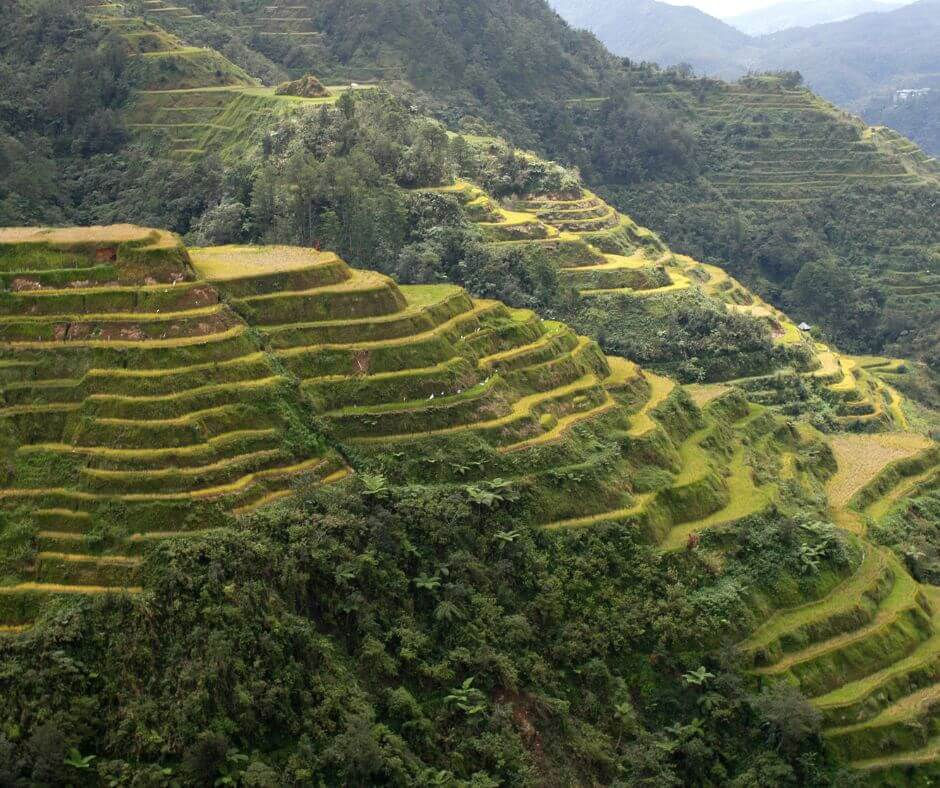
Luzon, the largest island group, is the political and economic center of the Philippines. It is home to Manila, the country’s capital, as well as many historical landmarks and cultural sites. Luzon’s northern highlands also feature one of the country’s most remarkable landscapes—the Banaue Rice Terraces. Carved into the mountains by the Ifugao people over two thousand years ago, these terraces demonstrate the ingenuity of early Filipino agricultural communities.
Visayas – Tropical Islands and Cultural Traditions
Located in the central Philippines, the Visayas are known for their idyllic islands, turquoise waters, and vibrant cultural traditions. This region includes popular destinations such as Cebu, Bohol, and Negros, where visitors can experience a blend of colonial history, island scenery, and lively festivals.
Mindanao – Diverse Ecosystems and Indigenous Heritage
The southern region of Mindanao offers rich biodiversity and cultural diversity. It is home to numerous indigenous communities and some of the country’s most impressive natural landscapes.
Among the Philippines’ most famous destinations are Palawan, known for its dramatic limestone cliffs and crystal-clear lagoons, and Siargao, widely regarded as the surfing capital of the country.
Warm Filipino Hospitality
One of the most memorable aspects of Philippines culture travel is the genuine warmth and friendliness of the Filipino people. Visitors often discover that hospitality in the Philippines is not simply a social courtesy—it is a deeply rooted cultural value that shapes everyday interactions. Whether in bustling cities or quiet island villages, travelers are often welcomed with smiles, friendly conversations, and a willingness to help.
Friendly and Welcoming Locals
Filipinos are widely known for their approachable and cheerful nature. It is common for locals to greet visitors warmly, offer directions, or strike up casual conversations. Many travelers note that even simple interactions—asking for help, shopping at local markets, or riding public transportation—often turn into friendly exchanges that reflect the openness of Filipino society.
Guests Treated Like Family
In Filipino culture, guests are often treated with the same care and respect as family members. When visiting homes or small communities, travelers may be invited to sit, relax, and share a meal. This welcoming attitude reflects a cultural belief that hospitality strengthens relationships and builds goodwill among people.
Hospitality as a Cultural Value
Hospitality is closely connected to broader Filipino cultural principles such as generosity, respect, and community. Offering food or assistance to visitors—even in modest circumstances—is seen as an expression of kindness and dignity.
A common example occurs when guests arrive at a Filipino home. Even if the household has limited resources, hosts will often invite visitors to eat or share refreshments. This gesture reflects a cultural tradition of making guests feel comfortable and valued.
Stunning Natural Beauty
The Philippines is internationally recognized for its breathtaking landscapes and remarkable biodiversity. For many travelers searching for the best places in the Philippines, the country offers an incredible range of natural attractions—from pristine beaches and coral reefs to mountain ranges and hidden waterfalls. With thousands of islands and diverse ecosystems, the Philippines provides endless opportunities to explore nature.
1. World-Class Beaches
Among the most famous attractions in the Philippines are its stunning tropical beaches. Soft white sand, crystal-clear waters, and vibrant sunsets create postcard-perfect scenery that draws visitors from around the world.
Boracay, one of the country’s most iconic destinations, is known for its powdery White Beach and lively island atmosphere. Palawan, often ranked among the most beautiful islands in the world, features dramatic limestone cliffs, turquoise lagoons, and secluded beaches in places like El Nido and Coron. Meanwhile, Siargao, famous for its surf culture and laid-back charm, offers a mix of beaches, coconut groves, and scenic island landscapes.
These destinations showcase why the Philippines consistently ranks among the world’s top beach destinations.
2. Coral Reefs and Marine Biodiversity
Beneath the surface of Philippine waters lies one of the richest marine ecosystems on the planet. The country sits within the Coral Triangle, a region known for its extraordinary marine biodiversity.
The Tubbataha Reefs Natural Park, a UNESCO World Heritage Site located in the Sulu Sea, is considered one of the world’s best diving locations. Its pristine coral reefs support hundreds of fish species, sea turtles, sharks, and other marine life. Another remarkable site is Apo Reef, the second-largest contiguous coral reef system in the world, offering spectacular underwater landscapes and thriving marine habitats.
For divers and snorkelers, the Philippines is truly a paradise beneath the sea.
3. Mountains and Rice Terraces
Beyond its coastlines, the Philippines also boasts impressive mountain landscapes. The Cordillera Mountains in northern Luzon are home to rugged peaks, forested valleys, and indigenous communities with centuries-old traditions.
One of the most extraordinary sights in the region is the Banaue Rice Terraces. Often called the “Eighth Wonder of the World,” these terraces were carved into the mountains by the Ifugao people more than two thousand years ago. They represent both an engineering marvel and a living cultural heritage landscape that continues to sustain local communities.
4. Waterfalls and Hidden Nature Spots
Throughout the Philippines, travelers can discover countless waterfalls and hidden natural retreats tucked away in forests and mountain valleys.
Tinuy-an Falls in Surigao del Sur, often referred to as the “Niagara Falls of the Philippines,” features a wide, multi-tiered cascade surrounded by lush rainforest. Kawasan Falls in Cebu is equally famous for its vibrant turquoise waters and scenic jungle setting.
These natural wonders offer visitors a chance to explore the quieter, untouched side of the Philippines—far from busy cities and tourist crowds.

A Rich and Diverse Culture
Beyond its natural beauty, the Philippines is a destination deeply shaped by history, traditions, and cultural exchange. Understanding Philippine culture reveals how centuries of indigenous traditions, foreign influences, and regional connections have blended to create a vibrant and unique national identity.
Indigenous Heritage
Long before colonial contact, the Philippines was home to diverse indigenous communities with their own languages, belief systems, and cultural practices. Many of these traditions continue to influence Filipino life today. Indigenous groups across the archipelago have preserved unique forms of craftsmanship, music, dance, and storytelling that reflect their deep connection to the land and community.
These cultural roots can still be experienced in the customs, festivals, and local traditions found throughout different regions of the country.
Spanish Colonial Influence
Spanish rule, which lasted for more than three centuries, left a lasting mark on Philippine culture. One of the most visible influences is the country’s strong Christian tradition, particularly Roman Catholicism. Churches, religious celebrations, and community fiestas remain central to many Filipino towns.
Historic towns such as Vigan, Intramuros in Manila, and other colonial-era settlements showcase Spanish-era architecture, cobblestone streets, and centuries-old churches. These heritage sites offer visitors a glimpse into the Philippines’ colonial past and its role in shaping modern Filipino identity.
American Cultural Impact
During the early twentieth century, the American period introduced new social and educational systems that continue to influence Filipino society today. English became widely used in education and government, making the Philippines one of the largest English-speaking countries in Asia.
American cultural influence can also be seen in aspects of popular culture, media, and modern urban life, blending with local traditions to create a uniquely Filipino cultural landscape.
Asian Regional Connections
Despite these external influences, the Philippines remains deeply connected to its Asian roots. Trade and migration throughout Southeast Asia have historically shaped Filipino traditions, cuisine, and social customs.
Today, this blend of indigenous heritage, colonial history, and regional connections can be experienced through the country’s vibrant festivals, historic towns, churches, and cultural landmarks, making the Philippines not only a destination of natural beauty but also a place rich in cultural stories.
Delicious Filipino Food to Try
Exploring Filipino food is one of the most rewarding parts of visiting the Philippines. The country’s cuisine reflects a rich blend of indigenous traditions, regional ingredients, and historical influences from Asia and Spain. Meals often emphasize bold flavors, comforting dishes, and communal dining, where family and friends gather around the table to share food.
For first-time visitors, here are some of the most popular Filipino dishes and culinary experiences to try.
1. Must-Try Filipino Dishes
Adobo Often considered the national dish of the Philippines, adobo is a savory combination of meat—usually chicken or pork—slow-cooked in soy sauce, vinegar, garlic, bay leaves, and peppercorns. Its rich flavor and tender texture make it a staple in Filipino households.
Sinigang
Sinigang is a sour soup that perfectly reflects the Filipino love for bold flavors. The broth is typically made with tamarind and filled with vegetables, pork, shrimp, or fish. Its refreshing sourness makes it a favorite comfort dish, especially during rainy days.
Lechon
Lechon, or roasted whole pig, is one of the most celebrated dishes in Filipino cuisine. The pig is slowly roasted over charcoal until the skin becomes crispy and the meat tender and flavorful. It is often served during major celebrations, festivals, and family gatherings.
Kare-kare
Kare-kare is a rich stew known for its distinctive peanut-based sauce. Traditionally prepared with oxtail or beef and served with vegetables such as eggplant and long beans, it is usually accompanied by bagoong (fermented shrimp paste) for added flavor.
2. Filipino Desserts
Halo-halo
Halo-halo, meaning “mix-mix,” is a colorful dessert made with shaved ice, sweet beans, fruits, jellies, leche flan, and ice cream. It is especially popular during hot tropical days.
Bibingka
Bibingka is a traditional rice cake often enjoyed during the Christmas season. Cooked in clay pots and topped with salted egg and cheese, it has a soft texture and slightly smoky flavor.
3. Street Food Culture
Street food is another essential part of Filipino culinary culture. Night markets and roadside stalls offer a variety of quick bites and local snacks that reflect the creativity of Filipino cuisine. Sampling street food allows travelers to experience authentic flavors while observing everyday life in Filipino communities.

English-Friendly Travel Destination
One of the most useful travel tips for the Philippines is knowing that the country is one of the most English-friendly destinations in Southeast Asia. English is widely spoken throughout the archipelago and is one of the country’s official languages. Because of this, many international travelers find the Philippines easier to navigate compared to other destinations in the region.
1. English Widely Spoken Across the Country
English is taught in schools and commonly used in government, business, and media. Many Filipinos are comfortable speaking English in everyday situations, especially in cities and tourism centers. Visitors can easily communicate with hotel staff, restaurant servers, taxi drivers, and tour guides without needing translation assistance.
This widespread language ability makes it easier for travelers to interact with locals and learn about Filipino culture during their visit.
2. Easy Communication for International Travelers
For first-time visitors, communication barriers are minimal. Travelers can comfortably ask for directions, request travel information, or engage in casual conversations with residents. This accessibility allows visitors to feel more confident while exploring unfamiliar places.
The ability to communicate easily also enhances the overall travel experience, making interactions more personal and enjoyable.
3. English Signage and Tourism Services
English is also commonly used in public signage and tourism services. Airports, transportation terminals, hotels, and major tourist attractions often provide information in English. Restaurant menus, safety notices, and travel guides are frequently written in English as well.
Because of this, navigating cities, booking accommodations, and exploring destinations becomes much more convenient for international visitors.
Adventure and Outdoor Activities
For travelers seeking excitement and exploration, adventure travel in the Philippines offers countless opportunities across its diverse landscapes. From tropical islands and coral reefs to volcanic mountains and hidden caves, the country provides a wide range of outdoor experiences that attract nature lovers and adventure seekers alike.
1. Island Hopping
Island hopping is one of the most popular activities in the Philippines. With thousands of islands scattered across the archipelago, boat tours allow visitors to explore hidden beaches, crystal-clear lagoons, and remote sandbars.
Destinations such as El Nido and Coron in Palawan, as well as Honda Bay in Puerto Princesa, are famous for their island-hopping tours. These excursions often include swimming, snorkeling, and visits to scenic lagoons and limestone cliffs.
2. Diving and Snorkeling
The Philippines sits within the Coral Triangle, making it one of the richest marine biodiversity areas in the world. As a result, diving and snorkeling are among the country’s top adventure activities.
Popular diving locations include Tubbataha Reefs Natural Park, Apo Island, and Malapascua Island, where divers can encounter vibrant coral gardens, sea turtles, and even thresher sharks. For beginners, many islands offer calm waters and accessible snorkeling spots.
3. Surfing in Siargao
Known as the surfing capital of the Philippines, Siargao Island has gained international recognition for its world-class waves. The famous Cloud 9 surf break attracts surfers from around the globe.
Beyond surfing, Siargao offers a laid-back island atmosphere, scenic lagoons, mangrove forests, and beautiful beaches, making it a favorite destination for both adventure seekers and relaxed travelers.
4. Hiking Volcanoes
The Philippines is home to numerous volcanoes that provide breathtaking hiking experiences. Trails often lead to scenic viewpoints, crater lakes, and panoramic landscapes.
Popular hiking destinations include Mount Mayon in Albay, known for its near-perfect cone shape, and Taal Volcano in Batangas, one of the world’s smallest active volcanoes located within a lake.
5. Caving and Waterfalls
The country also offers incredible cave systems and waterfalls hidden within forests and mountains. Adventurous travelers can explore limestone caves, underground rivers, and natural pools.
Examples include the Puerto Princesa Underground River in Palawan, a UNESCO World Heritage Site, and waterfalls such as Kawasan Falls in Cebu, where visitors can enjoy swimming and canyoneering.

Things First-Time Travelers Should Know
Traveling to the Philippines for the first time can be an exciting experience, especially with its beautiful islands and welcoming culture. Understanding a few essential tips for visiting the Philippines can help make your trip smoother, safer, and more enjoyable.
Best Time to Visit
The Philippines has a tropical climate with two main seasons: the dry season and the rainy season. The best time for most travelers to visit is during the dry season from November to May, when the weather is generally sunny and ideal for beach activities, island hopping, and outdoor exploration.
The months from December to April are particularly popular for tourism due to clear skies and calmer seas. The rainy season, typically from June to October, can bring heavy rains and occasional typhoons, although some destinations remain accessible and less crowded during this period.
Transportation Between Islands
Because the Philippines is an archipelago of more than 7,000 islands, traveling between destinations often involves multiple forms of transportation. Domestic flights are the fastest way to move between major islands such as Luzon, Cebu, Palawan, and Mindanao.
For shorter distances, travelers can take ferries or roll-on roll-off (RORO) ships, which transport both passengers and vehicles between islands. Within cities and towns, transportation options include taxis, ride-hailing services, buses, tricycles, and the iconic jeepney, a uniquely Filipino form of public transportation.
Cash vs. Card Usage
While credit and debit cards are widely accepted in major cities, shopping malls, and hotels, cash is still commonly used in many smaller establishments and rural areas. Local markets, small restaurants, and transportation services may only accept cash.
Travelers are advised to carry Philippine pesos, especially when visiting smaller towns or island destinations.
Local Etiquette
Understanding local customs can help visitors interact respectfully with Filipino communities. Filipinos value politeness, friendliness, and respect for elders. Simple gestures such as greeting people warmly, smiling, and saying “thank you” are appreciated.
When visiting churches or traditional communities, modest clothing is often recommended as a sign of respect.
Safety Tips
The Philippines is generally a welcoming destination for travelers, but basic travel precautions are always important. Visitors should keep an eye on personal belongings, use licensed transportation services, and follow local travel advisories when exploring remote areas.
Cultural Etiquette and Social Norms
Understanding local customs is an important part of meaningful travel. These Philippine culture travel tips can help visitors interact respectfully with local communities while gaining a deeper appreciation of Filipino traditions and social values.
Respect for Elders
Respect for elders is a cornerstone of Filipino culture. Age is often associated with wisdom and authority, and older individuals are treated with courtesy and deference. Younger people commonly greet elders using polite language and respectful gestures. One traditional gesture is “mano,” where a younger person gently touches an elder’s hand to their forehead as a sign of respect and blessing.
Even in casual conversations, Filipinos often show politeness through tone and respectful forms of address.
Friendly Communication
Filipinos are generally warm, approachable, and conversational. Smiling and friendly greetings are common in everyday interactions. Visitors may notice that casual conversations often begin with polite small talk before moving to the main topic. Maintaining a respectful and friendly tone is appreciated, as harmony and positive relationships are valued in Filipino society.
Modest Dress in Certain Places
While the Philippines is relatively relaxed in terms of clothing, modest dress is recommended in certain situations, particularly when visiting churches, heritage sites, and rural communities. Wearing respectful attire in these settings demonstrates cultural awareness and consideration for local traditions.
Beachwear is generally appropriate only in beach or resort areas, while casual but modest clothing is preferred in towns and cities.
Religious Traditions
Religion plays an important role in Filipino life, with many communities practicing Christianity, particularly Roman Catholicism. Churches are central gathering places, and religious events and festivals are widely celebrated.
Visitors may encounter church services, processions, or local celebrations dedicated to patron saints. Observing these traditions respectfully and maintaining quiet behavior inside churches is appreciated by local communities.

Why the Philippines Leaves a Lasting Impression
For many visitors, the Philippines travel experience becomes more than just a vacation—it becomes a meaningful journey filled with unforgettable moments and genuine human connections. While the country is famous for its tropical beaches and breathtaking landscapes, what often leaves the deepest impression on travelers is the warmth of the people and the richness of the culture.
Many travelers describe a strong emotional connection to the Philippines. Simple interactions—sharing a meal with locals, receiving a warm smile from a stranger, or joining community celebrations—often create lasting memories. These moments reflect the deeply rooted Filipino values of hospitality, kindness, and openness toward visitors.
Community warmth is one of the defining aspects of the travel experience in the Philippines. Whether in a busy city or a small coastal village, travelers often feel welcomed and included. Locals are known to greet visitors warmly, offer help when needed, and share stories about their culture and traditions.
The country’s cultural richness also contributes to its lasting appeal. From colorful festivals and historic towns to traditional cuisine and indigenous heritage, the Philippines offers travelers a deeper understanding of Southeast Asian culture. Each island and region presents a unique blend of traditions, landscapes, and local identity.
In many ways, the Philippines leaves an impression not just through what visitors see—but through what they feel. The combination of natural beauty, cultural depth, and genuine human connection often inspires travelers to return again and again, continuing their exploration of this remarkable archipelago.
Takeaway – Your Gateway to an Island Adventure
Visiting the Philippines offers a travel experience that goes far beyond scenic destinations. With its breathtaking natural beauty—from white-sand beaches and coral reefs to mountains and waterfalls—the country stands out as one of the most diverse tropical destinations in the world. Each island reveals a new landscape, a new story, and a new reason to explore further.
Equally memorable is the cultural warmth that defines the Philippines. The genuine hospitality of the Filipino people, combined with rich traditions and a strong sense of community, creates an environment where travelers feel welcomed and connected. These meaningful interactions often become the most unforgettable part of the journey.
For those seeking excitement, the Philippines also delivers endless opportunities for adventure—whether it’s island hopping, diving into vibrant marine ecosystems, surfing world-class waves, or hiking through dramatic landscapes.
Together, these elements make the Philippines a destination that inspires both exploration and connection.
Explore more travel guides and Philippine destinations on KGM Resorts and begin planning your own island adventure.
Frequently Asked Questions
Is the Philippines safe for tourists?
The Philippines is generally a welcoming destination for tourists, especially in well-known travel areas such as Manila, Cebu, Palawan, and Boracay. Like any destination, travelers should practice basic safety precautions—keep an eye on personal belongings, use licensed transportation, and stay informed about local advisories. Most visitors experience a safe and enjoyable trip, particularly when following common travel guidelines.
When is the best time to visit the Philippines?
The best time to visit is during the dry season from November to May, when the weather is typically sunny and ideal for beach activities and island hopping. The peak travel months are December to April. The rainy season, from June to October, may bring heavier rainfall and occasional typhoons, although it can also mean fewer crowds and lower prices.
Do I need a visa to visit the Philippines?
Many travelers can enter the Philippines visa-free for short stays, typically ranging from 14 to 30 days, depending on their nationality. Visitors must usually have a valid passport, a return or onward ticket, and sufficient funds for their stay. It is always recommended to check with the Philippine embassy or official immigration website for the most up-to-date requirements.
Is English widely spoken in the Philippines?
Yes, English is widely spoken throughout the Philippines and is one of the country’s official languages. It is commonly used in schools, businesses, transportation, and tourism services. This makes communication easy for international travelers, even in many rural areas.
How many days should I spend in the Philippines?
For a first-time visit, it is recommended to spend at least 7 to 10 days in the Philippines to explore a few key destinations. With more time—such as 2 to 3 weeks—travelers can visit multiple islands, experience different regions, and enjoy a more relaxed pace while discovering the country’s natural beauty and culture.



Visiting the Philippines is a where to explore destination. A new landscape where to explores travel. A new key story with a pace of discovering the beauty and culture. A nature's most common scenic crstal highlight that has diversity.
This article is a handy starter guide for first-time visitors to the Philippines, focusing on the country's mix of natural beauty and culture. It highlights the must-see islands and crystal-clear waters while giving you a heads-up on what to expect regarding local food and the famous Filipino hospitality...
Filipinos are widely known for their approachable and cheerful nature. It is common for locals to greet visitors warmly, offer directions, or strike up casual conversations. Many travelers note that even simple interactions—asking for help, shopping at local markets, or riding public transportation—often turn into friendly exchanges that reflect the openness of Filipino society.