
Wild Animals Found in the Philippines: A Guide to the Country’s Unique Wildlife

A Biodiversity Treasure of Southeast Asia

The Philippines is widely recognized as one of the world’s most important biodiversity hotspots, home to an extraordinary variety of plants and animals found nowhere else on Earth. Spread across more than 7,600 islands in Southeast Asia, the country’s landscapes—from dense rainforests and rugged mountains to coral reefs and mangrove forests—create a rich mosaic of habitats that support remarkable wildlife diversity.
Scientists estimate that over 50,000 species have been recorded across the archipelago, including thousands of insects, marine organisms, birds, reptiles, and mammals. What makes Philippine wildlife especially remarkable is its high level of endemism—many species evolved in isolation on individual islands, resulting in animals that exist nowhere else in the world.
These ecosystems—tropical rainforests, highland cloud forests, coastal mangroves, and the vibrant reefs of the Coral Triangle—provide sanctuary to a wide range of wild animals found in the Philippines, from rare forest mammals to colorful birds and fascinating marine creatures.
In this guide, we explore some of the most iconic endemic animals of the Philippines, highlighting the country’s unique biodiversity and the wildlife that makes the archipelago one of the most extraordinary natural destinations on the planet.
Table of Contents - Wild Animals Found in the Philippines
Why the Philippines Has So Many Unique Animals
The Philippines is considered a biodiversity hotspot, meaning it contains an exceptional concentration of species found nowhere else on Earth. Several natural and evolutionary factors have shaped the country into one of the richest centers of wildlife diversity in Southeast Asia.
Archipelagic Geography and Island Isolation
The Philippines is made up of thousands of islands scattered across the western Pacific. Over millions of years, this archipelagic geography created isolated environments where animals evolved independently. This process of island evolution in wildlife allowed species to adapt uniquely to their surroundings, leading to the remarkable diversity of unique animals in the Philippines today.
Tropical Climate Supporting Year-Round Ecosystems
Located near the equator, the country experiences a warm tropical climate that supports abundant plant growth and stable ecosystems. Forests remain productive throughout the year, providing continuous food sources and habitats for many wildlife species.
Diverse Habitats Across the Islands
Another key factor is the incredible variety of ecosystems found throughout the archipelago. The Philippines hosts lowland rainforests, mountain cloud forests, mangroves, freshwater wetlands, grasslands, and coral reefs. Each habitat supports different species, contributing to the overall richness of Philippine biodiversity.
Evolutionary Adaptation Over Millions of Years
Over time, animals adapted to the unique environments of each island. These evolutionary processes produced distinct species such as the Philippine eagle, tarsier, and tamaraw. This long history of island evolution in wildlife explains why the Philippines continues to reveal new species even today.

Mammals of the Philippines
The Philippines hosts a remarkable diversity of mammals, many of which are found nowhere else in the world. Due to the archipelago’s long isolation, a large number of Philippine mammals have evolved into unique species adapted to forests, mountains, and island ecosystems. Below are some of the most iconic and rare animals of the Philippines.
1. Philippine Tarsier (Carlito syrichta)
Habitat: Lowland forests and secondary woodland areas, particularly in Bohol, Samar, and Mindanao.
Conservation Status: Near Threatened.
Interesting Fact: One of the smallest primates in the world, the Philippine tarsier has enormous eyes adapted for night vision and can rotate its head nearly 180 degrees to spot prey.
2. Philippine Pangolin (Manis culionensis)
Habitat: Forest ecosystems of Palawan and nearby islands.
Conservation Status: Critically Endangered.
Interesting Fact: This shy, nocturnal mammal feeds primarily on ants and termites using its extremely long sticky tongue. It is also one of the most trafficked animals due to the illegal wildlife trade.
3. Tamaraw (Bubalus mindorensis)
Habitat: Grasslands and forested mountain slopes of Mindoro Island.
Conservation Status: Critically Endangered.
Interesting Fact: The tamaraw is a small wild buffalo species found only in Mindoro and is considered one of the most endangered large mammals in Southeast Asia.
4. Giant Golden-Crowned Flying Fox (Acerodon jubatus)
Habitat: Tropical forests across Luzon, Mindoro, and parts of Mindanao.
Conservation Status: Endangered.
Interesting Fact: Known as the largest bat in the world, this flying fox can have a wingspan of up to 1.7 meters and plays a crucial role in seed dispersal and forest regeneration.
5. Philippine Mouse Deer (Tragulus nigricans)
Habitat: Dense forests of Balabac Island in Palawan.
Conservation Status: Endangered.
Interesting Fact: Also known as the Balabac chevrotain, this tiny hoofed mammal resembles a miniature deer but is actually more closely related to early ancestors of modern deer and pigs.
Birds of the Philippines – A Birdwatcher’s Paradise
The Philippines is one of the most exciting destinations for birdwatching in Asia, with over 700 recorded Philippine bird species across its islands. Remarkably, more than 240 species are endemic birds of the Philippines, meaning they exist nowhere else on Earth. From forest canopies to mountain ranges, the country’s diverse habitats support some of the most extraordinary birds in the region.
1. Philippine Eagle (Pithecophaga jefferyi)
Habitat: Old-growth forests of Luzon, Samar, Leyte, and Mindanao.
Conservation Status: Critically Endangered.
Interesting Fact: Known as the “King of the Philippine Skies,” this powerful raptor is one of the largest eagles in the world and a symbol of national pride.
2. Luzon Bleeding-Heart (Gallicolumba luzonica)
Habitat: Lowland forests of Luzon Island.
Conservation Status: Near Threatened.
Interesting Fact: This shy ground dove is famous for the striking red patch on its chest, resembling a bleeding wound.
3. Mindanao Lorikeet (Trichoglossus johnstoniae)
Habitat: Montane and mossy forests of Mindanao’s mountain ranges.
Conservation Status: Near Threatened.
Interesting Fact: A brightly colored parrot that feeds mainly on nectar and pollen, making it an important pollinator in forest ecosystems.
4. Visayan Hornbill (Penelopides panini)
Habitat: Remaining forests of the Visayan Islands such as Panay and Negros.
Conservation Status: Endangered.
Interesting Fact: Hornbills play a vital ecological role as seed dispersers, helping regenerate tropical forests.
5. Palawan Peacock-Pheasant (Polyplectron napoleonis)
Habitat: Dense forests of Palawan Island.
Conservation Status: Vulnerable.
Interesting Fact: This bird is admired for its shimmering plumage and elaborate courtship displays, making it one of the most visually stunning Philippine bird species.
6. Philippine Eagle-Owl (Bubo philippensis)
Habitat: Forests across several Philippine islands.
Conservation Status: Vulnerable.
Interesting Fact: The largest owl species in the Philippines, known for its distinctive ear tufts and powerful nocturnal hunting abilities.

Reptiles and Amphibians – Hidden Forest Survivors
Beyond its famous mammals and birds, the Philippines is also home to an impressive diversity of reptiles and amphibians. Scientists have recorded hundreds of species across the archipelago, many of which are found nowhere else in the world. These animals thrive in tropical rainforests, mountain streams, mangroves, and wetlands, making the country a hotspot for reptiles in the Philippines and unique amphibian species.
1. Philippine Crocodile (Crocodylus mindorensis)
Habitat: Freshwater rivers, lakes, and wetlands in Luzon and Mindanao.
Conservation Status: Critically Endangered.
Interesting Fact: Considered one of the most endangered crocodile species on Earth, this freshwater crocodile plays an important role in maintaining healthy river ecosystems.
2. Philippine Sailfin Dragon (Hydrosaurus pustulatus)
Habitat: Rivers, mangroves, and forest streams across several Philippine islands.
Conservation Status: Vulnerable.
Interesting Fact: This impressive endemic reptile of the Philippines is known for its sail-like crest along its back and tail, giving it a prehistoric appearance.
3. Philippine Forest Turtle (Siebenrockiella leytensis)
Habitat: Forest streams and freshwater wetlands of northern Palawan.
Conservation Status: Critically Endangered.
Interesting Fact: One of the rarest freshwater turtles in the world, it is heavily threatened by illegal wildlife trade and habitat loss.
4. Monitor Lizards (Varanus species)
Habitat: Forests, coastal areas, and mangrove ecosystems throughout the Philippines.
Conservation Status: Varies by species.
Interesting Fact: The Philippines hosts several monitor lizard species, including some that are endemic and adapted to forested habitats.
5. Geckos and Forest Lizards
Habitat: Tropical forests, limestone caves, and rocky coastal environments.
Conservation Status: Many species remain poorly studied.
Interesting Fact: Numerous gecko species in the Philippines display striking colors and patterns, and several new species have been discovered in recent years.
6. Tree Frogs
Habitat: Tropical rainforests and wetlands.
Interesting Fact: These agile amphibians in the Philippines are known for their sticky toe pads that allow them to climb vegetation and trees near water sources.
7. Forest and Mountain Frogs
Habitat: Cool mountain streams and mossy forest floors.
Interesting Fact: Many amphibians are highly sensitive to environmental change, making them important indicators of ecosystem health.
Marine Wildlife – Life Beneath Philippine Waters
The Philippines sits at the heart of the Coral Triangle, widely recognized as the most biodiverse marine region on Earth. Its warm tropical waters support thousands of marine species—from gentle giants to vibrant reef dwellers—making the country a global hotspot for marine wildlife in the Philippines. These ecosystems are essential not only for biodiversity but also for coastal communities and marine conservation.
1. Whale Sharks (Rhincodon typus)
Habitat: Coastal waters and plankton-rich feeding areas such as Donsol, Sorsogon, and Oslob, Cebu.
Conservation Status: Endangered.
Interesting Fact: Known locally as butanding, whale sharks are the largest fish in the world and feed mainly on plankton despite their enormous size.
2. Sea Turtles
Habitat: Coral reefs, seagrass beds, and nesting beaches across the archipelago.
Conservation Status: Most species are threatened or endangered.
Interesting Fact: The Philippines is home to five of the world’s seven sea turtle species, including the green turtle, hawksbill turtle, olive ridley, leatherback, and loggerhead.
3. Dugongs (Dugong dugon)
Habitat: Seagrass meadows in areas such as Palawan and parts of Mindanao.
Conservation Status: Vulnerable.
Interesting Fact: Often called “sea cows,” dugongs are gentle marine mammals that graze on seagrass and play an important role in maintaining healthy coastal ecosystems.
4. Giant Clams (Tridacna species)
Habitat: Coral reef ecosystems throughout Philippine waters.
Conservation Status: Several species are threatened.
Interesting Fact: Some giant clams can grow over one meter wide and host symbiotic algae that help produce energy through photosynthesis.
5. Reef Fish Species
Habitat: Coral reefs within the Coral Triangle.
Interesting Fact: The Philippines hosts over 2,000 species of reef fish, making it one of the richest marine fish habitats in the world.
6. Jellyfish
Habitat: Coastal waters, lagoons, and open seas.
Interesting Fact: Philippine waters contain both harmless species like moon jellyfish and more dangerous species such as box jellyfish, known for their potent venom.

Endemic Species Found Only in the Philippines
One of the most remarkable features of Philippine biodiversity is endemism—the phenomenon where species evolve and exist only within a specific geographic region. Because the Philippines is made up of thousands of islands separated by oceans, animals evolved in isolation over millions of years. This island isolation created many unique species in the Philippines that cannot be found anywhere else on Earth.
1. Philippine Eagle (Pithecophaga jefferyi)
Habitat: Old-growth forests of Luzon, Samar, Leyte, and Mindanao.
Conservation Status: Critically Endangered.
Interesting Fact: Known as the national bird of the Philippines, this majestic raptor is one of the largest and most powerful eagles in the world.
2. Tamaraw (Bubalus mindorensis)
Habitat: Grasslands and forested mountains of Mindoro Island.
Conservation Status: Critically Endangered.
Interesting Fact: This dwarf wild buffalo is found only on Mindoro and is one of the rarest large mammals in Southeast Asia.
3. Visayan Warty Pig (Sus cebifrons)
Habitat: Remaining forests of the Visayan Islands, particularly Negros and Panay.
Conservation Status: Critically Endangered.
Interesting Fact: Named for the distinctive wart-like growths on the faces of males, this species is a unique wild pig native to the Philippines.
4. Philippine Tarsier (Carlito syrichta)
Habitat: Forests of Bohol, Samar, Leyte, and Mindanao.
Conservation Status: Near Threatened.
Interesting Fact: One of the smallest primates in the world, the tarsier has enormous eyes adapted for night vision and exceptional jumping abilities.
5. Philippine Pangolin (Manis culionensis)
Habitat: Forest ecosystems of Palawan and nearby islands.
Conservation Status: Critically Endangered.
Interesting Fact: This elusive nocturnal mammal feeds on ants and termites using its long sticky tongue and is among the most trafficked mammals in the world.
Threats to Philippine Wildlife
Despite its extraordinary biodiversity, the Philippines faces serious environmental pressures that threaten many species with extinction. A combination of human activities and environmental changes has created a growing conservation crisis in the Philippines, placing many endangered animals in the Philippines at risk.
1. Deforestation and Habitat Loss
Large areas of tropical rainforest have been cleared for agriculture, logging, and infrastructure development. As forests disappear, animals lose their natural homes, food sources, and breeding grounds. Habitat loss is considered one of the most significant wildlife threats in the Philippines, especially for forest-dependent species such as the Philippine eagle and tamaraw.
2. Illegal Wildlife Trade
Wild animals are frequently captured and sold in illegal markets for pets, traditional medicine, or exotic collectors. Species like the Philippine pangolin, forest turtle, and rare birds are heavily targeted by traffickers. This illegal trade has become a major driver of wildlife decline across the archipelago.
3. Mining and Land Conversion
Mining operations and large-scale land conversion can drastically alter landscapes. These activities destroy forests, pollute rivers, and fragment habitats, making survival difficult for many native species.
4. Climate Change
Rising temperatures, stronger storms, and shifting rainfall patterns are affecting ecosystems throughout the Philippines. Coral bleaching, changing forest conditions, and extreme weather events threaten both marine and terrestrial wildlife populations.
5. Urban Expansion
As cities expand and human populations grow, natural habitats are increasingly replaced by roads, housing developments, and industrial zones. This urban growth further pressures already vulnerable ecosystems.

Conservation Efforts and Protected Areas
Protecting the Philippines’ extraordinary wildlife requires collaboration between government agencies, conservation organizations, scientists, and local communities. Across the country, various initiatives are working to safeguard endangered species and preserve the ecosystems they depend on. These efforts are vital to advancing wildlife conservation in the Philippines and ensuring the long-term survival of its unique biodiversity.
National and International Conservation Programs
The Philippine government and international partners support programs focused on habitat protection, wildlife monitoring, anti-poaching enforcement, and environmental education. These initiatives aim to strengthen biodiversity protection by addressing threats such as deforestation, illegal wildlife trade, and habitat degradation.
Key Organizations Protecting Philippine Wildlife
Department of Environment and Natural Resources (DENR)
The DENR leads national conservation programs and enforces environmental laws, including wildlife protection policies and the management of national parks and protected areas.
Haribon Foundation
One of the country’s leading conservation organizations, the Haribon Foundation works on forest restoration, community-based conservation, and protection of endangered species such as the Philippine eagle.
Philippine Eagle Foundation
Dedicated to saving the critically endangered Philippine eagle, this organization conducts breeding programs, research, forest protection initiatives, and public education campaigns.
Conservation NGOs and Research Groups
Numerous local and international conservation NGOs collaborate with communities and government agencies to monitor wildlife populations, combat illegal wildlife trade, and promote sustainable development.
Important Protected Areas in the Philippines
Mount Apo Natural Park
Located in Mindanao, this protected landscape surrounds the country’s highest mountain and supports diverse wildlife, including the Philippine eagle and many endemic species.
Northern Sierra Madre Natural Park
The largest protected area in the Philippines, this vast forest ecosystem in Luzon is home to rare wildlife such as the Philippine eagle, cloud rats, and many endemic birds.
Palawan Biosphere Reserve
Recognized by UNESCO, this globally important conservation area protects Palawan’s forests, coral reefs, and marine ecosystems, safeguarding some of the richest biodiversity in Southeast Asia.
Best Places to See Wildlife in the Philippines
The Philippines offers countless opportunities for travelers to experience extraordinary wildlife in its natural habitats. From lush rainforests to vibrant coral reefs, the archipelago is filled with wildlife destinations in the Philippines that showcase its remarkable biodiversity. These locations are among the country’s most important biodiversity hotspots, attracting nature lovers, birdwatchers, and conservation travelers.
1. Palawan Rainforests
Location: Palawan Island
Wildlife Highlights: Philippine pangolin, Palawan peacock-pheasant, Philippine forest turtle, mouse deer.
Why Visit: Palawan is often called the Philippines’ “last ecological frontier,” with vast rainforests and rich marine ecosystems that support rare and endemic wildlife.
2. Bohol Tarsier Sanctuaries
Location: Bohol Island
Wildlife Highlights: Philippine tarsiers, forest birds, and butterflies.
Why Visit: Protected sanctuaries allow visitors to see one of the world’s smallest primates in a responsible setting while supporting conservation and nature tourism in the Philippines.
3. Mindoro Mountains
Location: Mindoro Island
Wildlife Highlights: Tamaraw, Mindoro hornbill, endemic reptiles and amphibians.
Why Visit: The rugged mountains of Mindoro are one of the last refuges of the critically endangered tamaraw and other unique island species.
4. Sierra Madre Forests
Location: Eastern Luzon
Wildlife Highlights: Philippine eagle, cloud rats, rare forest birds, and reptiles.
Why Visit: The Sierra Madre mountain range hosts the largest remaining rainforest in Luzon and is considered one of the most important biodiversity hotspots in the Philippines.
5. Tubbataha Reefs Natural Park
Location: Sulu Sea, Palawan
Wildlife Highlights: Whale sharks, sea turtles, reef sharks, giant clams, and thousands of reef fish species.
Why Visit: A UNESCO World Heritage Site and one of the best dive sites in the world, Tubbataha showcases the extraordinary marine biodiversity of the Coral Triangle.

How Travelers Can Protect Philippine Wildlife
Travelers play an important role in protecting the Philippines’ extraordinary biodiversity. By practicing responsible tourism and making mindful choices, visitors can help reduce harm to wildlife while supporting conservation efforts. These eco-tourism tips can help ensure that future generations can continue to experience the incredible wildlife of the Philippines.
Avoid Wildlife Products or Souvenirs
Never purchase items made from wildlife such as shells, turtle products, coral, exotic animal skins, or stuffed animals. Many of these souvenirs come from illegal harvesting that threatens already vulnerable species. Avoiding such purchases helps protect wildlife in the Philippines and reduces demand for illegal trade.
Support Ethical Wildlife Tours
Choose tour operators that prioritize conservation and respect natural habitats. Ethical wildlife tours avoid disturbing animals, prohibit feeding or touching wildlife, and educate visitors about local ecosystems. Supporting responsible operators strengthens responsible tourism in the Philippines.
Follow Protected Area Regulations
National parks and wildlife reserves have rules designed to protect fragile ecosystems. Visitors should stay on designated trails, avoid littering, and respect wildlife viewing guidelines. Following these rules helps maintain healthy habitats in protected areas.
Promote Conservation Awareness
Travelers can also contribute by sharing what they learn. Posting responsibly about wildlife encounters, supporting conservation organizations, and educating others about biodiversity helps spread awareness about the importance of protecting Philippine ecosystems.
Takeaway – A Nation of Extraordinary Wildlife
The Philippines stands as one of the world’s most remarkable centers of biodiversity. Across its thousands of islands, an extraordinary variety of animals—from majestic eagles and tiny primates to vibrant reef creatures and elusive forest reptiles—reflect the richness of the country’s natural heritage. Many of these species are endemic to the Philippines, meaning they exist nowhere else on Earth, making their protection even more vital.
However, this incredible wildlife faces increasing pressure from deforestation, habitat loss, illegal wildlife trade, and climate change. Protecting forests, rivers, coral reefs, and coastal ecosystems is essential to ensuring that these species continue to thrive. Conservation efforts, protected areas, and responsible tourism all play important roles in preserving the country’s biodiversity.
For travelers, nature lovers, and communities alike, exploring the Philippines’ wild landscapes offers a chance not only to witness its beauty but also to become part of the effort to protect it. By supporting conservation initiatives and practicing responsible travel, we can help safeguard these ecosystems for generations to come.

Frequently Asked Questions
What wild animals live in the Philippines?
The Philippines is home to a wide range of wildlife, including mammals, birds, reptiles, amphibians, and marine species. Notable animals include the Philippine eagle, Philippine tarsier, tamaraw, Philippine pangolin, giant golden-crowned flying fox, and many species of reptiles and marine animals. The country’s forests, mountains, and coral reefs support thousands of species that make up its remarkable biodiversity.
What animals are endemic to the Philippines?
Many animals found in the Philippines are endemic, meaning they exist nowhere else in the world. Examples include the Philippine eagle, tamaraw, Philippine tarsier, Visayan warty pig, and Philippine pangolin. These species evolved over millions of years due to the archipelago’s geographic isolation.
What is the rarest animal in the Philippines?
Several species are extremely rare, but among the most endangered are the Philippine eagle, Philippine forest turtle, and Philippine pangolin. These animals are threatened by habitat loss and illegal wildlife trade, and many conservation programs are working to protect them.
Are there dangerous wild animals in the Philippines?
Most wildlife in the Philippines poses little danger to humans. However, certain animals such as saltwater crocodiles, box jellyfish, and some venomous snakes can be dangerous if encountered. Visitors should follow safety guidelines and respect wildlife habitats when exploring nature.
Where can you see wildlife in the Philippines?
Some of the best places to experience wildlife include Palawan’s rainforests, Bohol’s tarsier sanctuaries, Mindoro’s mountains, the Sierra Madre forests, and Tubbataha Reefs Natural Park. These areas are among the country’s most important biodiversity hotspots and offer opportunities to see rare animals in their natural environments.

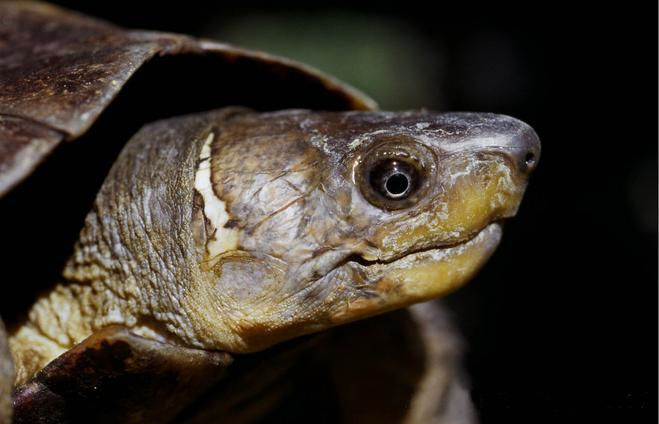


Wild animals in the Philippines need our protection and conservation efforts to thrive, let's do our part in preserving the natural habitats of these creatures...
The Philippines is one of the most exciting destinations for birdwatching in Asia, with over 700 recorded Philippine bird species across its islands. Remarkably, more than 240 species are endemic birds of the Philippines, meaning they exist nowhere else on Earth. From forest canopies to mountain ranges, the country’s diverse habitats support some of the most extraordinary birds in the region.