
Butterflies of the Philippines: A Guide to the Country’s Colorful Winged Wonders

A World of Color in the Tropics

The Philippines is a vibrant sanctuary for some of the most dazzling butterflies in the world. With its tropical climate, diverse ecosystems, and island geography, the country supports an incredible array of butterflies of the Philippines, making it one of Southeast Asia’s richest destinations for insect biodiversity.
Scientists have recorded over 900 Philippine butterfly species, many of which are endemic—found nowhere else on Earth. From lush rainforests and mountain slopes to coastal landscapes and even rural gardens, these tropical butterflies in the Philippines thrive in a wide range of habitats, adding bursts of color and life to every corner of the archipelago.
Beyond their beauty, butterflies play a crucial role in maintaining ecological balance. They serve as pollinators, helping plants reproduce, and act as biodiversity indicators, signaling the health of the environment. A thriving butterfly population often reflects a healthy ecosystem.
In this guide, we explore some of the most remarkable Philippine butterfly species, their habitats, and their importance to nature—while also examining the growing conservation challenges that threaten their survival in the wild.
Table of Contents - Butterflies of the Philippines
Why the Philippines Has So Many Butterflies
The Philippines is a global hotspot for butterfly diversity, and its remarkable abundance of species is no accident. A unique combination of climate, geography, and ecology has created ideal conditions for butterflies to thrive across the archipelago.
Tropical Climate Supporting Year-Round Life Cycles
The country’s warm, humid climate allows butterflies to breed throughout the year. Unlike temperate regions with seasonal die-offs, the Philippines provides continuous food and favorable conditions for all life stages—egg, caterpillar, chrysalis, and adult—supporting high population diversity.
Island Isolation Leading to Endemism
With over 7,600 islands, the Philippines has experienced long periods of geographic isolation. This has led to the evolution of endemic insects in the Philippines, including many butterfly species that exist nowhere else in the world. Each island or region can host its own unique variations shaped by local environments.
Rich Plant Diversity
Butterflies depend heavily on plants—for nectar as adults and specific host plants for caterpillars. The Philippines’ rich vegetation provides a wide variety of food sources, supporting different butterfly species with specialized diets. This close relationship between plants and insects is a key driver of tropical biodiversity.
Variety of Ecosystems
From lowland rainforests and mountain cloud forests to mangroves, grasslands, and coastal areas, the Philippines offers diverse habitats for butterflies. Each ecosystem supports different species, further enhancing the country’s reputation for exceptional butterfly diversity in the Philippines.
These factors make the Philippines one of the most important regions in the world for butterfly conservation and biodiversity.
Notable Butterfly Species
The Philippines is home to some of the most striking and diverse butterflies in Asia. From large, majestic species to smaller yet equally vibrant ones, these butterfly species in the Philippines highlight the country’s rich natural heritage and high level of endemism.
1. Golden Birdwing (Troides rhadamantus)
Habitat: Tropical forests across Luzon, Visayas, and Mindanao
Description: One of the largest butterflies in the Philippines, featuring bold black wings with golden-yellow markings
Significance: A protected species due to habitat loss, the Golden Birdwing is a symbol of conservation and one of the most iconic rare butterflies in the Philippines
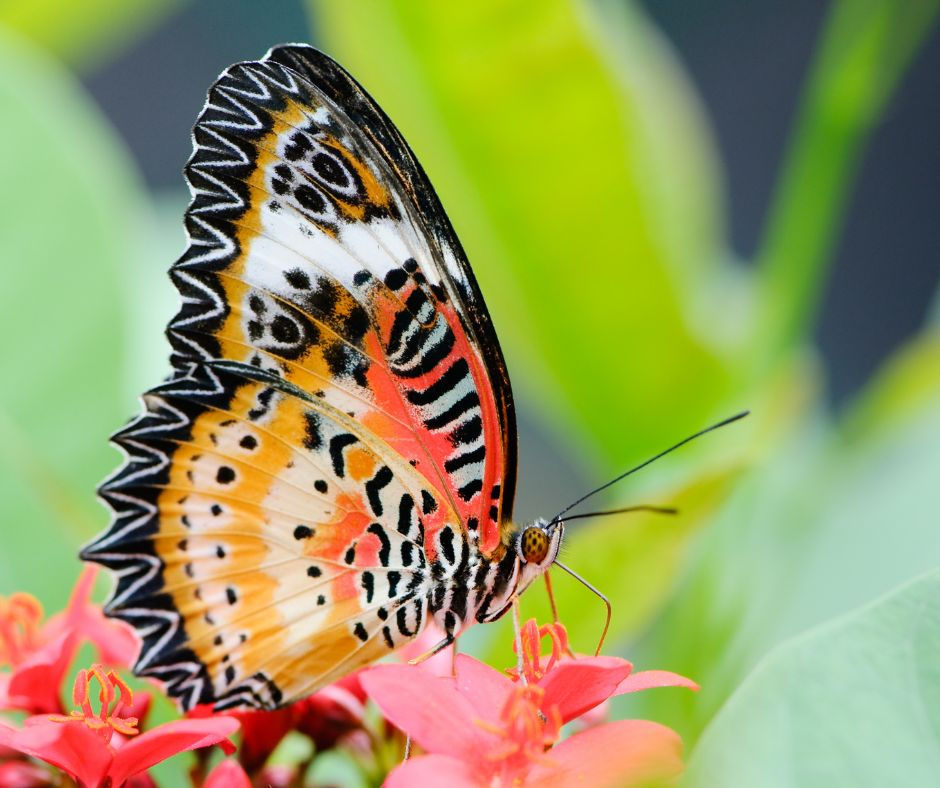
2. Philippine Lacewing (Cethosia luzonica)
Habitat: Forests and woodland areas in Luzon
Description: A Philippine endemic butterfly with bright orange wings accented by black and white patterns; its underside displays delicate, lace-like designs
Significance: Represents the unique beauty of endemic butterflies in the Philippines, found nowhere else in the world
3. Blue Nawab (Polyura schreiber)
Habitat: Lowland forests and forest edges
Description: Known for its striking blue and black coloration with white bands and tail-like extensions on its wings
Significance: A fast and agile flyer, often seen gliding through forest canopies, adding to the diversity of Philippine butterfly species
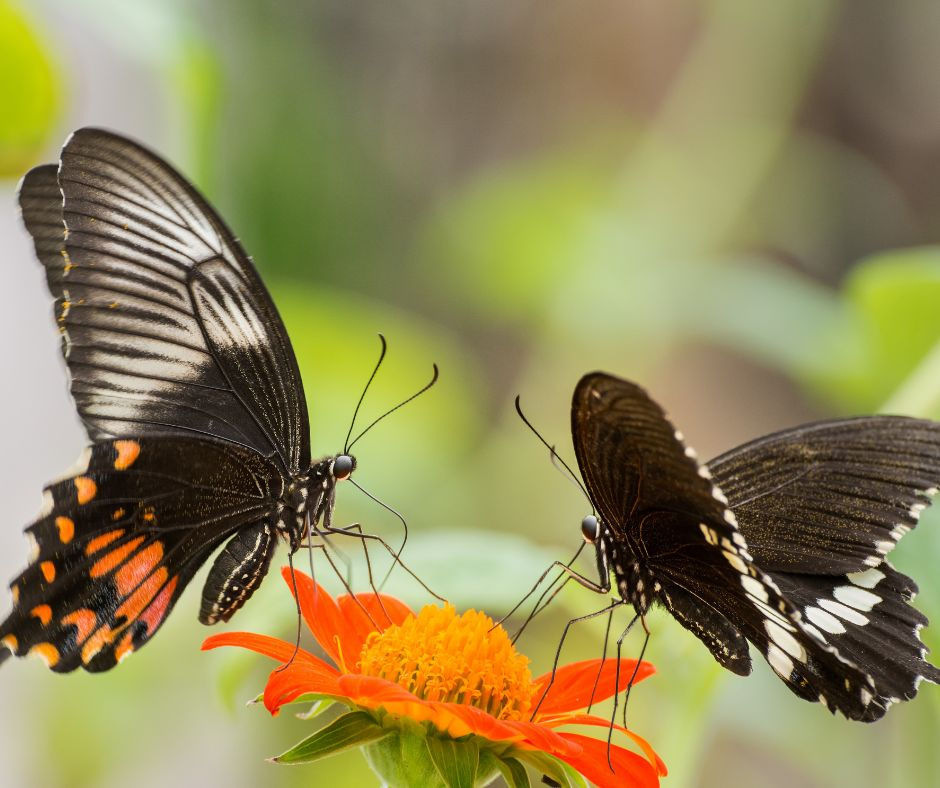
4. Common Mormon (Papilio polytes)
Habitat: Gardens, agricultural areas, and forest edges
Description: A black swallowtail butterfly with females that mimic toxic species for protection
Significance: A fascinating example of mimicry in nature, making it one of the most studied butterflies in the region
5. Lime Swallowtail (Papilio demoleus)
Habitat: Open areas, gardens, and citrus farms
Description: A medium-sized butterfly with cream and yellow patterns on dark wings
Significance: Highly adaptable and widespread, it thrives in both natural and human-modified environments, showcasing resilience among butterfly species in the Philippines
6. Common Rose (Pachliopta aristolochiae)
Habitat: Gardens, open fields, and forest edges across the Philippines
Description: Black wings with white spots and bright red body accents
Significance: A toxic species often mimicked by other butterflies, playing a key role in ecological defense strategies
7. Crimson Rose (Pachliopta hector)
Habitat: Lowland areas and cultivated landscapes
Description: Striking black wings with white patches and vivid crimson markings
Significance: Known for its slow, graceful flight and warning coloration that deters predators
8. Great Eggfly (Hypolimnas bolina)
Habitat: Coastal areas, gardens, and secondary forests
Description: Males display iridescent blue and white spots on dark wings, while females mimic toxic species
Significance: A classic example of sexual dimorphism and mimicry in Philippine butterfly species
9. Chocolate Pansy (Junonia iphita)
Habitat: Grasslands, open areas, and roadsides
Description: Brown wings with eye-like patterns that resemble owl eyes
Significance: Uses camouflage and eye spots to confuse predators, making it a fascinating species for ecological study
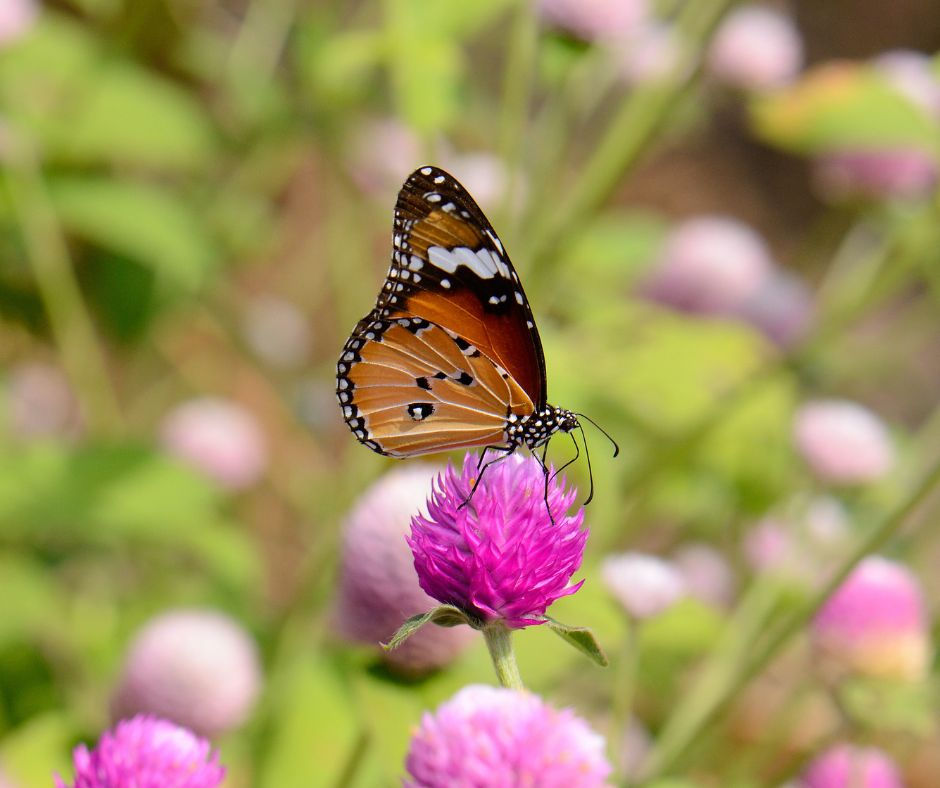
10. Plain Tiger (Danaus chrysippus)
Habitat: Open fields, coastal areas, and urban gardens
Description: Orange wings with black and white patterns, similar to monarch butterflies
Significance: A migratory and widespread species that plays an important role in pollination and serves as a model for mimicry studies

Butterfly Life Cycle – From Caterpillar to Winged Beauty
The transformation of a butterfly is one of nature’s most remarkable processes. Across the Philippines, this cycle unfolds continuously thanks to the country’s tropical climate. Understanding the butterfly life cycle in the Philippines reveals how these delicate insects survive, adapt, and thrive in diverse ecosystems.
Egg
The life cycle begins when a female butterfly lays tiny eggs on specific plants known as host plants. Each species selects plants that will provide the right nutrients for its young. These eggs are often placed on the underside of leaves for protection from predators and environmental stress.
Larva (Caterpillar)
Once hatched, the caterpillar enters a stage focused entirely on feeding and growth. It consumes the leaves of its host plant, storing energy for the next phase. This is one of the most critical butterfly development stages, as the caterpillar must grow rapidly while avoiding predators.
Pupa (Chrysalis)
After reaching full size, the caterpillar forms a chrysalis—a protective casing where metamorphosis in insects takes place. Inside, the caterpillar undergoes a complete transformation, reorganizing its body into the structure of a butterfly. This stage may last from days to weeks, depending on the species and environment.
Adult Butterfly
Emerging from the chrysalis, the adult butterfly expands and dries its wings before taking flight. At this stage, its primary roles are feeding on nectar, pollinating plants, and reproducing—ensuring the continuation of the cycle.
Importance of Host Plants
Host plants are essential to butterfly survival. Without them, caterpillars cannot develop, and entire species may decline. Protecting plant diversity directly supports butterfly development stages and overall biodiversity.
Role of Metamorphosis in Survival
Metamorphosis allows butterflies to occupy different ecological niches at each stage—caterpillars focus on feeding, while adults specialize in pollination and reproduction. This separation reduces competition for resources and increases survival rates.
From egg to winged beauty, the butterfly life cycle reflects resilience, adaptation, and the delicate balance of nature in the Philippines’ rich ecosystems.
Habitats of Butterflies in the Philippines
Butterflies in the Philippines thrive across a wide range of environments, each offering unique conditions for feeding, breeding, and survival. This diversity of tropical ecosystems in the Philippines is a key reason behind the country’s rich butterfly population. Understanding these habitats helps highlight the importance of protecting natural landscapes that sustain these delicate species.
Lowland Rainforests
Lowland rainforests are among the most important butterfly habitats in the Philippines. These dense, humid forests provide abundant host plants, flowering vegetation, and shaded environments ideal for both caterpillars and adult butterflies. Many rare and endemic species are found here, making these forests critical for biodiversity.
Montane and Cloud Forests
At higher elevations, cooler temperatures and mist-covered environments create unique conditions for butterflies. Montane and cloud forests support specialized species adapted to these climates. Although fewer in number compared to lowland species, these butterflies are often endemic and highly sensitive to environmental changes.
Grasslands and Farmlands
Open landscapes such as grasslands and agricultural areas also support a variety of butterfly species. These habitats are rich in flowering plants that provide nectar, attracting common and adaptable butterflies. Farmlands, when managed sustainably, can serve as important secondary habitats.
Coastal and Mangrove Areas
Butterflies are also found in coastal ecosystems, including mangroves and beachside vegetation. These areas provide specific host plants and nectar sources suited to salt-tolerant environments. While less diverse than forest habitats, they still play a role in supporting butterfly habitat in the Philippines.
From dense forests to open fields and coastal zones, butterflies depend on a network of interconnected habitats. Protecting these environments is essential to maintaining the balance of tropical ecosystems in the Philippines and ensuring the survival of its diverse butterfly species.

Role of Butterflies in the Ecosystem
Butterflies are more than just beautiful insects—they are essential contributors to ecological balance. Across the archipelago, the ecosystem role of butterflies supports plant life, wildlife interactions, and environmental monitoring. Understanding their function highlights why protecting butterfly pollinators in the Philippines is so important.
Pollination of Flowering Plants
Adult butterflies feed on nectar and, in the process, transfer pollen from one flower to another. While not as efficient as bees, they still play a valuable role in pollinating a wide range of plants—especially those that bloom during the day. This supports plant reproduction, genetic diversity, and the health of natural habitats.
Part of the Food Chain
Butterflies are a crucial link in the food web. Their eggs and caterpillars provide food for birds, reptiles, amphibians, and other insects. Adult butterflies are also prey for spiders and small predators. By supporting higher trophic levels, they help maintain balance within ecosystems.
Indicators of Environmental Health
Butterflies are highly sensitive to changes in temperature, habitat quality, and plant availability. Because of this, scientists use them as bioindicators—species that reflect the overall health of an ecosystem. A thriving butterfly population often signals a stable, biodiverse environment, while declines can indicate habitat loss or environmental stress.
Threats to Butterfly Populations
Despite their adaptability, butterflies in the Philippines face growing pressures that threaten their survival. These challenges are closely tied to environmental change and human activity, making butterfly conservation in the Philippines more important than ever.
Deforestation and Habitat Loss
The clearing of forests for agriculture, logging, and development removes critical habitats for butterflies. Many species depend on specific host plants found only in natural forests. When these habitats disappear, so do the butterflies that rely on them—placing several species among the endangered insects in the Philippines.
Pesticide Use
Widespread use of chemical pesticides in agriculture can be harmful to butterflies at every stage of their life cycle. Caterpillars feeding on treated plants may not survive, while adult butterflies are also affected by toxic residues. This reduces populations and disrupts local ecosystems.
Climate Change
Rising temperatures, shifting rainfall patterns, and extreme weather events are altering butterfly habitats. Changes in climate can affect plant growth, disrupt life cycles, and force species to migrate or adapt—often with limited success.
Urbanization
Expanding cities and infrastructure reduce green spaces and natural vegetation. As urban areas grow, butterflies lose access to food sources and breeding grounds. Fragmented habitats make it harder for populations to survive and reproduce.
These threats highlight the urgent need for stronger conservation efforts. Protecting habitats, reducing pesticide use, and promoting sustainable land practices are key steps toward safeguarding the future of butterflies in the Philippines.
Conservation Efforts in the Philippines
Protecting the country’s vibrant butterfly diversity requires a combination of habitat preservation, education, and community involvement. Across the archipelago, various initiatives are helping strengthen butterfly conservation in the Philippines while promoting sustainable interaction with nature.
Butterfly Sanctuaries and Eco-Parks
Butterfly sanctuaries and eco-parks serve as safe havens where butterflies can breed and thrive in controlled environments. These spaces also educate visitors about butterfly life cycles, host plants, and conservation practices, making them key centers for awareness and research.
Forest Protection Programs
Efforts to conserve forests—especially lowland and montane ecosystems—are critical to protecting natural butterfly habitats. Government agencies and environmental groups work to reduce deforestation, restore degraded areas, and safeguard biodiversity-rich regions.
Community-Based Conservation
Local communities play a vital role in conservation. Through education and livelihood programs, residents are encouraged to protect natural habitats and reduce harmful practices such as illegal logging and pesticide overuse. Community stewardship helps ensure long-term sustainability.
Role of Ecotourism
Responsible eco tourism in the Philippines’ natural areas supports conservation by generating income while promoting environmental awareness. Butterfly watching, nature tours, and visits to eco-parks encourage visitors to appreciate biodiversity while contributing to local conservation efforts.
Best Places to See Butterflies in the Philippines
The Philippines offers incredible opportunities for butterfly watching, from curated sanctuaries to untouched forest habitats. These destinations highlight the beauty of nature tourism in the Philippines while supporting conservation and environmental awareness.
1. Bohol Butterfly Sanctuary
Location: Bohol
Highlights: Guided tours, diverse butterfly species, educational exhibits
Why Visit: One of the most accessible places for butterfly watching in the Philippines, offering close encounters and insights into butterfly life cycles and conservation.
2. Palawan Rainforests
Location: Palawan
Highlights: High biodiversity, endemic butterfly species, pristine ecosystems
Why Visit: Known as the country’s “last ecological frontier,” Palawan offers some of the richest butterfly habitats in Southeast Asia.
3. Mount Makiling
Location: Laguna, Luzon
Highlights: Forest trails, research areas, diverse insect life
Why Visit: A well-known biodiversity hotspot, Mount Makiling is ideal for spotting both common and rare butterflies in a natural forest setting.
4. Mindanao Highlands
Location: Mindanao
Highlights: Endemic and high-altitude species, less crowded habitats
Why Visit: The cooler mountain climates support unique butterfly species rarely found elsewhere, making it a rewarding destination for serious nature enthusiasts.
These destinations showcase the incredible diversity of butterflies across the Philippines, offering unforgettable experiences for travelers while promoting conservation and nature tourism.

How You Can Help Protect Butterflies
Protecting butterflies in the Philippines doesn’t require large-scale action—small, consistent efforts can make a meaningful difference. By adopting simple practices at home and in your community, you can help protect butterflies in the Philippines and support healthier ecosystems.
Plant Butterfly-Friendly Gardens
Create spaces that attract and sustain butterflies by planting nectar-rich flowers and native host plants. Species like lantana, cosmos, and citrus plants provide food for both adult butterflies and caterpillars. This is a key step in eco-friendly gardening in the Philippines, helping restore habitats even in urban areas.
Avoid Pesticide Use
Reducing or eliminating chemical pesticides is essential. These substances can harm butterflies at every stage of their life cycle—from eggs and caterpillars to adults. Opt for natural pest control methods to maintain a safer environment for beneficial insects.
Support Conservation Groups
Many organizations in the Philippines work to protect butterflies and their habitats. Supporting these groups through donations, volunteering, or advocacy helps fund conservation programs, research, and education initiatives.
Promote Awareness
Sharing knowledge about the importance of butterflies encourages others to take action. Whether through social media, community activities, or educational efforts, raising awareness strengthens collective support for conservation.
Takeaway – Protecting Nature’s Living Art
Butterflies in the Philippines are more than fleeting bursts of color—they are vital threads in the country’s ecological fabric. From pollinating flowering plants to serving as indicators of environmental health, these delicate insects play an essential role in sustaining tropical ecosystems in the Philippines. Their presence reflects the richness of biodiversity, while their decline signals the need for urgent action.
Yet, this beauty is increasingly at risk. Habitat loss, pesticide use, climate change, and urbanization continue to threaten butterfly populations across the archipelago. Protecting them means safeguarding forests, preserving native plants, and supporting conservation initiatives that maintain the balance of nature.
For travelers and nature enthusiasts, responsible exploration is key. Choosing eco-friendly tours, respecting natural habitats, and promoting awareness can help ensure that these species continue to thrive. Every action—no matter how small—contributes to preserving the Philippines’ natural heritage.
To protect butterflies is to protect the very fabric of life in the Philippines.
Frequently Asked Questions
How many butterfly species are in the Philippines?
The Philippines is home to over 900 recorded butterfly species, making it one of the richest countries in Southeast Asia for butterfly diversity. Many of these species thrive in tropical forests, mountains, and coastal ecosystems across the archipelago.
What is the largest butterfly in the Philippines?
One of the largest butterflies found in the Philippines is the Golden Birdwing (Troides rhadamantus). Known for its impressive wingspan and striking black-and-gold coloration, it is among the largest butterflies in the world and is protected due to habitat loss.
Are there endemic butterflies in the Philippines?
Yes, the Philippines has many endemic butterfly species—meaning they are found nowhere else on Earth. Examples include the Philippine Lacewing (Cethosia luzonica) and several localized species that evolved due to the country’s island geography.
Where can I see butterflies in the Philippines?
You can see butterflies in places like the Bohol Butterfly Sanctuary, the Palawan Rainforests, Mount Makiling, and the Mindanao Highlands. These locations are known for their rich biodiversity and are ideal for butterfly watching in the Philippines.
Why are butterflies important?
Butterflies are important pollinators that help plants reproduce. They are also part of the food chain and serve as indicators of environmental health. A thriving butterfly population often reflects a healthy ecosystem, making them essential to biodiversity conservation.



The Philippines is home to such an incredible array of unique species, and this article highlights just how important butterflies are to the ecosystem - really informative read!
One of the largest butterflies found in the Philippines is the Golden Birdwing (Troides rhadamantus). Known for its impressive wingspan and striking black-and-gold coloration, it is among the largest butterflies in the world and is protected due to habitat loss.