
Philippine Chocolate: From Tablea to World-Class Cacao

A Hidden Gem of Filipino Flavor
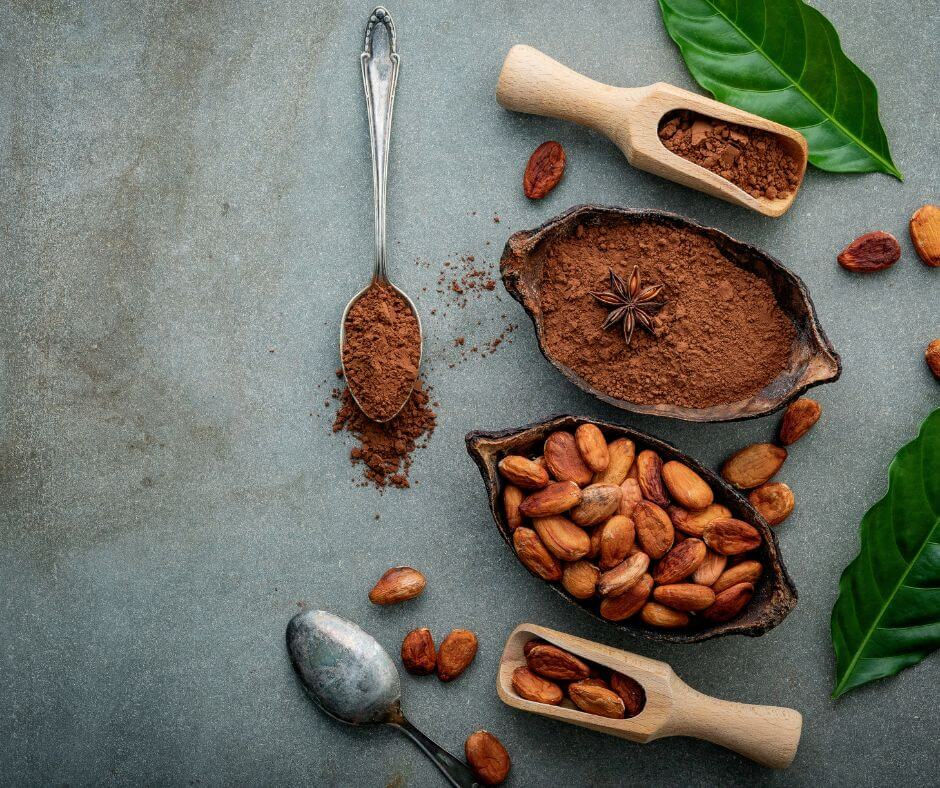
The aroma of freshly brewed tsokolate—made from pure tablea and whisked to a frothy richness—has a way of filling a room with warmth and nostalgia. It’s a scent that speaks of early mornings, family kitchens, and a tradition that has quietly endured for generations.
Philippine chocolate, often overlooked on the global stage, is rich, bold, and deeply authentic. Unlike mass-produced chocolate, it highlights the true character of cacao—earthy, slightly bitter, and naturally complex. At the heart of this tradition is tablea, simple discs of ground cacao that form the foundation of many Filipino chocolate drinks and desserts.
Rooted in centuries-old practices introduced during the Spanish colonial period, Philippine cacao has evolved into a growing industry gaining international recognition. From smallholder farms to award-winning craft chocolate makers, the country is slowly reclaiming its place in the global cacao map.
In this guide, we’ll explore the history, traditional process, flavor profiles, key regions, and the rise of modern Filipino chocolate—revealing why this humble ingredient is one of the Philippines’ most compelling culinary treasures.
Table of Contents - Philippine Chocolate
What Is Philippine Chocolate? (Tablea Explained)
Philippine chocolate is best understood through tablea—the traditional form of cacao that defines how Filipinos have enjoyed chocolate for generations. Simple, pure, and deeply rooted in culture, tablea reflects a more authentic way of experiencing cacao.
Tablea: Pure Cacao in Its Simplest Form
Tablea refers to small, round discs made from ground roasted cacao beans, often without additives. The beans are fermented, dried, roasted, and stone-ground before being molded into these rustic tablets. Unlike refined chocolate bars, tablea preserves the natural intensity of cacao.
Different from Commercial Chocolate
Philippine chocolate, especially in tablea form, contains little to no added sugar, making it richer and more robust in flavor. While commercial chocolate often emphasizes sweetness and smoothness, tablea highlights cacao’s earthy, slightly bitter, and complex profile—closer to its original state.
Used in Tsokolate and Traditional Dishes
The most iconic use of tablea is in tsokolate, a thick hot chocolate drink whisked with a batirol until frothy. It’s also used in beloved dishes like champorado (chocolate rice porridge) and in various desserts, sauces, and pastries.
A Staple in Filipino Daily Life and Culture
Beyond its culinary uses, tablea is part of everyday Filipino life—served during breakfast, merienda, or special gatherings. It carries a sense of tradition, often passed down through generations, making Philippine chocolate not just a food, but a cultural experience rooted in heritage and simplicity.
Brief History of Cacao in the Philippines
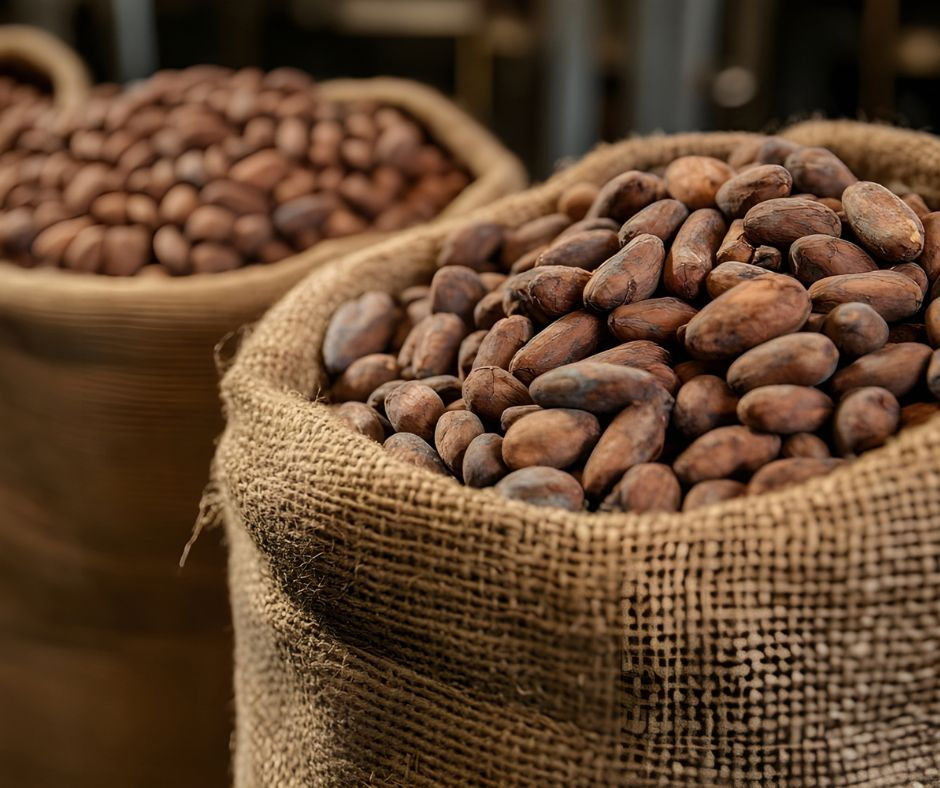
Cacao’s story in the Philippines begins during the Spanish colonial period, when it was introduced from Mexico and Latin America through the Manila–Acapulco Galleon Trade. Alongside other crops and culinary influences, cacao quickly found a place in local agriculture and daily life, especially as Spaniards popularized chocolate drinks among the elite.
Early cultivation took root in regions of Luzon and the Visayas, where the tropical climate proved ideal for growing cacao trees. Over time, Filipino communities adapted the crop into their own traditions, developing tablea and incorporating cacao into local dishes like tsokolate and champorado. What began as an imported ingredient gradually became part of Filipino food culture.
However, cacao production eventually declined due to competition from other crops, lack of investment, and shifting agricultural priorities. For decades, Philippine cacao remained largely small-scale and overlooked, despite its potential.
In recent years, a modern revival has brought cacao back into focus. Government support, private investment, and the rise of bean-to-bar chocolate makers have revitalized the industry. Regions like Davao are now leading the charge, producing high-quality cacao that is gaining international recognition.
Today, Philippine chocolate is experiencing a resurgence—blending tradition with innovation and positioning itself as a growing force in the global cacao market.
From Bean to Tablea – The Traditional Process
The journey from cacao tree to tablea is a hands-on, time-honored process that shapes the flavor and character of Philippine chocolate. Each step is essential, transforming raw beans into the rich, aromatic discs used in tsokolate and traditional dishes.
Harvesting Ripe Cacao Pods
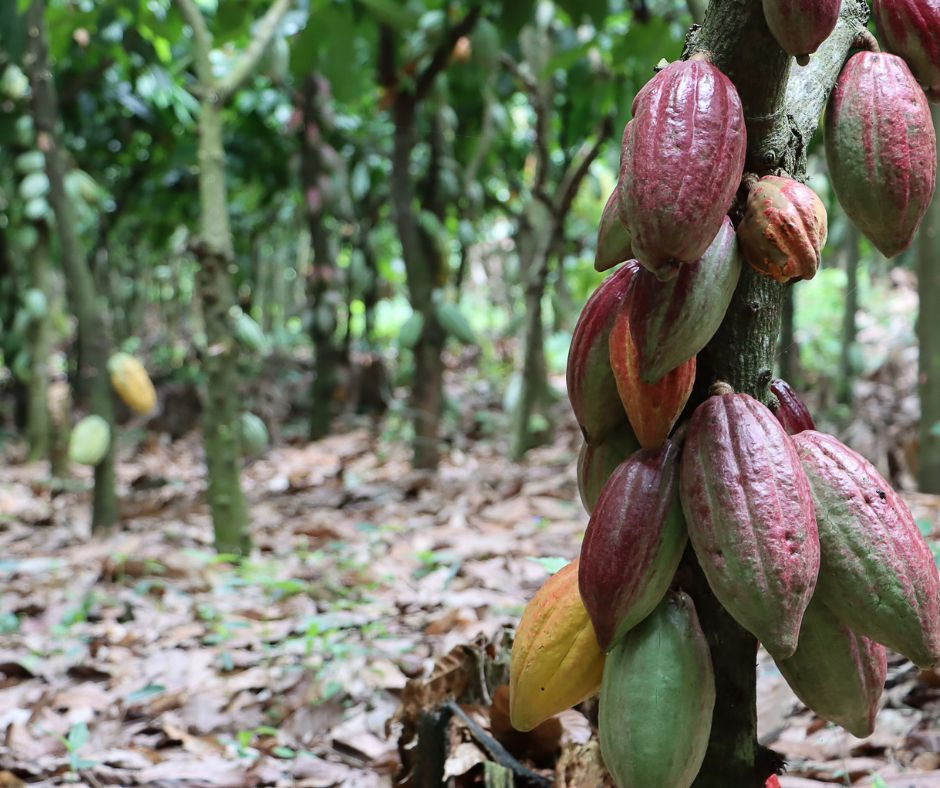
The process begins with carefully selecting fully ripened cacao pods, often identified by their bright yellow, orange, or red hues. Farmers harvest them by hand to avoid damaging the tree, then split them open to reveal the white, pulpy beans inside.
Fermentation – Developing Flavor Complexity
Fresh cacao beans are placed in wooden boxes or wrapped in banana leaves to ferment for several days. This crucial step develops the beans’ deep chocolate flavor, reducing bitterness while enhancing fruity and earthy notes. Without proper fermentation, cacao lacks its signature richness.
Sun-Drying the Beans
After fermentation, the beans are spread under the sun to dry for several days. This reduces moisture and further concentrates flavor. Farmers regularly turn the beans to ensure even drying, preserving quality and preventing spoilage.
Roasting and Grinding
Once dried, the beans are roasted to bring out their aroma and deepen their flavor profile. The roasted beans are then cracked and ground—traditionally using stone grinders—into a thick cacao paste. This paste contains natural cocoa butter, giving it a smooth, rich consistency.
Molding into Tablea Discs
The cacao paste is shaped into small, round tablets known as tablea. These discs are cooled and hardened, ready to be used in tsokolate or other Filipino dishes. Pure, simple, and minimally processed, tablea represents chocolate in its most authentic form.
Flavor Profile – What Makes Philippine Chocolate Unique
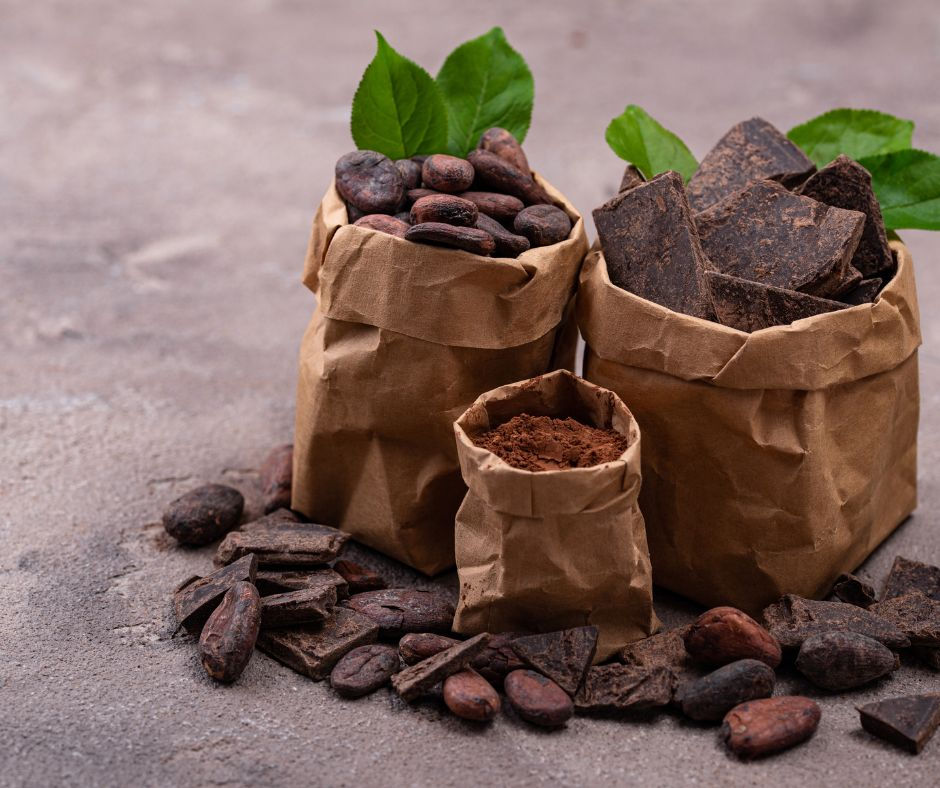
Philippine chocolate stands out for its authentic, unfiltered expression of cacao. Unlike heavily processed varieties, it highlights the natural complexity of the bean—resulting in a flavor profile that is bold, layered, and deeply satisfying.
Rich, Bold Cacao Intensity
At the forefront is a strong cacao-forward taste. Philippine chocolate, especially in tablea form, delivers a deep, robust flavor that reflects its high cacao content. It’s less about sweetness and more about the true essence of chocolate.
Earthy and Nutty Undertones
Beneath its intensity are subtle notes of earth, roasted nuts, and sometimes even hints of wood or spice. These undertones give the chocolate depth and character, making each sip or bite more complex.
Natural Sweetness with Slight Bitterness
Without excessive sugar, Philippine chocolate offers a balanced contrast—a gentle natural sweetness paired with a mild bitterness. This interplay creates a refined taste that lingers, rather than overwhelms.
Regional Flavor Variations (Terroir Influence)
Just like coffee or wine, cacao reflects its environment. Beans grown in Davao, Batangas, or the Visayas develop distinct flavor notes depending on soil, climate, and farming practices. This concept of terroir gives Philippine chocolate a diverse range of profiles, from fruity and bright to deep and earthy.
How Filipinos Enjoy Chocolate
In the Philippines, chocolate is not just a treat—it’s a daily ritual, a comfort food, and a cultural experience. From traditional preparations to modern café creations, Filipinos enjoy chocolate in ways that highlight both heritage and innovation.
Tsokolate (Hot Chocolate) – Whisked Using Batirol
The most iconic way to enjoy Philippine chocolate is tsokolate, made by dissolving tablea in hot water or milk. It is traditionally whisked using a wooden tool called a batirol, creating a rich, frothy drink. Thick, slightly bitter, and deeply satisfying, tsokolate is often paired with pan de sal or rice cakes for breakfast or merienda.
Champorado – Chocolate Rice Porridge
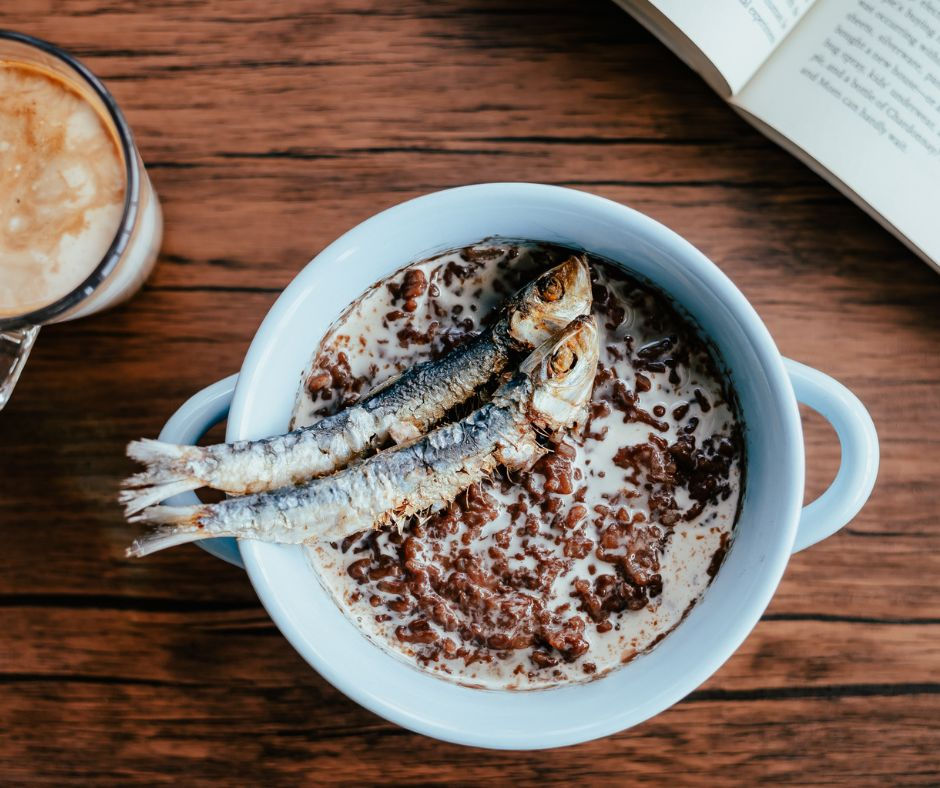
A beloved comfort dish, champorado combines glutinous rice and tablea to create a warm, chocolatey porridge. Often served with a drizzle of milk or paired with salty dried fish (tuyo), it perfectly balances sweet and savory flavors—making it a staple in Filipino households.
Tablea-Based Desserts – Cakes, Sauces, and Pastries
Beyond drinks, tablea is used in a variety of desserts. It adds depth to cakes, brownies, sauces, and traditional sweets, giving them a more authentic, less sugary chocolate flavor. Its versatility allows it to shine in both rustic and refined recipes.
Modern Café Drinks – Iced and Specialty Chocolate Beverages
Today, Filipino cafés are reimagining chocolate through iced tsokolate, chocolate lattes, and artisanal beverages. These modern interpretations blend traditional tablea with contemporary techniques, making Philippine chocolate accessible to a new generation of chocolate lovers.
Top Cacao-Producing Regions in the Philippines
The Philippines’ diverse geography and tropical climate make it an ideal place for growing cacao. Across the country, different regions contribute to the richness and variety of Philippine chocolate, each offering its own unique identity.
Davao Region – The Cacao Capital of the Philippines
The Davao Region is widely recognized as the country’s leading cacao producer. With fertile soil, consistent rainfall, and strong government and private sector support, Davao has become the center of the Philippines’ modern cacao industry. It is home to large plantations, smallholder farms, and award-winning bean-to-bar chocolate makers, producing high-quality cacao that competes on the global stage.
Batangas – Traditional Tablea Production
In Batangas, cacao is closely tied to tradition. Small-scale producers continue to make tablea using time-honored methods—roasting, grinding, and shaping cacao by hand. Batangas is known for its rich, rustic chocolate, often used in traditional tsokolate and local desserts.
Mindanao – Expanding Cacao Farms
Beyond Davao, other parts of Mindanao are rapidly expanding cacao cultivation. Regions are investing in sustainable farming practices and supporting local farmers, helping increase both production and quality. This growth positions Mindanao as a key player in the future of Philippine cacao.
Visayas – Emerging Artisan Producers
The Visayas is gaining attention for its small but growing number of artisan cacao producers. These makers focus on quality over quantity, producing distinctive chocolates that highlight regional flavors and craftsmanship.
The Rise of Filipino Craft Chocolate
Philippine chocolate is entering a new era—one defined by craftsmanship, quality, and global recognition. What was once a humble, local product is now being elevated through innovation and a renewed appreciation for cacao.
The Bean-to-Bar Movement
Filipino chocolate makers are embracing the bean-to-bar philosophy, controlling every stage of production—from sourcing cacao beans to crafting the final product. This hands-on approach ensures better quality, traceability, and a stronger connection between farmers and producers. It also highlights the story behind each bar, making chocolate more than just a product, but an experience.
Focus on Single-Origin Cacao
Many producers are now showcasing single-origin cacao, highlighting beans from specific regions like Davao or the Visayas. This allows the unique characteristics of each area—its soil, climate, and farming practices—to shape the flavor. Like fine wine or coffee, Philippine chocolate is now appreciated for its distinct regional profiles.
International Awards and Recognition
Filipino craft chocolate has begun earning global recognition, winning awards in international competitions. These achievements have put the Philippines on the map as an emerging leader in premium cacao production.
Growing Demand for Premium Filipino Chocolate
As consumers seek more sustainable and artisanal products, demand for high-quality Filipino chocolate continues to rise. Locally and globally, people are discovering its rich flavors, cultural depth, and commitment to ethical production.
Sustainability and Local Impact
The growth of Philippine chocolate is closely tied to its impact on people and the environment. Beyond flavor and craftsmanship, cacao represents an opportunity to build more sustainable and inclusive agricultural systems.
Supporting Local Farmers and Communities
Cacao farming in the Philippines is largely driven by smallholder farmers. By sourcing locally, chocolate makers help create stable incomes, strengthen rural economies, and empower farming communities. This direct support ensures that the benefits of the industry are shared more equitably.
Sustainable Farming Practices
Many cacao farms are adopting sustainable methods, including organic cultivation, reduced chemical use, and responsible land management. These practices not only improve soil health but also enhance the long-term quality of cacao production.
Ethical Sourcing and Fair Trade
The rise of craft chocolate has encouraged more transparent and ethical sourcing. Producers are working closely with farmers, offering fair prices and promoting better working conditions. This builds trust across the supply chain while ensuring higher-quality beans.
Agroforestry and Environmental Benefits
Cacao thrives under shade, making it ideal for agroforestry systems where it grows alongside other trees and crops. This approach supports biodiversity, reduces deforestation, and helps combat climate change by maintaining healthier ecosystems.
Where to Experience Philippine Chocolate
To truly appreciate Philippine chocolate, it’s best experienced where it’s grown, crafted, and served. Across the country, there are immersive ways to explore cacao—from farm to cup.
Local Cacao Farms and Tours
Visiting a cacao farm offers a firsthand look at how chocolate begins. In regions like Mindanao and parts of Luzon, guided tours walk you through harvesting, fermentation, drying, and tablea-making. These experiences connect you directly with farmers and deepen your appreciation for the craft behind every cup of tsokolate.
Specialty Cafés and Chocolate Shops
In major cities, a growing number of cafés and boutiques now highlight Filipino bean-to-bar chocolate. These spaces serve everything from traditional tsokolate to modern chocolate drinks and desserts, often featuring single-origin cacao. It’s one of the easiest ways to taste the diversity of Philippine chocolate in one place.
Davao Chocolate Experiences
As the cacao capital of the Philippines, Davao offers some of the most immersive chocolate experiences. Visitors can explore cacao plantations, attend tastings, and learn about the region’s role in the country’s chocolate revival. Some destinations even offer hands-on workshops, allowing guests to create their own tablea.
Filipino Restaurants Serving Traditional Tsokolate
Many Filipino restaurants continue to serve authentic tsokolate, often prepared using tablea and a batirol. Paired with local breads or rice cakes, this experience brings you closer to the traditional roots of Philippine chocolate—simple, rich, and deeply cultural.
Wherever you go, experiencing Philippine chocolate is not just about taste—it’s about discovering the stories, people, and traditions behind every cup and bite.

Takeaway – A Taste of Filipino Heritage
Philippine chocolate is a story of richness, tradition, and rediscovery. From the humble tablea to award-winning craft bars, it reflects a deep-rooted culture shaped by history, craftsmanship, and the land itself. Its bold flavors and time-honored methods set it apart—offering a chocolate experience that is both authentic and distinctly Filipino.
Beyond taste, cacao plays an important role in supporting local farmers, strengthening communities, and driving a growing industry with global potential. As demand for sustainable and high-quality chocolate rises, the Philippines is steadily claiming its place on the world stage.
In every cup of tsokolate and every piece of tablea, there is more than flavor—there is identity. Philippine chocolate is not just a taste of the past; it is a promise of the future, where heritage and innovation come together in every bite.
Frequently Asked Questions
What is tablea chocolate?
Tablea is traditional Philippine chocolate made from pure ground cacao beans formed into small, round discs. It contains little to no additives, preserving the natural richness and intensity of cacao. Tablea is most commonly used to make tsokolate, the country’s signature hot chocolate.
Is Philippine chocolate good quality?
Yes. Philippine chocolate is increasingly recognized for its high quality and unique flavor profiles. With proper fermentation and growing craft chocolate movements, many Filipino brands now produce award-winning, world-class cacao products.
Where can I buy Philippine chocolate?
You can find Philippine chocolate in local markets, specialty cafés, chocolate shops, and supermarkets across the country. It is also available online through Filipino brands, especially those offering bean-to-bar products.
What is tsokolate?
Tsokolate is a traditional Filipino hot chocolate made by melting tablea in hot water or milk. It is whisked using a wooden tool called a batirol, creating a rich, slightly bitter, and frothy drink often enjoyed with bread or rice cakes.
How is it different from Western chocolate?
Philippine chocolate is typically less sweet and more cacao-forward than Western chocolate. It highlights earthy, nutty, and slightly bitter notes, focusing on the pure flavor of cacao rather than heavy sugar and additives.



Philippine chocolate has such a rich history and culture, it's amazing to see it get the recognition it deserves...
Philippine chocolate stands out for its authentic, unfiltered expression of cacao. Unlike heavily processed varieties, it highlights the natural complexity of the bean—resulting in a flavor profile that is bold, layered, and deeply satisfying.