
Souvenirs to Buy in the Philippines: The Ultimate Pasalubong Guide

Bringing Home a Piece of the Philippines
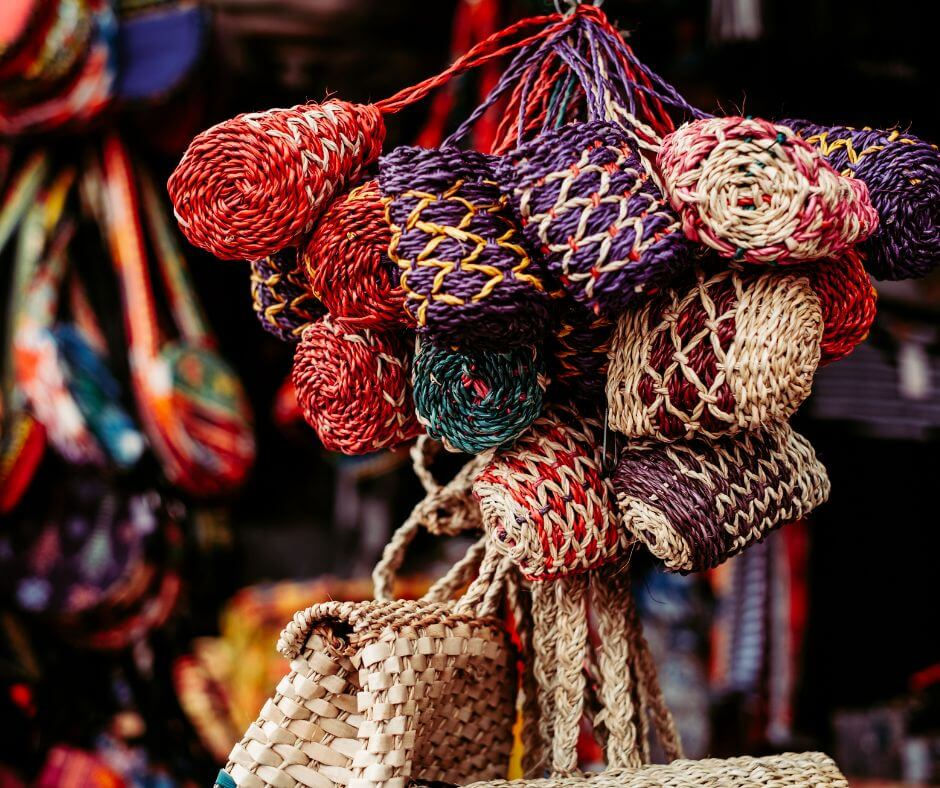
No trip to the Philippines is complete without bringing home a meaningful souvenir—locally known as pasalubong. More than just a simple gift, pasalubong is a deeply rooted Filipino tradition that reflects thoughtfulness, connection, and the joy of sharing experiences with loved ones.
In Filipino culture, giving pasalubong is a way of saying “I remembered you while I was away.” Whether it’s a box of local delicacies, a handcrafted item, or something uniquely regional, these Philippine gifts carry stories and memories from your journey. This tradition makes souvenir shopping not just a task, but a meaningful part of travel.
The Philippines offers an incredible variety of items to choose from. From delicious treats like dried mangoes and local coffee, to handwoven crafts, stylish accessories, and traditional clothing, there’s no shortage of options when deciding what to buy in the Philippines. Each item reflects the country’s rich culture, creativity, and local craftsmanship.
As you explore the best souvenirs Philippines has to offer, you’ll discover that every piece of Philippines pasalubong is more than just a keepsake—it’s a connection to the people, places, and experiences that made your trip unforgettable.
Table of Contents - Souvenirs to Buy in the Philippines
What is “Pasalubong”? Understanding Filipino Gift Culture
The term pasalubong comes from the Filipino word “salubong,” meaning “to welcome” or “to receive.” In simple terms, the pasalubong meaning refers to gifts or souvenirs brought home for family, friends, or colleagues after a trip. But beyond its literal definition, pasalubong represents a deeply rooted cultural practice in the Philippines.
As part of Philippines traditions, pasalubong reflects the Filipino value of thoughtfulness and connection. It’s not about the price or size of the gift—it’s the gesture that matters. Bringing something back shows that you remembered your loved ones while you were away, strengthening relationships and maintaining social bonds.
In everyday life, this practice plays an important role in Filipino culture gifts. Whether it’s a simple snack from a nearby town or a handcrafted item from a distant province, pasalubong is a way of sharing experiences. It turns travel into something communal, where memories are not just kept—but given.
Ultimately, pasalubong is more than a souvenir—it’s a meaningful expression of care, tradition, and Filipino hospitality.

Top Souvenirs to Buy in the Philippines
Handwoven Products (Abaca, Banig, Rattan)
Among the most authentic Filipino handicrafts, handwoven products made from abaca, banig, and rattan beautifully showcase the country’s rich tradition of craftsmanship. These natural materials are sustainably sourced and transformed into a wide range of functional and decorative items.
Abaca fibers are commonly used to create durable and stylish bags, often seen in both casual and high-end designs. Banig, a traditional woven mat, is known for its vibrant colors and intricate patterns, reflecting regional artistry across the Philippines. Meanwhile, rattan is widely used for baskets, home décor, and furniture pieces that bring a touch of tropical elegance into any space.
What makes these items special is the cultural story behind each piece. Many are handcrafted by local artisans using techniques passed down through generations, making every product unique.
For travelers looking for meaningful souvenirs, these handwoven goods are more than just items—they represent heritage, sustainability, and the enduring creativity of Filipino communities.
Dried Mangoes – Sweet and Iconic
No list of souvenirs is complete without the country’s most famous treat—dried mango Philippines. Known for their perfect balance of sweetness and tanginess, these chewy slices are a favorite among travelers and locals alike.
The best dried mangoes come from Cebu, where the fruit is carefully selected and processed to preserve its natural flavor. Cebu has built a global reputation for producing high-quality dried mangoes, making them one of the most recognizable Filipino food souvenirs.
One of the reasons dried mangoes are so popular is their convenience. They are lightweight, easy to pack, and have a long shelf life—making them ideal for bringing home as pasalubong. Available in a variety of brands and packaging sizes, they’re perfect for sharing with family and friends.
For travelers wondering what to buy in the Philippines, dried mangoes offer a simple yet authentic taste of the islands—sweet, memorable, and undeniably Filipino.
Filipino Pearls – Elegant and Valuable
Among the most prized souvenirs in the country, Philippine pearls are known worldwide for their exceptional quality and natural beauty. Sourced primarily from Palawan, these South Sea pearls are considered some of the finest in the world—valued for their size, luster, and smooth surface.
What makes Filipino pearls special is their variety. You can find classic white pearls, rare golden hues, and even darker tones, each offering a unique elegance. They are crafted into necklaces, earrings, bracelets, and rings, making them a timeless and meaningful keepsake or gift.
While pearls can range from affordable to high-end luxury pieces, there are options available for different budgets, especially when purchased from reputable local shops or pearl farms. For travelers looking for something both beautiful and lasting, pearls represent more than just jewelry—they are a symbol of the Philippines’ rich marine heritage.
As a souvenir, Filipino pearls combine sophistication, authenticity, and cultural value—making them one of the most memorable items you can bring home.

Wooden Handicrafts – Sculptures and Décor
Among the most distinctive wood crafts Philippines offers are its beautifully carved wooden handicrafts. From detailed sculptures and tribal masks to home décor and religious figures, these items reflect the country’s deep artistic heritage and skilled craftsmanship.
Filipino artisans work with locally sourced woods such as narra, acacia, and mahogany—carefully shaping each piece by hand. Many carvings are inspired by indigenous culture, nature, and spiritual traditions, making them not only decorative but also meaningful. Popular items include animal figures, ancestral designs, and the well-known “barrel man,” a playful and iconic Filipino souvenir.
What sets these wooden crafts apart is the attention to detail and the individuality of each piece. No two carvings are exactly alike, giving each item its own character and story.
For travelers looking to bring home something artistic and culturally rich, wooden handicrafts are a perfect choice—combining tradition, creativity, and timeless appeal in one unique souvenir.
Jeepney Miniatures – A Cultural Icon in Mini Form
Few items capture the spirit of the Philippines quite like a jeepney souvenir. Jeepneys—colorful, creatively decorated public vehicles—are one of the country’s most recognizable cultural symbols, representing Filipino ingenuity, resilience, and everyday life.
Miniature jeepneys bring this iconic image to life in a fun and collectible form. Often handcrafted or hand-painted, these small replicas feature vibrant colors, chrome details, and personalized designs that mirror the real vehicles seen on Philippine streets. Each piece reflects the creativity and individuality that jeepneys are known for.
What makes jeepney miniatures especially appealing is their accessibility. They are affordable, lightweight, and easy to pack—making them perfect for travelers looking for a meaningful yet practical keepsake.
More than just a decorative item, a jeepney miniature tells a story of culture and identity. It’s a simple but powerful reminder of the Philippines—colorful, lively, and full of character.
Filipino Coffee (Barako, Local Beans) – Bold and Distinctive
For coffee lovers, bringing home Barako coffee Philippines is one of the most authentic and flavorful souvenirs you can find. Known locally as kapeng barako, this strong and aromatic coffee is a specialty of Batangas and is made from Liberica beans—one of the rarest coffee varieties in the world.
What sets Barako coffee apart is its bold taste and intense aroma, often described as richer and more robust than typical Arabica blends. It reflects the country’s long-standing coffee culture, particularly in Batangas, where coffee farming has been part of local heritage for generations.
Beyond Barako, the Philippines also produces other coffee varieties from regions like Benguet, Sagada, and Mindanao—offering a range of flavors from smooth and fruity to deep and earthy. These locally sourced beans are often packaged beautifully, making them ideal for gifting.
As a souvenir, Filipino coffee is both practical and meaningful—allowing you to bring home not just a product, but a daily reminder of your travels in the Philippines.

Capiz Shell Crafts – Coastal Elegance in Every Piece
Among the most distinctive capiz shell products, these handcrafted items reflect the Philippines’ coastal heritage and artistic flair. Made from the translucent shells of windowpane oysters, Capiz shells are prized for their soft, luminous quality—often used to create elegant home décor.
Common items include lamps, chandeliers, wind chimes, and decorative ornaments. When lit, Capiz shell lamps emit a warm, ambient glow, adding a refined tropical touch to any space. Smaller items like jewelry boxes and hanging décor pieces are also popular as souvenirs.
These crafts are traditionally produced in regions like Capiz, where artisans carefully clean, shape, and assemble each shell by hand. The result is a product that blends natural beauty with skilled craftsmanship.
Lightweight and visually striking, Capiz shell crafts are ideal for travelers seeking something elegant and uniquely Filipino. They serve as a beautiful reminder of the country’s coastal landscapes and enduring artistry
Coconut-Based Products – Natural and Versatile
The Philippines is one of the world’s leading producers of coconuts, making coconut products Philippines a natural and meaningful choice for souvenirs. Known as the “Tree of Life,” the coconut is used in countless ways—from food and beauty to home décor and crafts.
One of the most popular items is virgin coconut oil, valued for its many uses in skincare, hair care, and cooking. It’s often sold in compact, travel-friendly bottles, making it easy to bring home. Coconut-based soaps, lotions, and beauty products are also widely available, offering a natural and eco-friendly alternative to commercial brands.
Beyond oils and beauty items, coconut shells are transformed into handcrafted bowls, cups, and utensils. These pieces are not only sustainable but also uniquely designed, showcasing Filipino creativity and resourcefulness.
For travelers looking for something practical, eco-conscious, and distinctly local, coconut-based products are an excellent choice—combining everyday functionality with a touch of tropical authenticity.
Local Snacks & Delicacies – Sweet and Savory Pasalubong
No trip is complete without bringing home a taste of the islands, and Filipino snacks pasalubong are among the most loved souvenirs. These treats are easy to pack, budget-friendly, and perfect for sharing with family and friends.
Among the most popular is polvoron, a crumbly milk-based shortbread that comes in a variety of flavors such as classic, cookies and cream, and pinipig. It’s a staple pasalubong item and widely available across the country. Another favorite is otap, a crispy, sugar-coated pastry from Cebu known for its delicate, flaky layers and light sweetness.
For something crunchy and naturally sweet, banana chips are a go-to option. Made from locally grown bananas, they are lightly fried and coated with sugar for a satisfying snack that travels well.
These local delicacies capture the flavors of the Philippines in every bite—making them simple yet meaningful souvenirs that bring a taste of your journey back home.

Traditional Clothing (Barong & Filipiniana) – Timeless Cultural Attire
For a meaningful and elegant keepsake, traditional Filipino clothing offers a deeper connection to the country’s heritage. The barong tagalog souvenir is one of the most iconic pieces—a lightweight, embroidered formal shirt traditionally worn by men. Often made from delicate fabrics like piña (pineapple fiber) or jusi, the barong reflects craftsmanship and cultural pride.
For women, the Filipiniana or terno is equally striking, known for its butterfly sleeves and graceful silhouette. These garments are often worn during formal events, celebrations, and cultural occasions, symbolizing Filipino identity and tradition.
What makes these items special is the intricate hand embroidery and the use of natural materials, showcasing the artistry passed down through generations. While some versions can be quite luxurious, there are also more affordable, modern adaptations available for travelers.
As a souvenir, traditional clothing is more than just fashion—it’s a wearable piece of history, representing the elegance, culture, and timeless style of the Philippines.
Best Places to Buy Souvenirs in the Philippines
Knowing where to buy souvenirs Philippines can make your pasalubong shopping easier and more enjoyable. Here are the best places to explore:
1. Local Markets – Authentic and Affordable
Local markets are perfect for finding handmade crafts, regional delicacies, and unique items at lower prices. These markets often showcase products made by local artisans, giving you a more authentic shopping Philippines experience.
2. Airport Souvenir Shops – Convenient and Quick
If you’re short on time, airport shops offer a wide selection of popular souvenirs like dried mangoes, handicrafts, and packaged gifts. While prices may be slightly higher, the convenience is unmatched.
3. Shopping Malls (SM, Ayala) – Comfortable and Varied
Major malls such as SM Supermalls and Ayala Malls provide a wide range of options—from local brands to premium souvenir stores—all in a comfortable, air-conditioned setting.
4. Specialty Stores – High-Quality and Curated
For unique and well-crafted items, specialty shops focus on quality, sustainability, and design. These are ideal for finding meaningful, long-lasting Philippine gifts.

Tips for Buying Souvenirs
Shopping for pasalubong can be both fun and meaningful—especially when you know how to choose wisely. These practical shopping tips Philippines will help you make the most of your experience while following a smart souvenir shopping guide.
1. Check for Authenticity
Look for locally made products and verify their origin. Authentic items—like handwoven crafts or regional delicacies—carry more cultural value and ensure you’re getting a genuine piece of the Philippines.
2. Support Local Artisans
Whenever possible, buy directly from local markets or small shops. This helps support Filipino communities and preserves traditional craftsmanship passed down through generations.
3. Pack Fragile Items Properly
Items like Capiz shell décor or wooden crafts can be delicate. Use protective wrapping, bubble wrap, or place them in your carry-on luggage to avoid damage during travel.
4. Compare Prices
Prices can vary depending on location, especially between markets, malls, and airports. Take time to compare options to get the best value without compromising quality.
By following these tips, you’ll not only shop smarter—you’ll bring home souvenirs that are meaningful, authentic, and worth keeping.
What to Avoid Buying
When shopping for pasalubong, it’s important to follow Philippines travel rules souvenirs to avoid legal issues and help protect the country’s natural and cultural heritage.
1. Protected Wildlife Products
Avoid items made from endangered animals, such as shells, skins, or bones of protected species. These are strictly prohibited and may be confiscated at the airport.
2. Illegal Coral and Shell Items
While they may look beautiful, many corals and certain shells are protected. Taking them—even as small souvenirs—can harm marine ecosystems and violate environmental laws.
3. Restricted Exports
Be cautious when buying antiques, cultural artifacts, or rare natural materials. Some items require permits before they can be taken out of the country.
Choosing responsibly ensures your souvenirs are meaningful, legal, and environmentally friendly.
Takeaway – Take the Philippines Home with You
Bringing home souvenirs from your trip is more than just a shopping experience—it’s a way to carry the spirit of the Philippines with you. Each item, whether it’s a handcrafted piece, a local delicacy, or a traditional garment, reflects the rich culture and creativity behind souvenirs Philippines is known for.
What makes these Filipino gifts truly special is their meaning. They represent connections—between places you’ve explored, people you’ve met, and memories you’ve created along the way. Choosing thoughtful, authentic souvenirs allows you to share your journey with others while supporting local communities and preserving traditional craftsmanship.
As you select your pasalubong, think beyond the item itself. Consider the story it tells—the hands that made it, the region it came from, and the experience it represents. These details turn simple purchases into lasting memories.
In the end, the best souvenirs aren’t just things you bring home—they’re reminders of a place that stays with you long after the journey ends.

Frequently Asked Questions
What is the best souvenir from the Philippines?
The best souvenir depends on your preference, but popular choices include Filipino pearls, dried mangoes, handwoven crafts, and local coffee. These items reflect the country’s culture, craftsmanship, and flavors—making them meaningful keepsakes or gifts.
What food can I bring home from the Philippines?
Travelers commonly bring home non-perishable treats such as dried mangoes, polvoron, otap, banana chips, and local coffee. These are part of the traditional pasalubong and are easy to pack. Always check your destination country’s customs rules for food imports before traveling.
Are souvenirs cheap in the Philippines?
Yes, many souvenirs in the Philippines are affordable, especially when purchased from local markets. Prices can vary depending on the item and location, with handmade crafts and specialty goods sometimes costing more due to their quality and craftsmanship.
What is pasalubong?
Pasalubong is a Filipino tradition of bringing home gifts for family, friends, or colleagues after a trip. It symbolizes thoughtfulness and connection, turning travel into a shared experience through meaningful souvenirs.



And the best part is, you get to share the story of your journey with your loved ones through the souvenirs you bring home, which is truly a memorable experience...