
Waterfalls of Mindanao – Hidden Beauties of the Southern Philippines

Discovering the Natural Wonders of Mindanao

Mindanao, the second largest island in the Philippines, is a treasure trove of untamed landscapes, rich cultures, and natural beauty waiting to be explored. Among its most breathtaking features are its waterfalls—cascading wonders tucked away in deep valleys, hidden forests, and towering cliffs. These natural attractions are more than just scenic spots; they are living testaments to the island’s geological diversity and enduring connection to nature.
Perhaps no place captures this magic more than Iligan City, famously dubbed the “City of Majestic Waterfalls.” With a number of over 20 documented falls in and around the area—including the iconic Tinago Falls and Maria Cristina Falls—Iligan sets the tone for a broader journey across Mindanao’s waterfalls.
This blog will take you through some of the most beautiful and hidden waterfalls of Mindanao, each with its own story, ecosystem, and allure. Whether you’re a local traveler seeking adventure or an international tourist craving tropical discovery, prepare to dive into the island’s refreshing landscapes and support local tourism along the way.
Tagline: From well-known cascades to secret streams deep in the jungle, Mindanao’s waterfalls are more than just sights to see—they are wonders to experience.
Top Must-See Waterfalls in Mindanao
Mindanao is home to a breathtaking collection of waterfalls, each one offering its own unique blend of natural wonder, height, power, and hidden beauty. From iconic giants to remote marvels, here are some of the must-see waterfalls of Mindanao:
Tinago Falls (Iligan City, Lanao del Norte)
Hidden deep in a forested ravine and accessible by descending over 400 steps—with some visitors counting as many as 500 steps—Tinago Falls lives up to its name—“tinago” meaning hidden in Filipino.
Crystal-clear, icy blue waters cascade into a deep basin ideal for swimming.
Surrounded by lush greenery, the falls offer a peaceful, almost mystical ambiance.
A top highlight of local tourism in Lanao del Norte, perfect for travelers seeking beauty off the beaten path.
Maria Cristina Falls (Iligan City, Lanao del Norte)
Dubbed the “twin falls”, this majestic and powerful waterfall is one of the most iconic in the Philippines.
It is the primary source of hydroelectric power for Northern Mindanao.
Towering at 98 meters high, it’s a symbol of both natural beauty and industrial strength.
Easily accessible from Iligan City, making it a popular stop for visitors.
Tinuy-an Falls (Bislig City, Surigao del Sur)
Often called the “Niagara Falls of the Philippines”, Tinuy-an Falls is a wide, curtain-like cascade that is both stunning and accessible.
Spanning about 95 meters wide and 55 meters high, it is one of the widest waterfalls in the country.
Mornings are magical—sunlight creates rainbows in the mist.
Great for photography, picnics, shallow wading, and you can swim in the natural pool at the base of the falls.
Asik-Asik Falls (Alamada, North Cotabato)
Unlike traditional waterfalls, Asik-Asik is a curtain of water emerging from a moss-covered wall—no river source in sight!
Its surreal beauty has drawn attention as a new tourism destination in Mindanao.
Remote and relatively untouched, perfect for nature lovers and adventurous travelers.
Getting there involves a trek, adding to the sense of discovery.
Aliwagwag Falls (Cateel, Davao Oriental)
Reputed as the highest waterfall in the Philippines, Aliwagwag Falls features over 130 cascading steps, blending beauty with raw power.
Surrounded by thick forest and wildlife, it’s a fantastic eco-tourism site.
There’s a hanging bridge and zip line for adventure seekers.
Ideal for travelers wanting to immerse in both nature and local culture.

How to Get There and What to Expect
Exploring the majestic waterfalls of Mindanao is a journey that blends adventure with the serene beauty of nature. While some are easily accessible from cities, others require effort—but the reward is always worth it.
Getting There: Transportation Tips by Area
Iligan City – Gateway to Tinago & Maria Cristina Falls
By Air: Fly into Laguindingan Airport (CDO), about 1.5 hours from Iligan by bus or van.
By Land: Direct buses from Cagayan de Oro and Ozamiz.
Local jeepneys or habal-habal (motorbike taxis) are common ways to reach the falls.
Bislig City – Tinuy-an Falls
Nearest airport: Davao or Butuan, then 4–6 hours by land.
Vans, buses, and tricycles are available from city centers to the jump-off point.
Roads can be bumpy, so plan ahead.
North Cotabato – Asik-Asik Falls
Accessible from Cotabato City or Davao City via Midsayap and Alamada.
Final leg involves a rough road ride and a trek downhill. Local guides available at the barangay tourism office.
Davao Oriental – Aliwagwag Falls
From Davao City, travel to Cateel via Compostela Valley (6–7 hours).
Buses and private vans available; road conditions have improved.
Signages and bridges along the Aliwagwag Eco Park trail make the falls easier to find.
What to Expect When You Arrive
Entry Fees: Most sites charge ₱20–₱100 per person. Eco parks may charge more if they offer added amenities like zip lines or guided tours.
Tourism Offices & Guides: Local tourism desks are often located at the entry point or barangay halls. Hiring a local guide not only ensures safety but supports community-based tourism.
Facilities: Some locations have restrooms, cottages, and picnic areas; others are more rugged and remote.
What to Bring
Water shoes or sandals with grip – trails can be muddy or slippery.
Light, breathable clothing and an extra change of clothes—waterfalls = splash zone!
Waterproof bags or dry sacks to protect phones and cameras.
Snacks and water, especially in remote areas.
Most importantly, bring a deep appreciation for nature’s beauty and a sense of adventure.

Best Times to Visit the Waterfalls of Mindanao
With its tropical climate and stunning landscapes, Mindanao offers breathtaking waterfalls year-round. However, timing your visit can make a big difference in terms of safety, scenery, and crowd levels. Whether you’re chasing dramatic flows or tranquil pools, knowing when to go ensures a more enjoyable and awe-inspiring experience.
Ideal Months: December to May (Dry Season)
The best time to explore the waterfalls of Mindanao is during the dry season, from December to May. During these months, trails are more accessible, river currents are gentler, and visibility is clearer for scenic views and photography.
Tinago Falls and Maria Cristina Falls in Lanao del Norte, for example, showcase their full glory with deep turquoise waters under the sun.
Tinuy-an Falls in Surigao del Sur often displays early morning rainbows in dry months due to mist and sunlight—an ideal time for that postcard-perfect shot.
Avoiding the Rainy Season (June to November)
While the waterfalls can be even more powerful during the wet season, this comes with risks:
Flash floods, slippery trails, and strong water currents can pose serious safety concerns.
Some sites may temporarily close due to weather-related hazards.
Road access to more remote falls like Asik-Asik or Aliwagwag may be limited during heavy rain.
If you plan to visit during this time, always check with local tourism offices for the latest advisories.
Best Times of Day: Sunrise to Mid-Morning
For fewer people and dramatic light, visit waterfalls early in the morning:
Mornings offer cooler temperatures, better lighting for photography, and often misty views that enhance the magical atmosphere.
Avoid midday heat, especially when trekking to falls like Aliwagwag or Asik-Asik.
Sunset visits can be peaceful, but make sure to allow enough time to return before dark as some trails are unlit and rugged.

Cultural Connections and Local Legends
Beyond their breathtaking beauty, the waterfalls of Mindanao hold deep spiritual and cultural meaning. These natural wonders are woven into the folklore, rituals, and identity of the island’s indigenous and local communities—each cascade telling a story passed down through generations.
Guardians of the Water: Indigenous Beliefs and Spirits
Many hidden waterfalls across Mindanao are believed to be sacred dwellings of diwata (nature spirits) or spirits of the ancestors. Tribes like the Higaonon, Manobo, Mandaya, and T'boli hold the belief that these natural sites are protected by unseen guardians:
Tinago Falls, whose name means “hidden,” is said to have been cursed by a diwata, hiding its beauty deep in a ravine as punishment for prideful rulers.
Aliwagwag Falls is viewed by locals as a gift from the gods—its tiered elegance seen as a manifestation of nature’s harmony.
Such stories are not just myths but expressions of environmental respect, reminding travelers to treat these sites with humility.
Ritual Sites and Ceremonial Significance
Waterfalls serve as ceremonial grounds for healing rituals, prayer offerings, and tribal gatherings:
Some communities perform panubad or pamuhat—offerings to the spirits before entering the falls, especially in remote areas like Asik-Asik or Bunlaw Falls in Bukidnon.
During harvest festivals or ancestral commemorations, waterfalls are often visited to perform cleansing rites or ask for blessings.
These customs showcase how deeply intertwined local identity is with the natural environment.
Waterfalls as Pillars of Community Identity
In places like Iligan City, known as the “City of Majestic Waterfalls,” these natural sites aren’t just attractions—they’re symbols of pride and identity. Local art, tourism campaigns, and even festivals are built around the presence of these cascading wonders.
Community-led tourism initiatives protect these sites while telling their stories to new generations.
Elders and youth alike celebrate these waterfalls as living heritage, teaching visitors that each stream, stone, and spray holds meaning.
Responsible Tourism & Sustainability Tips
Mindanao’s waterfalls are not only beautiful natural wonders, but also fragile ecosystems that require care and respect from all who visit. As tourism continues to grow in the Philippines, especially in local gems like Tinago Falls, Aliwagwag, and Asik-Asik, it’s essential for travelers to adopt responsible habits that help preserve these stunning sites for future generations.
Respect Nature at Every Step
Leave no trace: Carry your trash with you. Never leave wrappers, bottles, or food waste behind.
Avoid graffiti: Writing names on rocks or trees damages the natural environment and disrespects local heritage.
Stay on paths: Off-trail walking can erode the soil and harm fragile plant life.
Even small actions can have a big impact in preserving nature’s delicate balance.
Support Local Guides and Eco-Tourism
Choose community-led tours that reinvest earnings into conservation and local livelihoods.
Hire certified local guides who know the area, its history, and how to navigate safely.
Buy from local vendors—snacks, crafts, and souvenirs—to boost the surrounding economy.
These practices ensure that tourism directly benefits the local communities who protect and live beside these wonders.
Minimize Your Environmental Footprint
Use reef-safe sunscreen and biodegradable toiletries if swimming or showering near the falls.
Conserve water and avoid contaminating natural pools with soap or detergents.
Keep noise levels down to avoid disturbing wildlife and fellow travelers seeking peace in nature.
As you travel through the Philippines’ natural treasures, including its majestic waterfalls, let your journey be one that uplifts both the environment and the people who call it home.

Frequently Asked Questions
Do I need a guide to visit these falls?
Not all waterfalls require a guide, but many do—especially those hidden in deep ravines or remote areas. For falls like Tinago Falls in Lanao del Norte or Asik-Asik Falls in North Cotabato, local guides are highly recommended for safety and navigation. Hiring a guide also supports local tourism and provides deeper insight into the falls' cultural and natural history.
Which waterfalls are beginner-friendly vs. advanced?
Beginner-Friendly:
Maria Cristina Falls – easily accessible by vehicle and great for a quick photo stop.
Tinuy-an Falls – accessible via a short walk and great for families.
Advanced/Challenging:
Tinago Falls – involves over 400 steps down to a deep ravine.
Aliwagwag Falls – features over 80 cascading tiers and requires more stamina.
Asik-Asik Falls – remote and requires hiking on uneven trails.
Each offers a different experience, so pick one that fits your fitness level and comfort with hiking.
Are these waterfalls safe for swimming?
Many of the waterfalls are swimmable, especially Tinago Falls and Tinuy-an Falls, which feature wide basins and calm sections. However, safety depends on current conditions:
Avoid swimming during the rainy season or after heavy rains due to strong currents.
Watch for signs and follow lifeguard or guide instructions.
Always wear appropriate water shoes and flotation devices when needed.
What’s the most photogenic waterfall in Mindanao?
While all are stunning, Tinuy-an Falls is often dubbed the most Instagram-worthy, thanks to its broad, curtain-like cascade and the rainbows it creates in the morning sun. Asik-Asik Falls also tops the list due to its unique appearance—water flows from a vertical rock wall, creating a natural green curtain surrounded by lush vegetation.
Takeaway – Chasing Cascades in the South
From the mystical Tinago Falls hidden in a ravine in Lanao del Norte to the powerful tiered beauty of Aliwagwag Falls in Davao Oriental, the waterfalls of Mindanao stand among the most majestic natural wonders in the Philippines. These cascading gems are not only breathtaking sights—they’re living symbols of the island’s rich biodiversity, vibrant local cultures, and untouched landscapes that remain waiting to be discovered.
Whether you’re a seasoned explorer or a weekend traveler, chasing these waterfalls offers a chance to reconnect with nature, soak in the serenity of the island’s hidden beauty, and witness firsthand the powerful forces that shape Mindanao’s rugged terrain.
So pack your gear, embrace the adventure, and travel south to uncover some of the most beautiful waterfalls in the archipelago. Don’t forget to share your experience, leave a comment, and let others know which falls captured your heart. We encourage you to leave your thoughts or questions in the comments below and join the conversation with fellow waterfall enthusiasts.
Let the waters of Mindanao guide you into the soul of the southern Philippines—where every drop tells a story of beauty, wonder, and discovery

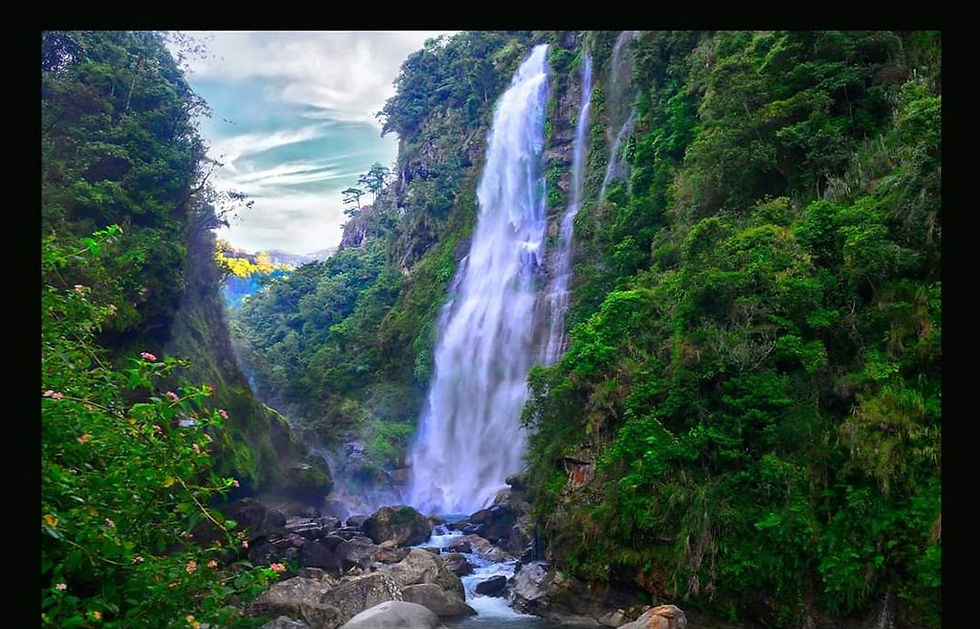


Truly a hidden jewel to be discovered.
Mindanao a natural wonders has their own unique culture.
Mindanao isn’t just the “Land of Promise”—it’s also the land of majestic waterfalls. Each one feels like a hidden paradise, tucked away in lush jungles, mountains, and river valleys. If you’re chasing waterfalls here, expect more than just water; expect culture, adventure, and wonder.
Mindanao, the second largest island in the Philippines, is a treasure trove of untamed landscapes, rich cultures, and natural beauty waiting to be explored. Among its most breathtaking features are its waterfalls—cascading wonders tucked away in deep valleys, hidden forests, and towering cliffs. These natural attractions are more than just scenic spots; they are living testaments to the island’s geological diversity and enduring connection to nature.
Mindanao isn’t just the “Land of Promise”—it’s also the land of majestic waterfalls. Each one feels like a hidden paradise, tucked away in lush jungles, mountains, and river valleys. If you’re chasing waterfalls here, expect more than just water; expect culture, adventure, and wonder.