
Top 10 Highlands in the Philippines: Cool Escapes & Mountain Wonders

Discover the Cool Side of the Philippines

The Philippines is often celebrated for its white sand beaches and tropical islands—but beyond the coastline lies another world waiting to be explored. The highlands Philippines offer a refreshing alternative: cooler climates, dramatic mountain landscapes, and deeply rooted cultural traditions that reveal a different side of the country.
In recent years, there has been a growing interest in mountain tourism and eco-travel, as more travelers seek meaningful experiences in nature. From mist-covered peaks and ancient rice terraces to rolling hills and forested valleys, these elevated regions provide some of the most scenic and serene mountain destinations Philippines has to offer. They also serve as gateways to indigenous cultures and sustainable tourism practices that highlight the importance of preserving both nature and heritage.
The contrast is striking—while coastal areas invite sun-soaked relaxation, the highlands provide cool air, quiet surroundings, and immersive outdoor adventures. This shift in travel preferences reflects a broader trend, with more people searching for cool places in the Philippines where they can escape the heat, avoid crowds, and reconnect with nature.
Whether you’re hiking through the Cordillera mountains, exploring highland villages, or simply enjoying the crisp mountain breeze, the country’s elevated landscapes redefine what Philippines nature travel can truly offer.
Table of Contents Top 10 Highlands in the Philippines
What Are the Highlands of the Philippines?
The highlands are the elevated regions of the country where nature, culture, and climate come together to create a distinctly different travel experience from the coastal islands. These areas, often found across the Philippine mountains and ranges like the Cordillera highlands, are central to the country’s growing eco tourism Philippines movement.
1. Elevated Landscapes
The highlands are defined by rugged terrain—mountain ranges, rolling plateaus, deep valleys, and scenic ridges. These landscapes provide breathtaking views, hiking opportunities, and some of the most iconic natural formations in the country.
2. Cooler Climate
Unlike the tropical lowlands, highland regions enjoy significantly cooler temperatures. This makes them ideal for travelers looking to escape the heat while enjoying fresh mountain air and misty surroundings.
3. Cultural Significance
Many highland areas are home to indigenous communities such as the Ifugao, Ivatan, and Lumad peoples. Their traditions, architecture, and agricultural practices offer valuable insights into the Philippines’ rich cultural heritage.
4. Eco-Tourism Value
The highlands are vital for biodiversity and conservation. Protected forests, national parks, and wildlife habitats make these regions important centers for sustainable and responsible tourism.

Top 10 Highlands in the Philippines
1. Banaue & Batad Rice Terraces (Ifugao)
Carved into the mountains over 2,000 years ago, the Banaue Rice Terraces are among the most iconic highland landscapes in the Philippines. Often referred to as a UNESCO-recognized cultural treasure, these terraces showcase the ingenuity and sustainable farming practices of the Ifugao people, who have maintained them for generations.
Nearby, the Batad Rice Terraces offer an even more dramatic and immersive experience. Unlike Banaue’s broader landscape, Batad forms a stunning amphitheater of rice paddies carved into steep mountain slopes. Reaching Batad requires a scenic trek, but the journey rewards travelers with breathtaking views and a deeper connection to nature.
This destination is a highlight for hiking enthusiasts, offering trails that wind through rice fields, forests, and waterfalls such as Tappiya Falls. It also provides a unique opportunity to experience traditional Ifugao culture, from local crafts to centuries-old agricultural practices.
To those seeking a blend of history, culture, and adventure, the Banaue and Batad terraces remain one of the most remarkable highland destinations in the country.
2. Sagada (Mountain Province)
Tucked deep within the Sagada highlands, Sagada is a destination defined by mystery, culture, and natural beauty. Featured in many Sagada travel guide itineraries, this mountain town is best known for its unique traditions, dramatic landscapes, and cool climate—making it a favorite for travelers seeking a peaceful and immersive highland escape.
One of Sagada’s most fascinating attractions is the centuries-old hanging coffins, where wooden coffins are suspended along limestone cliffs as part of an ancient burial tradition. This cultural practice reflects the deep spiritual beliefs of the local community and offers a rare glimpse into indigenous heritage.
Adventure is also a major draw in Sagada. The region is home to impressive cave systems, including the popular Sumaguing Cave, often highlighted among the best Sagada caves. Exploring these caves involves guided treks through underground chambers filled with rock formations, narrow passages, and natural pools.
Beyond caves, Sagada features scenic waterfalls like Bomod-ok Falls and breathtaking viewpoints where travelers can witness the famous “sea of clouds” at sunrise. With its blend of culture, adventure, and tranquility, Sagada remains one of the most captivating highland destinations in the Philippines.
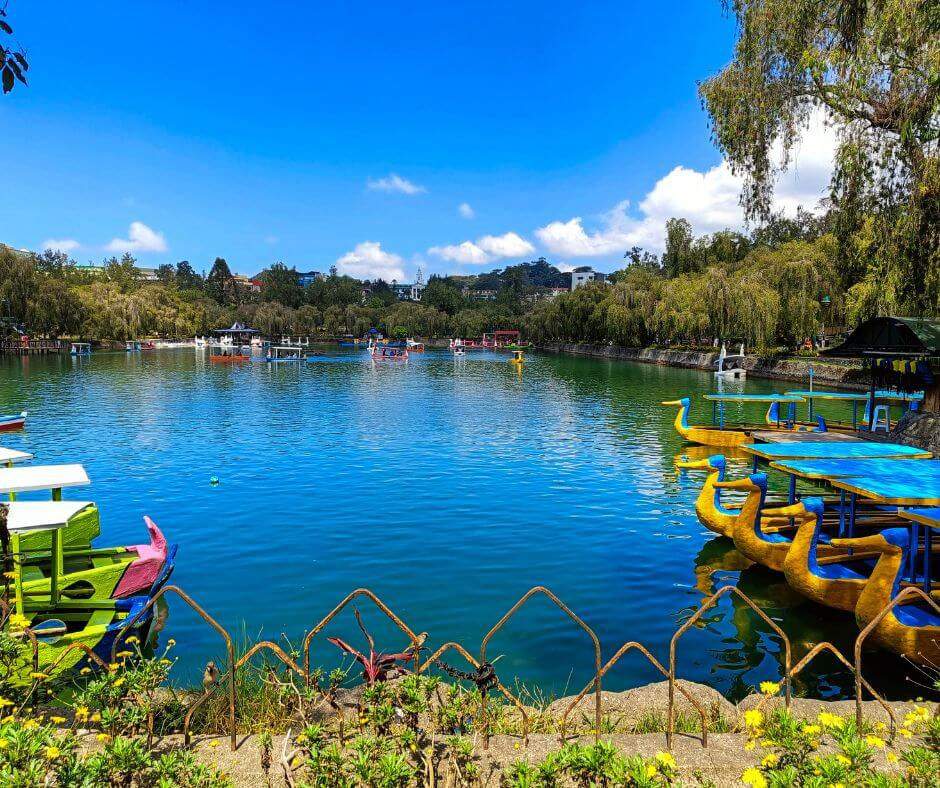
3. Baguio City (Benguet)
Perched high in the Cordillera mountains, Baguio City is famously known as the “Summer Capital of the Philippines.” With its cool climate, pine-covered hills, and relaxed atmosphere, it has long been a favorite escape for locals and tourists seeking relief from the tropical heat. Any well-rounded Baguio travel guide highlights the city as one of the most accessible and enjoyable cool places Philippines has to offer.
Baguio’s charm lies in its blend of nature and city life. Towering pine trees line its roads, while parks such as Burnham Park provide scenic spaces for boating, walking, and picnicking. The city’s elevated location gives it a refreshing mountain breeze, making it ideal for leisurely exploration.
Beyond its natural appeal, Baguio is also known for its vibrant arts and food scene. Session Road, the city’s main thoroughfare, is filled with cafés, restaurants, and local shops offering everything from traditional dishes to modern cuisine. The city also hosts cultural festivals like Panagbenga, showcasing colorful floral displays and local creativity.
With its cool weather, scenic surroundings, and lively yet relaxed atmosphere, Baguio remains one of the most beloved highland destinations in the Philippines.
4. Batanes Highlands
Remote, windswept, and breathtakingly raw, the Batanes highlands offer some of the most dramatic landscapes in the country. Frequently featured in every Batanes travel guide, this northernmost province is defined by its rolling green hills, rugged coastal cliffs, and sweeping ocean views that feel almost untouched by time.
Unlike the tropical beaches found elsewhere in the Philippines, Batanes presents a unique highland-meets-coastal environment. Vast open landscapes such as Marlboro Hills showcase endless green ridges overlooking the Pacific Ocean, while steep cliffs drop dramatically into the sea, creating postcard-worthy scenery at every turn. The iconic Basco Lighthouse stands as a landmark where land, sky, and ocean meet—perfect for sunrise and sunset views.
Beyond its natural beauty, Batanes is also rich in culture. The Ivatan people are known for their stone houses, resilience, and deep respect for nature. Their traditions and way of life add depth to the region’s already captivating charm.
Travelers seeking solitude, authenticity, and some of the most scenic Philippines landscapes, the highlands of Batanes offer an unforgettable escape unlike anywhere else in the country.

5. Mount Pulag (Benguet)
Rising as one of the highest peaks in the country, Mount Pulag is a bucket-list destination for hikers and nature lovers exploring the Philippines mountains. Known for its breathtaking “sea of clouds,” this iconic peak offers one of the most unforgettable sunrise experiences in the country.
The Mount Pulag hike is relatively accessible compared to other major mountains, especially via the Ambangeg Trail—often referred to as the “easy trail.” This makes it suitable for beginners while still rewarding experienced trekkers with stunning alpine landscapes. As you ascend, the terrain transitions from mossy forests to open grasslands, eventually leading to a summit that feels above the clouds.
One of Pulag’s defining features is its unique ecosystem. It is home to diverse flora and fauna, including endemic species found only in high-altitude environments. The cool climate, often dropping to near-freezing temperatures, adds to its distinct character.
Those seeking adventure, serenity, and panoramic views unlike anywhere else, Mount Pulag stands out as one of the most awe-inspiring highland destinations in the Philippines.
6. Bukidnon Highlands
Often called the “Food Basket of Mindanao,” the Bukidnon highlands offer a refreshing blend of vast agricultural landscapes and cool mountain scenery. Featured in many Bukidnon tourist spots guides, this province is known for its wide plateaus, rolling hills, and expansive pineapple plantations that stretch as far as the eye can see.
Unlike the rugged peaks of the Cordillera, Bukidnon’s terrain feels open and expansive. Its high elevation creates a cooler climate, making it an ideal escape for travelers looking to explore nature without the intensity of steep mountain hikes. Scenic drives through the province reveal endless green landscapes, dotted with farms, forests, and mountain ranges such as Mount Kitanglad.
Adventure and leisure go hand in hand here. Attractions like Dahilayan Forest Park offer outdoor activities including ziplining and forest treks, while nearby viewpoints provide sweeping views of the province’s iconic plateaus. Bukidnon is also home to indigenous communities, adding cultural depth to its natural appeal.
Those seeking a peaceful, less crowded destination with a mix of agriculture, adventure, and mountain beauty, the Bukidnon highlands are one of the most underrated gems in the Philippines.

7. Tagaytay Ridge (Cavite)
Overlooking one of the most iconic landscapes in the country, Tagaytay Ridge is among the most accessible highland escapes from Metro Manila. Known for its cool climate and sweeping views of Taal Volcano, this destination is a staple in any Tagaytay travel itinerary.
What makes Tagaytay unique is its combination of elevation and convenience. Just a short drive from Manila, visitors are rewarded with panoramic views of Taal Lake and its volcano island—one of the world’s smallest active volcanoes. Scenic viewpoints, cafés, and restaurants line the ridge, offering front-row seats to this breathtaking natural wonder.
Beyond the views, Tagaytay offers a relaxed atmosphere perfect for quick getaways. Popular spots like People’s Park in the Sky provide higher vantage points, while nearby farms, parks, and wellness retreats create opportunities for leisurely exploration. The area is also known for its local cuisine, including the famous bulalo (beef marrow soup), best enjoyed in the cool mountain air.
Travelers seeking a balance of scenery, comfort, and accessibility, Tagaytay Ridge remains one of the most beloved highland destinations in the Philippines.
8. Cordillera Mountain Range
Stretching across northern Luzon, the Cordillera Mountain Range is the heart of the country’s highland culture and one of the most significant Cordillera mountains regions for both nature and heritage. This vast mountain system is home to dramatic landscapes, ancient traditions, and some of the most iconic trekking routes in the Philippines.
The Cordillera highlands are deeply tied to indigenous communities such as the Ifugao, Kalinga, and Bontoc peoples. Their customs, rituals, and centuries-old agricultural practices—especially rice terrace farming—continue to shape the identity of the region. Travelers visiting these mountains gain not only scenic experiences but also meaningful cultural encounters.
For outdoor enthusiasts, the Cordillera offers a wide range of trekking opportunities. Trails pass through remote villages, forested ridges, waterfalls, and terraced slopes, providing both challenge and reward. The region’s cool climate and mist-covered peaks enhance its appeal as a premier destination for hiking and eco-tourism.
Whether you’re drawn by cultural immersion or the call of the mountains, the Cordillera Mountain Range stands as one of the most enriching and awe-inspiring highland destinations in the Philippines.

9. Mount Apo Highlands (Mindanao)
Standing as the highest peak in the country, Mount Apo dominates the southern highlands with its rugged terrain, rich biodiversity, and cultural significance. For many adventurers, the Mount Apo hike is the ultimate challenge among the Philippines’ mountain destinations.
Rising over 2,900 meters above sea level, Mount Apo offers a diverse landscape that changes dramatically along the trail. Hikers pass through dense tropical forests, mossy woodlands, volcanic rocks, and even sulfur vents near the summit—creating a truly dynamic trekking experience. The mountain is also part of a protected natural park, home to rare wildlife including the critically endangered Philippine eagle.
Beyond its natural appeal, Mount Apo holds deep cultural importance. It is considered sacred by several indigenous groups, including the Bagobo and Manobo communities, who regard the mountain as a spiritual domain.
Climbing Mount Apo requires preparation, permits, and guided treks, but the reward is unmatched—panoramic views, a sense of achievement, and a deeper connection to one of the most iconic highland landscapes in the Philippines.
10. Lake Sebu Highlands (South Cotabato)
Nestled in the southern highlands of Mindanao, Lake Sebu is a destination where nature and culture blend seamlessly. Known for its tranquil lakes, lush forests, and rich indigenous heritage, this area is a highlight in many Lake Sebu tourism experiences.
The highlands of Lake Sebu are home to three scenic lakes surrounded by rolling hills and misty landscapes. One of its most popular attractions is the Seven Falls, a series of cascading waterfalls that can be explored through trekking or viewed from one of Southeast Asia’s highest ziplines—offering breathtaking views of the surrounding mountains.
What truly sets Lake Sebu apart is its cultural depth. It is the homeland of the T’boli people, known for their vibrant traditions, intricate T’nalak weaving, and strong connection to nature. Visitors can experience local music, dance, and craftsmanship, making the journey both immersive and meaningful.
Seeking a unique highland destination that combines scenic beauty with cultural richness, Lake Sebu offers a peaceful and authentic escape in the southern Philippines.

Best Time to Visit the Highlands
Exploring the highlands requires timing your trip right, as weather plays a key role in visibility, comfort, and overall experience. Here’s a quick guide to choosing the best season for your mountain adventure.
Dry Season (November–May)
The dry season is widely considered the best time to visit mountains Philippines. Clear skies and minimal rainfall make it ideal for hiking, sightseeing, and enjoying panoramic views. Destinations like Mount Pulag and the Banaue Rice Terraces are especially stunning during this period, with sunrise views and “sea of clouds” experiences at their peak.
Rainy Season (June–October)
The rainy season transforms the highlands into lush, vibrant landscapes. Waterfalls are at their fullest, and rice terraces appear greener than ever. While occasional rains and slippery trails can be a challenge, this season offers fewer crowds and a more serene travel experience—perfect for those seeking quiet nature escapes.
Festival Seasons
Timing your visit with local festivals adds a cultural dimension to your trip. Events like the Panagbenga Festival in Baguio showcase colorful parades, floral displays, and community traditions. Many highland regions also host smaller cultural celebrations, giving travelers a deeper connection to local life.
Understanding Philippines weather highlands helps you plan better—whether you’re chasing clear mountain views or lush, misty landscapes.
Travel Tips for Highland Adventures
Exploring the mountains requires a bit more preparation than a typical beach trip. These practical tips will help you make the most of your mountain travel Philippines experience while staying safe and comfortable.
1. Pack for Cooler Weather
Highland destinations can be significantly cooler than coastal areas, especially early in the morning and at night. Bring light jackets, layers, and comfortable clothing to adapt to changing temperatures. Even in the tropics, mountain climates can feel surprisingly chilly.
2. Prepare for Hiking Conditions
Many highland attractions involve trekking, so proper preparation is key. Wear sturdy footwear with good grip, bring enough water, and pack essentials like snacks, sunscreen, and rain protection. Following basic hiking tips Philippines ensures a safer and more enjoyable adventure.
3. Respect Indigenous Communities
Many highland regions are home to indigenous groups with rich traditions and customs. Be respectful—ask permission before taking photos, follow local guidelines, and support community-based tourism whenever possible.
4. Book Early for Peak Seasons
Popular highland destinations like Baguio, Sagada, and Banaue can get crowded during holidays and festivals. Secure accommodations and transportation in advance to avoid last-minute stress.

Why Visit the Highlands of the Philippines
While the Philippines is world-famous for its beaches, its highlands offer a completely different—and equally rewarding—travel experience. These elevated regions provide a refreshing escape from the heat and crowds often found in coastal destinations, making them ideal for travelers seeking peace, cooler climates, and a deeper connection with nature.
One of the biggest draws of these Philippines nature destinations is their diversity of landscapes. Instead of white sand shores, you’ll find misty mountains, terraced hillsides, pine forests, and dramatic ridgelines. These scenic environments create a sense of tranquility that’s perfect for hiking, photography, and slow, immersive travel.
Beyond nature, the highlands are also rich in culture. Many areas are home to indigenous communities whose traditions, craftsmanship, and way of life have been preserved for generations. Visiting these regions allows travelers to experience authentic cultural immersion—something rarely found in more commercialized destinations.
For those looking to go beyond the usual island getaway, mountain travel Philippines offers a unique perspective of the country—one that blends natural beauty, cultural depth, and a peaceful atmosphere that stays with you long after the journey ends.
Takeaway – Experience the Philippines Beyond the Beaches
The Philippines is often defined by its coastline—but its soul stretches far beyond the sea. From the ancient terraces of Ifugao to the rolling hills of Batanes and the misty peaks of Mindanao, the highlands Philippines reveal a quieter, more profound side of the country. These landscapes offer not just scenic beauty, but stories—of culture, resilience, and a deep connection between people and nature.
Exploring the best mountain destinations Philippines has to offer allows travelers to experience diversity in its purest form. Each highland region presents something unique: cooler climates, dramatic views, and meaningful cultural encounters that go far beyond typical tourist experiences.
As travel evolves, so does the responsibility that comes with it. The highlands invite a more mindful approach—one that respects the environment, supports local communities, and values preservation over exploitation.
So, as you plan your next journey, look beyond the beaches. Step into the mountains, breathe in the cool air, and discover a side of the Philippines that is just as breathtaking—if not even more unforgettable.
Frequently Asked Questions
What is the most beautiful mountain in the Philippines?
Beauty is subjective, but many travelers consider Mount Pulag one of the most beautiful mountains due to its famous “sea of clouds” and scenic summit views. Other contenders include Mount Apo, the country’s highest peak, and the surrounding Cordillera Mountain Range, known for its cultural landscapes and dramatic terrain.
Where can I experience cool weather in the Philippines?
If you’re looking for cooler temperatures, head to highland destinations like Baguio City, Sagada, and Tagaytay. These areas are among the most popular cool places in the Philippines, offering refreshing climates year-round compared to lowland and coastal regions.
Are the highlands safe for tourists?
Yes, most highland destinations are safe for travelers, especially popular areas with established tourism infrastructure. However, it’s important to follow basic safety practices—hire local guides when needed, stay on marked trails, check weather conditions, and respect local customs. Responsible planning ensures a safe and enjoyable mountain travel Philippines experience.
What should I pack for mountain travel in the Philippines?
Packing essentials include light jackets or layers for cooler temperatures, sturdy hiking shoes, rain gear, and basic outdoor items like water, snacks, and sunscreen. For longer treks, bring a flashlight, first-aid kit, and extra clothing. Being prepared helps you fully enjoy your adventure across the Philippines nature destinations without discomfort or risk.



Top highlands is an adventure and enjoyable experience.
So many reasons why Philippines is love 😍
The Philippines is often defined by its coastline—but its soul stretches far beyond the sea. From the ancient terraces of Ifugao to the rolling hills of Batanes and the misty peaks of Mindanao, the highlands Philippines reveal a quieter, more profound side of the country.