
Pampanga Cuisine: The Culinary Capital of the Philippines

Where Flavor Reigns Supreme

A table in Pampanga is never quiet. It sizzles with sisig, glows with the rich peanut sauce of kare-kare, and celebrates with the vibrant colors of bringhe. Every dish is bold, deliberate, and crafted with care—reflecting a region where food is not just nourishment, but an art form.
Known as the culinary capital of the Philippines, Pampanga has built a reputation that extends far beyond its borders. The Kapampangan people are widely regarded as some of the country’s finest cooks, known for their mastery of flavor, technique, and presentation. Cooking here is not just a skill—it is a source of identity and pride, passed down through generations.
Kapampangan cuisine is defined by its richness, complexity, and fearless use of ingredients. It embraces bold flavors, slow cooking methods, and a deep respect for tradition while continuing to evolve with time.
In this guide, we’ll explore the history, iconic dishes, defining flavors, and cultural identity behind Pampanga cuisine—revealing why it remains one of the most celebrated food traditions in the Philippines.
Table of Contents - Pampanga Cuisine
Why Pampanga Is the Culinary Capital of the Philippines
Pampanga has earned its title as the culinary capital of the Philippines through a long-standing reputation for excellence in cooking. The Kapampangan people are widely known as some of the country’s most skilled cooks—valued not only for their ability to create flavorful dishes, but for their attention to detail, technique, and presentation. In many Filipino households and professional kitchens, Kapampangans are often trusted to lead, reflecting a deep-rooted respect for their culinary expertise.
At the heart of this reputation is a strong food culture built on tradition. Recipes are carefully passed down through generations, often preserved with precision and pride. Cooking is treated as both a daily practice and a cultural inheritance, where even simple dishes are prepared with intention and care.
Pampanga’s influence extends far beyond the province. Many of the Philippines’ most iconic dishes—such as sisig and kare-kare—have roots in Kapampangan cuisine. These dishes have become staples across the country, shaping what many recognize today as Filipino food.
More than anything, food in Pampanga is a reflection of identity and pride. It represents history, family, and craftsmanship. To cook well is to honor tradition, and to share food is to celebrate it—making Pampanga not just a place of great cuisine, but a cornerstone of Filipino culinary heritage.

History and Influences of Pampanga Cuisine
The richness of Kapampangan food is shaped by layers of history—each influence adding depth, technique, and identity to what is now one of the Philippines’ most celebrated culinary traditions.
Indigenous Cooking Traditions
Before colonial influence, early communities in Pampanga relied on local ingredients and simple cooking methods. Grilling, boiling, and stewing were common, using fresh produce, river fish, and native herbs. These foundations emphasized balance, resourcefulness, and a deep connection to the land—principles that still define Kapampangan cuisine today.
Spanish Colonial Influence (Stews and Techniques)
The Spanish colonial period introduced new cooking techniques and ingredients, including tomato-based sauces, slow-cooked stews, and richer flavor profiles. Dishes like kare-kare and morcon reflect this influence, blending local ingredients with European-style preparation. The use of garlic, onions, and extended cooking times added complexity and refinement.
Trade and Regional Exchanges
Pampanga’s strategic location in Central Luzon made it a hub for trade and cultural exchange. Ingredients, spices, and cooking ideas flowed through the region, enriching its cuisine. Exposure to neighboring provinces and international influences helped diversify flavors and expand culinary creativity.
Evolution into Modern Cuisine
Today, Kapampangan cuisine continues to evolve. Modern chefs reinterpret traditional dishes with refined techniques and presentation, while still honoring their roots. This balance of heritage and innovation keeps Pampanga at the forefront of Filipino gastronomy.
Together, these influences have shaped a cuisine that is deeply rooted, richly layered, and constantly evolving.
Defining Characteristics of Kapampangan Food
Kapampangan cuisine is known for its depth, precision, and bold expression of flavor. Each dish reflects a mastery of technique and a deep respect for ingredients—resulting in food that is both indulgent and carefully balanced.
Bold, Rich, and Savory Flavors
At its core, Kapampangan food is unapologetically flavor-forward. Dishes are layered with umami, richness, and intensity—whether through peanut-based sauces, slow-cooked meats, or deeply seasoned broths. Every bite is designed to be memorable and satisfying.
Use of Slow Cooking and Complex Techniques
Many Kapampangan dishes rely on time and technique. Slow simmering, careful marination, and multi-step preparation allow flavors to fully develop. This dedication to process results in dishes that are deeply infused and well-rounded.
Mastery of Meat and Offal
Kapampangans are renowned for their ability to transform every part of the animal into something exceptional. From pork belly to organ meats, dishes like sisig showcase a nose-to-tail philosophy, turning humble ingredients into celebrated delicacies.
Balanced Sweetness in Savory Dishes
Unlike other Filipino cuisines that may lean heavily sweet, Kapampangan cooking uses subtle sweetness to balance savory flavors. This creates harmony rather than overpowering the dish.
Strong Use of Aromatics and Sauces
Garlic, onions, vinegar, and fermented ingredients are used with precision. These aromatics and sauces build layers of flavor, giving Kapampangan dishes their signature depth and complexity.
Iconic Pampanga Dishes You Must Try
Kapampangan cuisine is best understood through its iconic dishes—each one a showcase of technique, flavor, and tradition. These are not just meals, but culinary statements that define why Pampanga is known as the food capital of the Philippines.
Sisig – Sizzling Pork Dish from Angeles City
Perhaps the most famous Kapampangan creation, sisig originated in Angeles City. Made from finely chopped pork—often including cheeks, ears, and liver—it’s seasoned with calamansi, onions, and chili, then served on a sizzling plate. Bold, tangy, and slightly smoky, sisig is a masterclass in flavor and texture.
Kare-Kare – Peanut-Based Stew with Bagoong
Kare-kare is a rich, comforting stew made with oxtail or beef, simmered in a thick peanut sauce. It is traditionally served with bagoong (fermented shrimp paste), which adds a salty contrast to the dish’s creamy profile. The combination creates a deeply satisfying balance of flavors.
Bringhe – Kapampangan Coconut Paella
A festive dish often served during celebrations, bringhe is Pampanga’s version of paella. Instead of tomato-based seasoning, it uses coconut milk, giving it a creamy texture and distinct flavor. Combined with chicken, vegetables, and rice, it’s both hearty and celebratory.
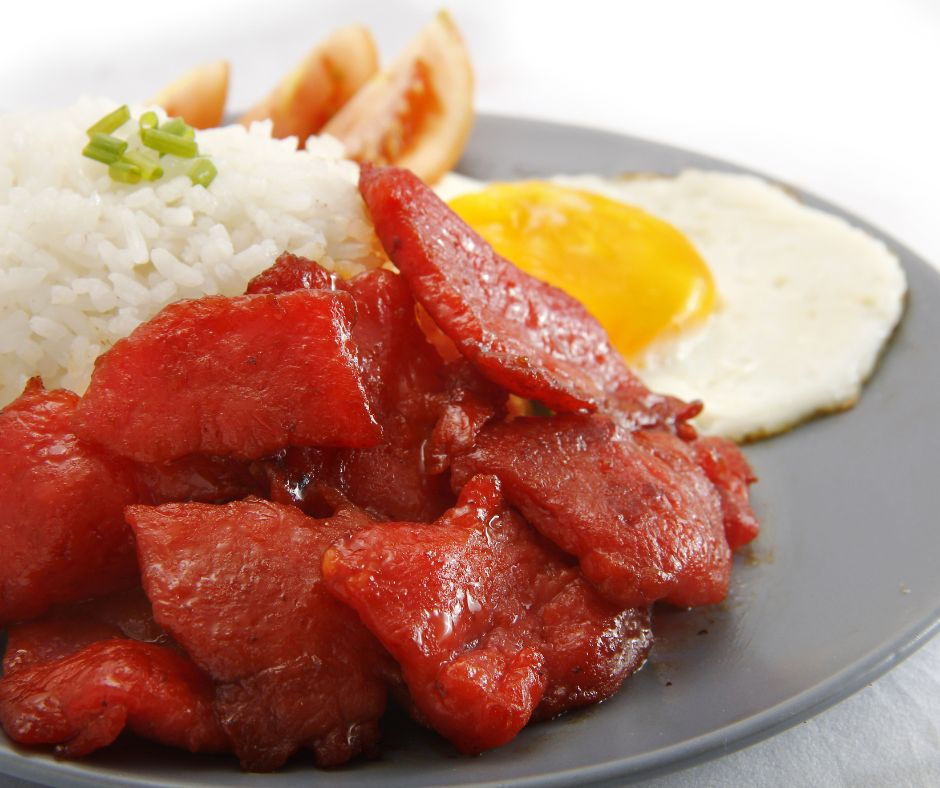
Tocino Kapampangan – Traditional Cured Pork
Unlike commercial versions, Kapampangan tocino is less artificially sweet and more balanced in flavor. The pork is carefully cured and marinated, resulting in a tender, slightly sweet, and savory dish often enjoyed for breakfast.
Morcon – Stuffed Meat Roll for Celebrations
Morcon is a special-occasion dish featuring beef rolled around fillings such as eggs, sausages, and vegetables. Slowly braised in tomato sauce, it is rich, tender, and deeply flavorful—often reserved for fiestas and family gatherings.
Asadong Matua – Kapampangan Pork Stew
Asadong matua is a lesser-known but beloved dish made with pork cooked in a savory sauce with soy, garlic, and spices. It reflects Kapampangan skill in creating depth from simple ingredients, resulting in a hearty and satisfying stew.
Bulanglang Kapampangan – Light Vegetable Soup
Balancing the richness of meat dishes, bulanglang Kapampangan is a light, clear soup made with fresh vegetables and sometimes fish or shrimp. It highlights the region’s ability to create clean, refreshing flavors while maintaining depth.
Pampanga’s Love for Meat and Offal
Kapampangan cuisine is renowned for its bold use of meat—especially its mastery of parts often overlooked elsewhere. This approach is not only practical but also a reflection of deep culinary knowledge and tradition.
Nose-to-Tail Cooking Tradition
In Pampanga, the philosophy of nose-to-tail cooking is central to the cuisine. Every part of the animal—from prime cuts to organs—is valued and used. This ensures minimal waste while maximizing flavor, turning even humble ingredients into meaningful dishes.
Creativity in Using All Parts
Kapampangan cooks demonstrate remarkable creativity by transforming offal into culinary highlights. Ingredients like pork cheeks, ears, and liver are expertly grilled, braised, or sautéed to create dishes such as sisig. Through technique and seasoning, these parts are elevated into rich, complex, and celebrated flavors.
Reflection of Resourcefulness and Skill
This tradition reflects both resourcefulness and refined skill. It requires a deep understanding of texture, timing, and balance to prepare offal properly. What might seem simple is, in reality, a showcase of culinary discipline—where nothing is wasted, and everything is treated with care.

Kapampangan Desserts and Sweet Traditions
While Pampanga is celebrated for its rich savory dishes, its desserts are equally remarkable known for their creamy textures, balanced sweetness, and refined preparation. Kapampangan sweets reflect both indulgence and craftsmanship, often made using local ingredients like rice, coconut, and carabao milk.
Tibok-Tibok – Carabao Milk Pudding
A signature dessert of Pampanga, tibok-tibok is made from carabao milk and rice flour, resulting in a soft, delicate pudding. Topped with toasted coconut or latik, it has a subtle sweetness and silky texture—simple yet deeply satisfying.
Leche Flan – Rich Custard Dessert
Kapampangan-style leche flan is known for being especially rich and smooth. Made with egg yolks, milk, and caramelized sugar, it delivers a luxurious, melt-in-your-mouth experience. It is a staple at celebrations and gatherings, symbolizing indulgence and tradition.
Pastillas and Kakanin – Traditional Sweets
Pampanga offers a wide range of pastillas (milk candies) and kakanin (rice-based delicacies) such as sapin-sapin and kutsinta. These treats are often handmade, highlighting traditional techniques and local flavors. They are commonly served during fiestas, holidays, and family gatherings.
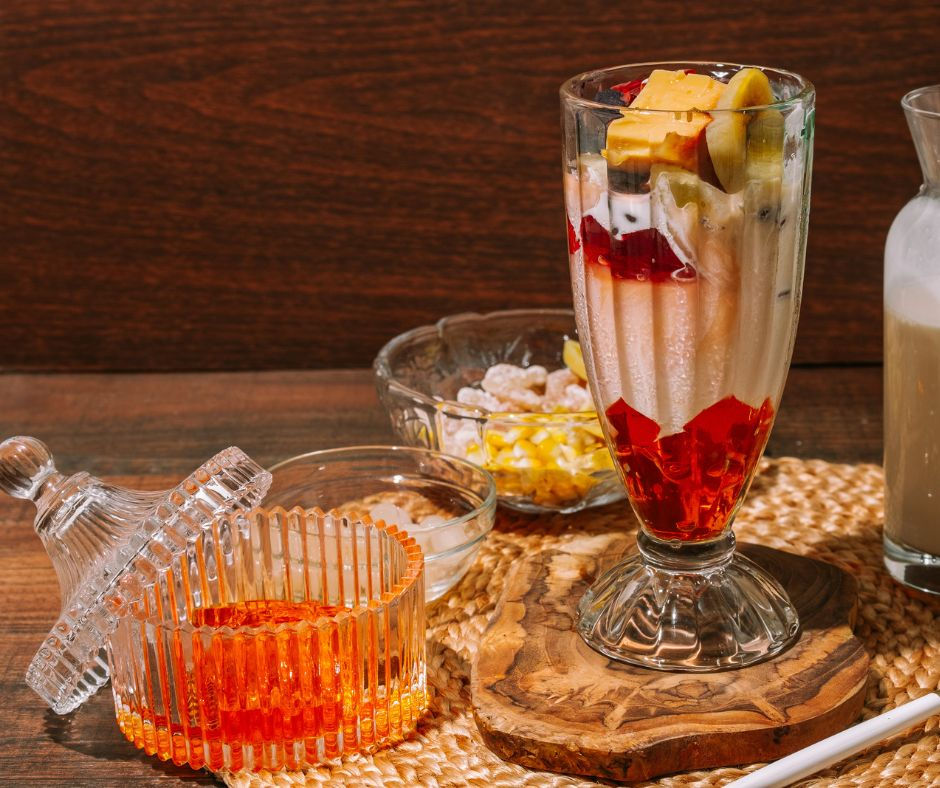
Halo-Halo Variations
Kapampangans have their own take on halo-halo, the iconic Filipino shaved ice dessert. Often featuring high-quality ingredients and carefully layered components, these versions emphasize balance—combining sweetness, creaminess, and texture in every spoonful.
Food Culture and Celebrations in Pampanga
In Pampanga, food is inseparable from celebration. Every gathering—big or small—is an opportunity to showcase culinary skill, generosity, and tradition.
Importance of Fiestas and Gatherings
Fiestas in Pampanga are known for their abundance and variety of dishes. Tables are filled with everything from rich stews to delicate desserts, reflecting both devotion and joy. These celebrations are not just events—they are expressions of community, where food becomes the centerpiece of shared experience.
Food as Hospitality and Status
In Kapampangan culture, serving good food is a mark of hospitality and pride. Hosts go to great lengths to prepare elaborate meals, often presenting their best recipes to guests. The quality and variety of food can also reflect status, with carefully prepared dishes symbolizing effort, respect, and generosity.
Generational Recipes and Traditions
Many Kapampangan recipes are passed down through generations, preserved with remarkable precision. Cooking techniques, flavor balances, and even presentation styles are taught within families, ensuring that traditions remain intact. These dishes carry stories—of ancestors, celebrations, and identity.
Where to Experience Pampanga Cuisine
To truly understand Kapampangan food, you have to experience it where it lives—on the streets, in family kitchens, and in restaurants that carry generations of tradition. Here are some of the best places to explore the flavors of Pampanga:
Angeles City Food Hubs
Angeles City is the epicenter of Kapampangan cuisine. From sizzling sisig spots to modern Filipino restaurants, the city offers a mix of traditional and contemporary dining. Food hubs here showcase both classic recipes and creative reinterpretations, making it a must-visit for food lovers.
Local Carinderias and Markets
For an authentic, everyday experience, visit local carinderias (small eateries) and public markets. These humble spots serve home-style Kapampangan dishes at affordable prices. Markets, in particular, are rich with fresh ingredients, ready-to-eat meals, and a glimpse into how locals cook and eat daily.
Pampanga Food Festivals
Pampanga hosts vibrant food festivals throughout the year, celebrating its culinary heritage. These events bring together local chefs, home cooks, and food vendors, offering a wide range of traditional dishes in one place. It’s an immersive way to experience the diversity of Kapampangan cuisine.
Heritage Restaurants
Long-standing heritage restaurants preserve traditional recipes and cooking methods. These establishments are known for their authenticity, often serving dishes passed down through generations. Dining here offers not just great food, but a deeper connection to Pampanga’s culinary history.
Takeaway – A Legacy of Flavor and Craftsmanship
Pampanga cuisine stands as a powerful expression of richness, tradition, and cultural pride. From its bold flavors to its refined techniques, every dish reflects generations of knowledge and a deep respect for food as both craft and identity.
It is a cuisine shaped by history, elevated by skill, and sustained by passion.
Its influence on Filipino cuisine as a whole is undeniable—introducing iconic dishes, setting high culinary standards, and inspiring chefs across the country. Pampanga has not only preserved its heritage but also helped define what Filipino food represents today.
In the end, Pampanga cuisine is more than just a regional specialty—it is a legacy. Bold, proud, and unforgettable, it continues to shape the way the Philippines cooks, eats, and celebrates food.
Frequently Asked Questions
What is Pampanga cuisine known for?
Pampanga cuisine is known for its bold, rich, and deeply savory flavors. It highlights slow cooking, complex techniques, and creative use of ingredients—including meat and offal. Kapampangan food is often more refined and indulgent compared to other regional Filipino cuisines.
Why is Pampanga the culinary capital?
Pampanga is considered the culinary capital because of the exceptional cooking skills of Kapampangans, their strong food traditions, and their influence on Filipino cuisine. Many iconic dishes originated here, and the region continues to set high culinary standards.
What is the most famous dish in Pampanga?
The most famous dish is sisig, which originated in Angeles City. It is a sizzling pork dish known for its bold, tangy, and savory flavor, and is now one of the most popular Filipino dishes worldwide.
Is Kapampangan food spicy or sweet?
Kapampangan food is generally savory and rich, with a balanced touch of sweetness rather than intense spice. While some dishes include chili, the cuisine focuses more on depth of flavor than heat.
Where should I eat in Pampanga?
You can explore Pampanga cuisine in Angeles City food hubs, local carinderias, heritage restaurants, and food festivals. Each offers a unique way to experience authentic Kapampangan dishes—from casual meals to traditional dining experiences.



Pampanga has earned its title as the culinary capital of the Philippines through a long-standing reputation for excellence in cooking. The Kapampangan people are widely known as some of the country’s most skilled cooks—valued not only for their ability to create flavorful dishes, but for their attention to detail, technique, and presentation. In many Filipino households and professional kitchens, Kapampangans are often trusted to lead, reflecting a deep-rooted respect for their culinary expertise.
Pampanga cuisine is a traditional dishes.