
Pineapples in the Philippines: Farming, Culture, Industry, and Why Filipino Pineapples Are World-Famous

The Sweet Pride of Philippine Agriculture

Pineapples are among the most recognizable and celebrated tropical fruits produced in the Philippines. Known for their exceptional sweetness, juicy texture, and export quality, pineapples in the Philippines have become a symbol of the country’s rich agricultural abundance and global farming reputation.
The Philippines consistently ranks among the world’s leading pineapple producers and exporters, supplying fresh and processed pineapples to international markets across Asia, Europe, the Middle East, and North America. Large plantations in Mindanao and other agricultural regions play a major role in the success of the Philippine pineapple industry, helping position the country as a global source of premium tropical fruit.
Beyond exports, pineapple farming supports thousands of Filipino farmers and rural communities. From cultivation and harvesting to processing and transport, the industry contributes significantly to employment, local economies, and the broader agricultural sector. For many farming communities, pineapples are not only a source of livelihood but also a reflection of resilience and tradition.
Yet pineapples in the Philippines represent more than agriculture alone. The fruit is also tied to Filipino culture through Piña fabric—a delicate textile woven from pineapple fibers and used in traditional garments such as the Barong Tagalog and Filipiniana dresses.
In this guide, we explore the farming, culture, industry, and sustainability behind one of the country’s most iconic tropical fruits in the Philippines—revealing why Philippine pineapples are admired around the world.
Table of Contents - Pineapples in the Philippines
History of Pineapple Farming in the Philippines
The story of pineapple cultivation in the Philippines reflects the country’s transformation from a colonial trading outpost into one of the world’s leading tropical fruit exporters. Over time, pineapple farming evolved into a major pillar of Philippine agriculture, especially in Mindanao.
Early Introduction During Colonial Trade Periods
Pineapples were introduced to the Philippines during the Spanish colonial era through global trade routes linking Asia, the Americas, and Europe. The tropical climate proved ideal for cultivation, allowing pineapples to thrive across several islands. Initially grown on a smaller scale, the fruit gradually became part of local agriculture and cuisine.
Expansion of Commercial Pineapple Farming in Mindanao
During the 20th century, large areas of Mindanao—particularly Bukidnon and South Cotabato—were identified as ideal for pineapple cultivation due to fertile volcanic soil, high elevation, and consistent rainfall. This led to the rapid growth of commercial pineapple farming and transformed Mindanao into the center of the country’s pineapple industry.
Rise of Multinational Plantations
The development of multinational agricultural companies significantly expanded pineapple agriculture in the Philippines. Large-scale plantations introduced modern farming systems, mechanized processing, and export-oriented production. Massive pineapple fields stretching across Mindanao became symbols of the country’s growing agricultural export economy.
Growth of Export-Driven Agriculture
As global demand for tropical fruit increased, the Philippines became one of the world’s major exporters of fresh pineapples, canned products, and pineapple juice. Export-driven agriculture helped strengthen rural economies, create employment opportunities, and establish Philippine pineapples as globally recognized products known for sweetness and quality.

Major Pineapple-Growing Regions
The Philippines’ success as a global pineapple producer is driven by several agricultural regions with ideal tropical conditions, fertile soils, and strong farming traditions. These areas form the backbone of pineapple farms in the Philippines, particularly across Mindanao.
Bukidnon
Overview: Home to some of the largest and most recognizable Bukidnon pineapple plantations in the country.
Highlights: Fertile volcanic soil, cool highland climate, and massive commercial plantations.
Significance: Bukidnon is a major export production hub, supplying fresh and processed pineapples to international markets around the world.
South Cotabato
Overview: One of the country’s leading agricultural provinces with extensive commercial-scale pineapple farming.
Highlights: Large farming operations and strong integration with food processing industries.
Significance: Pineapple farming contributes significantly to the province’s agricultural economy and rural employment.
Northern Mindanao
Overview: A rapidly expanding center for Mindanao agriculture and tropical fruit production.
Highlights: Favorable climate, rich farmland, and growing agricultural investments.
Significance: Northern Mindanao continues to strengthen its role in the Philippine pineapple industry through increasing production and export activity.
Camarines Norte and Quezon
Overview: Regions known for smaller-scale pineapple farming and local production.
Highlights: Traditional farming communities and locally consumed pineapple varieties.
Significance: These provinces preserve more community-based agricultural practices while contributing to regional fruit supply.
Types of Pineapples Grown in the Philippines
The Philippines cultivates several pineapple varieties, each valued for its flavor, texture, and market use. These pineapple varieties in the Philippines support both domestic consumption and the country’s strong export industry.
Smooth Cayenne
The Smooth Cayenne pineapple is one of the most widely grown commercial varieties in the country. Known for its large size, juicy flesh, and balanced sweetness, it is commonly used for canned pineapple products and juice processing. Its durability and consistent quality make it a major export variety in the Philippine pineapple industry.
MD2 (Golden Pineapple)
The MD2 pineapple in the Philippines, often called the “Golden Pineapple,” is prized for its sweeter taste, lower acidity, and vibrant golden color. Considered a premium-quality variety, MD2 is highly popular in fresh fruit export markets and is favored by consumers for its consistently sweet flavor and tender texture.
Native Pineapple Varieties
In many rural communities, smaller native pineapple varieties are still cultivated. While not as commercially dominant as Smooth Cayenne or MD2, these local pineapples are often sweeter, more aromatic, and commonly sold in local markets. They are also used in specialty products, desserts, and traditional Filipino dishes.

Pineapple Farming Process – From Field to Market
Pineapple farming is a carefully managed agricultural process that combines traditional labor with modern farming techniques. Understanding the pineapple farming process in the Philippines reveals the work involved in producing one of the country’s most valuable tropical exports.
1. Land Preparation
Before planting begins, fields are cleared and prepared to ensure proper soil conditions. In major pineapple-growing regions such as Bukidnon and South Cotabato, fertile volcanic soil provides ideal growing conditions for healthy pineapple crops.
2. Planting Crowns and Slips
Unlike many fruits grown from seeds, pineapples are cultivated using plant cuttings known as crowns, slips, or suckers. These are planted directly into the soil in organized rows to maximize space and productivity.
3. Crop Maintenance and Fertilization
Farmers carefully manage pineapple fields through watering, weed control, fertilization, and pest management. Proper maintenance is essential to produce high-quality fruit with the sweetness and texture Philippine pineapples are known for.
4. Harvesting by Hand
Pineapples are harvested manually once they reach peak ripeness. Workers carefully cut each fruit by hand to prevent bruising and maintain export quality standards.
5. Processing and Packaging
After harvest, pineapples are sorted, cleaned, and processed. Some are prepared for fresh export markets, while others are turned into canned products, juice, dried fruit, and other processed goods.
6. Export and Distribution
As one of the world’s leading pineapple exporters, the Philippines ships fresh and processed products to markets across Asia, Europe, the Middle East, and North America. Efficient logistics and cold-chain systems help maintain freshness and quality during transport.
Why Philippine Pineapples Are Famous Worldwide
Philippine pineapples have earned a strong global reputation for their exceptional sweetness, quality, and consistency. As one of the leading producers of tropical fruit, the country is widely recognized for producing some of the best pineapples in the world.
Naturally Sweet Flavor
One of the defining characteristics of the sweet pineapple in the Philippines is its high natural sugar content balanced by mild acidity. The country’s tropical climate allows pineapples to ripen fully, resulting in fruit with a rich, refreshing flavor.
Juicy Texture and Tropical Ripening
Philippine pineapples are also known for their juicy, tender texture. Warm temperatures, fertile volcanic soil, and abundant rainfall create ideal growing conditions that enhance the fruit’s overall quality and taste.
Year-Round Production
Unlike countries with seasonal growing limitations, the Philippines benefits from a tropical climate that supports year-round pineapple cultivation. This allows consistent supply to both domestic and international markets throughout the year.
High Export Standards
The Philippine pineapple export industry follows strict quality control measures in harvesting, processing, and packaging. Large commercial farms use modern agricultural systems and cold-chain logistics to maintain freshness and meet international standards.
Major Export Markets
Asia
Countries across Asia import fresh and processed Philippine pineapples due to their sweetness and reliable quality.
Middle East
Demand continues to grow in Middle Eastern markets, where tropical fruits are highly valued for freshness and flavor.
Europe
European markets import both fresh pineapples and processed products such as canned fruit and juice.
North America
The Philippines also supplies pineapples to North American consumers, contributing to the country’s global agricultural presence.
Economic Importance of Pineapples in the Philippines
Pineapples are one of the Philippines’ most valuable agricultural products, contributing significantly to trade, employment, and regional development. The continued growth of the pineapple industry in the Philippines highlights the fruit’s major role in the country’s agricultural economy.
Major Agricultural Export Product
The Philippines is consistently among the world’s leading exporters of fresh pineapples, canned pineapple products, and pineapple juice. International demand for high-quality Philippine pineapples strengthens the country’s position in global agricultural trade and generates valuable export revenue.
Employment and Rural Livelihoods
Pineapple farming provides jobs for thousands of Filipinos, particularly in Mindanao and other agricultural regions. Workers are employed in planting, harvesting, processing, packaging, transportation, and export operations. For many rural communities, pineapple farming remains an essential source of livelihood and economic stability.
Contribution to the Food Processing Industry
Beyond fresh fruit exports, pineapples support a large food processing sector. Factories produce canned pineapples, juices, dried fruit products, jams, and other processed goods for both local and international markets. This adds further value to the agricultural supply chain and strengthens the broader agriculture economy in the Philippines.
Impact on Local Economies
Large-scale pineapple production stimulates economic activity in farming communities through infrastructure development, local businesses, transport services, and agricultural support industries. Provinces with major plantations often experience significant economic benefits linked to the success of the pineapple sector.
Piña Fabric – Pineapple Beyond Food
Beyond its role as a globally recognized tropical fruit, pineapple also holds a special place in Filipino craftsmanship through the creation of Piña fabric in the Philippines. Made from delicate fibers extracted from pineapple leaves, Piña fabric is one of the country’s most celebrated traditional textiles and a symbol of Filipino artistry and heritage.
Pineapple Leaf Fibers
Piña fabric is produced by carefully extracting fine fibers from pineapple leaves, particularly from native pineapple varieties. The fibers are hand-scraped, washed, and woven into an elegant textile known for its lightweight texture and subtle natural sheen.
Traditional Filipino Textile
Considered one of the finest traditional fabrics in the country, pineapple fiber cloth reflects centuries of weaving tradition and skilled craftsmanship. The process is labor-intensive and requires precision, making authentic Piña fabric highly valued both locally and internationally.
Barong Tagalog and Filipiniana Dresses
Piña fabric is most famously used in the creation of the Barong Tagalog fabric worn by Filipino men during formal occasions and national celebrations. It is also featured in Filipiniana dresses, shawls, and traditional garments known for their elegance and cultural symbolism.
Cultural and Heritage Significance
More than a textile, Piña fabric represents Filipino identity, creativity, and heritage. It reflects the ability to transform an agricultural by-product into a refined cultural art form. Today, Piña weaving continues to preserve traditional craftsmanship while promoting sustainable and heritage-based industries in the Philippines.

Environmental and Agricultural Challenges
Despite the success of the pineapple industry, farmers and producers face growing environmental and economic pressures. These issues highlight the importance of developing more sustainable pineapple farming practices while addressing broader agriculture challenges in the Philippines.
Climate Change Impacts
Changing weather patterns, stronger typhoons, droughts, and irregular rainfall affect pineapple production across the country. Extreme climate conditions can reduce crop yields, damage plantations, and disrupt harvesting schedules, creating uncertainty for farmers and exporters alike.
Soil Degradation
Continuous large-scale farming can gradually deplete soil nutrients and reduce long-term land productivity. Intensive cultivation without proper soil management may lead to erosion, declining fertility, and increased dependence on fertilizers.
Water Use and Sustainability
Pineapple farming requires consistent water supply, especially during dry periods. In some areas, water management has become a growing concern as agriculture competes with expanding populations and changing climate conditions. Sustainable irrigation practices are becoming increasingly important.
Monocropping Concerns
Large plantations often rely on monocropping—the cultivation of a single crop over vast areas. While efficient for production, monocropping can reduce biodiversity, increase vulnerability to pests and diseases, and place additional stress on ecosystems.
Global Market Competition
The Philippine pineapple industry also faces competition from other major pineapple-producing countries. Price fluctuations, changing international demand, and trade conditions can affect profitability and market stability for exporters and farming communities.
Pineapples in Filipino Food and Culture
Pineapples are deeply woven into Filipino cuisine and everyday life. Beyond being one of the country’s most important exports, this tropical fruit holds a lasting place in local food traditions, celebrations, and hospitality. The presence of pineapple in Filipino food reflects the Philippines’ rich agricultural abundance and love for vibrant flavors.
Fresh Fruit Consumption
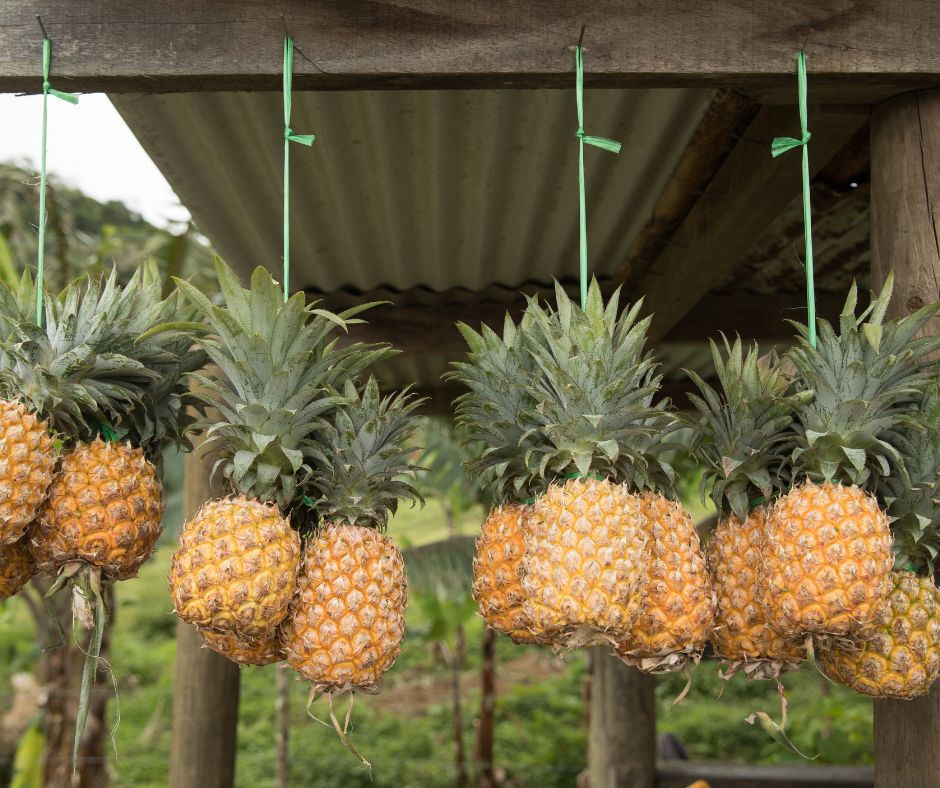
Fresh pineapple is widely enjoyed across the country, often sold in roadside stalls, wet markets, supermarkets, and fruit stands. Filipinos commonly eat pineapple chilled, freshly sliced, or blended into refreshing tropical drinks—especially during warm summer months.
Pineapple in Filipino Dishes and Desserts
Pineapple is frequently used in both savory dishes and sweet desserts. It adds a balance of sweetness and acidity to popular Filipino recipes such as hamonado dishes, sweet-style spaghetti, fruit salads, and tropical desserts. Pineapple juice and chunks are also commonly included in festive meals and holiday celebrations.
Symbolism in Hospitality and Celebrations
As one of the most recognizable tropical fruits in the Philippines, pineapple is often associated with abundance, warmth, and hospitality. Serving fresh fruit during gatherings and celebrations reflects the Filipino tradition of welcoming guests generously and sharing food with family and friends.
Presence in Local Markets and Fiestas
Across the country, pineapples are a familiar sight in local markets and provincial fiestas. In farming regions, the fruit symbolizes agricultural pride and community livelihood. Pineapple-themed products, delicacies, and cultural displays are often featured during festivals celebrating local harvests and regional identity.

Best Places to Experience Pineapple Farming in the Philippines
Pineapple farming is not only an important agricultural industry in the Philippines—it is also becoming part of the country’s growing farm tourism and cultural travel experiences. Visitors can explore vast plantations, local markets, and agricultural communities while learning about one of the country’s most iconic tropical fruits.
Bukidnon Pineapple Plantations
Highlights: Endless pineapple fields, scenic mountain backdrops, large-scale plantations
Why Visit: Bukidnon is home to some of the most famous pineapple plantations in Southeast Asia. Travelers can witness the scale of modern pineapple farming while enjoying the cool climate and landscapes of Northern Mindanao.
South Cotabato Farms
Highlights: Commercial pineapple farms, agricultural landscapes, local farming communities
Why Visit: South Cotabato showcases the importance of agriculture to rural livelihoods and offers visitors insight into large-scale fruit production in Mindanao.
Local Markets in Mindanao
Highlights: Fresh tropical fruit, local delicacies, regional produce
Why Visit: Local markets allow travelers to experience freshly harvested pineapples, traditional foods, and the vibrant agricultural culture of Mindanao communities.
Agricultural Tours and Farm Visits
Highlights: Educational tours, farm-to-table experiences, sustainable agriculture learning
Why Visit: Many farms and agricultural sites now offer guided visits where travelers can learn about pineapple cultivation, harvesting, processing, and the role of sustainable farming practices.
Takeaway – A Fruit That Represents Tropical Abundance
Pineapples have become one of the most recognizable symbols of Philippine agriculture—representing both economic strength and cultural identity. From vast plantations in Mindanao to local farms across the country, the pineapple industry continues to support livelihoods, strengthen exports, and contribute to the country’s reputation as a leading producer of premium tropical fruit.
Beyond its role in agriculture, the pineapple also reflects Filipino creativity and craftsmanship through the tradition of Piña weaving. The transformation of pineapple fibers into elegant textiles demonstrates how deeply connected the fruit is to Filipino heritage and artistry.
As global demand for high-quality tropical produce continues to grow, the future of the pineapple industry increasingly depends on sustainable farming, responsible land management, and innovation. Balancing productivity with environmental stewardship will help ensure that pineapple farming remains a lasting source of opportunity for future generations.
Today, Philippine pineapples are recognized around the world not only for their sweetness and quality, but also for the rich cultural and agricultural story they represent.
From fertile Mindanao plantations to the elegance of Piña cloth, pineapples remain woven into the story of the Philippines.

Frequently Asked Questions
Where are pineapples grown in the Philippines?
Pineapples are primarily grown in Mindanao, especially in Bukidnon and South Cotabato, which host some of the country’s largest plantations. Smaller pineapple farms can also be found in provinces such as Camarines Norte and Quezon.
Why are Philippine pineapples so sweet?
Philippine pineapples are known for their natural sweetness because of the country’s tropical climate, fertile volcanic soil, and ideal growing conditions. Warm temperatures and year-round sunshine allow the fruit to ripen fully, resulting in juicy, flavorful pineapples with balanced acidity.
What is Piña fabric made from?
Piña fabric is made from fine fibers extracted from pineapple leaves. These fibers are hand-processed and woven into a delicate traditional textile used in garments such as the Barong Tagalog and Filipiniana dresses.
Is the Philippines a top pineapple exporter?
Yes. The Philippines is one of the world’s leading exporters of fresh pineapples, canned pineapple products, and pineapple juice. Philippine pineapples are exported to markets across Asia, the Middle East, Europe, and North America.
What type of pineapple is grown in the Philippines?
The country grows several pineapple varieties, including Smooth Cayenne, commonly used for canned products and juice, and MD2 (Golden Pineapple), known for its sweeter flavor and premium export quality. Smaller native varieties are also cultivated for local consumption and specialty products.



Pineapple is a sweet fruit.
Pineapples are among the most recognizable and celebrated tropical fruits produced in the Philippines. Known for their exceptional sweetness, juicy texture, and export quality, pineapples in the Philippines have become a symbol of the country’s rich agricultural abundance and global farming reputation.
We are so proud of the rich culture and agriculture in the Philippines, this article highlights it perfectly...