
Mount Dulang-Dulang, Bukidnon

A Sacred Cloud Forest and the Philippines’ Second-Highest Peak

Rising to 2,938 meters above sea level, Mount Dulang-Dulang stands as the second-highest mountain in the Philippines, quietly dominating the highlands of Bukidnon in Mindanao. Unlike more frequented peaks, this mountain remains largely untouched, drawing those who seek depth over crowds and meaning over conquest. Its height alone commands respect, but it is the spirit of the mountain—felt long before the summit—that truly defines the experience.
The journey through Mount Dulang-Dulang unfolds within one of the country’s most enchanting cloud forest ecosystems. Moss-draped trees, fern-lined corridors, and mist-heavy air transform the trail into a living cathedral of green. Moisture clings to every branch and root, nurturing rare plants and wildlife while creating an atmosphere that feels both ancient and otherworldly. Here, nature moves at its own pace, wrapped in silence broken only by wind, rain, and distant forest calls.
More than a physical challenge, Mount Dulang-Dulang is a sacred ancestral landscape revered by the Talaandig people, who regard the mountain as a dwelling place of spirits and guardians. Rituals and permissions are not formalities but expressions of respect—reminders that this is not simply a hike, but a passage through living heritage. For serious trekkers, nature lovers, and cultural travelers, Mount Dulang-Dulang offers a rare encounter where altitude, ecology, and indigenous tradition converge—making every step as meaningful as the summit itself.
Where Is Mount Dulang-Dulang?
Bukidnon Province, Mindanao
Mount Dulang-Dulang rises from the heart of Bukidnon’s central highlands, a landlocked province known for its rolling plateaus, fertile valleys, and towering peaks. Its inland location gives the mountain a cooler climate and a distinctly alpine character rarely found elsewhere in the Philippines.
Part of the Kitanglad Mountain Range
The mountain forms part of the Kitanglad Range Natural Park, a protected ecological corridor recognized for its exceptional biodiversity and cultural value. This mountain chain links several major peaks and serves as a vital watershed for Northern Mindanao.
Elevation: 2,938 meters above sea level
Standing as the second-highest mountain in the country, Mount Dulang-Dulang’s elevation shapes everything from its vegetation to its weather patterns. As altitude increases, lowland forests give way to mossy cloud forests rich in endemic species.
Cool, Wet, and Misty Climate
The mountain experiences consistently cool temperatures, frequent rainfall, and near-constant cloud cover. Mist blankets the trails throughout the year, creating damp, slippery conditions that define the Dulang-Dulang trekking experience.
Surrounded by Old-Growth Forests and Ancestral Lands
Dense primary forests, river systems, and ancestral domains surround Mount Dulang-Dulang. These landscapes are not only ecological strongholds but also living cultural spaces protected and stewarded by indigenous communities.
What Makes Mount Dulang-Dulang Unique
Second-Highest Peak in the Philippines
Rising to 2,938 meters above sea level, Mount Dulang-Dulang is surpassed only by Mount Apo. Its sheer height places it among the country’s most formidable climbs, offering a true high-altitude experience shaped by thin air, cooler temperatures, and extended forest zones rarely encountered on other Philippine mountains.
A Cloud Forest Wonderland
The upper slopes are wrapped in a thriving cloud forest, where moss blankets ancient trees and thick ferns form natural tunnels along the trail. Orchids, lichens, and moisture-loving plants cling to branches and roots, creating a surreal, emerald landscape sustained by constant mist and rainfall.
A Sacred Ancestral Mountain
For the Talaandig people, Mount Dulang-Dulang is more than a natural landmark—it is a sacred home of ancestral spirits and guardians. Climbers are required to observe cultural protocols and rituals, reinforcing the idea that the mountain is a living heritage site rather than a recreational playground.
Part of a UNESCO Tentative Site
Mount Dulang-Dulang lies within the Kitanglad Mountain Range, a protected area recognized on the UNESCO Tentative List for its outstanding biodiversity and cultural importance. This designation highlights its role as one of Mindanao’s most significant conservation landscapes.
A Low-Traffic Wilderness
Unlike more popular Philippine peaks, Mount Dulang-Dulang remains relatively uncrowded. Strict regulations, cultural requirements, and challenging terrain limit visitor numbers, preserving the mountain’s raw character and offering trekkers a rare sense of solitude and immersion.

Cultural Significance – The Talaandig Ancestral Landscape
The Talaandig are one of the major indigenous tribes of Bukidnon, known for their deep spiritual connection to the land, ancestral laws, and forest stewardship. For generations, they have lived in the highlands surrounding the Kitanglad Range, preserving a way of life guided by oral traditions, customary governance, and respect for nature as a living entity rather than a resource to be exploited.
Mount Dulang-Dulang holds profound spiritual importance in Talaandig belief. The mountain is regarded as a sacred dwelling place of ancestral spirits and unseen guardians who protect both the land and the people. Climbing its slopes is viewed not as an act of conquest, but as an entry into a sacred realm—one that demands humility, mindfulness, and reverence at every step.
Before any trek begins, rituals, permissions, and offerings are required as a sign of respect. Elders or appointed cultural leaders conduct traditional rites to ask permission from the spirits of the mountain, seeking protection for climbers and harmony with the land. These practices are not symbolic gestures for visitors; they are essential cultural protocols rooted in Talaandig law and worldview.
Beyond ritual, the Talaandig play a central role in indigenous stewardship and conservation. Their ancestral domain management emphasizes forest protection, controlled access, and sustainable use of natural resources. Through these practices, Mount Dulang-Dulang remains one of the most intact cloud forest ecosystems in the Philippines—demonstrating how indigenous knowledge and conservation are inseparable in safeguarding the country’s sacred mountains.
Trekking Mount Dulang-Dulang – A Journey of Endurance and Respect
Trek Difficulty: Moderate to Hard
Hiking Mount Dulang-Dulang demands both physical endurance and mental resilience. While the trail does not involve technical climbing, the combination of long trekking hours, high elevation, constant moisture, and rugged terrain places it firmly in the moderate to hard category. This climb is best suited for experienced hikers or well-prepared trekkers seeking a serious mountain challenge.
Typical Duration: 2D1N or 3D2N Expedition Most expeditions follow a two-day, one-night (2D1N) or three-day, two-night (3D2N) itinerary, depending on weather conditions, pacing, and group experience. Overnight camps are essential, allowing trekkers to acclimatize to the altitude and navigate the mountain safely without rushing the ascent.
Bol-ogan Trail – The Most Accessible Route
The Bol-ogan Trail, starting at Sitio Bol-ogan in Barangay Songco, Lantapan, is the most commonly used route to the summit. This trail provides structured access while still preserving the mountain’s raw and demanding character. It passes through multiple campsites, dense forest zones, and watershed areas protected by local communities.
River Crossings and Waterways
Trekkers should expect several river and stream crossings, especially during wetter months. These waterways are lifelines of the mountain ecosystem but can become challenging after heavy rain, requiring caution and proper footwear.
Dense Rainforest and Mossy Trails
Much of the route winds through thick rainforest, where sunlight rarely reaches the forest floor. Moss-covered roots, rocks, and fallen logs make the trail slippery and uneven, demanding careful footwork throughout the climb.
Cold Nights at High Altitude
As elevation increases, temperatures drop significantly. Nights at camp can be cold and damp, with mist and wind intensifying after sunset. Proper cold-weather gear is essential, even during traditionally warmer months.

Best Time to Climb Mount Dulang-Dulang
Dry Season (March–May): More Stable Trail Conditions
The dry season, particularly from March to May, is generally the best time to climb Mount Dulang-Dulang. Rainfall is lower during these months, making river crossings more manageable and reducing the risk of slippery trails. While the forest remains damp due to the mountain’s elevation, clearer weather windows allow for safer trekking and more predictable itineraries.
Rainy Season: Increased Risks and Challenges
From June to February, Mount Dulang-Dulang experiences heavier rainfall, which can significantly affect trail conditions. Rivers swell quickly, trails become extremely muddy, and moss-covered paths turn dangerously slick. Poor visibility and sudden weather shifts are common, increasing the difficulty level and safety risks. Treks during this period require careful planning and may be restricted depending on local regulations.
Ideal Months for Cloud Forest Visibility
Ironically, the mountain’s signature cloud forest atmosphere is most vivid during transitional months such as April, May, and early June, when mist is frequent but storms are less intense. These conditions highlight the mossy forests, fern tunnels, and ethereal lighting that define the Mount Dulang-Dulang experience.
High-Altitude Weather Considerations
Regardless of season, Mount Dulang-Dulang’s high elevation creates cool temperatures, persistent moisture, and sudden weather changes. Daytime warmth in lower elevations can quickly give way to cold, wet conditions higher up. Trekkers should always prepare for rain, fog, and cold nights, even during the driest months.
Permits, Guides, and Local Regulations
Mandatory Permits and LGU Coordination
All climbs to Mount Dulang-Dulang require prior coordination with the local government units (LGUs) and park authorities overseeing the Kitanglad Range. Trekkers must secure official permits before entering the area, as access is regulated to protect both the environment and the ancestral domain. Walk-in climbs are not allowed, and schedules are often limited to manage visitor impact.
Required Local Guides and Porters
Hiring local guides is mandatory when trekking Mount Dulang-Dulang. These guides are usually members of the Talaandig community and are deeply familiar with the terrain, weather patterns, and cultural protocols of the mountain. Porters are also strongly recommended, especially for multi-day climbs, as they help reduce physical strain and support the local economy.
Environmental Fees and Cultural Protocols
Trekkers are required to pay environmental and registration fees, which contribute to conservation efforts and community management of the area. In addition, climbers must observe cultural protocols, including participation in or acknowledgment of traditional rituals conducted before the trek. These practices reflect respect for the mountain’s sacred status and the indigenous people who steward it.
Leave No Trace Expectations
Mount Dulang-Dulang follows strict Leave No Trace principles. All trash must be packed out, campsites should be kept minimal-impact, and vegetation or wildlife must not be disturbed. Fires, loud activities, and unnecessary trail modifications are discouraged. These rules help preserve the mountain’s fragile cloud forest ecosystem and maintain its cultural integrity for future generations.

Flora and Fauna – Life in the Cloud Forest
Endemic Trees and Moss-Laden Canopies
Mount Dulang-Dulang’s upper elevations are dominated by old-growth trees heavily coated in mosses, lichens, and epiphytes. These moisture-loving plants blanket trunks and branches, creating a dense canopy that captures mist and rainfall—an essential feature of cloud forest environments.
Orchids, Ferns, and High-Altitude Plant Life
The forest understory is rich with wild orchids, tree ferns, and ground ferns that thrive in cool, shaded conditions. Many of these species are endemic to Mindanao’s highlands, adapted to constant humidity and low sunlight levels found only at higher elevations.
Birdlife of the Cloud Forest
Although often hidden by thick vegetation, Mount Dulang-Dulang supports a variety of native and endemic birds. These species rely on intact forest cover for nesting and feeding, making the mountain an important refuge for high-altitude avian life in Bukidnon.
Small Mammals, Amphibians, and Insects
Beneath the forest floor, small mammals, frogs, reptiles, and insects form a vital part of the ecosystem. Many are nocturnal and rarely seen, yet they play key roles in seed dispersal, pollination, and nutrient cycling within the cloud forest.
Cloud Forests as Biodiversity Strongholds
Cloud forests serve as natural water catchments and climate regulators, feeding rivers and sustaining lowland communities. Their isolation also allows unique species to evolve, making areas like Mount Dulang-Dulang critical centers of biodiversity conservation in the Philippines.
Why These Ecosystems Are Fragile
Cloud forests depend on stable temperatures and consistent moisture. Trail erosion, deforestation, and climate change can quickly disrupt this balance. Even small disturbances may lead to habitat loss, highlighting the importance of strict protection and responsible trekking.
Practical Tips for Trekkers
What to Pack for High-Altitude Conditions
Mount Dulang-Dulang’s cool, wet climate requires proper layering. Pack cold-weather gear such as thermal base layers, an insulated jacket, gloves, and a beanie for nighttime temperatures. Rain protection is essential—bring a waterproof jacket, pack cover, and quick-drying clothing. Sturdy, waterproof hiking shoes with good grip are critical for navigating muddy and mossy trails.
Physical Preparation and Conditioning
This trek demands endurance rather than speed. Prior to the climb, focus on cardio training, leg strength, and long-distance hikes with loaded packs. Conditioning your body for extended hours of walking and uneven terrain will help reduce fatigue and injury during the ascent.
Safety Reminders on the Trail
Always follow your local guide’s instructions, especially during river crossings and slippery sections. Trek at a steady pace, stay hydrated, and monitor for signs of altitude fatigue or hypothermia. Weather conditions can change quickly, so flexibility and caution are essential throughout the climb.
Photography and Equipment Considerations
The cloud forest offers stunning but challenging photography conditions. Bring weather-sealed cameras or protective covers, microfiber cloths to manage moisture, and dry bags for electronics. Low-light environments favor wide-aperture lenses, while lightweight tripods can be useful during clearer weather windows—without adding excessive pack weight.
Nearby Attractions – More to Explore in Bukidnon
Mount Kitanglad
A neighboring peak within the Kitanglad Mountain Range, Mount Kitanglad is known for its rich biodiversity and cultural importance. It offers another challenging climb for experienced trekkers and is also revered by local indigenous communities.
Mount Maagnaw
Often paired with Mount Dulang-Dulang in longer expeditions, Mount Maagnaw features similar mossy forests and cool highland conditions. It provides an extended trekking experience for those exploring the deeper reaches of the Kitanglad Range.
Impasug-ong and Lantapan Highlands
These highland municipalities serve as gateways to the mountain range and offer scenic views of Bukidnon’s plateaus, farmlands, and forested slopes. They also provide insight into local rural life and indigenous culture.
Dahilayan Adventure Park
Located a few hours away, Dahilayan is a popular eco-adventure destination featuring forest parks, zip lines, and cool-climate attractions—ideal for travelers looking to unwind after a demanding trek.
Bukidnon Communal Ranch
Rolling hills, grazing cattle, and wide-open landscapes make the Communal Ranch a peaceful contrast to the dense cloud forests of Mount Dulang-Dulang. It’s a favorite spot for sunrise views and photography.
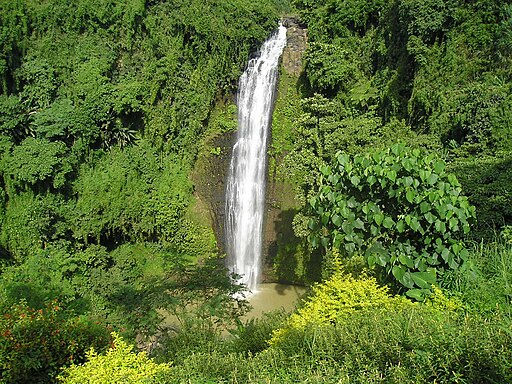
Takeaway – A Mountain That Demands Respect
Mount Dulang-Dulang stands apart not because it is tall, but because it is alive with meaning. Its moss-covered forests, mist-laden trails, and rich biodiversity reveal a mountain shaped by time, climate, and careful stewardship. Beyond its natural beauty lies a deep spiritual presence—one rooted in ancestral belief, cultural tradition, and reverence for the land.
To climb Mount Dulang-Dulang is not merely to reach a summit, but to undertake a pilgrimage through sacred ground. Every step passes through landscapes protected by indigenous wisdom, where rituals precede movement and respect guides the journey. The mountain reminds trekkers that not all peaks are meant to be conquered—some are meant to be understood.
As one of the Philippines’ most intact cloud forest ecosystems, Mount Dulang-Dulang depends on mindful exploration and long-term preservation. By honoring cultural protocols, supporting local communities, and treading lightly on its fragile terrain, visitors help ensure that this sacred mountain endures for generations to come. In doing so, Mount Dulang-Dulang remains what it has always been—a place where nature, spirit, and responsibility rise together.
Frequently Asked Questions
How tall is Mount Dulang-Dulang?
Mount Dulang-Dulang stands at 2,938 meters above sea level, making it the second-highest mountain in the Philippines, surpassed only by Mount Apo. Its elevation contributes to cooler temperatures, dense cloud forests, and challenging trekking conditions.
Is Mount Dulang-Dulang harder than Mount Apo?
While Mount Apo is higher, many trekkers find Mount Dulang-Dulang equally demanding, if not more challenging in certain aspects. Persistent rain, slippery moss-covered trails, limited clear weather windows, and stricter access regulations can make the climb physically and mentally taxing despite the absence of technical sections.
Can beginners hike Mount Dulang-Dulang?
Mount Dulang-Dulang is not recommended for beginners. The long trekking hours, high altitude, cold temperatures, and rugged terrain are best suited for experienced hikers or those who have completed multiple multi-day climbs and are well-prepared physically.
Are guides required to climb Mount Dulang-Dulang?
Yes. Local guides are mandatory for all Mount Dulang-Dulang treks. Guides ensure safety, enforce environmental rules, and help climbers follow cultural protocols set by the Talaandig community and local authorities.
Why is Mount Dulang-Dulang considered sacred?
Mount Dulang-Dulang is revered by the Talaandig people as an ancestral and spiritual landscape believed to be home to guardian spirits. Rituals and permissions are required before climbing, reflecting deep respect for indigenous beliefs and the mountain’s cultural significance.


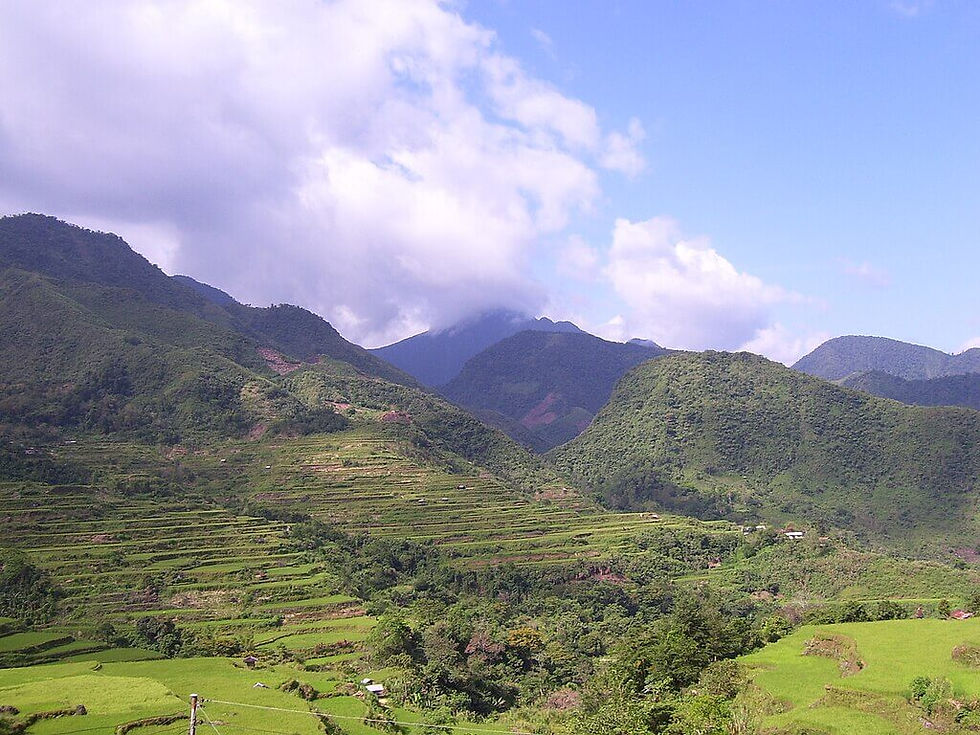

Mount Dulang Dulang is a mountain in Philippines.
Bukidnon❤️
❤️❤️❤️
The journey through Mount Dulang-Dulang unfolds within one of the country’s most enchanting cloud forest ecosystems. Moss-draped trees, fern-lined corridors, and mist-heavy air transform the trail into a living cathedral of green. Moisture clings to every branch and root, nurturing rare plants and wildlife while creating an atmosphere that feels both ancient and otherworldly. Here, nature moves at its own pace, wrapped in silence broken only by wind, rain, and distant forest calls.
Mount Dulang-Dulang (affectionately called "D2" by hikers) is the second-highest peak in the Philippines at 2,938 meters, its height is often the least interesting thing about it once you set foot on its slopes.