
Mount Hamiguitan Range Wildlife Sanctuary: A Haven for Biodiversity in the Philippines

Mount Hamiguitan Range Wildlife Sanctuary in Mindanao, Philippines, is a UNESCO World Heritage Site known for its rich biodiversity. Spanning 16,923 hectares, it features diverse ecosystems and unique species. Visitors can explore the Bonsai Forest, see rare plants, and enjoy stunning landscapes. Discover what makes this sanctuary a global conservation treasure.
Key Takeaways
Mount Hamiguitan Range Wildlife Sanctuary spans 16,923 hectares and is a UNESCO World Heritage Site, recognized for its exceptional biodiversity and endemic species.
The sanctuary features five distinct ecosystems, including the unique Bonsai Forest and Mossy Pygmy Forest, which are critical habitats for numerous endemic and endangered species.
Conservation efforts involve collaboration with local communities, educational initiatives, and strict management strategies to protect the sanctuary from threats such as illegal logging and land conversion.
Discovering Mount Hamiguitan Range Wildlife Sanctuary

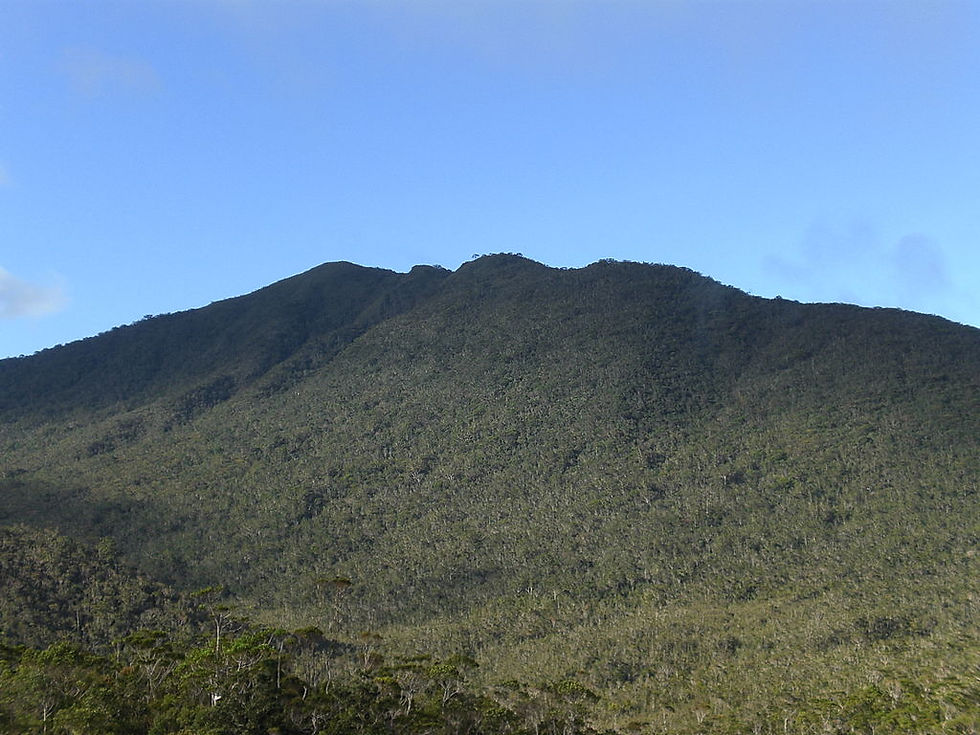
Mount Hamiguitan Range Wildlife Sanctuary, located in the southeastern Philippines on Mindanao Island in the southern Philippines, spans an impressive 16,923 hectares in Davao Oriental Province. This sanctuary is not just a vast expanse of land; it is a vibrant tapestry of life, housing diverse terrestrial and aquatic habitats essential for maintaining its rich biodiversity. The variety of habitats here, from tropical rainforests to cloud forests and dwarf forests, creates a unique ecological makeup within the mountain range.
In 2014, Mount Hamiguitan was recognized as a UNESCO World Heritage Site, a testament to its exceptional regional biodiversity and endemism. This designation highlights the global significance of preserving its natural environment and endemic species.
Bordered by the Davao Gulf and the Pacific Ocean, Mount Hamiguitan’s distinct geographical context further enhances its ecological diversity. Managed as timberland, this area highlights the delicate balance between resource management and conservation. With municipalities like the City of Mati and San Isidro overlapping its boundaries, Mount Hamiguitan is a sanctuary that bridges nature and community.
Getting to Mount Hamiguitan
Reaching Mount Hamiguitan Range Wildlife Sanctuary is an adventure in itself. The journey includes:
Starting at Davao International Airport, the nearest major airport.
Taking a bus to the city of Mati, the closest town to the sanctuary.
Enjoying a scenic view of the southeastern coast of Mindanao during the ride, setting the tone for the natural wonders that lie ahead.
Once in Mati, local transport options such as tricycles or motorcycles can take visitors to the sanctuary’s entrance. The road leading to Mount Hamiguitan is accessible, but a vehicle with good clearance is recommended to navigate the terrain comfortably.
Local inns and hotels in Mati offer convenient accommodations for extended stays. Regardless of whether you’re a seasoned traveler or a first-time visitor, the journey to Mount Hamiguitan is worth every mile.
Unique Ecosystems of Mount Hamiguitan

Mount Hamiguitan’s unique ecosystems are a mosaic of natural wonders. The sanctuary boasts five distinct vegetation types:
Agro-ecosystem
Dipterocarp forest
Montane forest
Typical mossy forest
Mossy-pygmy forest
Each ecosystem supports a variety of plant and animal species, making Mount Hamiguitan one of the most diverse wildlife populations habitats in the region. Visitors can immerse themselves in this biodiversity through guided tours and trekking adventures.
The following subsections will delve deeper into the sanctuary’s endemic flora and fauna, the enchanting Bonsai Forest, and the intriguing Mossy Pygmy Forest.
Endemic Flora and Fauna
Mount Hamiguitan boasts 341 identified endemic species among its flora belonging and fauna. This high proportion of endemic species underscores the sanctuary’s role as a critical habitat for biodiversity. Among the unique flora, the endangered Rafflesia stands out with its large, striking flowers, making it a botanical marvel. The montane forest, in particular, is a hotspot for numerous species, with the highest species richness of 86 recorded endemic species thriving in this environment, including native flora and rare species.
The genus Nepenthes, known for its Pitcher plant, includes several species of endemic species found in the higher altitudinal forests of Mount Hamiguitan. These pitcher plants have adapted to the nutrient-poor soil by evolving to capture and digest insects, showcasing nature’s ingenuity.
Mount Hamiguitan’s rich biodiversity underscores its importance in preserving globally threatened species and maintaining ecological balance for animals.
The Bonsai Forest
One of Mount Hamiguitan’s most enchanting features is its mountain Bonsai Forest, an ecosystem where trees grow in low, twisted forms resembling traditional Japanese bonsai. Characterized by their thin and gnarled appearance, these trees have adapted to the sanctuary’s harsh conditions, creating a surreal and captivating landscape.
Wandering through the Bonsai Forest feels like stepping into a hidden garden where century-old trees stand as living sculptures. This ecosystem highlights nature’s resilience and adaptability, while also adding to the sanctuary’s aesthetic appeal. The Bonsai Forest is a must-visit for anyone looking to experience the extraordinary beauty of Mount Hamiguitan’s flora.
Mossy Pygmy Forest
The Mossy Pygmy Forest of Mount Hamiguitan is another remarkable ecosystem characterized by its high humidity, cooler temperatures, and unique biodiversity. Trees in this forest are typically less than two meters tall, a result of the stunted growth conditions imposed by the environment. This forest is home to various endemic species that have adapted to these challenging conditions, making it a vital component of the sanctuary’s biodiversity.
The Mossy Pygmy Forest reveals a world of moss-covered trees forming a thick, green canopy, with air filled with the scent of damp earth and foliage. This ecosystem testifies to the sanctuary’s ecological diversity and the intricate balance of life thriving within its boundaries.
Conservation Efforts and Challenges

Conservation efforts at Mount Hamiguitan are vital due to the threats of illegal logging, land conversion, and mining activities. These activities threaten the sanctuary’s ecosystems and the species that depend on them. Slash-and-burn farming practices and excessive harvesting further exacerbate these threats, necessitating stringent conservation measures.
The Mount Hamiguitan Protected Area Management Board (PAMB) collaborates with local officials, NGOs, and academic institutions to enforce regulations and enhance management effectiveness. Conservation activities are driven by various organizations aiming to protect the sanctuary’s critical habitats and the six critically endangered plant species found within. Local communities also play a vital role in conservation efforts, utilizing their traditional knowledge and beliefs to support environmental protection.
The sanctuary limits the number of hikers to 30 at a time during trekking activities to minimize environmental impact. This measure ensures that the delicate ecosystems of Mount Hamiguitan are preserved for future generations. Despite the challenges, ongoing conservation efforts and community engagement offer hope for the continued protection of this biodiversity haven.
Visitor Experience at Mount Hamiguitan

Visitors to Mount Hamiguitan can expect a unique and enriching experience. The sanctuary offers various accommodation options, primarily through its eight campsites, which can collectively accommodate up to 700 people. While hygiene facilities are not yet equipped to handle significantly higher visitor numbers, the existing amenities ensure a comfortable stay for those looking to immerse themselves in nature.
The following subsections will explore the key attractions and activities that make a visit to Mount Hamiguitan truly unforgettable.
Hamiguitan Natural Science Museum
The Hamiguitan Natural Science Museum serves as the gateway to the sanctuary, offering visitors an interactive experience that educates them about the diverse wildlife and ecosystems of Mount Hamiguitan. Located in San Isidro, the museum is a treasure trove of information, featuring exhibits that highlight the sanctuary’s unique flora and fauna.
Visitors can explore displays on the Philippine Eagle, the Philippine Cockatoo, and other iconic species, gaining a deeper understanding of the sanctuary’s ecological significance. The museum also offers insights into the conservation efforts and challenges faced by Mount Hamiguitan, making it an essential stop for anyone wanting to learn more about this UNESCO World Heritage Site.
Trekking and Trails
Trekking through Mount Hamiguitan is an adventure that allows visitors to explore its diverse ecosystems and witness its unique flora and fauna firsthand. The San Isidro trekking trail is accessible year-round, providing an opportunity for visitors to experience the sanctuary’s natural beauty at different times of the year. For those seeking a more challenging hike, the Governor Generoso trail offers a more rugged terrain and requires special bookings.
Guided trekking tours cater to various skill levels, ensuring an enjoyable experience for both beginners and seasoned hikers. Over the course of three days, trekkers can explore the montane forest, the mossy pygmy forest, and the bonsai forest, each offering a unique glimpse into Mount Hamiguitan’s rich biodiversity.
Whether it’s birdwatching, photography, or simply soaking in the natural surroundings, trekking at Mount Hamiguitan is a journey of discovery.
Attractions and Activities
Mount Hamiguitan is home to several stunning attractions that enhance the visitor experience:
The Hidden Garden, a secluded area within the sanctuary, offers a tranquil escape where visitors can immerse themselves in nature’s beauty.
Twin Falls, a popular spot showcasing the sanctuary’s picturesque landscapes.
Tinagong Dagat, a mystical lake that is another popular attraction within the sanctuary.
These attractions, along with the sanctuary’s various waterfalls and scenic views, provide ample opportunities for exploration and relaxation. Whether it’s taking a refreshing dip in the falls or enjoying the serene ambiance of the Hidden Garden, Mount Hamiguitan offers activities that cater to all interests and preferences.
Scientific Research and Biodiversity Studies
Scientific research plays a crucial role in the conservation of Mount Hamiguitan. The sanctuary is an important focus for conservation due to its numerous endemic and endangered species. Research efforts aim to protect these habitats through proper conservation strategies, supported by biodiversity assessments and management strategies. Organizations such as Central Mindanao University, the Philippine Eagle Foundation, and the University of the Philippines-Mindanao are actively involved in these efforts.
The Eastern Mindanao Biodiversity Corridor Assessment and Archiving Project (EMCBAAP) is another key initiative that seeks to assess and archive threatened biodiversity resources, strengthening the capacity of local stakeholders. Through these research and conservation efforts, Mount Hamiguitan continues to be a vital sanctuary for preserving the region’s rich biodiversity.
Local Communities and Cultural Significance
Local and indigenous people communities play an integral role in the conservation of Mount Hamiguitan. These communities have developed lifestyles that emphasize environmental respect and sustainable resource use, aligning with the sanctuary’s conservation goals. The harsh conditions of Mount Hamiguitan deter human settlements that do not align with a symbiotic relationship with the environment, ensuring that the sanctuary remains protected from over-exploitation.
The Mount Hamiguitan Protected Area Management Board incorporates community engagement in its management strategies, enhancing conservation efforts through traditional practices and cultural beliefs. Indigenous knowledge and practices are invaluable in protecting the biodiversity of Mount Hamiguitan, demonstrating the crucial role that local communities play in preserving this natural heritage.
Climate and Geography
Mount Hamiguitan’s climate change and geography are key factors in its rich biodiversity. The region experiences a Type IV climate, characterized by consistent rainfall throughout the year, with an average annual temperature of 27.8°C. This climate supports a variety of ecosystems, including tropical rainforests, cloud forests, and mossy pygmy forests, each contributing to the sanctuary’s biodiversity.
The sanctuary’s geographical structure is shaped by both magmatic and tectonic forces from the Philippine Sea Plate’s movement, resulting in a diverse range of different elevations from 75 to 1,637 meters above sea level. This varied topography, combined with rich soil and abundant water sources, creates an environment where flora and fauna can thrive.
The bonsai forest and mossy pygmy forest are prime examples of how unique environmental conditions have led to the development of distinct ecosystems within Mount Hamiguitan.
Important Species of Mount Hamiguitan

Mount Hamiguitan is home to some of the most significant species in the Philippines, including the critically endangered Philippine Eagle, known as the largest living eagle in the world. This iconic bird is a symbol of the sanctuary’s ecological importance and highlights the need for ongoing conservation efforts. The Philippine Cockatoo, with its striking white plumage and yellow crest, is another critically endangered species found within the sanctuary.
The sanctuary records over 100 bird species, many of which are endemic to the Philippines, including the globally threatened species exclusive to Mount Hamiguitan. These species play a crucial role in the biodiversity of the sanctuary, making it a critical habitat for their survival. Protecting these species is not only vital for biodiversity but also for maintaining the ecological balance of the region.
Management and Protection Strategies
The management and protection of Mount Hamiguitan are overseen by the Mount Hamiguitan Protected Area Management Board (PAMB). The sanctuary is divided into two zones: a strict protection zone and a buffer zone, allowing for effective management and conservation of its diverse ecosystems. Regular monitoring and patrol activities are conducted to ensure the sanctuary’s protection, addressing threats such as illegal logging and land conversion.
Funding for the sanctuary’s management comes from various sources, including:
Significant contributions from the Office of the Representative Davao City Or. 2nd District
Kalumunan Development Center
The Municipality of San Isidro
These efforts and resources are essential for safeguarding Mount Hamiguitan’s unique biodiversity and ensuring its preservation for future generations.
Summary
Mount Hamiguitan Range Wildlife Sanctuary stands as a beacon of biodiversity and natural beauty in the Philippines. Its designation as a UNESCO World Heritage Site highlights its global importance and the need for continued conservation efforts. From its unique ecosystems, such as the Bonsai Forest and Mossy Pygmy Forest, to its rich array of endemic species, Mount Hamiguitan offers a glimpse into nature’s resilience and adaptability.
Visiting Mount Hamiguitan is not just an exploration of stunning landscapes but also an opportunity to learn about and contribute to conservation efforts. Whether through trekking, visiting the Hamiguitan Natural Science Museum, or engaging with local communities, each experience at the sanctuary underscores the importance of preserving this natural treasure. Let Mount Hamiguitan inspire you to appreciate and protect the world’s biodiversity.
Frequently Asked Questions
What makes Mount Hamiguitan Range Wildlife Sanctuary unique?
Mount Hamiguitan Range Wildlife Sanctuary is unique for its diverse ecosystems and a high number of endemic species, alongside its designation as a UNESCO World Heritage Site, highlighting its critical role in biodiversity conservation.
How can I get to Mount Hamiguitan?
To reach Mount Hamiguitan, fly into Davao International Airport, then take a bus to Mati and use local transport such as tricycles or motorcycles to get to the sanctuary.
What are some of the key attractions at Mount Hamiguitan?
Mount Hamiguitan features notable attractions such as the Bonsai Forest, Mossy Pygmy Forest, Hidden Garden, Twin Falls, and Tinagong Dagat, each providing distinctive natural beauty and exploration opportunities.
What conservation efforts are in place at Mount Hamiguitan?
Mount Hamiguitan is protected by regular monitoring and patrols, community engagement, and strict zoning regulations, with these efforts bolstered by funding from both governmental and non-governmental sources.
What role do local communities play in the conservation of Mount Hamiguitan?
Local communities play a crucial role in the conservation of Mount Hamiguitan by integrating traditional practices and cultural beliefs into management strategies, ensuring sustainable stewardship of the sanctuary. Their active participation enhances the effectiveness of conservation efforts.


Mount Hamiguitan Range Wildlife Sanctuary ❤️
Mount wildlife sanctuary is a site that has a land portioned.
What a beautiful mount hamiguitan 🫶
Mount Hamiguitan Range Wildlife Sanctuary, located in the southeastern Philippines on Mindanao Island in the southern Philippines, spans an impressive 16,923 hectares in Davao Oriental Province. This sanctuary is not just a vast expanse of land; it is a vibrant tapestry of life, housing diverse terrestrial and aquatic habitats essential for maintaining its rich biodiversity. The variety of habitats here, from tropical rainforests to cloud forests and dwarf forests, creates a unique ecological makeup within the mountain range.
Hamiguitan reminds us that conservation works when people choose to care. 🩵❤️🇵🇭