
Top Holy Week Food in the Philippines: Traditional Dishes You Must Try

A Time of Faith, Reflection, and Simplicity

During Holy Week in the Philippines, kitchens grow quieter. Meals become simpler. Families gather after long church services, sharing modest dishes that reflect the solemn rhythm of the season. It is a time when food steps back from indulgence and takes on a deeper meaning—one rooted in faith and reflection.
Holy Week is one of the most important religious observances in the Philippines, where Catholic traditions are deeply woven into everyday life. From Palm Sunday to Easter Sunday, Filipinos commemorate the passion, death, and resurrection of Christ through prayer, fasting, and community rituals. Food plays a quiet yet powerful role during this time, shaped by the practices of abstinence and simplicity.
Rather than elaborate feasts, Holy Week meals reflect sacrifice, humility, and tradition. Meat is often set aside, replaced by vegetables, seafood, and light, nourishing dishes. These meals are not just about sustenance—they are expressions of devotion and discipline.
In this guide, we’ll explore the traditional foods of Holy Week, regional specialties across the Philippines, and the cultural meanings behind each dish—revealing how even the simplest meals can carry profound significance.
Table of Contents - Top Holy Week Food in the Philippines
Why Food Matters During Holy Week
Food during Holy Week in the Philippines is guided by faith, discipline, and tradition. Rooted in Catholic teachings, many Filipinos observe fasting and abstinence, particularly on Good Friday. This means limiting food intake and avoiding meat, transforming everyday meals into intentional acts of sacrifice and reflection.
As a result, the table shifts toward fish, vegetables, and simple dishes. Grilled fish, dried fish, sautéed greens, tofu, and light soups become staples during this period. These meals are not meant to impress or indulge but to nourish quietly, aligning with the solemn mood of the week. The absence of rich or festive food serves as a reminder of humility and spiritual focus.
More than a dietary change, food becomes a spiritual practice. Preparing and eating simple meals encourages mindfulness, self-control, and a deeper connection to the meaning of the season. Each dish reflects a conscious choice to step back from excess and embrace simplicity.
This tradition also strengthens cultural continuity across generations. Recipes are passed down, practices are preserved, and families gather to share meals after church rituals. In this way, Holy Week food becomes more than sustenance—it becomes a living expression of faith, identity, and community.

Key Food Traditions During Holy Week
Holy Week in the Philippines is guided by long-standing food traditions that reflect faith, restraint, and community. These practices are not just dietary—they are deeply cultural, passed down through generations.
No Meat on Fridays (Especially Good Friday)
One of the most widely observed traditions is abstaining from meat, particularly on Good Friday. Pork, beef, and chicken are set aside as an act of sacrifice, in line with Catholic teachings. This practice shifts the focus of meals toward simpler, more humble ingredients.
Simple, Plant-Based or Seafood Meals
During Holy Week, meals are intentionally modest. Families rely on fish, vegetables, tofu, and legumes, prepared through light cooking methods such as grilling, sautéing, or simmering. Dishes like ginisang gulay, inihaw na isda, and vegetable-based stews highlight nourishment without excess, aligning with the reflective nature of the season.
Shared Family Meals After Church Rituals
After attending church services, processions, or Visita Iglesia, families gather for quiet meals at home. These shared moments reinforce the importance of togetherness and reflection, where food becomes a way to reconnect and observe the solemnity of the week.
Regional Dishes Tied to Local Traditions
Across the Philippines, Holy Week foods vary by region. In the Visayas, binignit is a staple, while in other areas, rice cakes and vegetable dishes take center stage. These local specialties reflect the diversity of Filipino culture while maintaining a shared spiritual purpose.
Top Holy Week Foods in the Philippines
Holy Week in the Philippines brings a shift toward simple, meat-free, and deeply meaningful dishes. These foods reflect both religious practices and regional traditions, offering comfort while honoring the spirit of sacrifice.
Binignit / Ginataang Halo-Halo (Visayas & Mindanao)
A beloved Holy Week staple in the Visayas and Mindanao, binignit is a warm, coconut milk-based dish filled with sweet potatoes, saba bananas, tapioca pearls, and jackfruit. Thick, creamy, and naturally sweet, it serves as both dessert and sustenance during fasting days—comforting, filling, and symbolic of nourishment during restraint.
Bacalao (Salted Cod Dish)
Influenced by Spanish Catholic traditions, bacalao features salted cod fish cooked with tomatoes, potatoes, garlic, and sometimes olives. Its rich flavor comes from preserved fish rather than meat, making it a perfect Lenten dish that balances depth with tradition.
Pancit Habhab (Lucban, Quezon)
This iconic noodle dish from Lucban is served on a banana leaf and eaten without utensils. Traditionally simple, pancit habhab can be made meatless or easily adapted for Holy Week. Its light seasoning and communal style of eating reflect the humble spirit of the season.
Ginisang Gulay (Sautéed Vegetables)
A daily staple during Holy Week, ginisang gulay combines mixed vegetables—such as cabbage, carrots, squash, and green beans—sautéed with garlic, onions, and a touch of fish sauce. It is nutritious, affordable, and aligns perfectly with fasting practices.
Tortang Talong (Eggplant Omelet)
Simple yet satisfying, tortang talong features grilled eggplant flattened and dipped in egg before frying. With its smoky flavor and soft texture, it’s a popular meat-free dish that pairs well with rice, offering both comfort and nourishment.
Inihaw na Isda (Grilled Fish)
Fresh fish grilled over charcoal is a Holy Week essential. Lightly seasoned and served with a vinegar dipping sauce, inihaw na isda embodies simplicity while delivering clean, natural flavors.
Laing (Bicol Region)
From the Bicol Region, laing is made with dried taro leaves slowly simmered in coconut milk, chili, and aromatics. Rich and creamy yet still compliant with meat abstinence, it adds depth and regional character to Holy Week meals.
Kakanin (Filipino Rice Cakes)
A variety of traditional rice-based delicacies—such as suman, bibingka, and kutsinta—are commonly enjoyed during Holy Week. Made from rice and coconut milk, these treats are often shared after church or during family gatherings, symbolizing unity and tradition.

Regional Variations of Holy Week Food
Across the Philippines, Holy Week food traditions vary by region, shaped by local ingredients, climate, and cultural influences. While the spirit of simplicity and abstinence remains the same, each region expresses it through its own distinct flavors.
Visayas: Binignit as a Staple
In the Visayas, Holy Week is closely associated with binignit, a rich yet comforting dish made with coconut milk, root crops, bananas, and tapioca pearls. Often eaten as a snack or light meal, it provides energy during fasting days while reflecting the region’s abundance of tropical ingredients.
Bicol: Coconut Milk–Based Dishes
Known for its love of coconut and spice, the Bicol Region features dishes like laing and other ginataan recipes during Holy Week. Vegetables simmered in creamy coconut milk create meals that are flavorful yet still compliant with meat abstinence. The use of coconut highlights the region’s agricultural identity.
Luzon: Pancit, Vegetables, and Kakanin
In many parts of Luzon, Holy Week meals focus on pancit dishes, sautéed vegetables, grilled fish, and a variety of kakanin such as suman and bibingka. These foods are simple, accessible, and often shared after church visits, reinforcing family traditions.
Local Ingredients Shape Traditions
Ultimately, regional differences are guided by what is locally available—fresh seafood in coastal areas, root crops in rural provinces, and leafy vegetables from local markets. This reliance on local produce ensures that Holy Week food remains both practical and deeply connected to place.
These regional variations highlight the richness of Filipino culture—showing how one shared tradition can be expressed in many flavorful and meaningful ways.
The Role of Fasting and Abstinence
Fasting and abstinence are central to how Filipinos observe Holy Week, reflecting both religious devotion and cultural tradition. Rooted in Catholic teachings, these practices are most strictly followed on Ash Wednesday and Good Friday, considered the most solemn days of the season.
On these days, many Filipinos observe fasting by limiting themselves to one full meal and two lighter meals, while also practicing abstinence from meat. This means avoiding pork, beef, and chicken, and instead turning to fish, vegetables, and simple dishes. The purpose is not merely dietary—it is spiritual. By reducing physical indulgence, individuals are encouraged to reflect more deeply on sacrifice, humility, and faith.
Beyond rules, fasting becomes a form of spiritual discipline. It teaches self-control, mindfulness, and intentional living. Meals are simplified, portions are smaller, and eating becomes less about pleasure and more about purpose. This quiet shift transforms food into an act of devotion rather than indulgence.
In the Philippines, these practices are also shaped by cultural adaptation. While rooted in Catholic doctrine, Filipino communities have embraced and localized them through traditional dishes and shared customs. Families gather after church, preparing modest meals that reflect both faith and heritage.
Through fasting and abstinence, Holy Week food becomes more than nourishment—it becomes a meaningful expression of belief, discipline, and cultural identity.

Cultural Meaning – Food as Faith and Family
During Holy Week in the Philippines, food becomes more than daily sustenance—it becomes an expression of faith. Meals are prepared with intention, often simple and restrained, reflecting the solemnity of the season. Choosing fish over meat, vegetables over rich dishes, and modest portions over abundance is not just a dietary adjustment—it is a quiet act of devotion, aligning everyday life with spiritual reflection.
Food also plays a central role in family bonding, especially after long days of church visits, processions, and traditions like Visita Iglesia. Families return home to share humble meals, creating moments of connection in a time meant for reflection. These gatherings are not elaborate, but they are meaningful—filled with conversation, shared silence, and a sense of togetherness that strengthens familial ties.
Beyond the home, Holy Week food serves as a marker of cultural identity. Across regions, traditional dishes—whether binignit in the Visayas or kakanin in Luzon—carry stories passed down through generations. Preparing and sharing these foods reinforces a collective memory, where faith and culture are deeply intertwined.
In this way, Holy Week meals in the Philippines become a bridge between belief and belonging—where food quietly reflects both spiritual devotion and the enduring strength of family.
Modern Changes in Holy Week Food Traditions
While Holy Week in the Philippines remains deeply rooted in faith, modern lifestyles have begun to reshape how food traditions are practiced. Despite these changes, the essence of simplicity and reflection continues to endure.
Rise of Holy Week Travel and Dining Out
In recent years, many Filipinos use Holy Week as an opportunity to travel—heading to beaches, provinces, or pilgrimage sites. This shift has led to more people dining out instead of preparing meals at home, changing the traditional rhythm of home-cooked Lenten dishes.
Restaurant Adaptations of Lenten Menus
Restaurants across the Philippines now offer special Holy Week menus, featuring seafood, vegetable-based dishes, and meat-free options. From grilled fish to modern plant-based creations, dining establishments have adapted to meet the needs of customers observing fasting and abstinence.
Younger Generations and Evolving Practices
Younger Filipinos are approaching Holy Week traditions with a mix of respect and flexibility. While some strictly follow fasting rules, others observe in more personal ways—focusing on reflection while adapting food practices to modern lifestyles.
Continued Importance of Tradition
Despite these changes, the core values remain intact. Families still gather, simple meals are still shared, and traditional dishes continue to appear on the table. Whether at home or in a restaurant, Holy Week food remains a meaningful expression of faith and cultural identity.

Travel Tips: Experiencing Holy Week Food in the Philippines
Experiencing Holy Week in the Philippines offers a unique cultural and culinary journey. However, it requires thoughtful planning and respect for local traditions.
Expect Limited Restaurant Options on Good Friday
Good Friday is one of the most solemn days in the country. Many restaurants, shops, and even tourist establishments may be closed or operating on reduced hours. Plan your meals ahead and expect a quieter, slower pace of dining.
Visit Local Markets for Authentic Food
For a more authentic experience, explore local wet markets (palengke). These markets offer fresh seafood, vegetables, and traditional snacks commonly prepared during Holy Week. It’s also a great way to see how locals shop and prepare their meals during this time.
Respect Religious Practices
Holy Week is deeply sacred for many Filipinos. Be mindful when dining, especially in areas with ongoing processions or church activities. Dress modestly, avoid loud behavior, and understand that food during this time is closely tied to faith and reflection.
Try Regional Specialties
Each region has its own Holy Week dishes—binignit in the Visayas, laing in Bicol, and kakanin across Luzon. Traveling during this period gives you the opportunity to taste these local specialties in their most authentic setting.
With the right mindset, Holy Week becomes more than a trip—it becomes a meaningful cultural experience through food, tradition, and faith.
Takeaway – A Taste of Faith and Tradition
Holy Week food in the Philippines is defined by its simplicity, purpose, and meaning. From vegetable dishes and grilled fish to regional specialties like binignit and kakanin, these meals reflect a quiet shift away from indulgence toward reflection. Every dish tells a story of restraint, nourishment, and tradition—reminding us that food can be both humble and deeply significant.
More than just a seasonal practice, Holy Week meals embody the cultural and spiritual identity of the Filipino people. They connect generations, reinforce faith, and turn everyday cooking into an act of devotion.
For travelers and locals alike, experiencing Holy Week food is an invitation to slow down and observe with respect. In doing so, you don’t just taste the cuisine—you become part of a tradition where food, faith, and family come together in meaningful harmony.

Frequently Asked Questions
What food is eaten during Holy Week in the Philippines?
During Holy Week, Filipinos typically eat fish, seafood, vegetables, and simple dishes. Popular foods include grilled fish (inihaw na isda), sautéed vegetables (ginisang gulay), rice cakes (kakanin), and regional specialties like binignit in the Visayas.
Why do Filipinos avoid meat during Holy Week?
Avoiding meat—especially on Good Friday—is part of Catholic abstinence practices. It symbolizes sacrifice, discipline, and respect for the suffering of Christ. Instead, meals focus on humble, meat-free alternatives.
What is binignit?
Binignit is a traditional Filipino dish made with coconut milk, sweet potatoes, bananas, tapioca pearls, and jackfruit. It is commonly eaten during Holy Week, especially in the Visayas, as a filling and comforting meal during fasting days.
Is it safe to travel during Holy Week?
Yes, it is generally safe to travel, but expect heavy traffic, crowded destinations, and limited services on key days like Good Friday. Planning ahead is important for a smoother experience.
What closes during Good Friday?
Many businesses—including restaurants, malls, and tourist attractions—may be closed or operate on reduced hours. Public transportation can also be limited, as the day is widely observed as solemn and sacred.

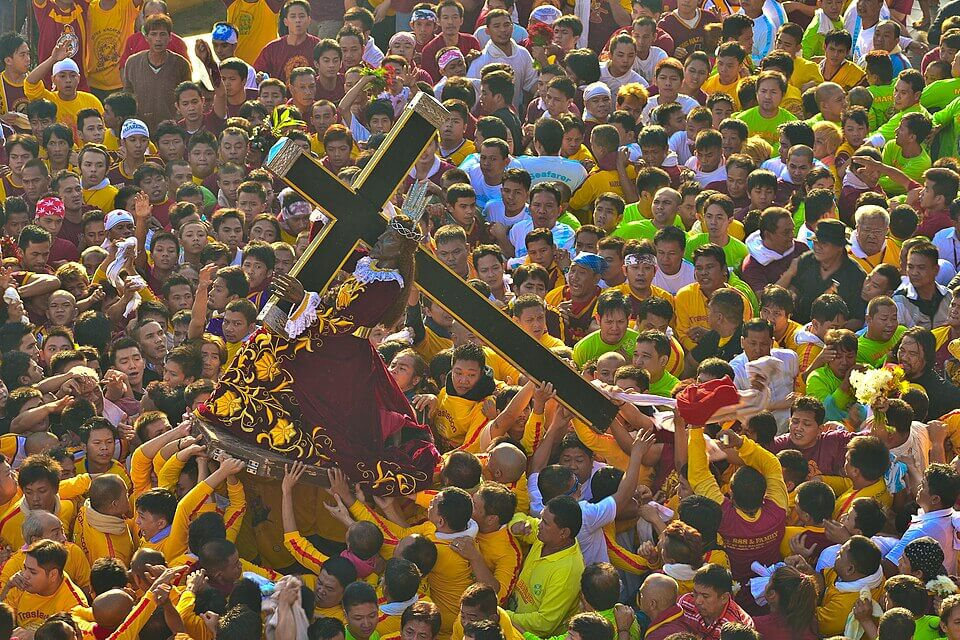


Holy week food is a simply same in typical food as there a fasting and abstinence.
Fasting and abstinence are central to how Filipinos observe Holy Week, reflecting both religious devotion and cultural tradition. Rooted in Catholic teachings, these practices are most strictly followed on Ash Wednesday and Good Friday, considered the most solemn days of the season.
Filipino food is a big part of our culture and identity, and during Holy Week, the traditional dishes make the celebration even more special and meaningful...