


Best Places to Experience Holy Week in the Philippines - Ultimate Travel Guide
- KGM Resorts
- Mar 25
- 13 min read

A Sacred Journey Through the Philippines
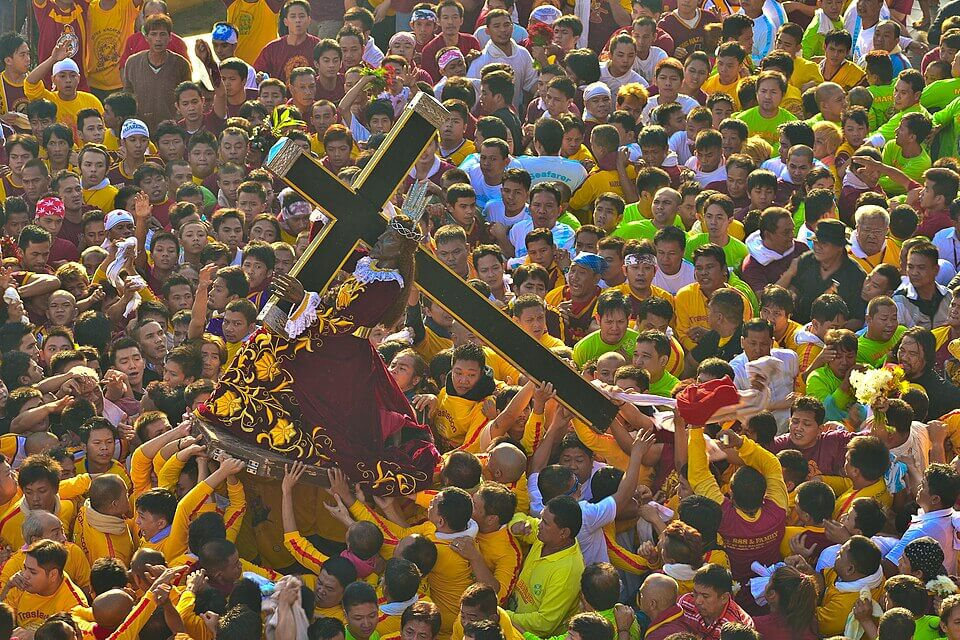
Holy Week in the Philippines is one of the most powerful religious and cultural experiences in the world. Known locally as Semana Santa Philippines, this sacred period transforms the entire nation into a space of reflection, devotion, and tradition. Rooted in centuries of Catholic influence, the country’s deep faith is expressed through rituals that are both solemn and deeply communal.
Across the archipelago, Holy Week Philippines is observed in both bustling cities and quiet rural towns. Streets fill with candlelit processions, churches become centers of prayer, and families gather to participate in age-old practices passed down through generations. From grand urban reenactments to intimate provincial observances, the experience varies—but the sense of reverence remains constant.
What makes Philippines Holy Week traditions truly unique is their blend of Spanish colonial influence, indigenous practices, and Filipino cultural identity. The result is a deeply immersive journey that goes beyond religious observance—it becomes a cultural encounter that invites visitors to witness faith in its most visible and heartfelt form.
Whether you’re traveling for spiritual reflection or cultural discovery, Best Places to Experience Holy Week in the Philippines offers both moving and unforgettable.
Table of Contents - Best Places to Experience Holy Week in the Philippines
What Makes Holy Week in the Philippines Unique
What sets Holy Week Philippines apart is the depth and visibility of faith expressed across the entire country. Unlike many places where religious observance is confined within churches, the Philippines brings devotion into the streets through powerful public rituals. During Good Friday Philippines, towns and cities come alive with solemn processions, life-sized religious images, and even dramatic reenactments of Christ’s Passion. In some areas, penitents perform acts of sacrifice as a form of personal devotion, creating a deeply moving and unforgettable experience.
Another defining aspect of Filipino Holy Week traditions is the strong sense of community participation. Families, neighborhoods, and entire towns take part in organizing events, chanting prayers, and maintaining traditions that have been passed down through generations. Whether in urban centers like Manila or rural provinces, the collective involvement creates a shared spiritual atmosphere that unites people across the archipelago.
At its core, Holy Week in the Philippines reflects a unique blend of religious traditions Philippines inherited from Spanish colonial influence, combined with indigenous beliefs and local cultural expressions. This fusion results in a rich, immersive experience where faith, history, and identity come together—making it one of the most distinctive Holy Week celebrations in the world.

Top Places to Experience Holy Week in the Philippines
San Fernando, Pampanga – Devotion and Reenactments
Among the most intense and widely recognized Holy Week observances in the country takes place in San Fernando, Pampanga. Known for its dramatic expressions of faith, this destination draws both pilgrims and curious travelers during Pampanga Holy Week.
The highlight occurs on Good Friday, when devotees reenact the crucifixion of Christ in Barangay San Pedro Cutud. In a powerful display of devotion, some participants voluntarily undergo actual crucifixion, while others perform acts of penance such as self-flagellation. These rituals, deeply rooted in personal faith and sacrifice, are meant to express repentance and spiritual renewal.
While the crucifixion Philippines reenactments are the most well-known aspect, the entire Holy Week in Pampanga is filled with processions, prayers, and community participation. Streets become stages for religious storytelling, and locals actively take part in preserving these traditions.
For visitors, San Fernando offers a rare and deeply moving glimpse into the extremes of Filipino devotion—an experience that is both culturally significant and spiritually profound.
Marinduque – The Moriones Festival
Known as the heart of Moriones Festival, Marinduque offers one of the most colorful and culturally rich Holy Week celebrations in the country. Unlike the solemn tone seen in many regions, Marinduque Holy Week blends religious devotion with theatrical storytelling rooted in tradition.
During the festival, locals dress as Roman soldiers—called “Moriones”—wearing intricately crafted masks and costumes. These masked figures roam the streets throughout Holy Week, reenacting the biblical story of Longinus, the Roman centurion who pierced the side of Christ and was later converted to Christianity. The narrative builds throughout the week and culminates in a dramatic capture and reenactment on Easter Sunday.
Beyond the performances, the Moriones Festival reflects deep community participation and artistic expression. Mask-making, costume design, and storytelling are passed down through generations, making the event both a religious observance and a celebration of local identity.
For travelers, Marinduque offers a unique Holy Week experience—one that combines faith, folklore, and festival energy into a vibrant and unforgettable cultural encounter.
Manila (Quiapo & Intramuros) – Urban Faith
Holy Week in Manila offers a powerful blend of faith and history, where centuries-old traditions unfold in the heart of a bustling metropolis. From the crowded streets of Quiapo to the historic walls of Intramuros, the city becomes a center of devotion during this sacred period.
In Quiapo, the Quiapo Church plays a central role in Quiapo Church Holy Week observances. Devotion to the Black Nazarene intensifies, with thousands of devotees joining processions, prayers, and religious gatherings. The atmosphere is deeply emotional, marked by collective faith and spiritual intensity.
Meanwhile, Intramuros provides a more reflective setting for Intramuros Holy Week traditions. Within its cobblestone streets and Spanish-era churches—such as San Agustin Church—visitors can witness solemn processions, Visita Iglesia (church visits), and quiet moments of prayer. The historic surroundings add depth and authenticity to the experience, transporting visitors back in time.
Together, Quiapo and Intramuros showcase two sides of Manila’s Holy Week—one intense and communal, the other contemplative and steeped in history—offering a meaningful urban expression of Filipino faith.

Vigan, Ilocos Sur – Heritage and Tradition
Step back in time during Holy Week in Vigan, where centuries-old traditions unfold against one of the best-preserved colonial landscapes in Asia. Recognized for its Spanish-era architecture, Vigan offers a uniquely atmospheric setting for Vigan Holy Week, blending faith, history, and culture into a deeply immersive experience.
One of the most memorable highlights is the candlelit processions that wind through the city’s cobblestone streets, particularly along Calle Crisologo. As religious images are carried through the town, the glow of candles illuminates ancestral homes, creating a solemn and almost timeless scene. These processions are quiet, reverent, and deeply moving—reflecting the essence of traditional Holy Week observance.
The city’s historic churches, including Saint Paul Metropolitan Cathedral, serve as focal points for prayer, Visita Iglesia, and community gatherings. Here, visitors can witness how Ilocos traditions have preserved the spiritual significance of the season while maintaining strong ties to local heritage.
For those seeking a more reflective and culturally rich experience, Vigan offers a rare opportunity to celebrate Holy Week in a setting where history and devotion come together beautifully.
Antipolo, Rizal – Pilgrimage Capital
Perched in the hills east of Metro Manila, Antipolo is widely regarded as one of the country’s most important pilgrimage sites, especially during Holy Week. Known for its long-standing traditions of faith and devotion, Antipolo pilgrimage journeys draw thousands of devotees each year seeking reflection, prayer, and spiritual renewal.
A defining practice during this season is the walking pilgrimage, where devotees travel—often overnight and sometimes barefoot—from Metro Manila to Antipolo. This act of sacrifice and devotion is a deeply personal expression of faith, culminating at the revered Antipolo Cathedral, home to the image of Our Lady of Peace and Good Voyage.
Holy Week in Antipolo is also closely associated with Visita Iglesia Philippines, the tradition of visiting multiple churches for prayer and reflection. Pilgrims often include Antipolo as a key stop, combining spiritual practice with the serene, elevated setting of the area.
For travelers and devotees alike, Antipolo offers a meaningful Holy Week experience—one defined not by spectacle, but by quiet reflection, personal sacrifice, and enduring faith.
Paoay, Ilocos Norte – Historic Solemnity
Set against a backdrop of centuries-old architecture, Paoay offers one of the most solemn and historically rich Holy Week experiences in the country. Known for its iconic Paoay Church, a UNESCO World Heritage Site, this destination reflects the enduring legacy of Spanish-era Catholicism in the Philippines.
During Paoay Church Holy Week, the atmosphere is quiet, reflective, and deeply rooted in tradition. The massive stone church, with its distinctive Baroque architecture and buttresses, becomes the focal point of religious activities. Devotees gather for prayer, Visita Iglesia, and processions that move slowly through the surrounding town, illuminated by candlelight and accompanied by solemn hymns.
What sets Paoay apart is its preservation of traditional rituals. Unlike more theatrical or large-scale celebrations, Holy Week here emphasizes reverence and continuity—practices that have remained largely unchanged for generations. The simplicity of the observance allows visitors to connect more deeply with the spiritual essence of the season.
For those seeking a peaceful and historically grounded Holy Week experience, Paoay offers a meaningful journey into faith, heritage, and Filipino tradition.

Cebu City – Faith in the Visayas
At the heart of the Visayas, Cebu City stands as one of the country’s most important religious centers, offering a vibrant and deeply rooted Holy Week experience. Known for its strong Catholic heritage, the city draws thousands of devotees during Cebu Holy Week, making it a focal point of faith in the region.
Central to this devotion is the Basilica del Santo Niño, home to the oldest religious relic in the Philippines—the image of the Santo Niño. While most famous during the Sinulog Festival, Santo Niño devotion remains strong throughout Holy Week, with pilgrims visiting the basilica for prayer, reflection, and thanksgiving.
Large processions take place across the city, especially on Maundy Thursday and Good Friday. Streets are filled with devotees carrying religious icons, reciting prayers, and participating in solemn rituals that reflect both personal and communal faith. Churches across Cebu also host Visita Iglesia, allowing visitors to experience multiple sacred sites in one journey.
With its blend of history, devotion, and community participation, Cebu City offers a meaningful Holy Week experience that captures the spiritual heart of the Visayas.
Bacolod, Negros Occidental – Community Observance
In the heart of the Visayas, Bacolod City offers a more relaxed yet deeply meaningful Holy Week experience. Unlike larger cities known for grand reenactments, Bacolod Holy Week is centered on quiet devotion, strong community ties, and family traditions that reflect the essence of Filipino faith.
One of the most common practices is church visits, particularly the tradition of Visita Iglesia, where families and groups visit several churches for prayer and reflection. Bacolod’s churches, including the historic San Sebastian Cathedral, become gathering places for solemn observances throughout the week.
What sets Bacolod apart is its family-centered traditions. Holy Week is a time when families come together—attending services, sharing meals, and participating in religious activities as a unit. The pace of life slows down, allowing for reflection, connection, and spiritual renewal.
For travelers, Bacolod provides a more intimate and authentic experience of Holy Week—one that highlights everyday faith, community bonds, and the quiet strength of Filipino religious traditions.
Tagaytay – Reflection and Retreat
Set along a scenic ridge overlooking Taal Volcano, Tagaytay offers one of the most peaceful and contemplative Holy Week experiences in the country. Known for its cooler climate and panoramic views, Tagaytay Holy Week is ideal for travelers seeking reflection away from the crowds.
The area is home to several scenic churches and retreat centers, where visitors can attend Mass, pray, or simply spend time in quiet contemplation. Locations such as Pink Sisters Chapel and hilltop chapels overlooking the lake provide serene environments that enhance the spiritual atmosphere of the season.
Unlike more crowded destinations, Holy Week in Tagaytay is marked by quiet observance. Families and pilgrims gather for Visita Iglesia, while others choose to reflect individually, surrounded by nature and cool mountain air. The slower pace allows for deeper personal connection and introspection.
For those looking to combine spiritual renewal with scenic beauty, Tagaytay offers a meaningful retreat—where faith, silence, and nature come together during one of the most sacred times of the year.

Davao City – Peaceful Mindanao Experience
In the southern Philippines, Davao City offers a calm and meaningful alternative to the more crowded Holy Week destinations. Known for its orderly environment and community-focused culture, Davao Holy Week is marked by quiet devotion, smaller gatherings, and a strong sense of local participation.
Unlike major urban centers, Davao maintains a more peaceful atmosphere, allowing visitors to experience Holy Week without overwhelming crowds. Churches across the city host solemn Masses, processions, and prayer services, while neighborhoods organize their own observances that reflect deep-rooted faith and tradition.
What stands out in Davao is its strong community participation. Families and local groups actively take part in Visita Iglesia, Good Friday rites, and charitable activities, reinforcing the spirit of unity and reflection. The pace of life slows down significantly, giving both residents and visitors time to focus on the spiritual meaning of the season.
For travelers seeking a quieter, more intimate Holy Week experience, Davao City offers a refreshing perspective—one centered on reflection, community, and genuine Filipino devotion.
Holy Week Traditions You Should Know
Holy Week in the Philippines is rich with rituals that reflect centuries of faith and culture. These Holy Week customs Philippines are deeply woven into everyday life, offering visitors a meaningful glimpse into Filipino religious traditions.
1. Visita Iglesia
One of the most practiced traditions, Visita Iglesia involves visiting seven or more churches to pray and reflect. Families and pilgrims travel from one church to another, often on Maundy Thursday, creating a spiritual journey across
communities.
2. Processions (Prusisyon)
Religious processions take place throughout Holy Week, especially on Good Friday. Life-sized religious images are carried through the streets, accompanied by prayers, hymns, and candlelight, creating a solemn and powerful atmosphere.
3. Pabasa (Chanting of the Passion)
The Pabasa is a continuous chanting or singing of the Passion of Christ, often performed in homes or community spaces. This tradition can last for hours—or even days—highlighting deep devotion and participation.
4. Fasting and Abstinence
Many Filipinos observe fasting and avoid meat, particularly on Good Friday. This practice symbolizes sacrifice, reflection, and spiritual discipline during one of the most sacred times of the year.
Together, these traditions make Holy Week in the Philippines a deeply immersive cultural and spiritual experience.
Travel Tips During Holy Week
Traveling during Holy Week can be a rewarding cultural experience, but it requires careful planning. These essential Holy Week travel tips Philippines will help you navigate one of the busiest and most sacred times of the year.
1. Expect Closures
Many businesses, malls, and even restaurants close—especially on Good Friday. Public transport schedules may also be limited. Plan meals, activities, and essentials ahead of time to avoid inconvenience.
2. Book Early
Holy Week is a major travel period in the Philippines. Flights, ferries, and accommodations fill up quickly as locals travel to their home provinces or vacation spots. Early booking ensures availability and better rates when you travel Philippines Semana Santa.
3. Plan Transportation
Expect heavy traffic on highways and crowded airports or ports. Travel times can be longer than usual, so allow extra time for transfers and consider flexible itineraries to avoid delays.
4. Respect Religious Practices
Holy Week is a deeply spiritual time. Dress modestly when visiting churches, avoid loud or disruptive behavior, and be respectful when observing rituals or taking photos.
With proper planning and awareness, Holy Week travel becomes not just a trip—but a meaningful cultural and spiritual journey.

Do’s and Don’ts During Holy Week
Observing proper behavior during Holy Week is essential, as it is one of the most sacred periods in the country. Following these Holy Week etiquette Philippines guidelines ensures a respectful and meaningful experience for both travelers and locals.
Do:
Dress Modestly
Wear appropriate clothing, especially when visiting churches or attending processions. Covered shoulders and longer garments are recommended as a sign of respect.
Be Respectful
Maintain a quiet and respectful demeanor during religious activities. Remember that for many Filipinos, this is a deeply spiritual time, not just a cultural event.
Participate Quietly
If you choose to join traditions like Visita Iglesia or processions, do so with humility. Observe, follow local customs, and allow the experience to guide your understanding of Filipino faith.
Don’t:
Disrupt Rituals
Avoid interrupting ceremonies, blocking processions, or behaving in ways that may distract from the solemnity of the event.
Take Inappropriate Photos
Be mindful when taking photos, especially during sensitive rituals or moments of prayer. Always ask permission when in doubt.
Treat It as a Party Event
Holy Week is not a time for loud celebrations. Avoid partying or disruptive behavior, particularly in areas where religious observances are taking place.
By following these simple guidelines, you can experience Holy Week in the Philippines with respect, awareness, and deeper cultural appreciation.
Takeaway– A Spiritual and Cultural Experience Like No Other
Experiencing Holy Week in the Philippines is more than witnessing a religious event—it is stepping into a living tradition shaped by centuries of faith, culture, and community. From solemn processions and heartfelt prayers to vibrant local festivals and quiet moments of reflection, the Holy Week Philippines experience offers a depth that few destinations can match.
What makes this journey truly meaningful is the way devotion is shared across the nation. Whether in historic cities, rural towns, or island communities, the collective participation creates a powerful sense of unity and purpose. Each destination reveals a different expression of faith, yet all are connected by a deep reverence that defines Filipino identity.
For travelers, this is an opportunity to engage in religious tourism Philippines in a respectful and enriching way. Observing traditions, understanding their significance, and participating with humility allow for a more authentic connection to the culture.
As you plan your visit, approach Holy Week not just as a spectator, but as a mindful guest. In doing so, you’ll discover an experience that is not only visually compelling, but spiritually profound and culturally unforgettable.

Frequently Asked Questions
When is Holy Week in the Philippines?
Holy Week in the Philippines follows the Christian liturgical calendar and usually falls between March and April. It begins on Palm Sunday and ends on Easter Sunday, with the most significant days being Maundy Thursday and Good Friday.
Is it safe to travel during Holy Week?
Yes, it is generally safe to travel during Holy Week. However, it is one of the busiest travel periods in the country, so expect large crowds, heavy traffic, and fully booked accommodations. Planning ahead and allowing extra time for travel will help ensure a smooth experience.
What closes during Holy Week?
Many businesses, malls, banks, and restaurants close—especially on Good Friday. Public transportation may also operate on limited schedules. Some tourist attractions remain open, but services can be reduced, so it’s best to check ahead and plan accordingly.
What is Visita Iglesia?
Visita Iglesia is a traditional Filipino practice during Holy Week where devotees visit seven or more churches to pray and reflect. It is commonly observed on Maundy Thursday and is considered a spiritual journey of devotion, repentance, and reflection.



Holy week is a holidays in the country.
Holy week in the Philippines...you can experience pasyon...sinakulo and Visita Iglesia...