
Ancestral Homes in Vigan (Bahay na Bato) – A Living Legacy of Colonial Elegance

Walking Through History in Vigan

In the northern province of Ilocos Sur lies Vigan, one of the best-preserved colonial cities in Asia and a proud UNESCO World Heritage Site. Unlike many historic districts overtaken by modern development, Vigan has retained its old-world charm—where cobblestone streets, horse-drawn carriages, and centuries-old structures continue to define the city’s landscape. It stands today as a rare window into the Philippines’ colonial past.
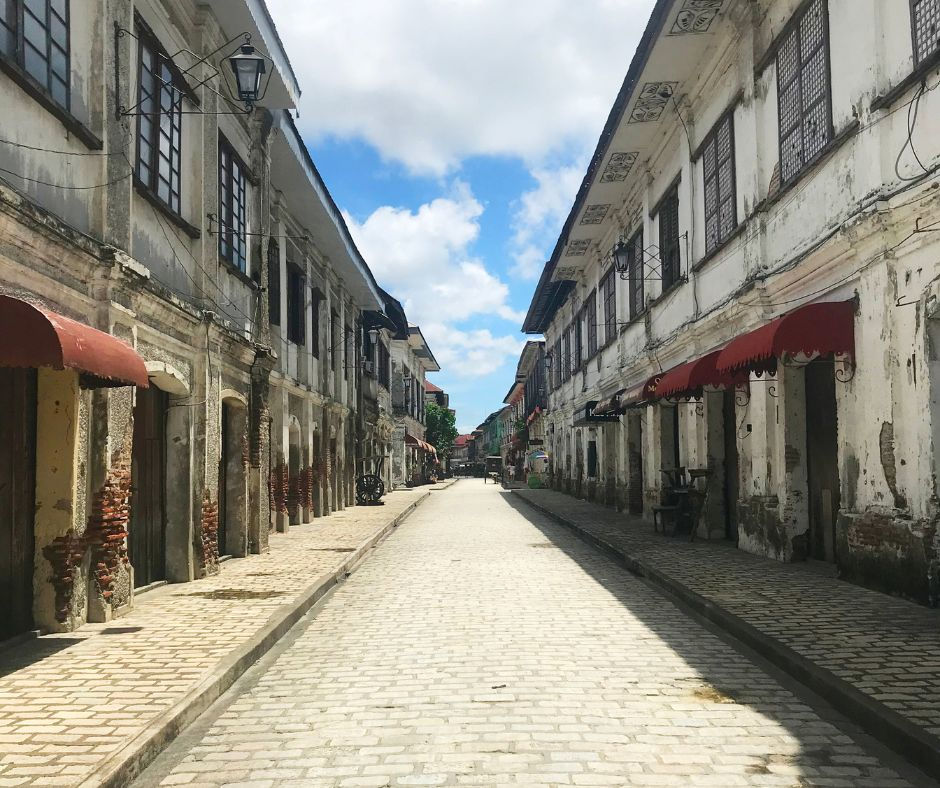
At the heart of Vigan’s identity are its remarkable ancestral homes, which line the streets of the historic district and serve as enduring symbols of heritage and craftsmanship. These houses are not merely architectural relics—they tell stories of families, trade, and daily life during the Spanish colonial era. Their preserved façades and interiors offer visitors an immersive glimpse into a time when Vigan thrived as a center of commerce and culture.
Central to these homes is the iconic bahay na bato, a distinctive architectural style that blends Filipino ingenuity, Spanish colonial design, and Chinese influence. Built for both function and elegance, these structures reflect adaptation to climate, social status, and urban living. Walking through Vigan—especially along its historic streets—feels like stepping into the 18th century, where history is not just remembered, but lived and experienced at every turn.
Table of Contents - Ancestral Homes in Vigan (Bahay na Bato)
What Is a Bahay na Bato?
Definition: “House of Stone”
The bahay na bato, which literally means “house of stone,” is a traditional Filipino house that evolved during the Spanish colonial period. Unlike earlier native homes made entirely of light materials, this structure introduced stone and brick elements, creating a more durable and permanent form of residence suited for urban life.
Fusion of Bahay Kubo and Spanish Architecture
The bahay na bato represents a unique blend of the indigenous bahay kubo and Spanish colonial architecture. It retained local features such as elevated living spaces and ventilation-friendly design, while incorporating European elements like stone foundations, tiled roofs, and symmetrical façades—resulting in a distinctly Filipino adaptation of colonial style.
Designed for Climate, Status, and Urban Living
These homes were carefully designed to respond to the tropical climate while reflecting the social status of their owners. Thick stone walls provided structural stability, while wooden upper floors, large windows, and ventanillas allowed airflow and natural light. At the same time, their size, materials, and decorative details signaled wealth and prominence in colonial society.
The Standard Home of the Filipino Elite
Over time, the bahay na bato became the preferred residence of wealthy Filipino families, particularly in thriving trade centers like Vigan. These homes served not only as living spaces but also as places for business, social gatherings, and cultural exchange—cementing their role as symbols of prestige, heritage, and Filipino identity.
Architectural Features of Vigan Ancestral Homes
Stone or Brick Ground Floor
The lower level of a bahay na bato is typically constructed from stone or brick, making it strong and durable. This space was often used for storage, business activities, or carriage areas, reflecting Vigan’s role as a thriving trade center during the Spanish colonial period.
Wooden Upper Floor for Living Spaces
Above the solid base sits the wooden upper floor, where the family’s main living areas are located. Built from hardwood, this level housed the sala (living room), comedor (dining area), and bedrooms, offering both comfort and protection from flooding and ground-level disturbances.
Capiz Shell Windows for Natural Light
One of the most iconic features of Vigan ancestral homes is the use of capiz shell windows. These translucent panels allow soft, diffused light to enter the house while maintaining privacy. They also enhance ventilation, making the interiors bright yet cool throughout the day.
Ventanillas for Ventilation
Located just below the main windows, ventanillas are small sliding openings that promote airflow within the home. This design feature is especially important in tropical climates, allowing cool breezes to circulate while keeping the interior comfortable.
High Ceilings and Wide Interiors
The interiors of these homes are designed with high ceilings and spacious layouts, creating an open and airy environment. This not only helps regulate temperature but also accommodates large gatherings, reflecting the social lifestyle of affluent families during the colonial era.
Tile Roofs and Symmetrical Façades
Completing the structure are clay tile roofs and symmetrical façades, which showcase Spanish architectural influence. The balanced design, combined with decorative wooden details and wide windows, gives Vigan’s ancestral homes their distinctive elegance and timeless appeal.
Life Inside the Ancestral Homes
Step inside a Vigan ancestral home, and you enter a carefully structured world where architecture reflects both daily life and social order. The upper floor typically begins with the sala, a spacious receiving area designed to welcome guests and display the family’s status through fine furniture and décor. Adjacent to it is the comedor (dining room), where large gatherings and formal meals were held. Private bedrooms line the quieter sections of the house, while the azotea—an open terrace at the back—served as a transitional space connecting indoor living areas to the kitchen and service quarters.
The layout of these homes was not random; it followed a clear social hierarchy. The front spaces, such as the sala, were reserved for guests and public interactions, reflecting prestige and hospitality. In contrast, the rear sections—including the kitchen and utility areas—were designated for household work and servants. This spatial arrangement mirrored the structured roles within colonial society, where class and function were visibly defined within the home itself.
These houses were inhabited by ilustrado families—wealthy Filipino and Filipino-Chinese elites who played key roles in trade, governance, and culture. Their lifestyle combined local traditions with European influences, seen in their clothing, dining practices, and social customs. Many homes also doubled as centers of commerce, with the ground floor used for storing goods or conducting business, highlighting Vigan’s importance as a trading hub.
Beyond status and structure, these ancestral homes were spaces of family life, hospitality, and tradition. Celebrations, religious practices, and everyday routines unfolded within their walls, creating a rhythm of life that balanced work, community, and culture. Today, walking through these homes offers not just a glimpse of architecture, but a deeper understanding of how Filipinos lived, interacted, and preserved their identity during the colonial era.
Historical Background of Vigan’s Heritage Houses
Built During the Spanish Colonial Period (18th–19th Century)
The ancestral homes of Vigan were primarily built between the 18th and 19th centuries, during the height of Spanish colonial rule in the Philippines. As Vigan developed into a major trading port in Northern Luzon, affluent families constructed these houses to reflect both their economic success and social standing.
Influenced by Chinese Traders and Local Craftsmanship
Vigan’s strategic role in maritime trade brought strong Chinese influence into its architecture and culture. Chinese merchants introduced materials, decorative elements, and construction techniques that blended with local Filipino craftsmanship and Spanish design. This fusion gave rise to the distinct bahay na bato style unique to Vigan and similar colonial towns.
Survived Earthquakes, Wars, and Modernization
Unlike many historic structures in the Philippines, Vigan’s ancestral homes have survived centuries of natural disasters, wars, and urban development. Their durable construction—combining stone foundations and flexible wooden upper floors—helped them withstand earthquakes and environmental challenges, allowing the city to retain much of its original character.
Declared a UNESCO World Heritage Site
In recognition of its exceptional preservation and cultural significance, the historic town of Vigan was declared a UNESCO World Heritage Site in 1999. This designation highlights the city as one of the best-preserved examples of a Spanish colonial town in Asia, with its ancestral homes serving as living monuments to Philippine history, architecture, and identity.

Cultural and Historical Importance
The ancestral homes of Vigan stand as enduring symbols of a unique Filipino-Spanish-Chinese cultural fusion. Their architecture reflects centuries of interaction—where indigenous building traditions merged with Spanish colonial design and Chinese craftsmanship. This blend created not only a distinct visual identity, but also a cultural narrative that speaks to the Philippines’ history as a crossroads of trade, migration, and influence.
These heritage houses also represent the wealth, trade, and social life of the colonial Philippines. Built by affluent families—many of whom were involved in regional and international commerce—these homes functioned as both residences and business spaces. Their design, scale, and ornamentation reveal the lifestyles of the ilustrado class, where hospitality, family life, and economic activity were deeply interconnected.
Beyond their historical context, Vigan’s ancestral homes preserve traditional craftsmanship and architectural knowledge. From hand-carved woodwork and capiz shell windows to stone masonry and tile roofing, these structures showcase skills passed down through generations. They serve as living examples of how Filipinos adapted foreign influences into designs suited for local climate and culture.
Today, these houses play a vital role in national identity and heritage conservation. As one of the most intact colonial towns in Asia, Vigan offers a rare opportunity to experience history in its physical form. Protecting these ancestral homes is not only about preserving buildings—it is about safeguarding stories, traditions, and the cultural soul of the Philippines for future generations.
Notable Ancestral Houses in Vigan
Syquia Mansion – A Presidential Heritage Home
The Syquia Mansion is one of the most prominent ancestral houses in Vigan, once serving as the residence of former Philippine President Elpidio Quirino. This well-preserved home offers visitors a glimpse into the lifestyle of a prominent political family, featuring antique furnishings, period décor, and memorabilia that reflect both personal and national history.
Crisologo Museum – A Legacy of Politics and Culture
The Crisologo Museum was once the home of the influential Crisologo family and now serves as a historical museum. It houses personal belongings, documents, and artifacts related to Congressman Floro Crisologo, providing insight into Vigan’s political past and the role of prominent families in shaping regional history.
Hidden Heritage Homes Along Calle Crisologo
Beyond the well-known landmarks, numerous ancestral homes line Calle Crisologo, many of which remain privately owned or partially open to the public. These hidden gems preserve original architectural details—capiz windows, wooden balconies, and stone façades—offering an authentic look at everyday life during the colonial era.
Restored Houses Turned into Museums and Boutique Hotels
Many of Vigan’s ancestral homes have been carefully restored and adapted into museums, boutique hotels, cafés, and cultural spaces. This adaptive reuse allows visitors to experience heritage in a more immersive way—whether by staying overnight in a historic house or exploring curated exhibits that bring the past to life.

Visiting Vigan’s Ancestral Homes
Location
The ancestral homes are located in Vigan, primarily within the historic district surrounding Calle Crisologo.
How to Get There
From Manila by bus: Overnight or daytime trips (8–10 hours) via Ilocos-bound routes
By car: Drive north via NLEX–TPLEX–Ilocos highways (scenic long-distance road trip)
By air: Fly to Laoag City, then travel 1.5–2 hours by land to Vigan
What to Experience
Calle Crisologo Walk – Stroll along cobblestone streets lined with preserved bahay na bato homes
Heritage House Tours – Visit museums like Syquia Mansion and Crisologo Museum
Kalesa Rides – Experience the city like locals did centuries ago aboard a horse-drawn carriage
Best Time to Visit
Early morning – Quiet streets and soft natural light for photography
Late afternoon to sunset – Warm golden tones enhance the beauty of ancestral homes
Evening – The streets glow with old-world charm under heritage lighting
Travel Tips
Respect heritage structures—avoid touching delicate materials and antiques
Follow photography guidelines inside museums and private homes
Wear comfortable walking shoes for cobblestone streets
Visit museums and guided tours for a deeper understanding of Vigan’s history
Support local businesses and heritage conservation efforts
Exploring Vigan’s ancestral homes is more than sightseeing—it is a journey through living history, where architecture, culture, and tradition come together in one of the Philippines’ most timeless destinations.
Preservation and Modern Use
Government and UNESCO Conservation Efforts
The preservation of Vigan’s ancestral homes is supported by strong collaboration between the Philippine government and UNESCO. Through heritage laws, restoration guidelines, and strict zoning regulations within the historic district, these efforts ensure that the architectural integrity of the bahay na bato is protected. Vigan’s designation as a UNESCO World Heritage Site has also increased awareness and funding for conservation, helping safeguard its cultural legacy.
Adaptive Reuse of Heritage Homes
Many ancestral houses have been preserved through adaptive reuse, transforming them into boutique hotels, museums, restaurants, and cultural spaces. This approach allows the structures to remain functional while maintaining their historical character. Visitors can now experience these homes not just as static displays, but as living spaces that blend history with modern hospitality.
Challenges: Modernization vs Preservation
Despite ongoing efforts, Vigan faces the challenge of balancing modern development with heritage preservation. Increasing tourism, infrastructure needs, and urban growth can put pressure on historic structures. Maintaining authenticity while allowing the city to evolve requires careful planning, community cooperation, and continued commitment to conservation—ensuring that Vigan remains both a vibrant city and a protected cultural treasure.

Nearby Attractions
Exploring the ancestral homes of Vigan becomes even more rewarding when paired with nearby attractions that highlight the city’s rich culture, history, and craftsmanship.
Bantay Bell Tower
Located just outside Vigan, this iconic watchtower once served as a defense structure during the Spanish colonial period. Today, it offers panoramic views of the surrounding countryside and stands as one of the most photographed landmarks in the region.
Vigan Cathedral
Also known as St. Paul Metropolitan Cathedral, this historic church sits at the heart of Vigan and reflects classic Baroque architecture. It remains an active place of worship and an essential stop for visitors exploring the city’s religious heritage.
Hidden Garden
A tranquil escape filled with lush greenery, sculptures, and local crafts, the Hidden Garden offers a relaxing break from sightseeing. Visitors can enjoy traditional Ilocano cuisine while surrounded by beautifully landscaped gardens.
Pagburnayan
This traditional pottery workshop showcases the centuries-old craft of making clay jars, known locally as burnay. Visitors can watch artisans at work and even try shaping clay themselves—an immersive cultural experience rooted in Vigan’s heritage.
Plaza Salcedo
One of the largest plazas in the Philippines, Plaza Salcedo comes alive at night with its dancing fountain show. Surrounded by historic buildings, it serves as a lively gathering space that blends history with modern entertainment.
Takeaway– Preserving a Living Heritage
The ancestral homes of Vigan stand as enduring testaments to the Philippines’ rich architectural and cultural legacy. From the elegant bahay na bato design to the intricate details of capiz windows, carved woodwork, and stone foundations, these homes reflect centuries of history shaped by Filipino, Spanish, and Chinese influences. They are more than preserved structures—they are living narratives of trade, family life, and craftsmanship that defined an era.
Beyond their visual beauty, these heritage houses carry deeper meaning. They represent identity, resilience, and the importance of remembering where we come from. In a rapidly modernizing world, Vigan reminds us that progress does not have to erase the past. Instead, preservation can coexist with development, allowing future generations to experience history not just through books, but through places that still stand.
As travelers and cultural stewards, we all have a role to play. Visit Vigan, walk its historic streets, support local businesses, and respect its heritage sites. By doing so, you help protect a living heritage—ensuring that the stories, artistry, and spirit of Vigan continue to inspire for generations to come.

Frequently Asked Questions
What is bahay na bato?
A bahay na bato (literally “house of stone”) is a traditional Filipino house that emerged during the Spanish colonial period. It combines a stone or brick ground floor with a wooden upper level, blending indigenous bahay kubo design with Spanish and Chinese influences. It became the standard residence of wealthy families in colonial towns like Vigan.
Why are Vigan houses unique?
Vigan’s ancestral homes are unique because they represent a rare and well-preserved fusion of Filipino, Spanish, and Chinese architectural styles. Unlike many other cities, Vigan has retained entire streets of these houses, offering an authentic glimpse into colonial urban life.
Are ancestral houses open to the public?
Yes, many ancestral homes in Vigan are open to the public as museums, cultural sites, boutique hotels, or restaurants. Some remain privately owned, but several allow guided tours, giving visitors insight into colonial-era lifestyle and design.
When is the best time to visit Vigan?
The best time to visit Vigan is early morning or late afternoon, when the weather is cooler and the lighting is ideal for photography. Visiting during weekdays can also help avoid crowds, especially along Calle Crisologo.
Is Vigan a UNESCO site?
Yes. The historic city of Vigan was declared a UNESCO World Heritage Site in 1999 due to its exceptional preservation of Spanish colonial architecture and urban planning in Asia.



Ancestral homes in Vigan is inspire place.
Exploring Vigan’s ancestral homes is more than sightseeing—it is a journey through living history, where architecture, culture, and tradition come together in one of the Philippines’ most timeless destinations.
Philippine heritage is something to be proud of, and Vigan's ancestral houses are a testament to that. The architecture, the culture, the history... it's all so rich and vibrant...