
Ancient Forests of the Philippines: Exploring the Last Great Rainforests

Walking Through Living History

Imagine walking beneath towering trees that were already centuries old before the first Spanish explorers reached the Philippine archipelago. Sunlight filters through layers of dense rainforest, birds call from the forest canopy, and giant hardwood trees stand as silent witnesses to thousands of years of natural history. These are the ancient forests of the Philippines—living ecosystems that have endured through changing climates, volcanic eruptions, and generations of human history.
Often referred to as old-growth or primary forests, these remarkable landscapes are among the country's greatest natural treasures. They provide sanctuary for countless endemic plants and animals, protect vital watersheds, regulate the climate, and preserve some of the richest biodiversity on Earth. In a nation recognized as one of the world's 18 megadiverse countries, ancient forests are the foundation upon which much of the Philippines' extraordinary wildlife depends.
This guide explores the country's last great rainforests, introducing their ancient trees, remarkable wildlife, and the Indigenous communities that have lived alongside them for generations. You'll also discover why these forests are essential to conservation, how responsible travel can help protect them, and where visitors can experience some of the Philippines' most breathtaking natural landscapes.
Table of Contents - Ancient Forests of the Philippines
Northern Sierra Madre Natural Park – The Largest Protected Forest
Mount Apo Natural Park – Ancient Forests on the Nation's Highest Peak
Mount Kitanglad Range Natural Park – The Kingdom of the Cloud Forests
Mount Halcon – One of the Philippines' Last Great Wilderness Areas
Mount Banahaw – Where Ancient Forests Meet Spiritual Heritage
What Are Ancient Forests?
Ancient forests, often referred to as primary forests, old-growth forests, or virgin forests, are ecosystems that have developed naturally over hundreds—or even thousands—of years with little to no large-scale human disturbance. These forests represent some of the oldest and most biologically rich environments in the Philippines.
What defines an ancient forest?
Primary forests – Natural forests that have remained largely untouched by modern human activity.
Old-growth forests – Mature ecosystems with towering native trees, multiple canopy layers, and exceptional biodiversity.
Virgin forests – A term commonly used to describe forests that have experienced minimal or no significant logging or land clearing.
These forests develop through natural forest succession, a slow ecological process in which plants, animals, fungi, and microorganisms evolve together over centuries. The result is a highly complex ecosystem that supports an incredible variety of life.
How are they different from secondary forests?
Unlike ancient forests, secondary forests regenerate after logging, farming, or natural disturbances. While they are valuable for habitat restoration and carbon capture, they generally have:
Younger trees and simpler forest structure
Lower biodiversity compared to old-growth forests
Fewer mature habitats for rare and endemic wildlife
Why are ancient forests irreplaceable?
Ancient forests cannot simply be replanted or recreated within a human lifetime. They are invaluable because they:
Shelter thousands of endemic plant and animal species
Protect vital watersheds and freshwater sources
Store large amounts of carbon that help regulate the climate
Preserve natural ecosystems that have evolved over centuries
Safeguard one of the Philippines' greatest natural and ecological treasures
Protecting old growth forests in the Philippines is essential for conserving the country's extraordinary biodiversity and ensuring these living ecosystems endure for generations to come.

Why the Philippines Is Home to Ancient Forests
The Philippines is home to some of Southeast Asia's oldest and most biologically diverse forests because of its unique geography and tropical environment. Over millions of years, a combination of climate, volcanic activity, and island isolation has allowed Philippine rainforests to evolve into extraordinary ecosystems found nowhere else on Earth.
Several natural factors have helped these ancient forests survive and flourish:
Tropical climate
Warm temperatures throughout the year create ideal growing conditions for dense forests, allowing vegetation to thrive without long periods of dormancy.
Location along the Pacific Ring of Fire
Ancient volcanic activity enriched the soil with minerals, creating fertile landscapes that support towering hardwood trees and diverse plant life.
Mountain ranges
Rugged mountain systems provided natural protection from large-scale development, allowing many old-growth forests to remain relatively undisturbed for centuries.
Island isolation
As an archipelago of more than 7,000 islands, the Philippines allowed plants and animals to evolve independently, resulting in exceptionally high levels of endemism.
Abundant rainfall
Frequent rainfall nourishes lush rainforests, rivers, and cloud forests, sustaining complex ecosystems throughout the year.
Megadiversity
These geographic conditions have helped make the Philippines one of the world's 18 megadiverse countries, supporting thousands of unique species that depend on ancient forests for survival.
These natural forces have created forests that are not only beautiful but also ecologically invaluable. Today, the Philippines' remaining ancient forests serve as living refuges for rare wildlife, vital watersheds for surrounding communities, and enduring reminders of the country's remarkable natural heritage.
The Last Great Ancient Forests of the Philippines
1. Sierra Madre – The Backbone of Philippine Rainforests
Stretching for more than 500 kilometers along the eastern side of Luzon, Sierra Madre is the longest mountain range in the Philippines and home to some of the country's largest remaining ancient forests. Often called the "Backbone of Luzon," this vast landscape protects extensive old-growth rainforests that have evolved over thousands of years, making it one of the nation's most important ecological treasures.
Location
The Sierra Madre extends across several provinces in eastern Luzon, from Cagayan in the north to Quezon in the south. Its rugged terrain and remote valleys have helped preserve many areas of primary rainforest that remain largely undisturbed.
What Makes It Unique
The Sierra Madre is dominated by ancient dipterocarp forests, where towering native hardwoods form dense canopies that shelter an extraordinary diversity of life. Beyond its ecological value, the mountain range serves as a natural barrier against powerful Pacific typhoons, helping reduce the impact of storms on communities across Central Luzon.
Wildlife
These forests provide habitat for some of the Philippines' most iconic wildlife, including the Philippine Eagle, hornbills, Philippine deer, cloud rats, numerous reptiles, amphibians, and thousands of endemic plant species. Its rivers and forests also function as critical watersheds, supplying freshwater to millions of people.
Visitor Experience
Visitors can experience the Sierra Madre through guided trekking, birdwatching, river expeditions, and nature photography. Whether exploring dense rainforest trails or standing beneath centuries-old trees, travelers gain a deeper appreciation for one of the last great ancient forests of Luzon and the remarkable biodiversity it continues to protect.

2. Northern Sierra Madre Natural Park – The Largest Protected Forest
Nestled along the northeastern coast of Luzon, Northern Sierra Madre Natural Park is the largest protected area in the Philippines. Covering more than 350,000 hectares, this vast wilderness preserves one of the country's finest remaining old-growth rainforests and serves as a cornerstone of Philippine biodiversity conservation.
Location
Located primarily in the province of Isabela, the park stretches from the rugged slopes of the Sierra Madre Mountains to the Pacific coastline. Its diverse landscapes include dense rainforests, rivers, waterfalls, coastal habitats, and mountain ecosystems.
What Makes It Unique
The Northern Sierra Madre rainforest is one of the last extensive tracts of primary forest in the Philippines. It functions as a critical watershed for Northern Luzon, supplying freshwater to surrounding communities while helping regulate floods, prevent soil erosion, and support regional agriculture. Its immense size and relatively undisturbed habitats make it one of the country's most significant conservation areas.
Wildlife
The park is internationally recognized as an important refuge for the critically endangered Philippine Eagle, along with hornbills, Philippine crocodiles, cloud rats, deer, monitor lizards, and thousands of endemic plant and animal species. Many species found here occur nowhere else in the world.
Visitor Experience
Although much of the park remains remote, visitors can explore selected areas through guided eco-tours, birdwatching excursions, river adventures, and community-based tourism experiences. Every visit supports greater appreciation for one of the Philippines' most valuable protected forests and highlights the importance of conservation in preserving these ancient ecosystems for future generations.
3. Mount Apo Natural Park – Ancient Forests on the Nation's Highest Peak
Rising to 2,954 meters above sea level, Mount Apo Natural Park protects the ancient forests surrounding the country's highest mountain. Its diverse landscapes range from tropical lowland rainforest to cool mossy forests near the summit, creating one of the most biologically rich protected areas in the Philippines.
Location
Mount Apo Natural Park spans parts of the Davao Region and Cotabato in Mindanao. The park encompasses forests, volcanic slopes, rivers, grasslands, and geothermal features that reflect the mountain's volcanic origins.
What Makes It Unique
The Mount Apo rainforest is remarkable for its ancient volcanic landscape and diverse forest ecosystems. As visitors climb higher, dense tropical rainforest gradually gives way to montane and mossy forests where centuries-old native trees are draped in moss, lichens, and epiphytic orchids. These changing habitats support an extraordinary range of plant and animal life found at different elevations.
Wildlife
The park is home to many endemic species, including the critically endangered Philippine Eagle, Mindanao hornbills, Philippine deer, flying squirrels, and numerous reptiles and amphibians. Its forests also support hundreds of orchid species, giant ferns, and native hardwood trees, making Mount Apo one of the country's most important biodiversity hotspots.
Visitor Experience
Mount Apo is one of the Philippines' premier trekking destinations, with most summit expeditions taking two to four days depending on the chosen route. Along the way, hikers experience ancient rainforests, moss-covered cloud forests, volcanic landscapes, and spectacular mountain scenery. For nature lovers, the journey offers a rare opportunity to walk through one of the Philippines' last great ancient forest ecosystems while appreciating the remarkable diversity of Mindanao's natural heritage.

4. Mount Kitanglad Range Natural Park – The Kingdom of the Cloud Forests
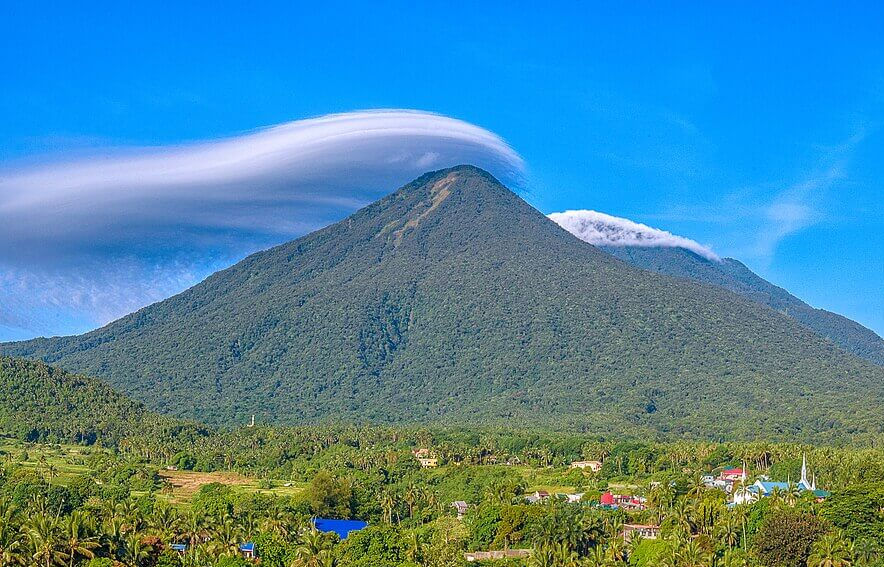
High in the mountains of Bukidnon lies Mount Kitanglad Range Natural Park, a protected landscape renowned for its spectacular cloud forests and exceptional biodiversity. Often called the "Kingdom of the Cloud Forests," the park preserves one of the Philippines' finest high-elevation ecosystems, where cool temperatures, frequent mist, and ancient forests create a habitat unlike any other.
Location
Located in the province of Bukidnon in Northern Mindanao, Mount Kitanglad Range Natural Park encompasses several mountain peaks, deep valleys, mossy forests, and upland grasslands. Its rugged terrain has helped preserve extensive areas of old-growth forest that remain vital to the region's ecological health.
What Makes It Unique
The Mount Kitanglad forest is best known for its enchanting cloud and mossy forests. At higher elevations, dense fog blankets the landscape, while towering trees are covered in mosses, ferns, and epiphytic orchids. These cool, moisture-rich habitats support an extraordinary variety of plants found only in the high mountains of Mindanao. The park also holds deep cultural significance for several Indigenous communities, who have long regarded these mountains as sacred ancestral lands.
Wildlife
Mount Kitanglad is one of the most important strongholds for the critically endangered Philippine Eagle. It is also home to rare orchids, endemic mammals, colorful birds, reptiles, amphibians, and countless native plant species adapted to high-elevation environments.
Visitor Experience
Visitors can explore Mount Kitanglad through guided hiking trails that pass beneath ancient trees, across moss-covered ridges, and into cool cloud forests. Along the journey, breathtaking mountain vistas, rich biodiversity, and opportunities to learn about Indigenous culture make this one of the Philippines' most rewarding destinations for nature enthusiasts and adventurous hikers alike.
5. Mount Halcon – One of the Philippines' Last Great Wilderness Areas
Rising from the heart of Mindoro, Mount Halcon is widely regarded as one of the most rugged and least disturbed mountain ecosystems in the Philippines. Its remote location, steep terrain, and dense rainforest have helped preserve ancient forests that remain largely untouched, making it one of the country's last true wilderness areas.
Location
Mount Halcon is located in Oriental Mindoro and is one of the island's highest peaks. Surrounded by dense tropical rainforest, rivers, and rugged mountain ridges, it forms an important part of Mindoro's remaining natural landscape.
What Makes It Unique
The Mount Halcon rainforest has remained remarkably intact due to its difficult terrain and limited accessibility. Thick old-growth forests, towering native trees, crystal-clear rivers, and untouched valleys create a landscape that has changed little over centuries. These forests play an essential role in protecting Mindoro's watersheds while preserving one of the island's richest ecosystems.
Wildlife
The forests of Mount Halcon support an exceptional variety of endemic wildlife found only on Mindoro. Rare birds, native mammals, reptiles, amphibians, and countless plant species thrive within this isolated environment. Scientists continue to study the region because its biodiversity remains among the least explored in the country.
Visitor Experience
Mount Halcon is considered one of the Philippines' most challenging trekking destinations, attracting experienced hikers seeking a true wilderness adventure. Multi-day expeditions take visitors through pristine rainforest, river crossings, steep mountain trails, and remote campsites. For those willing to undertake the journey, Mount Halcon offers a rare opportunity to experience one of the Philippines' most untouched ancient forest landscapes.

6. Mount Isarog Natural Park – A Sanctuary of Biodiversity
Nestled in the heart of the Bicol Region, Mount Isarog Natural Park protects one of Southern Luzon's richest rainforest ecosystems. Centered around the dormant volcano Mount Isarog, the park is recognized as a biodiversity hotspot where ancient forests, clear rivers, and cascading waterfalls provide refuge for a remarkable variety of endemic wildlife.
Location
Located in the province of Camarines Sur, Mount Isarog Natural Park covers the forested slopes of Mount Isarog and stretches across several municipalities surrounding the mountain. Its protected landscapes include lowland rainforest, montane forests, rivers, and scenic waterfalls.
What Makes It Unique
The Mount Isarog forest is celebrated for its exceptional biodiversity and well-preserved rainforest habitats. The mountain's varying elevations create diverse ecosystems that support an abundance of native plants, towering hardwood trees, tree ferns, and flowering orchids. Numerous rivers and waterfalls flowing from the mountain also make it an important watershed for nearby communities.
Wildlife
Mount Isarog is home to several species found nowhere else in the world, including endemic mammals, colorful birds, reptiles, amphibians, and countless insects. Its forests provide critical habitat for rare wildlife, making the park one of the Philippines' most valuable areas for biodiversity conservation and scientific research.
Visitor Experience
Nature enthusiasts can explore Mount Isarog through well-established hiking trails, birdwatching opportunities, waterfall excursions, and guided eco-tours. Whether hiking beneath towering rainforest trees or discovering hidden waterfalls, visitors experience one of the finest examples of the Camarines Sur rainforest while supporting sustainable tourism and ongoing conservation efforts.
7. Mount Banahaw – Where Ancient Forests Meet Spiritual Heritage
Unlike any other ancient forest in the Philippines, Mount Banahaw is celebrated not only for its rich biodiversity but also for its profound spiritual significance. Rising between the provinces of Quezon and Laguna, this dormant volcano is covered with ancient rainforests and mossy forests that have long been regarded as sacred by pilgrims, religious groups, and local communities.
Location
Mount Banahaw is located in Southern Luzon along the boundary of Quezon and Laguna. Its protected landscape includes dense lowland rainforest, cool montane forests, moss-covered highland ecosystems, rivers, waterfalls, and natural springs that support an impressive variety of plant and animal life.
What Makes It Unique
The Mount Banahaw forest is one of the few places in the Philippines where ancient ecosystems and spiritual traditions are deeply intertwined. Hidden within its forests are prayer caves, sacred springs, shrines, and meditation sites that have attracted pilgrims for generations. Local folklore and religious traditions have earned Banahaw the reputation of being one of the country's holiest mountains.
Wildlife
The mountain's protected forests provide habitat for endemic birds, native mammals, reptiles, amphibians, orchids, giant ferns, and towering hardwood trees. Its extensive forest cover also serves as an important watershed, supplying clean water to surrounding communities while helping preserve Southern Luzon's biodiversity.
Visitor Experience
Visitors to Mount Banahaw can enjoy peaceful forest trails, cool mossy woodlands, waterfalls, and scenic mountain landscapes while learning about the mountain's unique spiritual heritage. Whether visiting as a pilgrim, nature enthusiast, or hiker, travelers discover a destination where ancient forests, cultural traditions, and conservation come together. Responsible tourism remains essential to protecting both the mountain's fragile ecosystems and its sacred cultural sites for future generations.

Ancient Trees of the Philippines
The ancient forests of the Philippines are defined not only by their age but also by the remarkable native trees that have stood for centuries. These towering giants form the backbone of old-growth rainforests, providing food, shelter, and nesting sites for countless species while helping regulate the country's climate and water systems.
Notable Ancient Trees of the Philippines
Narra – The National Tree
Renowned for its rich reddish hardwood and broad canopy, the narra is one of the Philippines' most iconic native trees. Mature specimens can live for hundreds of years and play an important role in supporting birds, insects, and other forest wildlife.
Molave – The Enduring Hardwood
Molave is prized for its exceptional strength and durability. Its slow growth allows some trees to survive for centuries, making them enduring symbols of resilience within ancient forest ecosystems.
Yakal – A Rainforest Giant
Found primarily in lowland rainforests, yakal is one of the country's most valuable native hardwoods. Mature trees contribute to the dense forest canopy that protects countless plants and animals below.
Lauan – The Forest Builder
Lauan belongs to the dipterocarp family, a group of towering tropical trees that dominate many Philippine rainforests. These trees create the upper canopy, helping maintain the cool, shaded conditions that support rich biodiversity.
Dipterocarp Giants – The Kings of the Rainforest
Many ancient Philippine forests are dominated by massive dipterocarp trees that can exceed 50 meters in height. Some of these giants are believed to be several hundred years old, serving as living pillars of the rainforest.
Why These Trees Matter
Ancient trees are the foundation of healthy forest ecosystems. Their extensive root systems stabilize soil, reduce erosion, store large amounts of carbon, and regulate water cycles. Their towering branches provide nesting sites for birds, shelter for mammals, and habitat for orchids, mosses, fungi, and countless insects. Protecting these ancient trees means preserving the living architecture of the Philippines' old-growth forests and the extraordinary biodiversity they sustain.
Wildlife of the Ancient Forests
The ancient forests of the Philippines are among the most important wildlife habitats in Southeast Asia. These old-growth rainforests provide food, shelter, and breeding grounds for thousands of species, many of which are found nowhere else on Earth. Because the Philippine archipelago has been isolated for millions of years, plants and animals evolved independently on different islands, resulting in one of the highest levels of endemism in the world.
Remarkable Wildlife of the Ancient Forests
Philippine Eagle – The King of the Rainforest
As one of the world's largest and rarest eagles, the Philippine Eagle depends on vast tracts of old-growth forest for nesting and hunting. Its presence is a strong indicator of a healthy rainforest ecosystem.
Philippine Tarsier – The Tiny Forest Guardian
This small nocturnal primate lives among dense vegetation in ancient forests, where it hunts insects under the cover of darkness. Its large eyes and remarkable agility have made it one of the country's most recognizable wildlife species.
Philippine Warty Pig – The Forest Engineer
Native to the Philippines, this endangered wild pig helps maintain healthy forests by digging through the soil in search of food, naturally dispersing seeds and improving soil conditions.
Philippine Colugo – The Silent Glider
Although often called a flying lemur, the colugo is actually a gliding mammal. Using a broad skin membrane, it silently glides between towering trees in search of leaves, flowers, and fruit.
Hornbills – The Forest Gardeners
Several species of hornbills inhabit Philippine rainforests, playing a vital role in dispersing seeds that help regenerate forest ecosystems. Their distinctive calls echo through the forest canopy.
Flying Squirrels – Masters of the Canopy
These nocturnal mammals glide between trees using skin membranes stretched between their limbs, rarely descending to the forest floor.
Rare Orchids – Hidden Forest Jewels
Ancient forests support hundreds of native orchid species that flourish in the cool, humid conditions created by mature rainforest canopies.
Giant Ferns – Living Relics
Towering tree ferns and giant ground ferns have thrived in Philippine forests for millions of years, giving many ancient landscapes a prehistoric appearance.
Why So Many Species Are Endemic
The Philippines' island geography, rugged mountain ranges, and long periods of geographic isolation allowed wildlife to evolve independently over millions of years. As a result, many species adapted to specific islands, mountains, or forest ecosystems and are found nowhere else on Earth. Protecting these ancient forests is therefore essential—not only for preserving beautiful landscapes but also for safeguarding one of the planet's richest concentrations of unique wildlife.

Indigenous Peoples and the Forest
Long before the establishment of national parks and protected areas, Indigenous Peoples across the Philippines lived in harmony with the country's forests. For countless generations, these communities have relied on ancient woodlands for food, medicine, shelter, and spiritual practices while developing a deep understanding of how to care for the natural environment. Their traditional knowledge continues to play an important role in conserving many of the Philippines' remaining old-growth forests.
Indigenous Communities Connected to the Forest
Aeta
Among the oldest Indigenous communities in the Philippines, the Aeta have traditionally lived in forested and mountainous regions of Luzon. Their extensive knowledge of native plants, wildlife, and sustainable hunting practices has been passed down through generations.
Ifugao
Best known for the world-famous rice terraces, the Ifugao also recognize the importance of surrounding forests. Healthy mountain forests provide the water that sustains their agricultural systems and are deeply connected to their cultural traditions and beliefs.
Lumad
The collective term "Lumad" refers to several Indigenous groups in Mindanao, many of whom have long served as stewards of the island's forests. Their ancestral lands include some of the country's most important biodiversity hotspots.
Traditional Forest Stewardship
Indigenous communities have practiced sustainable resource use for centuries by harvesting only what is needed, protecting watersheds, respecting wildlife, and preserving sacred forest areas. This traditional ecological knowledge reflects a deep understanding of seasonal cycles, native species, and the delicate balance of forest ecosystems.
Today, many conservation efforts recognize that protecting Indigenous forests in the Philippines is not only about preserving biodiversity but also about respecting the cultural heritage, traditional knowledge, and ancestral stewardship that have helped safeguard these ancient forests for generations.
Why Ancient Forests Matter
The ancient forests of the Philippines are far more than beautiful natural landscapes. They are living ecosystems that support wildlife, protect communities, regulate the climate, and preserve centuries of cultural heritage. Understanding the importance of Philippine forests highlights why protecting these remaining old-growth ecosystems is essential for both nature and people.
Why Ancient Forests Are Essential
Biodiversity Conservation
Ancient forests provide habitat for thousands of plant and animal species, including many that are found nowhere else on Earth. These ecosystems are vital for protecting endangered wildlife such as the Philippine Eagle, Philippine Tarsier, and countless native orchids.
Carbon Storage
Mature forests act as natural carbon sinks, storing vast amounts of carbon within their trees and soils. This helps reduce greenhouse gases and plays an important role in mitigating climate change.
Watershed Protection
Forests capture and filter rainwater, supplying clean freshwater to rivers, farms, and communities. Healthy watersheds also help maintain reliable water supplies throughout the year.
Climate Regulation
Dense forest canopies help regulate local temperatures, maintain humidity, and influence rainfall patterns that support agriculture and surrounding ecosystems.
Disaster Resilience
Strong root systems stabilize slopes, reduce soil erosion, and help lessen the impacts of floods and landslides during heavy rains and typhoons. Mountain forests like those in the Sierra Madre also serve as natural barriers against powerful Pacific storms.
Scientific Research
Ancient forests continue to provide valuable opportunities for scientists studying biodiversity, climate, ecology, and the discovery of new plant and animal species.
Cultural Heritage
For many Indigenous communities, forests are ancestral homelands that preserve traditional knowledge, spiritual beliefs, and sustainable ways of living that have been practiced for generations.
Protecting the Philippines' ancient forests means preserving one of the country's greatest natural treasures while ensuring that future generations continue to benefit from the ecological, cultural, and environmental services these remarkable ecosystems provide.

Visiting Ancient Forests Responsibly
Exploring the ancient forests of the Philippines is an unforgettable experience, but these fragile ecosystems require thoughtful and responsible travel. Practicing sustainable forest tourism in the Philippines helps protect wildlife, preserve natural habitats, and support the local communities that have cared for these forests for generations.
How to Visit Responsibly
Stay on designated trails
Walking only on established paths helps prevent soil erosion, protects delicate vegetation, and minimizes disturbance to sensitive habitats.
Hire accredited local guides
Local guides provide valuable knowledge about the forest's wildlife, history, and cultural significance while helping visitors navigate safely. Choosing local guides also supports community livelihoods and sustainable tourism.
Follow the Leave No Trace principles
Carry out all trash, avoid damaging plants, and leave natural features exactly as you found them. Even small actions can have lasting impacts on fragile forest ecosystems.
Respect Indigenous communities
Many ancient forests are part of the ancestral domains of Indigenous Peoples. Visitors should respect local customs, seek permission where required, and appreciate the cultural importance these forests hold for local communities.
Support conservation projects
Visiting protected areas, paying conservation fees, and supporting community-based eco-tourism initiatives contribute directly to the preservation of these remarkable landscapes.
Avoid disturbing wildlife
Observe animals from a respectful distance and avoid feeding, chasing, or making excessive noise. Quiet, responsible behavior allows wildlife to thrive in their natural environment.
Every responsible visitor becomes a partner in conservation. By exploring with care and respect, travelers help ensure that the Philippines' ancient forests remain healthy, vibrant, and protected for generations to come.
Best Time to Visit Philippine Ancient Forests
The best time to visit Philippine forests is during the dry season, which generally runs from November to May. During these months, hiking trails are more accessible, river crossings are safer, and visitors can better appreciate the beauty of the country's ancient rainforests and mountain landscapes.
When to Plan Your Visit
Dry season (November–May)
Drier weather provides more favorable conditions for trekking, wildlife observation, and exploring old-growth forests. Trails are typically less muddy, making hikes safer and more enjoyable.
Excellent birdwatching opportunities
Many endemic bird species, including the Philippine Eagle and several hornbill species, are easier to observe during periods of clear weather when visibility is at its best.
Cooler hiking conditions
Ancient forests located in higher elevations, such as those found on mountain slopes and cloud forests, offer cooler temperatures that make hiking more comfortable, especially during early mornings.
Ideal for photography
Clear skies, soft morning light, and mist drifting through ancient forests create spectacular opportunities for landscape and wildlife photography.
Safety considerations
Visitors should avoid traveling during the peak rainy and typhoon season, typically from June to October, when heavy rainfall can make trails slippery, increase the risk of landslides, and limit access to remote forest areas. Before setting out, always check local weather forecasts and park advisories, especially when visiting protected areas or undertaking multi-day treks.
Planning your visit during favorable weather not only enhances your experience but also contributes to a safer and more enjoyable exploration of the Philippines' ancient forests.

Takeaway – The Living Heart of the Philippines
The ancient forests of the Philippines are among the country's greatest natural treasures. From the towering dipterocarp forests of the Sierra Madre to the mist-covered cloud forests of Mindanao, these remarkable landscapes continue to shelter extraordinary wildlife, sustain vital ecosystems, and preserve centuries of cultural heritage.
Protecting these old-growth forests is about more than conserving trees. It means safeguarding biodiversity, securing freshwater resources, supporting Indigenous communities, and ensuring that future generations can experience the beauty of the Philippines' last great rainforests.
"The ancient forests of the Philippines are more than landscapes—they are living archives of the nation's natural history, preserving life that has evolved over thousands of years."
Whether you're an adventurer, photographer, wildlife enthusiast, or simply someone who loves nature, these forests offer an unforgettable journey into the wild heart of the Philippines.
Explore more Natural Wonders, Wildlife, and Sustainable Travel stories on KGM Resorts, and discover the extraordinary landscapes that continue to shape the Philippines.
Frequently Asked Questions
What is an ancient forest?
An ancient forest, also known as a primary or old-growth forest, is a natural ecosystem that has developed over hundreds or even thousands of years with minimal human disturbance. These forests contain mature native trees, complex habitats, and exceptional biodiversity that cannot be quickly replaced once lost.
Where is the largest ancient forest in the Philippines?
The largest remaining ancient forest is found within the Sierra Madre mountain range, particularly in Northern Sierra Madre Natural Park. This protected landscape contains one of the country's largest remaining tracts of old-growth rainforest and serves as a critical habitat for endangered wildlife while protecting important watersheds.
What animals live in Philippine rainforests?
Philippine rainforests are home to an extraordinary variety of wildlife, including the Philippine Eagle, Philippine Tarsier, Philippine Warty Pig, Philippine Colugo, hornbills, flying squirrels, reptiles, amphibians, butterflies, and thousands of native plant species. Many of these are endemic, meaning they are found nowhere else on Earth.
Can tourists visit ancient forests?
Yes. Many protected forests and national parks welcome visitors through guided hikes, birdwatching tours, eco-trails, and community-based tourism experiences. Travelers should always follow park regulations, stay on designated trails, and practice responsible tourism to help protect these fragile ecosystems.
Why are old-growth forests important?
Old-growth forests are essential because they preserve biodiversity, store significant amounts of carbon, protect watersheds, regulate local climates, and reduce the risks of flooding and soil erosion. They also safeguard the cultural heritage of Indigenous communities and provide valuable opportunities for scientific research, environmental education, and sustainable eco-tourism. Protecting these forests helps ensure that one of the Philippines' greatest natural treasures continues to thrive for future generations.

Festivals Philippines: An Adult Coloring Book
Celebrates the vibrant spirit of the Philippines through detailed illustrations inspired by colorful festivals, traditional costumes, cultural masks, folk dancers, lanterns, and tribal patterns. This coloring book offers a relaxing and creative journey into the rich culture, traditions, and festive energy of the Philippine islands.



In terms of replayability, Slope Game truly shines. Each run offers the opportunity to gain consistency, improve mobility, and beat a previous score. Whether they are achieving personal records or competing against friends, players are constantly motivated to return for another chance. Because of the game's endless nature, there is always a new milestone waiting just behind the next hurdle.