
Mount Iraya, Batanes: The Majestic Volcano Guarding the Northern Philippines

The Volcano That Watches Over Batanes

Rising above the windswept landscapes of the Philippines’ northernmost province, Mount Iraya stands as one of the most iconic natural landmarks in the country. Towering over the island of Batan, this majestic volcano dominates the skyline of Basco and serves as a constant presence in the daily lives of the Ivatan people.
At approximately 1,009 meters (3,310 feet) above sea level, Mount Iraya Batanes is the highest and most prominent peak on Batan Island. Classified as a potentially active stratovolcano, it forms part of the volcanic landscape that helped shape the rugged beauty of the Batanes archipelago. Although no recent eruptions have been recorded in modern times, the mountain remains an important geological feature and a reminder of the powerful natural forces that created these remote islands.
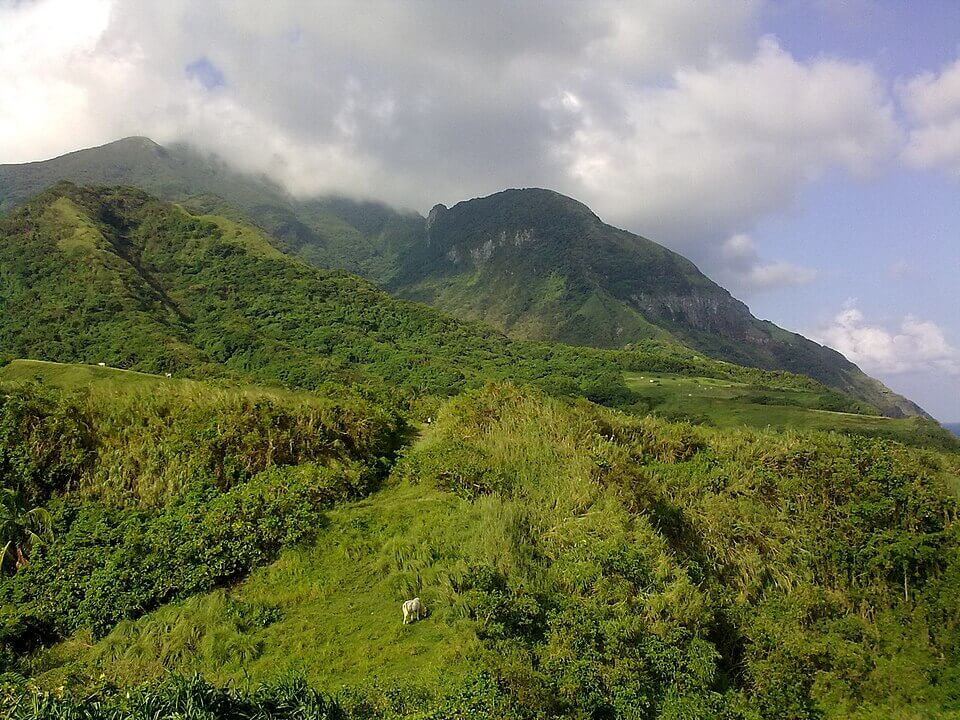
More than just a volcano in Batanes, Mount Iraya is a symbol of the province itself. Its forested slopes, cloud-covered summit, and dramatic silhouette can be seen from many parts of Batan Island, creating one of the most recognizable views in the Philippines. For centuries, it has served as a landmark for travelers, fishermen, and local communities navigating the challenging waters and landscapes of the far north.
Today, Mount Iraya attracts hikers, photographers, nature lovers, and travelers seeking to experience the wild beauty of Batanes. Whether viewed from the rolling hills of Basco or explored through its dense mountain forests, the volcano remains one of the defining features of this remarkable island province.
In this guide, we explore the history, geology, biodiversity, hiking opportunities, and cultural significance of Mount Iraya—often called the mountain that watches over Batanes.
Table of Contents - Mount Iraya, Batanes
Where Is Mount Iraya?
Mount Iraya is located on the northern portion of Batan Island in Batanes, the northernmost province of the Philippines. Standing prominently above the surrounding landscape, the volcano is one of the defining geographic features of the archipelago and a natural landmark that can be seen from many parts of the province.
Location in Batanes Province
Mount Iraya lies within the municipality of Basco, the provincial capital and main gateway to Batanes. The volcano rises directly northeast of the town, creating a dramatic backdrop to Basco’s rolling hills, coastal villages, and traditional Ivatan communities.
Its location near the northern coast of Batan Island places it at the heart of one of the most scenic landscapes in the Philippines.
Distance from Basco
The mountain is situated only a few kilometers from Basco’s town center, making it one of the most accessible natural attractions in the province. Visitors exploring Basco can easily see Mount Iraya from various viewpoints, roads, and coastal areas throughout the municipality.
Its proximity to the capital also makes it a popular destination for hikers, photographers, and nature enthusiasts visiting Batanes.
Visible From Much of Batan Island
One of the most striking features of Mount Iraya is its visibility across much of Batan Island. On clear days, its distinctive volcanic profile dominates the northern skyline and can be seen from:
Basco
Naidi Hills
Vayang Rolling Hills
Valugan Boulder Beach
Coastal villages throughout northern Batan
Its cloud-covered summit often creates dramatic scenery that changes throughout the day.
Geographic Setting Within the Batanes Archipelago
Batanes is composed of several islands located between Luzon and Taiwan, surrounded by the waters of the Philippine Sea and the Luzon Strait. Mount Iraya forms part of the volcanic landscape that shaped these islands over thousands of years.
The mountain's strategic location within the Batanes archipelago contributes to its ecological importance, serving as a watershed, wildlife habitat, and prominent geological feature. Together with the province's rolling hills, rugged coastlines, and dramatic cliffs, Mount Iraya helps define the unique character of the northern frontier of the Philippines.
Geological History of Mount Iraya
The dramatic landscapes of Batanes owe much of their existence to volcanic activity, and no feature represents this geological heritage more clearly than Mount Iraya. Rising prominently above Batan Island, this impressive peak is one of the most significant volcanic formations in the northern Philippines and an important part of the region’s geological story.
Formation as a Stratovolcano
Mount Iraya is classified as a stratovolcano, a type of volcano built through successive layers of lava, ash, and volcanic debris over long periods of time. Stratovolcanoes are known for their steep slopes and symmetrical profiles, and Mount Iraya displays many of these characteristics.
The mountain’s rugged terrain and volcanic composition reveal a history shaped by repeated eruptions and geological processes that gradually built the volcano into the dominant landmark seen today.
Volcanic Origins of Batan Island
The entire Batanes archipelago was formed through tectonic and volcanic activity associated with the complex interactions of the Earth’s crust in the region. Batan Island, where Mount Iraya is located, emerged as a result of volcanic processes that occurred over thousands of years.
These volcanic origins contributed to:
The island’s mountainous terrain
Fertile volcanic soils
Rugged coastlines and cliffs
Distinctive geological formations
Many of the rolling hills and dramatic landscapes that make Batanes famous are closely tied to this volcanic history.
Recorded Volcanic Activity
Historical records and geological studies indicate that Mount Iraya has experienced volcanic activity in the past. Although no eruptions have been observed in modern times, evidence suggests that the volcano remained active relatively recently in geological terms.
Past eruptions likely contributed to shaping the surrounding landscape and depositing volcanic materials that influenced the island’s ecology and soil composition.
Current Classification as a Potentially Active Volcano
Today, Mount Iraya is classified as a potentially active volcano, meaning it has a history of volcanic activity but has not erupted during recent recorded history. While the volcano currently shows no signs of imminent eruption, it remains an important subject of geological monitoring and scientific study.
As one of the northernmost examples of Philippine volcanoes, Mount Iraya provides valuable insights into the volcanic processes that formed the Batanes Islands and continue to shape the broader geology of the Philippines.
Physical Features of Mount Iraya
Towering above the rugged landscapes of Batanes, Mount Iraya is one of the most impressive natural landmarks in the northern Philippines. From its forest-covered slopes to its panoramic summit views, the mountain showcases the volcanic origins and ecological richness of the Batanes archipelago.
1. Elevation and Summit
One of the defining features of Mount Iraya is its impressive elevation. The mountain rises to approximately 1,009 meters (3,310 feet) above sea level, making it the highest peak on Batan Island.
The Mount Iraya summit is often shrouded in clouds and mist, creating a dramatic and mysterious appearance that has become synonymous with the landscapes of Batanes. Reaching the summit requires a challenging trek through dense forest, but hikers are rewarded with breathtaking views of the surrounding islands and seas.
2. Forested Slopes
The slopes of Mount Iraya are covered with dense tropical vegetation that supports a variety of native plants and wildlife. Much of the mountain remains forested, providing important habitat for birds, insects, and other species adapted to the unique environment of Batanes.
These forests also play a crucial role in protecting watersheds and maintaining ecological balance across the island.
3. Volcanic Landscape
As a stratovolcano, Mount Iraya features rugged terrain shaped by ancient volcanic activity. Steep slopes, rocky outcrops, and fertile volcanic soils characterize much of the mountain's landscape.
The volcanic origin of the mountain contributed to the formation of the dramatic cliffs, rolling hills, and distinctive topography that make Batanes one of the most scenic destinations in the Philippines.
4. Watershed Importance
Mount Iraya serves as an important watershed for northern Batan Island. Rainfall captured by the mountain's forests helps replenish groundwater and supports freshwater systems that local communities depend upon.
The protection of these forested watersheds is essential for maintaining water quality, biodiversity, and environmental stability throughout the region.
5. Panoramic Views
One of the most rewarding aspects of Mount Iraya is the spectacular scenery visible from its upper slopes and summit. On clear days, visitors can enjoy panoramic views of:
Batan Island
The rolling hills surrounding Basco
The Philippine Sea
The Luzon Strait
Neighboring islands within the Batanes archipelago
These sweeping vistas help make Mount Iraya one of the most photographed and admired natural attractions in the province.

Biodiversity and Wildlife Around Mount Iraya
Beyond its volcanic slopes and scenic views, Mount Iraya is an important ecological refuge that supports a variety of plant and animal life. The mountain's forests form one of the most significant natural habitats on Batan Island, contributing to the unique Batanes biodiversity that makes the province unlike anywhere else in the Philippines.
Native Plants and Forest Ecosystems
The slopes of Mount Iraya are covered by a mix of tropical forest vegetation, shrubs, grasses, and native plant species adapted to the island’s cool climate, strong winds, and volcanic soils. Higher elevations support dense forest habitats that provide shelter and food for numerous organisms.
These forest ecosystems help:
Stabilize soils on steep slopes
Protect watersheds
Support wildlife populations
Maintain ecological balance across the island
The mountain’s vegetation also contributes to the lush green landscapes that define much of Batanes.
Endemic Birds and Insects
Although Batanes is relatively small compared to many Philippine islands, it supports a surprising variety of wildlife. The forests around Mount Iraya provide habitat for native birds, migratory species, and numerous insects that play important ecological roles.
Birdwatchers visiting the mountain may encounter:
Native forest birds
Seasonal migratory birds
Coastal bird species moving between habitats
Various butterflies, moths, and other insects also thrive within the forest environment, contributing to pollination and nutrient cycling.
Watershed Conservation
One of Mount Iraya’s most important ecological functions is its role as a watershed. The mountain captures rainfall and helps regulate freshwater systems that supply surrounding communities and ecosystems.
Healthy forest cover allows water to:
Infiltrate the soil
Recharge groundwater supplies
Reduce erosion
Support streams and springs
Protecting these watersheds is essential for both environmental sustainability and local livelihoods in Batanes.
Ecological Importance of Batanes Forests
The forests surrounding Mount Iraya represent a vital component of nature in Batanes. They serve as biodiversity reservoirs, protect fragile landscapes from erosion, and help maintain the environmental conditions that support life across the island.
Because Batanes is geographically isolated from the rest of the Philippines, its ecosystems possess unique ecological characteristics that deserve careful conservation. Forest habitats around Mount Iraya help preserve this natural heritage while supporting species that have adapted to the distinctive environment of the northern frontier.

Hiking Mount Iraya
For adventure seekers visiting Batanes, hiking Mount Iraya is one of the most rewarding outdoor experiences in the province. The trek offers a chance to explore dense forests, experience the island’s rich biodiversity, and stand atop one of the most iconic peaks in the Philippines. While the hike can be physically demanding, the journey provides a unique perspective on the natural beauty of Batanes.
1. Trail Overview
The Mount Iraya trail takes hikers through a variety of landscapes, from lowland vegetation to dense mountain forests. Unlike many Philippine mountain hikes that offer frequent viewpoints, much of the Mount Iraya trek passes beneath a forest canopy, creating an immersive wilderness experience.
The trail is known for:
Dense vegetation
Narrow forest paths
Steep sections
Muddy terrain during wet conditions
Minimal development
This rugged environment adds to the sense of adventure and remoteness that makes the hike memorable.
2. Starting Points
Most hikes begin from communities near the base of the mountain in the municipality of Basco. Local guides are often recommended due to changing trail conditions and the dense forest environment.
Starting locations may vary depending on:
Trail conditions
Weather
Local arrangements
Conservation guidelines
Visitors should check current information with local tourism authorities before planning a trek.
3. Trail Conditions
The trail can be challenging due to:
Steep inclines
Slippery mud
Tree roots
Dense vegetation
Rapid weather changes
After rainfall, sections of the route can become particularly muddy, requiring extra caution and appropriate footwear.
4. Difficulty Level
The Mount Iraya hike is generally considered moderate to difficult.
Factors contributing to the difficulty include:
Continuous elevation gain
Humid forest conditions
Uneven terrain
Limited rest areas
Variable weather
Hikers should have a reasonable level of fitness before attempting the climb.
5. Duration
A typical Mount Iraya trek takes approximately:
2–3 hours to ascend
2–3 hours to descend
4–6 hours total hiking time
Actual times vary depending on fitness level, trail conditions, and weather.
6. What You'll See
One of the highlights of hiking Batanes is experiencing the diverse landscapes found along the mountain.
Rainforest Trails
The lower slopes feature lush vegetation and shaded pathways that create a tranquil hiking environment.
Mountain Forests
Higher elevations contain dense forest ecosystems that support native plants, birds, and insects unique to the region.
Summit Landscapes
On clear days, the upper slopes and summit offer stunning views of:
Batan Island
Basco and surrounding villages
Rolling hills and coastlines
The Philippine Sea
The Luzon Strait
Cloud cover is common, adding a dramatic atmosphere to the experience.
7. What to Bring
Proper preparation is essential for a safe and enjoyable hike.
Recommended items include:
Plenty of drinking water
Sturdy hiking shoes with good grip
Rain jacket or poncho
Lightweight clothing
Sun protection
Snacks or energy food
Small first-aid kit
Because weather conditions can change quickly in Batanes, hikers should always be prepared for rain even during the dry season.
Hiking Mount Iraya is one of the most authentic outdoor adventures in Batanes. From rainforest trails and mountain forests to panoramic island views, the trek offers an unforgettable opportunity to experience the wild landscapes that make the province so unique.
Best Time to Visit Mount Iraya
Choosing the right time to visit Mount Iraya can greatly enhance your hiking experience. Because Batanes is located in the northernmost part of the Philippines and is exposed to changing weather systems from the Pacific Ocean and the Luzon Strait, conditions on the mountain can vary significantly throughout the year.
For travelers planning a trek, understanding Mount Iraya weather is essential for both safety and enjoyment.
Dry Season (November–May)
The dry season, generally from November to May, is considered the best time to visit Batanes and hike Mount Iraya.
During these months, visitors can expect:
More stable weather conditions
Better trail accessibility
Reduced mud and slippery sections
Improved visibility along the trail
Greater chances of clear summit views
The cooler temperatures and lower rainfall make hiking more comfortable, particularly during the early morning hours.
Best Hiking Conditions
The months from December to April are often considered ideal for outdoor activities in Batanes. During this period, hikers are more likely to experience:
Dry forest trails
Safer footing on steep sections
Clearer views of Batan Island and surrounding seas
More predictable weather patterns
Even during the dry season, occasional rain showers can occur, so preparation remains important.
Rainy Season Considerations
The wetter months typically bring more challenging conditions to Mount Iraya.
Common issues include:
Muddy and slippery trails
Dense cloud cover
Reduced summit visibility
Increased difficulty on steep terrain
Heavy rainfall can make portions of the trail more physically demanding and may limit scenic views from higher elevations.
Muddy Trails
One of the biggest challenges during wet weather is the condition of the forest trail. Volcanic soils and dense vegetation can create muddy sections that become slippery after rain.
Proper footwear becomes especially important during these conditions, and hikers should allow extra time for the ascent and descent.
Reduced Visibility
Mount Iraya's summit is frequently covered by clouds and mist, particularly during rainy periods. While the atmosphere can be dramatic and beautiful, hikers may miss the panoramic views that make the mountain famous.
Those seeking the best photography opportunities should aim for clear-weather days during the dry season.
Weather Tips
Weather in Batanes is known for changing rapidly, sometimes within a matter of hours. A sunny morning can quickly give way to fog, wind, or rain.
Before hiking Mount Iraya:
Check local weather forecasts
Start early in the day
Bring rain protection
Wear appropriate hiking footwear
Carry sufficient water and supplies
Be prepared for sudden weather changes
Because conditions can shift unexpectedly, flexibility and preparation are key to a successful trek.

Other Attractions Near Mount Iraya
While Mount Iraya is one of the highlights of Batanes, the surrounding area offers many other remarkable destinations that showcase the province's unique landscapes, culture, and history. Visitors can easily combine a Mount Iraya adventure with several of the most popular attractions near Mount Iraya and other memorable things to do in Batanes.
Basco Lighthouse
One of the most photographed landmarks in Batanes, Basco Lighthouse stands atop Naidi Hills overlooking the coastline and the West Philippine Sea. The lighthouse offers panoramic views of Basco, Mount Iraya, and the surrounding waters, making it a favorite spot for sunrise and sunset photography.
Valugan Boulder Beach
Located along the eastern coast of Batan Island, Valugan Boulder Beach is famous for its shoreline covered with thousands of smooth volcanic boulders. These rocks were formed by ancient eruptions of Mount Iraya and shaped by centuries of powerful waves. The beach provides a striking reminder of the island's volcanic origins.
Vayang Rolling Hills
The Vayang Rolling Hills are among the most iconic landscapes in the Philippines. Endless green hills overlooking dramatic cliffs and the sea create breathtaking scenery that has become synonymous with Batanes. On clear days, visitors can enjoy spectacular views of Mount Iraya rising in the distance.
Naidi Hills
Naidi Hills combines natural beauty with historical significance. Besides hosting Basco Lighthouse, the area offers excellent viewpoints of the coastline, traditional Ivatan settlements, and Mount Iraya. The windswept landscape is one of the most scenic locations in Basco.
Fundacion Pacita
Originally the home and studio of renowned Filipino artist Pacita Abad, Fundacion Pacita has been transformed into a boutique lodge, gallery, and cultural center. Perched on a hillside overlooking the sea, it offers visitors a unique blend of art, culture, architecture, and stunning Batanes views.
Travel Tips for Visiting Mount Iraya
A hike up Mount Iraya can be one of the most rewarding experiences in Batanes, but proper preparation is important. These practical Mount Iraya travel tips can help ensure a safe and enjoyable adventure.
Hire Local Guides When Needed
While experienced hikers may feel comfortable navigating mountain trails, local guides can provide valuable assistance and insight. Guides are familiar with current trail conditions, weather patterns, and local regulations, helping visitors enjoy a safer experience.
Respect Local Communities
Batanes is home to the Ivatan people, whose traditions and culture remain an important part of daily life. Visitors should respect local customs, private property, and community guidelines while exploring the island.
Simple acts of courtesy help preserve the welcoming atmosphere that Batanes is known for.
Practice Leave No Trace Principles
Protecting Mount Iraya's forests and ecosystems is essential for future generations. Visitors should:
Take all trash back with them
Stay on designated trails
Avoid disturbing wildlife
Respect natural habitats
Leave plants and natural features untouched
Responsible tourism helps preserve the mountain's ecological integrity.
Prepare for Changing Weather
One of the most important tips in any Batanes hiking guide is to expect changing weather conditions. Batanes is known for strong winds, sudden rain showers, and rapidly shifting cloud cover.
Always check local weather forecasts and be prepared for conditions to change during the hike.
Bring Proper Hiking Gear
Essential items include:
Sturdy hiking shoes
Drinking water
Rain jacket or poncho
Lightweight clothing
Sun protection
Snacks
Small first-aid kit
Having the right equipment can make the hike safer and more comfortable, particularly on muddy or steep sections of the trail.

Takeaway – The Mountain That Defines Batanes
Mount Iraya is more than just a volcano—it is a symbol of Batanes' natural beauty, geological history, and Ivatan heritage. Its towering presence has shaped the landscape for thousands of years while serving as an important landmark for generations of local communities.
Beyond its cultural significance, Mount Iraya supports vital forests, watersheds, and wildlife that help maintain the ecological health of Batan Island. Protecting these ecosystems is essential for preserving the unique environment that makes Batanes so special.
Whether admired from the rolling hills of Basco or explored through its forest trails, Mount Iraya remains one of the most iconic landmarks in the Philippines and a true testament to the beauty of the country's natural wonders.
Planning a trip to Batanes? Explore more travel guides, natural wonders, cultural landmarks, and hidden gems of the Philippines on KGM Resorts.
Frequently Asked Questions
How high is Mount Iraya?
Mount Iraya stands approximately 1,009 meters (3,310 feet) above sea level, making it the highest mountain on Batan Island and one of the most prominent natural landmarks in Batanes.
Is Mount Iraya an active volcano?
Mount Iraya is classified as a potentially active volcano. While no eruptions have been recorded in modern history, geological evidence indicates that it has been active in the past. Scientists continue to recognize it as part of the volcanic landscape that formed the Batanes archipelago.
Can tourists hike Mount Iraya?
Yes. Tourists can hike Mount Iraya and experience one of the most rewarding outdoor adventures in Batanes. The trek takes visitors through dense forests, mountain trails, and scenic landscapes that showcase the island's natural beauty.
Because trail conditions may change, visitors should check local information before planning a hike.
How difficult is the Mount Iraya hike?
The Mount Iraya hike is generally considered moderate to difficult. Hikers can expect:
Steep sections
Dense vegetation
Muddy trails after rain
Continuous elevation gain
Changing weather conditions
A reasonable level of fitness and proper hiking gear are recommended.
What is the best time to visit Mount Iraya?
The best time to visit Mount Iraya is during the dry season, typically from November to May. During these months, hikers are more likely to experience:
Better trail conditions
Reduced mud
Improved visibility
More comfortable hiking weather
Clear days also offer the best opportunities for photography and panoramic views.

Bloom Philippines: An Adult Coloring Book
Celebrates the extraordinary beauty of the Philippine islands through more than 50 detailed illustrations inspired by tropical flowers, native plants, and Filipino-inspired decorative patterns. Featuring Sampaguita blossoms, Gumamela flowers, exotic orchids, palm frond mandalas, rainforest botanicals, and tropical island-inspired designs, this collection offers a relaxing and creative escape into one of the world’s richest biodiversity hotspots. Designed for mindfulness, stress relief, and artistic expression, Bloom Philippines is perfect for nature lovers, coloring enthusiasts, and anyone seeking a deeper appreciation of the Philippines’ natural and cultural beauty.



The browser format makes Agario incredibly convenient for quick competitive sessions. You can get into the game without committing to a massive download or complicated installation process.
Mount Iraya is a great mountain with beautiful scenery and they have natural or significant ecology.
Beyond its volcanic slopes and scenic views, Mount Iraya is an important ecological refuge that supports a variety of plant and animal life. The mountain's forests form one of the most significant natural habitats on Batan Island, contributing to the unique Batanes biodiversity that makes the province unlike anywhere else in the Philippines.