
Apo Island, Philippines: The Ultimate Travel Guide to the Island That Saved Its Reefs

The Island That Saved Its Reefs

Imagine swimming beside wild sea turtles as they glide effortlessly above vibrant coral reefs—an underwater world protected not only by laws, but by an entire community committed to preserving its natural heritage. This is the unforgettable experience that awaits on Apo Island, one of the Philippines' most celebrated marine destinations.
Located off the coast of Negros Oriental, Apo Island has earned international recognition as a global conservation success story. Decades ago, local residents chose to protect their coral reefs through community-led marine conservation. Today, those efforts have transformed the island into one of the world's finest examples of how healthy oceans, thriving marine life, and sustainable tourism can exist together.
Visitors from around the world come to Apo Island to snorkel alongside wild sea turtles, dive among colorful coral gardens, and experience the extraordinary biodiversity of the Coral Triangle. Yet beyond its crystal-clear waters lies an inspiring story of environmental stewardship and community resilience.
This guide explores everything you need to know about Apo Island—from its protected marine sanctuary and incredible sea turtle encounters to world-class snorkeling, scuba diving, travel tips, and the conservation efforts that continue to make this small island one of the Philippines' greatest natural treasures.
Table of Contents - Apo Island Philippines
Where Is Apo Island?
Located approximately 7 kilometers (4.3 miles) off the southeastern coast of Negros Island, Apo Island, Negros Oriental is a small volcanic island renowned for its thriving coral reefs and world-famous marine sanctuary. The island lies just offshore from the municipality of Dauin and is easily reached by a 20 to 30-minute boat ride from the mainland, making it one of the most popular day-trip destinations from nearby Dumaguete City.
Quick Facts About Apo Island
Location: Off the coast of Dauin, approximately 30 minutes south of Dumaguete.
Island Size: Around 74 hectares (183 acres), making it small enough to explore on foot.
Origin: A volcanic island surrounded by coral reefs that form part of the globally significant Coral Triangle.
Apo Island vs. Apo Reef
Although their names are similar, Apo Island and Apo Reef Natural Park are two completely different destinations.
Apo Island is famous for its community-managed marine sanctuary, snorkeling with sea turtles, and exceptional scuba diving.
Apo Reef is located off Occidental Mindoro and is the largest contiguous coral reef system in the Philippines, celebrated for its vast reef ecosystem and remote diving adventures.
Knowing the difference helps travelers choose the destination that best matches their interests—whether it's swimming with sea turtles at Apo Island or exploring one of the world's largest coral reef systems at Apo Reef.

Why Apo Island Is World-Famous
What makes Apo Island truly extraordinary is not just its crystal-clear waters or abundant marine life—it's the remarkable story behind its protection. The Apo Island marine sanctuary is internationally recognized as one of the world's most successful examples of community-led marine conservation, demonstrating how local stewardship can restore ecosystems while supporting sustainable tourism.
Why Apo Island Stands Out
A Community-Led Marine Reserve
In the early 1980s, the people of Apo Island partnered with marine scientists to establish one of the Philippines' first community-managed no-take marine reserves. Rather than relying solely on government protection, local residents became active guardians of their surrounding reefs.
Local Stewardship That Made a Difference
Fishermen, community leaders, and families worked together to protect coral reefs by limiting destructive fishing practices and enforcing marine sanctuary rules. Their long-term commitment allowed damaged reefs to recover and marine life to flourish once again.
A Global Conservation Model
Apo Island has become a case study for marine conservation around the world. Researchers, environmental organizations, and coastal communities frequently look to the island as proof that community participation is one of the most effective ways to protect fragile marine ecosystems.
Healthy Coral Reefs and Marine Recovery
Decades of conservation have transformed the surrounding waters into thriving coral gardens filled with colorful reef fish, giant clams, and sea turtles. The recovery of fish populations has also benefited nearby fishing grounds, creating a balance between conservation and local livelihoods.
A Sustainable Eco-Tourism Success Story
Today, visitors from around the world travel to Apo Island to experience world-class snorkeling and scuba diving while supporting a tourism model that values environmental protection. Tourism provides important income for the local community, encouraging continued investment in reef conservation and responsible visitor management.
Apo Island proves that when communities and nature work together, extraordinary results are possible. Its success extends far beyond the Philippines, inspiring marine conservation efforts worldwide and showing that healthy oceans can benefit both people and wildlife for generations to come.
The Incredible Marine Life of Apo Island
Surrounded by the warm, nutrient-rich waters of the Coral Triangle, Apo Island is home to one of the richest marine ecosystems in the Philippines. Its healthy coral reefs support hundreds of species of fish, invertebrates, and marine plants, making the island a paradise for snorkelers, divers, underwater photographers, and wildlife enthusiasts. Whether exploring the shallow reef flats or deeper dive sites, visitors are treated to an extraordinary display of marine biodiversity.
Marine Life You Can Expect to See
Green Sea Turtles – The Stars of Apo Island
Apo Island is best known for its thriving population of green sea turtles. These gentle marine reptiles are commonly seen grazing on seagrass beds or gliding gracefully above coral reefs, offering unforgettable snorkeling encounters for visitors.
Hawksbill Sea Turtles
Although less common than green turtles, hawksbill turtles are also found around the island. Their beautifully patterned shells and narrow beaks make them one of the Coral Triangle's most recognizable endangered species.
Clownfish
Colorful clownfish dart among swaying sea anemones, creating one of the reef's most iconic underwater scenes.
Butterflyfish and Parrotfish
Schools of butterflyfish, parrotfish, angelfish, surgeonfish, and other reef fish add brilliant color to Apo Island's coral gardens. Parrotfish also play an important ecological role by grazing on algae that would otherwise smother living corals.
Giant Clams
Massive giant clams can be found embedded within the reef. Their vibrant blue, green, and purple mantles are among the most striking sights beneath the surface.
Reef Sharks (Occasional Sightings)
While not commonly encountered, divers occasionally spot harmless reef sharks cruising through deeper waters, a positive sign of a healthy marine ecosystem.
Nudibranchs and Macro Life
Tiny nudibranchs, shrimp, crabs, and other fascinating macro creatures delight underwater photographers and divers who take time to look closely among the corals.
Vibrant Coral Gardens
Hard and soft corals form the foundation of Apo Island's underwater world, creating intricate reef structures that provide shelter, breeding grounds, and feeding areas for countless marine species.
A Jewel of the Coral Triangle
Apo Island lies within the Coral Triangle, a region recognized as the global center of marine biodiversity. Its protected waters support an incredible variety of life, much of it found nowhere else on Earth. The island's thriving reefs are living proof that effective conservation, responsible tourism, and community stewardship can preserve one of the world's richest underwater ecosystems for future generations.

Snorkeling at Apo Island
One of the greatest attractions of Apo Island is that you don't need to be a certified diver to experience its extraordinary underwater world. Apo Island snorkeling offers visitors of all ages the chance to swim above vibrant coral reefs, encounter wild sea turtles, and discover one of the Philippines' most celebrated marine sanctuaries.
Why Snorkeling at Apo Island Is So Special
Excellent Snorkeling Beaches
Several areas around the island provide easy access to shallow coral reefs just a short swim from shore. These calm, crystal-clear waters make it easy to explore colorful coral gardens teeming with tropical marine life.
Unforgettable Sea Turtle Encounters
Apo Island is one of the best places in the Philippines to observe green sea turtles in their natural habitat. Visitors frequently see turtles peacefully feeding on seagrass or gliding effortlessly over the reefs. Watching these gentle creatures in the wild is often the highlight of any visit.
Perfect for Beginners
Calm conditions, shallow reefs, and abundant marine life make Apo Island an ideal destination for first-time snorkelers. Guided snorkeling tours are available, helping beginners safely explore the reef while learning about the island's remarkable ecosystem.
Practice Responsible Snorkeling
Protecting Apo Island's reefs begins with every visitor. Avoid touching or chasing sea turtles, never stand on or kick coral formations, and use reef-safe sunscreen whenever possible. Maintaining a respectful distance from marine life allows animals to behave naturally while helping preserve the fragile coral ecosystem.
Whether you're snorkeling for the first time or have explored reefs around the world, Apo Island offers an unforgettable underwater experience. Its healthy coral gardens, abundant marine life, and close encounters with sea turtles make it one of the finest snorkeling destinations in the Philippines and a shining example of successful marine conservation.
Diving Around Apo Island
Consistently ranked among the best dive destinations in the Philippines, Apo Island diving attracts underwater enthusiasts from around the world. Its healthy coral reefs, dramatic underwater topography, abundant marine life, and excellent visibility offer rewarding experiences for both intermediate and experienced divers. Every dive showcases the success of decades of marine conservation.
Popular Dive Sites Around Apo Island
Coconut Point
Often considered Apo Island's signature dive site, Coconut Point is famous for its exhilarating drift dives. Strong currents can carry divers effortlessly along vibrant reef slopes filled with schools of jacks, fusiliers, surgeonfish, and occasional sea turtles.
Chapel Point
Located near the island's chapel, this site features beautiful coral gardens, gentle slopes, and abundant reef fish. It is ideal for underwater photography and relaxed exploration.
Rock Point
Rock Point offers impressive reef walls, colorful soft corals, and diverse marine life. Divers frequently encounter sea turtles, butterflyfish, angelfish, and a variety of reef-dwelling species.
Cogon
Known for its healthy coral formations and calm conditions, Cogon is suitable for divers looking to observe rich reef biodiversity while enjoying longer bottom times.
What Makes Diving Here Exceptional
Exciting Drift Diving
Several dive sites feature mild to strong currents that create exciting drift dives, allowing divers to cover large sections of the reef while observing abundant marine life.
A Paradise for Macro Photography
Apo Island is equally rewarding for macro enthusiasts. Careful observation reveals colorful nudibranchs, shrimps, crabs, gobies, and other fascinating small creatures hidden among the corals.
Spectacular Reef Walls
Steep reef walls descend into deeper waters, creating dramatic underwater landscapes where hard corals, soft corals, giant sea fans, and schools of tropical fish thrive.
Outstanding Underwater Visibility
During the dry season, visibility often ranges from 20 to 30 meters (65–100 feet), providing ideal conditions for diving, underwater photography, and appreciating the vibrant coral ecosystems.
Whether you're exploring colorful coral gardens, drifting alongside thriving reefs, or searching for tiny macro life, Apo Island offers a world-class diving experience that perfectly showcases why the Philippines is considered one of the world's premier diving destinations.

Things to Do Beyond Snorkeling
While Apo Island is best known for its spectacular marine sanctuary, there are plenty of things to do on Apo Island beyond snorkeling and scuba diving. Its relaxed atmosphere, scenic landscapes, and welcoming community make it an enjoyable destination both above and below the water.
More Ways to Experience Apo Island
Hike to the Lighthouse
One of the island's most rewarding short hikes leads to the historic lighthouse perched on a hill overlooking the sea. The trail offers sweeping panoramic views of Negros Oriental, the Bohol Sea, and the island's rugged coastline, making it a favorite spot for sunrise and sunset.
Take a Village Walk
Stroll through Apo Island's small fishing village to experience the island's laid-back lifestyle. Friendly residents, colorful homes, and local eateries provide an authentic glimpse into daily life on a community that has become a global model for marine conservation.
Relax on the Beach
After exploring the reefs, unwind on the island's quiet beaches. The peaceful shoreline is perfect for swimming, enjoying a picnic, or simply listening to the gentle sound of the waves.
Go Birdwatching
Apo Island is also home to several native and migratory bird species. Early mornings are an excellent time to observe seabirds and other island wildlife while enjoying the island's tranquil natural surroundings.
Capture Stunning Sunset Photography
As the day comes to an end, Apo Island transforms into a photographer's paradise. Golden light reflects across the sea, fishing boats drift toward shore, and dramatic skies create unforgettable opportunities for landscape and travel photography.
Whether you're seeking adventure, relaxation, or cultural experiences, Apo Island offers much more than its famous coral reefs. Spending time on land allows visitors to appreciate the island's peaceful charm and the close relationship between its people and the surrounding marine environment.
How Apo Island Became a Conservation Success Story
Today, Apo Island is recognized around the world as one of the finest examples of community-based marine conservation. The story of Apo Island conservation demonstrates how local leadership, scientific collaboration, and long-term commitment can restore marine ecosystems while improving the lives of coastal communities.
The Journey to Success
The Establishment of a Marine Reserve
In the early 1980s, marine scientists worked closely with the residents of Apo Island to establish one of the Philippines' first community-managed no-take marine reserves. Portions of the surrounding reef were permanently protected, allowing marine life to recover naturally.
Community Leadership
The success of the sanctuary has always depended on the island's residents. Fishermen, village leaders, and local families embraced conservation, helping enforce marine sanctuary rules and protecting the reefs for future generations.
Fishing Recovery
As coral reefs became healthier, fish populations increased dramatically. Adult fish spread beyond the protected area into surrounding waters, improving catches for local fishermen while maintaining the health of the reef ecosystem—a phenomenon known as the "spillover effect."
Coral Restoration
Decades of protection allowed damaged coral reefs to regenerate into thriving coral gardens. Today, the island supports an extraordinary diversity of hard and soft corals that provide habitat for sea turtles, reef fish, giant clams, and countless other marine species.
Global Recognition
Apo Island has become an internationally respected model for sustainable marine management. Conservationists, researchers, and coastal communities from around the world have visited the island to learn how community stewardship can successfully balance environmental protection with local livelihoods and eco-tourism.
The success of Apo Island proves that protecting nature is not only good for wildlife—it also strengthens communities and creates sustainable opportunities for future generations. It remains one of the Philippines' greatest conservation achievements and an inspiring example of what people can accomplish when they work together to protect the ocean.

How to Get to Apo Island
Getting to Apo Island is relatively straightforward, making it an excellent destination for both day trips and overnight stays from Negros Oriental.
How to Get to Apo Island
Fly to Dumaguete
Begin your journey by flying into Dumaguete Airport, which receives regular domestic flights from Manila, Cebu, and other major Philippine cities.
Travel to Dauin
From Dumaguete, take a taxi, tricycle, or private transfer approximately 30–45 minutes south to the coastal municipality of Dauin, the main departure point for Apo Island.
Boat Crossing
Public and chartered boats make the 20–30-minute journey from Dauin to Apo Island, depending on sea conditions. Morning departures are generally recommended, as the waters are often calmer.
Join a Guided Tour
Many dive shops, resorts, and local tour operators in Dumaguete and Dauin offer full-day packages that include round-trip boat transfers, snorkeling or diving equipment, guides, and marine sanctuary access.
Entrance and Environmental Fees
Visitors should expect to pay environmental and marine sanctuary fees, along with separate boat and guide charges. These fees directly support reef conservation, community development, and the ongoing protection of Apo Island's world-renowned marine sanctuary.
Planning your transportation in advance—especially during the peak dry season from November to May—helps ensure a smooth and enjoyable visit to one of the Philippines' premier marine destinations.
Best Time to Visit Apo Island
The best time to visit Apo Island is during the dry season from November to May, when calm seas, sunny weather, and excellent underwater visibility create ideal conditions for snorkeling, scuba diving, and island exploration. This period offers the most enjoyable experience for visitors hoping to discover the island's world-famous marine sanctuary.
When to Plan Your Visit
November to May – The Dry Season
Clear skies and relatively calm seas make this the ideal time for boat transfers from Dauin and outdoor activities around the island.
Excellent Underwater Visibility
Divers and snorkelers can often enjoy visibility ranging from 20 to 30 meters (65–100 feet), providing spectacular views of colorful coral gardens, tropical reef fish, and dramatic underwater landscapes.
Sea Turtle Viewing
Green sea turtles can be seen throughout the year, but calm water during the dry season makes encounters even more memorable. Snorkelers frequently observe turtles feeding on seagrass beds or gracefully swimming over the coral reefs.
Ideal for Photography
Bright tropical sunlight, crystal-clear water, and vibrant marine life provide outstanding opportunities for underwater photography as well as scenic sunrise and sunset images around the island.
Although Apo Island can be visited year-round, travelers should be aware that the rainy season (June to October) may bring rougher seas and occasional weather-related boat cancellations. Planning your trip during the dry season ensures safer crossings, better visibility, and the best overall experience at one of the Philippines' premier marine destinations.

Takeaway – A Small Island with a Big Lesson
Apo Island, Philippines is far more than a beautiful tropical destination—it is a living example of how people and nature can thrive together. Its vibrant coral reefs, abundant sea turtles, and extraordinary marine biodiversity are the result of decades of community commitment, responsible stewardship, and sustainable tourism.
Today, visitors from around the world come to Apo Island not only to snorkel and dive among some of the healthiest reefs in the Philippines but also to witness one of the world's most inspiring conservation success stories. The island demonstrates that protecting marine ecosystems benefits both wildlife and the communities that depend on them, creating a model that has inspired conservation efforts far beyond its shores.
"Apo Island proves that when a community protects nature, nature gives back in extraordinary ways."
Whether you're swimming alongside sea turtles, exploring colorful coral gardens, or simply enjoying the island's peaceful atmosphere, every visit offers a deeper appreciation for the beauty and resilience of the natural world.
Explore more Marine Life, Island Destinations, and Natural Wonders on KGM Resorts, and discover why the Philippines remains one of the world's greatest ocean destinations.
Frequently Asked Questions
Is Apo Island worth visiting?
Absolutely. Apo Island is widely considered one of the best marine destinations in the Philippines. Its thriving coral reefs, abundant sea turtles, world-class snorkeling and diving, and inspiring community-led conservation program make it an unforgettable destination for nature lovers, photographers, and underwater enthusiasts.
Can beginners' snorkel at Apo Island?
Yes. Apo Island is an excellent destination for first-time snorkelers. Several snorkeling areas feature shallow, clear waters with healthy coral reefs close to shore. Local guides are available to assist beginners and ensure a safe, enjoyable experience while exploring the marine sanctuary.
Are sea turtles guaranteed?
While wildlife sightings can never be guaranteed, Apo Island is one of the most reliable places in the Philippines to encounter wild green sea turtles. These gentle reptiles are frequently seen feeding on seagrass beds and swimming over the coral reefs throughout the year. Visitors should always observe turtles from a respectful distance and avoid touching or chasing them.
Can you stay overnight on Apo Island?
Yes. Apo Island offers a small selection of guesthouses, homestays, and eco-friendly accommodations for visitors who wish to spend more time exploring the island. Staying overnight provides a quieter experience after day-trippers leave and allows visitors to enjoy peaceful sunsets, early morning snorkeling, and the island's relaxed atmosphere.
Is Apo Island the same as Apo Reef?
No. Although their names are similar, they are completely different destinations. Apo Island is located off the coast of Negros Oriental and is famous for its community-managed marine sanctuary, sea turtles, snorkeling, and scuba diving. Apo Reef, located off Occidental Mindoro, is the largest contiguous coral reef system in the Philippines and is known for its vast reef formations and remote diving adventures.

Wild Philippines: An Adult Coloring Book
Discover the rare and extraordinary endemic animals of the Philippines through this beautifully detailed adult coloring book inspired by the country’s unique biodiversity. From the majestic Philippine Eagle and the tiny Philippine Tarsier to rare forest mammals, vibrant birds, and fascinating marine species found nowhere else on Earth, every page celebrates the remarkable wildlife of the Philippine archipelago. Featuring intricate tribal-inspired patterns, tropical elements, and nature-themed designs, this coloring book invites you to explore, unwind, and connect with the wild beauty of the Philippines.

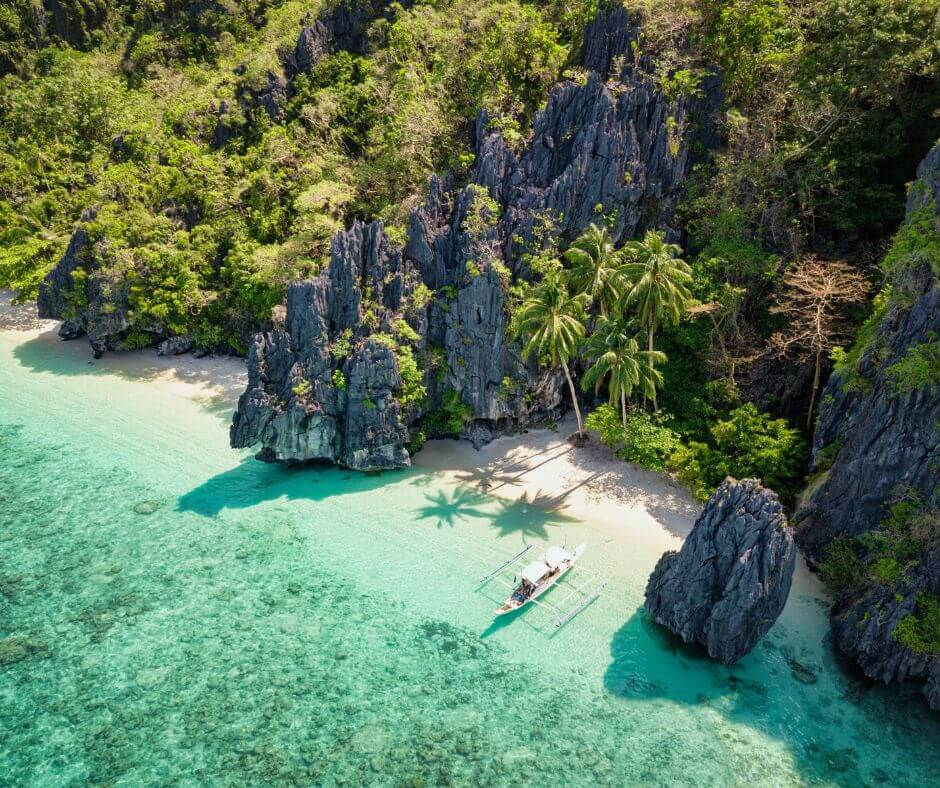


Apo island is an ecosystem.
Apo Island has become a case study for marine conservation around the world. Researchers, environmental organizations, and coastal communities frequently look to the island as proof that community participation is one of the most effective ways to protect fragile marine ecosystems.