
Marine Life of the Philippines: A Complete Guide to Marine Animals, Coral Reefs & Ocean Conservation

One of Earth's Greatest Marine Destinations

Surrounded by warm tropical seas and spread across more than 7,600 islands, the Philippines is one of the world's premier destinations for marine life. Beneath its crystal-clear waters lies a vibrant underwater world of coral reefs, sea turtles, whale sharks, dolphins, manta rays, and thousands of colorful marine species. Whether you're a scuba diver, snorkeler, or nature enthusiast, the Philippines offers unforgettable opportunities to explore one of the planet's richest ocean environments.
This extraordinary biodiversity is largely due to the country's location within the Coral Triangle, the global center of marine biodiversity. Its coral reefs, mangrove forests, seagrass meadows, coastal waters, and deep-sea habitats support an incredible variety of marine life while providing food, coastal protection, and livelihoods for millions of people.
In this complete guide, you'll explore the Philippines' diverse marine ecosystems, discover the fascinating animals that inhabit them, learn about the country's top snorkeling and diving destinations, and see how conservation and responsible tourism are helping protect these remarkable underwater treasures for future generations.
Table of Contents - Marine Life of the Philippines

Exploring the Philippines' Marine Ecosystems
The incredible diversity of marine life in the Philippines is made possible by an equally diverse range of ocean habitats. From vibrant coral reefs and sheltered mangrove forests to vast open waters and deep-sea trenches, each ecosystem plays a unique role in supporting one of the richest marine environments on Earth.
These ecosystems are closely connected. Many marine animals spend different stages of their lives in different habitats—for example, young fish often begin life among mangrove roots before moving to coral reefs as adults. Understanding these marine ecosystems helps explain why the Philippines is recognized as one of the world's premier destinations for ocean wildlife.
Coral Reefs
The coral reefs of the Philippines are among the most biologically diverse on Earth. Formed by tiny coral polyps over thousands of years, these living reefs create complex underwater habitats that support an astonishing variety of marine life. The country's location within the Coral Triangle has made it a global hotspot for coral diversity.
Why They Matter
Healthy coral reefs:
Provide food and shelter for thousands of marine species.
Protect coastlines by reducing wave energy during storms.
Support local fisheries and coastal communities.
Drive world-class snorkeling and scuba diving tourism.
Wildlife You May Encounter
Colorful reef fish
Sea turtles
Giant clams
Reef sharks
Rays
Octopuses
Nudibranchs
Whether snorkeling above shallow coral gardens or scuba diving along dramatic reef walls, visitors can experience some of the most spectacular underwater scenery in the world. Every reef offers a different combination of colors, marine life, and underwater landscapes.
Mangrove Forests
Mangrove forests grow where land meets the sea, thriving in sheltered bays, river mouths, and tidal flats. Their tangled root systems create one of the Philippines' most productive coastal ecosystems.
Why They Matter
Mangrove forests:
Protect coastlines from erosion and storm surges.
Filter sediments and improve water quality.
Store significant amounts of carbon.
Provide nursery habitats for many marine species.
Wildlife You May Encounter
Mud crabs
Mudskippers
Juvenile reef fish
Kingfishers
Herons
Egrets
Monitor lizards
Many mangrove reserves offer peaceful kayaking routes, paddleboarding, nature walks, and birdwatching opportunities. These quiet waterways reveal an entirely different side of the Philippines' coastal beauty.
Seagrass Meadows
Although less well known than coral reefs, seagrass meadows are among the most important marine ecosystems in the Philippines. These underwater flowering plants carpet shallow coastal waters where sunlight reaches the seafloor.
Why They Matter
Seagrass meadows:
Produce oxygen and improve water quality.
Stabilize the seabed by trapping sediments.
Store large amounts of carbon.
Connect mangrove forests with coral reef ecosystems.
Wildlife You May Encounter
Dugongs
Green sea turtles
Seahorses
Pipefish
Juvenile reef fish
Sea stars
Marine invertebrates
Snorkelers often glide over seagrass meadows without realizing their ecological importance. Guided eco-tours help visitors appreciate these vital feeding grounds and the remarkable species that depend on them.
Open Ocean
Beyond the reefs lies the open ocean—a vast marine environment shaped by powerful currents and seasonal migrations. This ecosystem supports many of the Philippines' largest and most iconic marine animals.
Why It Matters
The open ocean:
Supports migratory marine species.
Distributes nutrients throughout the marine food web.
Influences regional climate and weather.
Sustains commercial and traditional fisheries.
Wildlife You May Encounter
Whale sharks
Dolphins
Whales
Manta rays
Tuna
Flying fish
Oceanic sharks
Boat excursions, responsible whale-watching tours, and offshore diving trips provide unforgettable opportunities to observe large marine animals in their natural habitat while promoting ethical wildlife tourism.
Deep-Sea Environments
Far below the sunlit surface lies one of the least explored regions of the Philippine seas. Deep-sea environments include submarine canyons, underwater slopes, and ocean trenches where darkness and immense pressure shape unique forms of life.
Why They Matter
Deep-sea ecosystems:
Support rare and highly specialized species.
Play an important role in nutrient cycling.
Contribute to scientific research and discovery.
Help scientists better understand ocean health.
Wildlife You May Encounter
Deep-water fish
Squid
Crustaceans
Bioluminescent organisms
Deep-sea invertebrates
While recreational divers cannot reach these depths, documentaries, aquariums, and scientific expeditions continue to reveal the mysteries of this hidden world, reminding us how much of the ocean remains unexplored.
Estuaries and Coastal Waters
Estuaries form where rivers meet the sea, creating nutrient-rich environments that connect freshwater and marine ecosystems. These productive coastal waters serve as important transition zones for countless species.
Why They Matter
Estuaries and coastal waters:
Provide nursery habitats for young fish.
Support shellfish and migratory birds.
Improve water quality by filtering sediments.
Sustain traditional fishing communities.
Wildlife You May Encounter
Milkfish
Mullet
Shrimp
Mud crabs
Oysters
Herons
Kingfishers
Shorebirds
River cruises, birdwatching, mangrove excursions, and visits to traditional fishing villages allow travelers to experience how local communities have lived alongside these productive waters for generations.

Marine Ecosystems at a Glance
Ecosystem | Why It's Important | Representative Wildlife | Popular Visitor Experiences |
Coral Reefs | Biodiversity hotspot and coastal protection | Sea turtles, reef fish, giant clams | Snorkeling and scuba diving |
Mangrove Forests | Coastal defense and fish nurseries | Mud crabs, juvenile fish, birds | Kayaking and birdwatching |
Seagrass Meadows | Feeding grounds and carbon storage | Dugongs, sea turtles, seahorses | Snorkeling and eco-tours |
Open Ocean | Migratory marine wildlife | Whale sharks, dolphins, whales | Boat tours and offshore diving |
Deep-Sea Environments | Rare species and scientific discovery | Deep-water fish, squid | Educational exhibits and documentaries |
Estuaries & Coastal Waters | Nursery habitats and productive fisheries | Milkfish, shrimp, shorebirds | River cruises and cultural experiences |
Together, these interconnected habitats form the foundation of the marine ecosystems of the Philippines. Protecting each one is essential because the health of the country's oceans depends on the strength of the entire network.
Marine Animals You Can Encounter
The remarkable diversity of Philippine marine animals is one of the main reasons the country is recognized as a global marine biodiversity hotspot. From the world's largest fish to tiny reef creatures no bigger than a fingernail, Philippine waters support an incredible variety of species adapted to coral reefs, seagrass meadows, mangrove forests, coastal waters, and the open ocean.
Whether you're snorkeling above a shallow reef, scuba diving along dramatic walls, or joining a responsible wildlife tour, every encounter offers a glimpse into one of the richest collections of sea life in the Philippines.
Gentle Giants
Some of the ocean's most impressive animals are also among its gentlest. These graceful giants inspire awe with their size, elegance, and peaceful nature, making them unforgettable highlights for divers, snorkelers, and wildlife enthusiasts.
Whale Sharks — The whale shark is the largest fish on Earth, growing up to 12 meters (40 feet) or more. Despite its enormous size, it feeds primarily on plankton and small fish. Seasonal encounters in several parts of the Philippines attract visitors from around the world.
Manta Rays — With wingspans that can exceed 7 meters (23 feet), manta rays glide effortlessly through the water while feeding on microscopic plankton. Their intelligence, curiosity, and graceful movements make them one of the ocean's most captivating animals.
Responsible wildlife tours and scuba diving excursions offer opportunities to observe these magnificent animals in their natural habitat while following ethical guidelines that prioritize their well-being.
Marine Mammals
Marine mammals breathe air, nurse their young, and display remarkable intelligence and social behavior. Philippine waters provide feeding grounds, migration routes, and sheltered habitats for several fascinating marine mammal species.
Dugongs — Often called "sea cows," dugongs are gentle herbivores that graze on seagrass meadows. They are shy animals and are most commonly found in protected coastal waters.
Dolphins — Several dolphin species inhabit Philippine seas, often traveling in playful pods that leap through the waves alongside boats.
Whales — Depending on the season and location, visitors may encounter species such as sperm whales, Bryde's whales, pilot whales, and occasionally migrating humpback whales.
Boat tours in select coastal regions offer responsible whale and dolphin watching, providing unforgettable opportunities to observe these intelligent marine mammals while respecting their natural behavior.
Sea Turtles
Sea turtles have navigated the world's oceans for more than 100 million years. Four species are regularly found in Philippine waters, where they depend on healthy coral reefs, seagrass meadows, and sandy nesting beaches.
Green Turtle — Frequently seen grazing in seagrass meadows and resting near coral reefs.
Hawksbill Turtle — Recognized by its beautifully patterned shell and narrow beak, this critically endangered species feeds mainly on sponges found on coral reefs.
Olive Ridley Turtle — The smallest of the four common species, known for its remarkable nesting behavior.
Loggerhead Turtle — Less commonly encountered but occasionally seen in offshore waters during migration.
Sea turtles are among the most rewarding animals to encounter while snorkeling or diving. Watching one glide effortlessly across a coral reef is often a highlight of any marine adventure.
Sharks and Rays
Although sharks are often misunderstood, the vast majority of species found in the Philippines pose little danger to humans. Instead, they play a vital role in maintaining healthy marine ecosystems by helping balance ocean food webs.
Blacktip Reef Shark — Frequently seen patrolling shallow coral reefs.
Whitetip Reef Shark — Often rests beneath coral ledges during the day before becoming active at night.
Bamboo Sharks — Small, bottom-dwelling sharks that spend much of their time hidden among rocks and coral.
Eagle Rays — Elegant swimmers recognized by their spotted patterns and broad, wing-like fins.
Stingrays — Commonly found resting on sandy bottoms or gliding across shallow coastal waters.
Divers regularly encounter reef sharks and rays while exploring healthy reef systems. Observing these animals in the wild often changes perceptions and highlights their importance to ocean conservation.
Colorful Reef Fish
Coral reefs are home to thousands of brightly colored fish that bring the underwater world to life. Their vivid patterns, unique behaviors, and ecological roles make every snorkeling or diving experience a constantly changing spectacle.
Clownfish — Famous for living among protective sea anemones.
Butterflyfish — Delicate reef fish known for their striking colors and intricate markings.
Angelfish — Elegant swimmers displaying brilliant combinations of blue, yellow, and orange.
Parrotfish — Powerful grazers that help keep coral reefs healthy by feeding on algae.
Surgeonfish — Easily recognized by the sharp spine near the base of their tail.
Sweetlips — Distinctive reef fish with spotted or striped patterns that become more vibrant as they mature.
Moorish Idol — Instantly recognizable by its long trailing dorsal fin and bold black, white, and yellow coloration.
Even first-time snorkelers can enjoy close encounters with colorful reef fish in many shallow coral gardens throughout the Philippines, making these species some of the easiest marine animals to observe.
Extraordinary Marine Life
Beyond the larger animals lies an equally fascinating world of smaller marine creatures. Many of these species display extraordinary colors, camouflage, and behaviors that delight underwater photographers and marine life enthusiasts.
Giant Clams — Among the largest living clams in the world, these impressive mollusks display brilliantly colored mantles that support microscopic algae.
Seahorses — Masters of camouflage that anchor themselves to seagrass and coral using their curled tails.
Octopus — Highly intelligent animals capable of changing both color and texture to blend into their surroundings.
Cuttlefish — Close relatives of octopuses that communicate through rapid changes in color and pattern.
Nudibranchs — Tiny sea slugs celebrated for their extraordinary shapes and vibrant colors.
Sea Stars — Important reef inhabitants that contribute to healthy marine ecosystems.
Sea Cucumbers — Slow-moving animals that recycle nutrients by feeding on organic material found on the seafloor.
Macro diving and underwater photography reveal a hidden world that many casual visitors overlook. For patient observers, these smaller marine animals often become the most memorable discoveries beneath the surface.

Marine Animals at a Glance
Animal Group | Representative Species | Typical Habitat | Best Way to Observe |
Gentle Giants | Whale sharks, manta rays | Open ocean | Snorkeling, diving, responsible wildlife tours |
Marine Mammals | Dugongs, dolphins, whales | Coastal waters and offshore seas | Boat tours and wildlife cruises |
Sea Turtles | Green, hawksbill, olive ridley, loggerhead | Coral reefs, seagrass meadows, nesting beaches | Snorkeling and scuba diving |
Sharks & Rays | Blacktip reef sharks, whitetip reef sharks, bamboo sharks, eagle rays, stingrays | Coral reefs and sandy seabeds | Scuba diving |
Reef Fish | Clownfish, butterflyfish, angelfish, parrotfish, surgeonfish, sweetlips, Moorish idol | Coral reefs | Snorkeling and diving |
Extraordinary Marine Life | Giant clams, seahorses, octopus, cuttlefish, nudibranchs, sea stars, sea cucumbers | Coral reefs, seagrass meadows, sandy bottoms | Macro diving and underwater photography |
From enormous whale sharks cruising through the open ocean to brilliantly colored nudibranchs hidden among coral branches, the diversity of Philippine marine animals is truly remarkable. Every ecosystem supports its own unique community of life, creating unforgettable experiences for visitors while reminding us of the importance of protecting these fragile marine environments.
The Best Places to Experience Marine Life
The Philippines offers some of the finest underwater experiences on Earth. With thousands of islands, extensive coral reefs, and nutrient-rich waters, every destination has its own unique marine ecosystem and wildlife encounters. Whether you're planning your first snorkeling trip or searching for world-class dive sites, these destinations showcase the incredible diversity of Philippine seas.
Tubbataha Reefs Natural Park
Located in the middle of the Sulu Sea, Tubbataha Reefs Natural Park is one of the world's premier diving destinations and a UNESCO World Heritage Site. Its remote location has helped preserve spectacular coral reefs and exceptional marine biodiversity.
Signature Wildlife
Reef sharks
Sea turtles
Giant trevallies
Barracudas
Manta rays
Hundreds of reef fish species
Best Activities
Liveaboard scuba diving
Underwater photography
Pelagic fish encounters
Best Season
March to June, when calm seas provide access to the park.
Apo Reef Natural Park
As the largest atoll-like reef system in the Philippines, Apo Reef Natural Park offers dramatic coral walls, crystal-clear water, and thriving marine habitats that attract divers from around the world.
Signature Wildlife
Reef sharks
Sea turtles
Giant clams
Schools of jackfish
Colorful reef fish
Best Activities
Scuba diving
Snorkeling
Reef exploration
Best Season
November to May, during the dry season with excellent underwater visibility.
Verde Island Passage
Often called the "Center of the Center" of marine biodiversity, Verde Island Passage is internationally recognized for its extraordinary concentration of marine species and healthy coral reefs.
Signature Wildlife
Nudibranchs
Seahorses
Frogfish
Reef fish
Soft corals
Best Activities
Macro photography
Drift diving
Advanced scuba diving
Best Season
November to May, when conditions are generally calm and visibility is at its best.
Balicasag Island
Just off the coast of Bohol, Balicasag Island is famous for its thriving coral reefs and abundant sea turtle population, making it one of the country's most popular snorkeling destinations.
Signature Wildlife
Green sea turtles
Hawksbill turtles
Jackfish
Butterflyfish
Colorful coral reef species
Best Activities
Snorkeling
Scuba diving
Turtle watching
Best Season
November to May, offering clear waters and pleasant weather.
Moalboal
Moalboal, on Cebu's southwest coast, is world-renowned for the spectacular sardine run that occurs just offshore, where millions of sardines move together in mesmerizing formations.
Signature Wildlife
Sardines
Sea turtles
Reef fish
Reef sharks
Occasional dolphins
Best Activities
Snorkeling
Shore diving
Underwater photography
Best Season
The sardine run can be experienced year-round, with the dry season providing the calmest conditions.
Donsol
Donsol is recognized as one of the world's leading destinations for ethical whale shark encounters. Unlike feeding-based tourism, sightings here occur in a natural environment during seasonal migrations.
Signature Wildlife
Whale sharks
Manta rays (seasonally)
Dolphins
Flying fish
Best Activities
Whale shark watching
Snorkeling
Boat tours
Best Season
November to June, with peak whale shark sightings generally occurring between February and May.
Malapascua Island
Malapascua has earned international recognition as one of the few places in the world where divers can reliably encounter thresher sharks during early morning dives.
Signature Wildlife
Thresher sharks
Manta rays
Devil rays
Seahorses
Reef fish
Best Activities
Advanced scuba diving
Shark diving
Underwater photography
Best Season
November to May, with calm seas providing ideal diving conditions.
Anilao
Located just a few hours from Manila, Anilao is widely regarded as the birthplace of recreational scuba diving in the Philippines and is especially famous among underwater photographers.
Signature Wildlife
Nudibranchs
Octopuses
Cuttlefish
Frogfish
Seahorses
Best Activities
Macro diving
Night diving
Underwater photography
Best Season
October to May, when visibility is generally excellent.
Apo Island
Apo Island is celebrated for its successful community-led marine conservation program, which has helped create healthy coral reefs and abundant marine life.
Signature Wildlife
Green sea turtles
Hawksbill turtles
Reef fish
Soft corals
Giant clams
Best Activities
Snorkeling
Scuba diving
Turtle encounters
Best Season
November to May, during the dry season.
Coron
While famous for its historic World War II shipwrecks, Coron also features vibrant coral gardens, limestone coastlines, crystal-clear lagoons, and diverse marine habitats.
Signature Wildlife
Reef fish
Sea turtles
Giant clams
Rays
Colorful coral communities
Best Activities
Wreck diving
Snorkeling
Island hopping
Freediving
Best Season
November to May, offering calm seas and outstanding visibility.

Top Marine Destinations at a Glance
Destination | Best Known For | Signature Wildlife | Best Activities |
Tubbataha Reefs | UNESCO-protected coral reefs | Reef sharks, manta rays | Liveaboard diving |
Apo Reef | Largest reef system in the Philippines | Sea turtles, giant clams | Diving and snorkeling |
Verde Island Passage | Exceptional marine biodiversity | Nudibranchs, seahorses | Macro diving |
Balicasag Island | Sea turtle encounters | Green and hawksbill turtles | Snorkeling |
Moalboal | Famous sardine run | Sardines, sea turtles | Shore diving and snorkeling |
Donsol | Ethical whale shark encounters | Whale sharks | Wildlife tours |
Malapascua | Thresher shark diving | Thresher sharks | Advanced diving |
Anilao | Macro photography | Nudibranchs, octopuses | Macro and night diving |
Apo Island | Community-led marine sanctuary | Sea turtles | Snorkeling and diving |
Coron | Wreck diving and coral reefs | Reef fish, rays | Diving and island hopping |
From the remote reefs of the Sulu Sea to the coral gardens of Bohol and the shark-diving sites of Cebu, the Philippines offers an extraordinary range of marine experiences. Whether you're searching for the best diving in the Philippines, planning a memorable snorkeling trip in the Philippines, or exploring protected marine parks in the Philippines, these destinations showcase why the country is considered one of the world's greatest ocean adventures.
Marine Conservation in the Philippines
The Philippines is home to one of the richest marine ecosystems on Earth, but this extraordinary biodiversity also faces significant challenges. Coral reefs, mangrove forests, seagrass meadows, and countless marine species are increasingly affected by climate change, pollution, habitat loss, and unsustainable fishing practices. Protecting these fragile environments requires the combined efforts of government agencies, local communities, scientists, conservation organizations, tourism operators, and travelers.
Fortunately, the Philippines has become a global leader in several areas of marine conservation. Across the archipelago, innovative conservation programs are helping restore damaged reefs, protect endangered wildlife, and encourage sustainable use of marine resources for future generations.
Marine Protected Areas
Marine Protected Areas (MPAs) are designated sections of the ocean where human activities are carefully managed to conserve marine biodiversity. These protected waters provide safe habitats where coral reefs can recover, fish populations can grow, and endangered species can thrive.
Why They Matter
Marine protected areas help to:
Restore declining fish populations.
Protect sensitive coral reef ecosystems.
Safeguard important breeding and nursery grounds.
Preserve biodiversity for future generations.
Support sustainable tourism and local livelihoods.
The Philippines has established hundreds of MPAs, ranging from small community-managed sanctuaries to internationally recognized marine parks.
Coral Restoration
Coral reefs recover naturally over time, but severe damage from storms, bleaching events, destructive fishing, and pollution often requires additional support. Coral restoration projects help accelerate reef recovery by growing healthy coral fragments and transplanting them onto damaged reefs.
Conservation in Action
Successful coral restoration in the Philippines includes:
Coral nurseries that cultivate healthy coral fragments.
Reef transplantation programs.
Artificial reef structures that encourage new marine life.
Long-term scientific monitoring of reef recovery.
While restoration cannot replace protecting healthy reefs, these initiatives help rebuild damaged habitats and strengthen ecosystem resilience.
Community-Based Conservation
Many of the Philippines' most successful marine conservation programs are led by coastal communities. Local residents, fishers, tourism operators, and volunteers work together to protect the natural resources that support both biodiversity and livelihoods.
Community Efforts Include
Managing local marine sanctuaries.
Conducting reef monitoring.
Organizing coastal cleanups.
Protecting sea turtle nesting beaches.
Educating visitors about responsible marine tourism.
Community involvement has become one of the country's greatest conservation strengths, demonstrating that long-term success depends on local stewardship.
Sustainable Fisheries
Millions of Filipinos depend on healthy oceans for food and income. Sustainable fisheries aim to balance economic needs with the long-term health of marine ecosystems by preventing overfishing and protecting breeding populations.
Sustainable Practices
Examples include:
Seasonal fishing closures.
Catch size regulations.
Protection of spawning grounds.
Community-managed fishing zones.
Promotion of responsible fishing methods.
When fish populations remain healthy, both marine ecosystems and coastal communities benefit.
Threatened Marine Species
Several marine animals found in Philippine waters face increasing pressure from habitat loss, illegal wildlife trade, accidental capture, and environmental change.
Species Requiring Protection
These include:
Whale sharks
Dugongs
Hawksbill sea turtles
Green sea turtles
Giant clams
Reef-building corals
Several shark and ray species
Conservation programs focus on protecting habitats, reducing illegal exploitation, improving scientific research, and increasing public awareness of these vulnerable species.
Climate Change
Climate change is one of the greatest long-term threats to marine ecosystems worldwide, including those of the Philippines.
Major Impacts
Climate change contributes to:
Coral bleaching caused by rising sea temperatures.
Stronger tropical storms.
Sea-level rise affecting coastal habitats.
Changing migration patterns of marine species.
Ocean acidification that weakens coral growth.
Building resilient marine ecosystems through conservation is one of the best ways to help ocean life adapt to these environmental changes.
Plastic Pollution
Plastic waste has become a major challenge for marine environments across the globe. When plastic reaches rivers and coastal waters, it can harm marine animals through entanglement, ingestion, and habitat degradation.
Reducing Marine Pollution
Conservation efforts encourage:
Beach and coastal cleanups.
Improved waste management.
Reduced use of single-use plastics.
Recycling initiatives.
Environmental education programs.
Even small actions by individuals can contribute to cleaner oceans and healthier marine habitats.
Responsible Tourism
Every visitor has the opportunity to contribute to marine conservation in the Philippines through responsible travel choices. Sustainable tourism helps protect marine ecosystems while supporting local communities that depend on healthy oceans.
How Travelers Can Help
Never touch or stand on coral reefs.
Observe marine wildlife from a respectful distance.
Use reef-safe sunscreen whenever possible.
Avoid purchasing products made from protected marine species.
Choose environmentally responsible tour operators.
Reduce plastic waste during your trip.
Support local conservation initiatives and marine sanctuaries.
Responsible travel not only protects marine life but also helps preserve the incredible underwater experiences that future generations will enjoy.

Conservation Success Stories
Several Philippine conservation initiatives have gained international recognition for demonstrating how collaboration between communities, scientists, and government agencies can achieve meaningful results.
Conservation Initiative | Positive Impact |
Community-managed marine sanctuaries | Increased fish populations and healthier coral reefs |
Coral restoration projects | Recovery of damaged reef habitats |
Sea turtle protection programs | Improved nesting success in protected areas |
Marine Protected Areas | Long-term biodiversity conservation and sustainable tourism |
Coastal cleanup campaigns | Reduced marine debris and increased public awareness |
These success stories show that conservation works when people, science, and local communities share a common goal.
Protecting the Philippines' oceans is a shared responsibility. Healthy coral reefs, thriving marine wildlife, and productive coastal ecosystems support biodiversity, strengthen local economies, and inspire millions of visitors each year. By supporting marine conservation in the Philippines, we can help ensure that these extraordinary underwater landscapes continue to flourish for generations to come.
Responsible Ways to Experience Philippine Marine Life
Exploring the Philippines' underwater world is an unforgettable experience, but it also comes with a responsibility to help protect these fragile ecosystems. Every choice—whether you're snorkeling over a coral reef, scuba diving along a reef wall, or joining a wildlife tour—can have a positive impact on the health of the ocean.
Respect Marine Wildlife
Observe marine animals in their natural habitat without chasing, feeding, or attempting to touch them. Giving wildlife plenty of space reduces stress and allows natural behaviors to continue undisturbed, creating a safer experience for both animals and visitors.
Keep a Safe Viewing Distance
Whether you're watching whale sharks, dolphins, sea turtles, or manta rays, always follow the guidance of certified guides and local regulations. Responsible wildlife encounters prioritize the well-being of the animals over getting the perfect photograph.
Never Touch Coral Reefs
Corals are living animals that grow slowly and are easily damaged by even the lightest contact. Avoid standing, sitting, or placing equipment on coral reefs, and maintain good buoyancy while diving to prevent accidental contact.
Choose Reef-Safe Sunscreen
Many conventional sunscreens contain chemicals that can contribute to coral reef damage. Choosing reef-safe alternatives helps reduce pollution while protecting your skin during snorkeling, diving, and other water activities.
Support Local Conservation Projects
Many coastal communities operate marine sanctuaries, coral restoration programs, and sea turtle conservation initiatives. Visiting these areas, hiring local guides, or contributing to conservation efforts helps protect marine ecosystems while supporting sustainable livelihoods.
Leave Nature Where You Find It
Seashells, corals, starfish, and other marine organisms all play important roles in the ecosystem. Leave natural objects where they belong so they can continue supporting the health and balance of the marine environment.
Choose Ethical Dive and Tour Operators
Look for operators that follow environmentally responsible practices, provide conservation briefings, respect wildlife guidelines, and support local marine protection efforts. Your choice of tour company can directly contribute to sustainable tourism.
Reduce Plastic Waste
Bring a reusable water bottle, avoid single-use plastics whenever possible, and dispose of waste responsibly. Small changes in daily habits can help prevent plastic pollution from reaching the ocean and harming marine life.
Responsible travel is one of the simplest and most effective ways to help protect the Philippines' remarkable marine biodiversity.

Planning Your Marine Adventure
Whether you're planning your first snorkeling excursion or an unforgettable scuba diving vacation, a little preparation can make your experience safer, more enjoyable, and more rewarding. The Philippines offers excellent marine adventures throughout the year, but weather patterns, regional conditions, and the type of activity you choose can influence your trip.
Best Time to Visit
The Philippines has a tropical climate with generally warm water temperatures throughout the year. While marine life can be enjoyed in every season, weather conditions and visibility vary by region.
November to May (Dry Season)
For most destinations, this is considered the best time for snorkeling and diving. Calm seas, sunny weather, and excellent underwater visibility make it ideal for exploring coral reefs and marine parks.
Best for:
Palawan
Bohol
Batangas
Cebu
Mindoro
Coron
June to October (Green Season)
Although occasional rain showers and tropical weather systems are more common, many destinations still offer excellent diving conditions. Marine life remains abundant, and there are often fewer visitors.
Some wildlife experiences, such as whale shark sightings and seasonal migrations, may vary depending on location and time of year.
Choosing Between Snorkeling and Diving
Both snorkeling and scuba diving provide incredible opportunities to discover Philippine marine life. The right choice depends on your comfort level, experience, and the type of wildlife you hope to see.
Snorkeling is Ideal For
Beginners
Families
Casual travelers
Children
Shallow coral reefs
Sea turtle encounters
Colorful reef fish
No certification is required, and many of the Philippines' best reefs are easily accessible from the surface.
Scuba Diving is Best For
Certified divers
Underwater photographers
Advanced marine wildlife encounters
Shipwreck exploration
Deep coral walls
Shark and ray encounters
Scuba diving allows visitors to explore deeper reef systems, underwater caves, and offshore dive sites that cannot be reached while snorkeling.
Essential Equipment Checklist
Packing the right gear helps ensure a comfortable and enjoyable experience.
Recommended Essentials
Quality mask for a proper seal and clear vision
Snorkel for surface exploration
Fins for efficient swimming
Rash guard or UV-protective swimwear
Dry bag for electronics and valuables
Underwater camera for marine photography
Reef-safe sunscreen to help protect coral reefs
Many dive centers provide rental equipment, but bringing your own mask and snorkel often improves comfort and fit.
Safety Tips
The Philippines offers exceptional marine experiences, but safety should always come first.
Stay Weather Aware - Check local weather forecasts before heading out. Strong winds and rough seas can affect visibility and water conditions, especially during the rainy season.
Understand Marine Currents - Some dive sites experience strong currents that are suitable only for experienced divers. Always follow your guide's instructions and avoid venturing beyond your comfort level.
Choose Certified Guides - Book tours with licensed operators that prioritize safety, provide quality equipment, and follow responsible environmental practices.
Stay Hydrated - Tropical temperatures and time spent in the sun can quickly lead to dehydration. Drink plenty of water before and after snorkeling or diving, and limit alcohol before water activities.
Practice Responsible Boating - Use designated entry and exit points whenever possible, keep a safe distance from marine wildlife, and avoid anchoring on coral reefs. Responsible boating helps protect fragile marine habitats while ensuring safer experiences for everyone.
Marine Adventure Planning at a Glance
Planning Topic | Recommendation |
Best Overall Season | November to May for calm seas and excellent visibility |
Best for Beginners | Snorkeling in shallow coral reefs and protected bays |
Best for Certified Divers | Offshore reefs, drift dives, wreck dives, and shark encounters |
Essential Gear | Mask, snorkel, fins, rash guard, dry bag, underwater camera, reef-safe sunscreen |
Safety Priority | Follow certified guides, monitor weather conditions, understand currents, and stay hydrated |
Planning ahead allows you to experience the very best of the Philippines' underwater world while helping protect it for future generations. Whether you're floating above vibrant coral gardens with a snorkel or descending into deeper waters on a scuba dive, thoughtful preparation and responsible travel will ensure that every marine adventure is both memorable and environmentally sustainable.
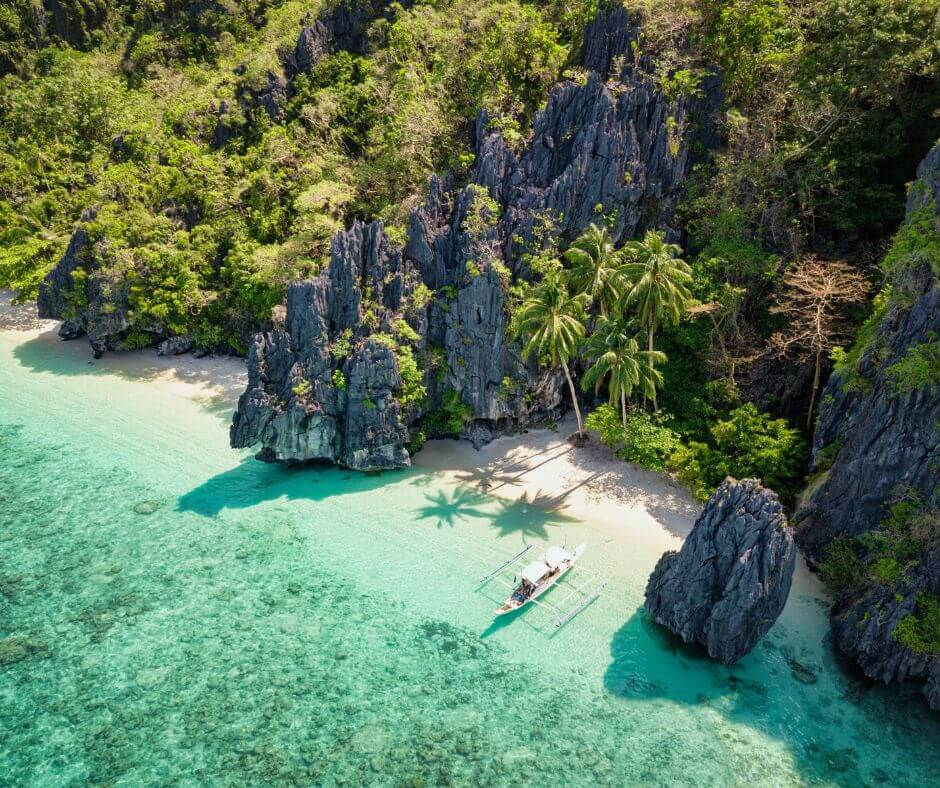
Takeaway — A Living Ocean Worth Protecting
The Philippines is home to one of the world's richest marine ecosystems, where vibrant coral reefs, diverse marine wildlife, and thousands of islands create an underwater paradise unlike any other. As a global marine biodiversity hotspot, its oceans support countless species while providing food, livelihoods, and unforgettable experiences for visitors from around the world.
Protecting these extraordinary waters is a shared responsibility. By choosing responsible wildlife encounters, respecting fragile marine habitats, and supporting sustainable tourism, every traveler can help preserve the beauty and biodiversity of the Philippine seas for future generations.
Whether you're planning your first snorkeling trip, earning your scuba certification, or simply fascinated by ocean life, the Philippines offers unforgettable adventures beneath the waves. Explore more destination guides, wildlife stories, and sustainable travel resources on KGM Resorts, and discover why the country's oceans are among the most extraordinary natural wonders on Earth.
Frequently Asked Questions
Why is the Philippines famous for marine life?
The Philippines is one of the world's richest marine biodiversity hotspots thanks to its location within the Coral Triangle. Its coral reefs, mangrove forests, and seagrass meadows support whale sharks, sea turtles, dolphins, manta rays, reef fish, and thousands of other marine species, making it a top destination for snorkeling and scuba diving.
What marine animals live in the Philippines?
Philippine waters are home to whale sharks, manta rays, dugongs, dolphins, whales, sea turtles, reef sharks, stingrays, giant clams, seahorses, octopuses, nudibranchs, and thousands of colorful reef fish. Each marine ecosystem supports its own unique mix of wildlife.
What is the Coral Triangle?
The Coral Triangle is the global center of marine biodiversity, spanning the waters of six countries, including the Philippines. It contains the world's greatest diversity of reef-building corals and supports thousands of marine species.
Where is the best place to snorkel in the Philippines?
Top snorkeling destinations include Balicasag Island, Apo Island, Moalboal, Coron, and Apo Reef. These locations are known for clear waters, healthy coral reefs, colorful reef fish, and frequent sea turtle encounters.
Which island is best for scuba diving?
There is no single best destination for scuba diving. Tubbataha Reefs is famous for world-class reef diving, Malapascua for thresher sharks, Anilao for macro photography, and Coron for historic shipwreck dives. Each offers a unique underwater experience.
Can beginners' snorkel in the Philippines?
Yes. The Philippines is an excellent destination for beginners, with many calm, shallow reefs that are easily accessible from shore. Guided snorkeling tours provide equipment, safety instructions, and local expertise for a safe and enjoyable experience.
When is the best time to dive in the Philippines?
For most destinations, the best diving conditions are from November to May, when seas are calmer and underwater visibility is excellent. Many dive sites are accessible year-round, although seasonal weather and marine life vary by region.

Wild Philippines: An Adult Coloring Book
Discover the rare and extraordinary endemic animals of the Philippines through this beautifully detailed adult coloring book inspired by the country’s unique biodiversity. From the majestic Philippine Eagle and the tiny Philippine Tarsier to rare forest mammals, vibrant birds, and fascinating marine species found nowhere else on Earth, every page celebrates the remarkable wildlife of the Philippine archipelago. Featuring intricate tribal-inspired patterns, tropical elements, and nature-themed designs, this coloring book invites you to explore, unwind, and connect with the wild beauty of the Philippines.



Comments