
Manta Rays of the Philippines: Where to See These Gentle Giants + Travel Guide

Encountering the Ocean’s Gentle Giants

Beneath the shimmering waters of the Philippines, where coral reefs stretch endlessly and marine life thrives in astonishing diversity, one creature stands out in quiet majesty—the manta ray. Known as the “gentle giants of the sea,” manta rays glide effortlessly through the ocean with wingspans that seem to defy scale, offering one of the most awe-inspiring encounters in the natural world. Watching them move is less like observing wildlife and more like witnessing a graceful dance beneath the surface.
The manta rays Philippines experience is made even more extraordinary by the country’s status as a global center of marine biodiversity Philippines. Located within the Coral Triangle, the Philippines hosts some of the richest marine ecosystems on Earth, creating the perfect environment for these magnificent creatures to thrive. From remote reef systems to nutrient-rich channels, the country offers rare opportunities to encounter manta rays in their natural habitat.
For travelers, divers, and ocean lovers alike, seeing a manta ray in the wild is not just a highlight—it’s a moment of connection with the vast and living ocean, one that lingers long after the journey ends.
Table of Contents - Manta Rays of the Philippines
What Are Manta Rays? Understanding These Majestic Creatures
Manta rays are among the most captivating marine species found in tropical oceans, including the rich waters of the Mobula birostris Philippines range. Known for their size, intelligence, and graceful movement, these gentle giants are a highlight of the country’s marine biodiversity. Here are essential manta ray facts to better understand these remarkable creatures:
Two Species, Two Lifestyles
There are two main types of manta rays: the reef manta ray (Mobula alfredi) and the giant oceanic manta ray (Mobula birostris). Reef mantas are smaller and tend to stay near coastal reefs, often frequenting cleaning stations. In contrast, giant manta rays are larger, more migratory, and typically inhabit deeper offshore waters, traveling long distances across open oceans.
Distinctive Physical Features
Manta rays are easily recognized by their wide, triangular bodies and impressive wingspans—reaching up to 7 meters for giant mantas. Their unique cephalic fins, located on either side of the mouth, help channel plankton-rich water during feeding. Their coloration is usually dark on top with lighter undersides, marked by distinct spot patterns used for individual identification.
Intelligence and Longevity
Among fish, manta rays have one of the largest brain-to-body ratios, indicating high intelligence. They display complex behaviors such as social interaction and curiosity toward divers. Manta rays can live for several decades, with estimates ranging from 40 to 50 years.
Migratory Nature
Manta rays are highly migratory, moving across vast ocean distances in search of plankton and suitable breeding areas. Their movements are influenced by ocean currents, temperature, and seasonal food availability—making encounters in the wild both rare and unforgettable.

Top Places to See Manta Rays in the Philippines
The Philippines offers several exceptional locations to encounter manta rays, but one destination stands above the rest for its consistency, accessibility, and sheer spectacle.
1. Ticao Pass – The Manta Ray Capital
Often referred to as the manta ray capital of the Philippines, Ticao Pass is one of the best places in the country—and even Southeast Asia—to witness these gentle giants in their natural habitat. Located off the coast of Masbate, this channel is known for its nutrient-rich waters, which attract plankton and, in turn, manta rays.
One of the most fascinating features of Ticao Pass is its cleaning stations. These are specific reef areas where manta rays regularly gather to have parasites removed by smaller fish such as cleaner wrasses. Watching a manta ray hover gracefully in place while tiny fish attend to it is a rare and mesmerizing experience, offering divers a front-row seat to one of nature’s most delicate symbiotic relationships.
Manta sightings in Ticao Pass are seasonal but highly reliable, typically peaking between December and May, when plankton levels are at their highest. During this period, multiple manta rays can often be seen gliding through the currents, sometimes appearing in groups, creating unforgettable underwater encounters.
The dive conditions here can vary, with moderate to strong currents, making it ideal for intermediate to advanced divers. However, for those prepared, the reward is extraordinary—close, respectful encounters with one of the ocean’s most iconic species.
2. Tubbataha Reefs Natural Park – UNESCO Marine Sanctuary
Rising from the middle of the Sulu Sea, Tubbataha Reefs Natural Park is one of the most pristine marine environments in the world—a remote, protected sanctuary where nature thrives in its purest form. Recognized as a UNESCO World Heritage Site, it showcases the extraordinary richness of marine biodiversity Philippines, making it a dream destination for serious divers and ocean explorers.
What sets Tubbataha apart is its untouched ecosystem. Vast coral walls plunge into the deep, teeming with vibrant reef fish, sharks, turtles, and occasionally, the graceful silhouette of a manta ray gliding through the blue. Encounters with manta rays here are not guaranteed, but when they do occur, they feel especially rewarding—set against a backdrop of some of the healthiest coral reefs on Earth.
Tubbataha is considered an advanced diving destination, accessible only by liveaboard boats during a short season from March to June. Strong currents, deep drop-offs, and open-water conditions require experience and confidence, but they also create the perfect environment for pelagic species like manta rays to appear.
Diving in Tubbataha is not just about seeing marine life—it’s about immersing yourself in a world largely untouched by human impact. For those seeking a deeper, more authentic connection with the ocean, this sanctuary offers one of the most unforgettable underwater experiences in the Philippines.
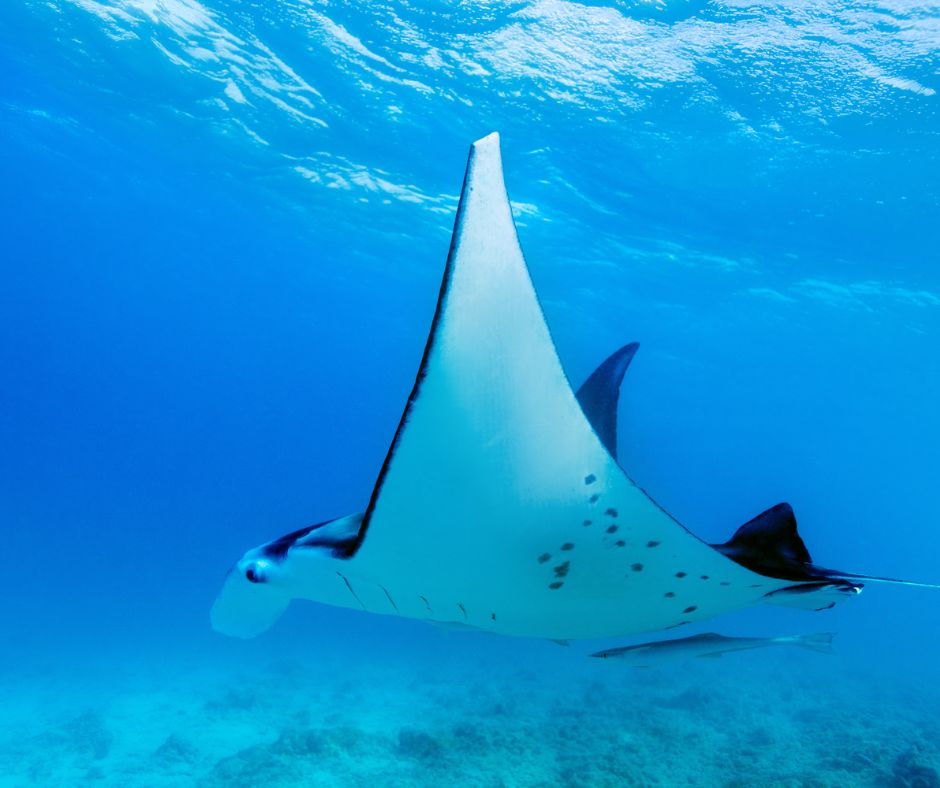
3. Apo Reef Natural Park – Remote and Wild
Often described as one of the last truly wild frontiers of Philippine diving, Apo Reef Natural Park offers a raw and unspoiled marine experience. As the second-largest contiguous coral reef system in the world, this vast protected area off Occidental Mindoro is a haven for marine life and a prime location for pelagic encounters—including the occasional sighting of majestic manta rays.
What makes Apo Reef exceptional is its rich biodiversity. Its expansive reef system supports an incredible variety of marine species, from colorful reef fish and thriving coral gardens to sea turtles and reef sharks. The nutrient-rich currents that sweep through the area also attract larger, open-ocean species, creating opportunities for divers to witness manta rays gliding gracefully through deeper waters.
Unlike more frequented dive sites, Apo Reef remains relatively remote, which adds to its appeal. The sense of isolation enhances every dive—visibility is often excellent, and the reefs are remarkably healthy due to limited human impact. Encounters here feel authentic and untamed, offering a glimpse into a marine ecosystem that continues to flourish.
Conditions can vary, with occasional strong currents and deeper dive profiles, making Apo Reef best suited for intermediate to advanced divers. However, for those willing to venture off the beaten path, it delivers one of the most rewarding underwater experiences in the manta rays Philippines journey—where nature reveals its wild, untouched beauty.
4. Bohol Sea – Migratory Route
Stretching between some of the Philippines’ most iconic islands, the Bohol Sea is not defined by a single reef or dive site—but by movement. This vast body of water serves as a migratory route for pelagic species, including manta rays, making encounters here less predictable yet deeply rewarding.
Unlike locations with established cleaning stations, manta rays in the Bohol Sea are typically seen in transit, gliding through open water as they follow plankton-rich currents. Sightings are considered occasional, but when they happen, they offer a rare glimpse into the natural rhythms of the ocean—unstructured, spontaneous, and entirely wild.
The Bohol Sea is also known for its rich pelagic environment. Divers may encounter schools of fish, dolphins, sea turtles, and even whale sharks in certain areas, all drawn by the nutrient flows that sustain this thriving marine corridor. This dynamic ecosystem highlights the broader story of marine biodiversity Philippines, where life moves freely across interconnected waters.
Because sightings are not guaranteed, diving in the Bohol Sea is best approached with a sense of exploration rather than expectation. It’s a place for those who appreciate the unpredictability of the ocean—where every dive holds the possibility of something extraordinary, including the fleeting, unforgettable presence of a manta ray passing silently through the deep.

Behavior and Feeding – How Manta Rays Live
Manta rays are among the most fascinating plankton feeders ocean, combining grace, intelligence, and highly specialized feeding techniques. Understanding their daily behavior reveals just how adapted they are to life in the open sea. Here are key insights into manta ray feeding behavior and lifestyle:
1. Filter Feeding and Plankton Diet
Manta rays feed primarily on plankton—tiny organisms drifting in ocean currents. They swim with their mouths wide open, filtering water through specialized gill plates that trap food while expelling excess water. Their cephalic fins act like funnels, directing plankton efficiently into their mouths.
2. Barrel Rolling and Feeding Patterns
When plankton is abundant, manta rays perform spectacular barrel rolls, looping repeatedly through dense food patches to maximize intake. In some cases, they form feeding chains or groups, creating a synchronized underwater display that highlights both efficiency and elegance.
3. Social Behavior and Intelligence
Unlike many fish, manta rays display complex social interactions. They are often seen swimming in loose groups, interacting with one another, and occasionally approaching divers with curiosity. With one of the largest brain-to-body ratios among fish, they are considered highly intelligent, capable of learning and exhibiting coordinated behavior.
4. Cleaning Stations and Symbiotic Relationships
Manta rays regularly visit cleaning stations on coral reefs, where small fish like cleaner wrasses remove parasites and dead skin. This mutually beneficial relationship helps keep mantas healthy while providing food for the cleaner fish.
Best Time to See Manta Rays in the Philippines
Timing plays a crucial role when planning to encounter manta rays in the wild. While sightings are possible year-round in some areas, the manta ray season Philippines varies depending on location, ocean conditions, and food availability.
Peak Seasons by Location
In places like Masbate’s Ticao Pass, manta ray sightings are most reliable between December and May, when plankton levels are highest. Other destinations, such as remote reef systems, may have shorter or less predictable seasons, often aligned with local currents and nutrient cycles.
Influence of Plankton Blooms and Currents
Manta rays follow their food source—plankton. Seasonal plankton blooms, driven by ocean currents and temperature changes, attract manta rays to specific areas. This is why certain dive sites experience peak activity during particular months, making timing essential for successful encounters.
Weather and Diving Conditions
The best time to dive Philippines generally falls during the dry season, from November to May, when seas are calmer and visibility is better. Strong winds and rough conditions during the rainy season can limit access to offshore sites and reduce visibility, affecting manta ray sightings.
Ultimately, the best approach is to plan your trip around both seasonal patterns and local dive conditions, increasing your chances of witnessing these gentle giants in their natural habitat.

Diving and Snorkeling with Manta Rays – What to Expect
Experiencing swimming with manta rays Philippines is one of the most unforgettable moments in any ocean adventure. Whether you’re diving deep or observing from the surface, encounters with these gentle giants are both humbling and exhilarating.
Dive Conditions (Depth and Currents)
Manta ray encounters typically occur in areas with moderate to strong currents, especially around channels and cleaning stations. Depth can vary—from shallow reef tops at 10–15 meters to deeper open-water sites exceeding 20 meters. These conditions often make manta diving more suitable for intermediate to advanced divers, though some locations offer manageable sites for beginners under guided supervision.
Snorkeling vs Scuba Experience
Both snorkeling and scuba diving offer unique perspectives. Snorkeling allows you to witness manta rays near the surface, especially during feeding events when plankton is abundant. It’s accessible and ideal for non-divers. Scuba diving, on the other hand, provides longer and closer encounters—particularly at cleaning stations, where mantas hover gracefully, giving divers a front-row view of their behavior.
Typical Encounter Scenarios
Encounters are often calm and unhurried. Manta rays may glide past slowly, circle feeding areas, or hover at cleaning stations. At times, they appear curious, approaching divers before effortlessly disappearing into the blue. Every interaction feels natural and unscripted, making each sighting unique.
Quick Tips for Responsible Encounters
Stay calm and avoid sudden movements
Maintain a respectful distance—do not touch
Never block their path or chase them
Follow your dive guide’s instructions at all times
With the right approach, diving with manta rays becomes more than just an activity—it transforms into a rare and meaningful connection with the ocean’s most graceful inhabitants.
Conservation Status and Threats
Manta rays are currently classified as vulnerable on a global scale, reflecting growing concerns about their declining populations. Despite their size and wide-ranging habitats, these gentle giants reproduce slowly, making them particularly susceptible to environmental pressures. Protecting them is a key priority in advancing manta ray conservation Philippines and safeguarding the country’s marine ecosystems.
Overfishing and Bycatch
One of the most significant threats to manta rays is overfishing, both targeted and accidental. While manta rays are protected in many areas, they are still vulnerable to bycatch, where they become unintentionally trapped in fishing nets and longlines. Their slow reproductive rate makes recovery from population losses especially difficult.
Marine Pollution
Plastic waste and ocean pollution pose a growing danger. Manta rays feed by filtering large volumes of water, which increases the risk of ingesting microplastics. This can affect their health and disrupt feeding behavior, highlighting the urgent need for stronger marine protection Philippines initiatives.
Habitat Loss and Degradation
Coastal development, coral reef destruction, and climate change—particularly coral bleaching—are degrading the habitats manta rays depend on. Cleaning stations and feeding grounds are especially sensitive to environmental changes.
Philippine Conservation Efforts
The Philippines has taken meaningful steps toward protecting manta rays through national regulations, marine protected areas, and eco-tourism guidelines. Sites like Tubbataha and Apo Reef play a critical role in preserving marine biodiversity while promoting responsible tourism.
Role of Marine Sanctuaries
Marine sanctuaries serve as safe havens where manta rays can feed, migrate, and reproduce with minimal human interference. These protected zones are essential for long-term conservation, ensuring that future generations can continue to witness these magnificent creatures in the wild.
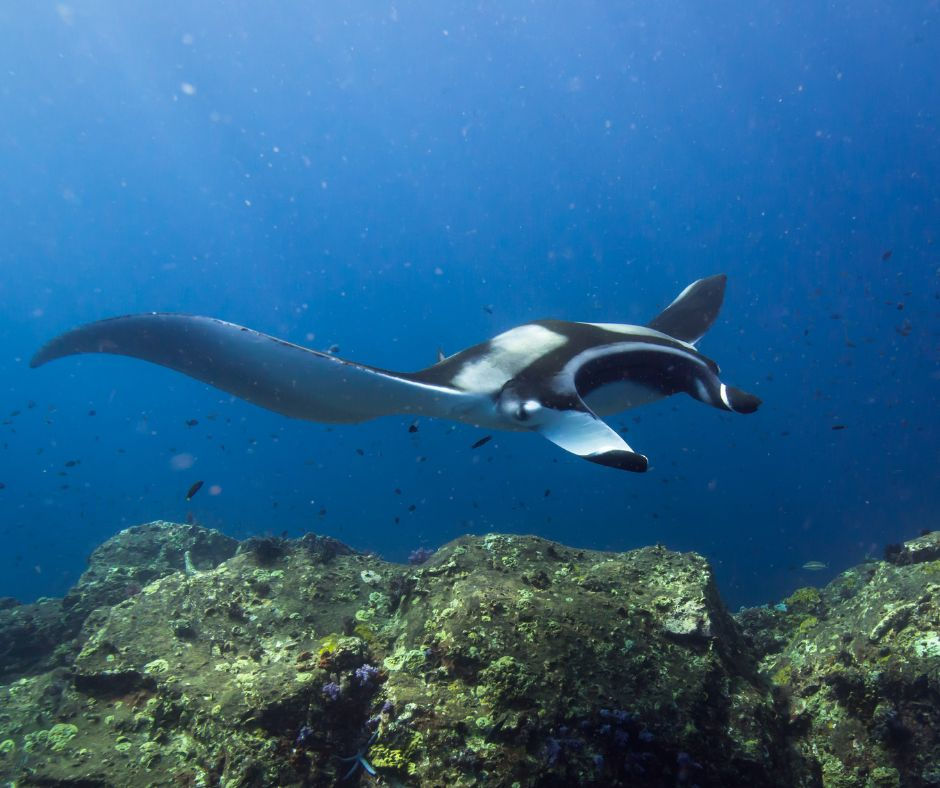
Responsible Tourism – How to Protect Manta Rays
Encounters with manta rays are unforgettable, but they come with responsibility. Practicing sustainable diving Philippines ensures that these gentle giants—and the ecosystems they depend on—remain protected for future generations. Responsible travel is at the heart of preserving eco tourism marine life.
Do’s:
Observe without touching – Manta rays have a protective mucus layer that can be damaged by contact, making them vulnerable to disease.
Use reef-safe sunscreen – Harmful chemicals can affect coral reefs and plankton populations, which are essential to manta ray survival.
Support eco-certified operators – Choose dive centers that follow ethical guidelines and prioritize conservation.
Don’ts:
Do not chase or crowd manta rays – Give them space to move naturally and avoid causing stress.
Never feed wildlife – Artificial feeding disrupts natural behavior and ecosystem balance.
Avoid disturbing cleaning stations – These areas are critical for manta ray health and should be respected at all times.
By following these simple practices, every traveler can play a role in protecting manta rays. Responsible tourism transforms a beautiful encounter into a meaningful one—where appreciation for nature goes hand in hand with preservation.
Takeaway – A Once-in-a-Lifetime Marine Encounter
Few experiences in the natural world compare to the quiet awe of encountering a manta ray in the wild. From their immense wingspan to their effortless, gliding motion, manta rays embody a rare combination of power and grace that leaves a lasting impression on every traveler fortunate enough to witness them. Each encounter is unique—unscripted, serene, and deeply connected to the rhythms of the ocean.
The Philippines stands out as one of the world’s premier destinations for these experiences. With its rich marine ecosystems, protected reef systems, and thriving biodiversity, it offers not only the chance to see manta rays but to understand the delicate balance that sustains them. Whether in remote sanctuaries or along migratory routes, these waters reveal the true beauty of marine life at its most untouched.
As more travelers seek meaningful and immersive experiences, the importance of responsible exploration becomes even greater. By choosing sustainable practices and respecting marine environments, we help ensure that future generations can share in this extraordinary encounter.
“To swim beside a manta ray is to witness the ocean’s quiet elegance—powerful, graceful, and deeply unforgettable.”

Frequently Asked Questions
What is the best place to see manta rays in the Philippines?
The most reliable location is Ticao Pass, widely known as the country’s manta ray capital. It offers consistent seasonal sightings and established cleaning stations. Other notable areas include Tubbataha Reefs Natural Park and Apo Reef Natural Park, though sightings there are less predictable.
Are manta rays dangerous to humans?
No—manta rays are completely harmless. Unlike stingrays, they do not have a stinger. They are gentle, filter-feeding animals that pose no threat to divers or snorkelers, making them safe to observe in their natural habitat.
Do I need diving certification to see manta rays?
Not always. While scuba diving often provides closer and longer encounters—especially at cleaning stations—snorkeling can also offer incredible sightings when manta rays feed near the surface. Certification is only required if you plan to dive with proper equipment.
When is the best time to see manta rays in Masbate?
The peak season in Masbate, particularly around Ticao Pass, typically runs from December to May, when plankton levels are highest and manta ray sightings are most frequent.
Can you snorkel with manta rays in the Philippines?
Yes, in certain conditions. When manta rays are feeding near the surface, snorkelers can observe them without diving. However, encounters are less predictable compared to scuba diving, and always depend on ocean conditions and location.



Manta rays is found in water. A specie/s animal different from the other. It is a most delicate animal in the world.
An animal living in the sea.
Philippines sits in the heart of the Coral Triangle, making it a global hotspot for manta ray sightings. These gentle giants rely on specific "cleaning stations" in reefs like Ticao Pass, where they interact with smaller fish to stay healthy. Protecting these specific spots is the key to keeping the manta population thriving for future divers...
Manta rays are among the most fascinating plankton feeders ocean, combining grace, intelligence, and highly specialized feeding techniques. Understanding their daily behavior reveals just how adapted they are to life in the open sea. Here are key insights into manta ray feeding behavior and lifestyle: