
The Most Beautiful Islands in the Philippines: 25 Tropical Paradises You Need to Visit

A Beautiful Island Paradise
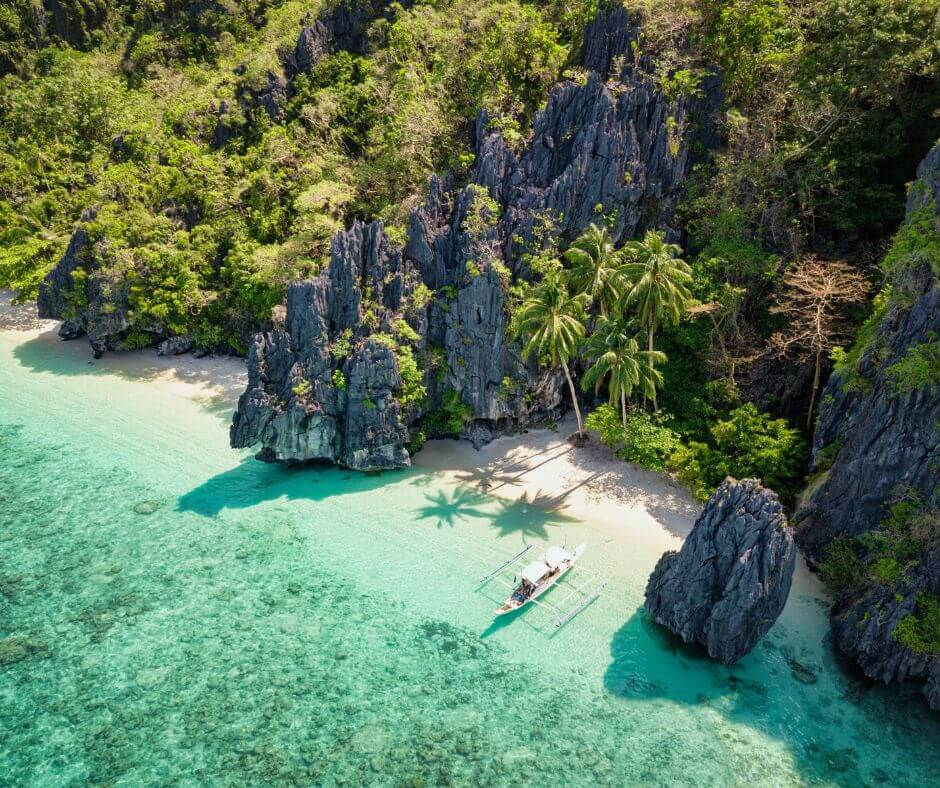
Stretching across the western Pacific, the Philippines is an archipelago of more than 7,600 islands, making it one of the largest island nations in the world. From the dramatic cliffs of Palawan and the rolling hills of Batanes to the white-sand beaches of Boracay and the remote sandbars of Balabac, the country offers an astonishing variety of landscapes that few destinations can match.
The Philippines is widely considered one of the world's premier island destinations, attracting travelers with its turquoise waters, vibrant coral reefs, tropical forests, volcanic landscapes, hidden lagoons, and rich cultural heritage. Whether you're seeking world-class diving, island-hopping adventures, wildlife encounters, or peaceful coastal escapes, there is an island that caters to every type of traveler.
What makes the Philippines truly special is the diversity found across its islands. Some are famous international destinations with luxury resorts and bustling tourism industries, while others remain largely untouched, offering a glimpse of paradise far from the crowds. From centuries-old fishing villages and indigenous communities to marine sanctuaries and protected landscapes, each island tells its own unique story.
In this guide, we'll explore some of the most beautiful islands in the Philippines—from world-renowned favorites to lesser-known gems that deserve a place on every traveler's bucket list. Whether you're planning your first visit or searching for your next island adventure, these destinations showcase the very best of what the Philippines has to offer.
Table of Contents - Most Beautiful Islands in the Philippines
What Makes an Island Beautiful?
The Philippines is home to thousands of islands, each with its own personality and charm. While beauty is often subjective, the most beautiful islands in the Philippines tend to share several characteristics that make them unforgettable destinations for travelers from around the world.
Pristine Beaches
One of the first things people imagine when they think of a tropical island is a beautiful beach. The Philippines is blessed with countless stretches of powdery white sand, crystal-clear waters, and scenic coastlines that rival the best beach destinations on Earth.
Whether it's the world-famous shores of Boracay, the untouched beaches of Balabac, or the remote coastlines of Calaguas, pristine beaches remain one of the defining features of the country's most beautiful islands.
Marine Biodiversity
The Philippines lies within the Coral Triangle, often called the "center of marine biodiversity" on the planet. Beneath the surface, many Philippine islands are surrounded by thriving ecosystems filled with coral reefs, sea turtles, tropical fish, dolphins, whale sharks, and other marine species.
Marine sanctuaries around islands such as Apo, Balicasag, and Pamilacan protect these underwater treasures while providing unforgettable snorkeling and diving experiences for visitors.
Unique Landscapes
Not all beautiful islands are defined solely by their beaches. Some captivate travelers with dramatic natural scenery that goes beyond the shoreline.
Across the Philippines, visitors can discover towering limestone cliffs in Palawan, volcanic landscapes in Camiguin, rolling hills in Batanes, hidden lagoons in El Nido, and spectacular sandbars in Balabac. These diverse landscapes create some of the most photogenic and memorable destinations in Southeast Asia.
Culture and Heritage
An island's beauty extends beyond its scenery. The people, traditions, and stories that shape a destination add depth and meaning to the travel experience.
Many of the Philippines' most beautiful islands are home to unique cultural traditions, indigenous communities, centuries-old churches, historic landmarks, and local festivals. Places like Batanes, Marinduque, and Tawi-Tawi offer visitors the opportunity to experience rich cultural heritage alongside stunning natural beauty.
Sustainability and Conservation
The most beautiful islands are often those that remain protected and carefully managed. Conservation efforts help preserve coral reefs, forests, wildlife habitats, and coastal ecosystems for future generations.
Protected landscapes, marine reserves, and responsible tourism initiatives play a vital role in maintaining the beauty of many Philippine islands. Travelers can contribute by supporting eco-friendly operators, reducing plastic waste, respecting wildlife, and following sustainable tourism practices wherever they go.
What makes an island truly beautiful is the combination of nature, culture, and stewardship. The most remarkable islands in the Philippines are not only visually stunning—they are places where landscapes, communities, and conservation come together to create unforgettable travel experiences.
The 25 Most Beautiful Islands in the Philippines
From world-famous beach destinations to remote island sanctuaries, the Philippines offers an extraordinary collection of islands that showcase the country's incredible natural beauty and cultural diversity. Here are 25 of the most beautiful islands in the Philippines.
1. Palawan
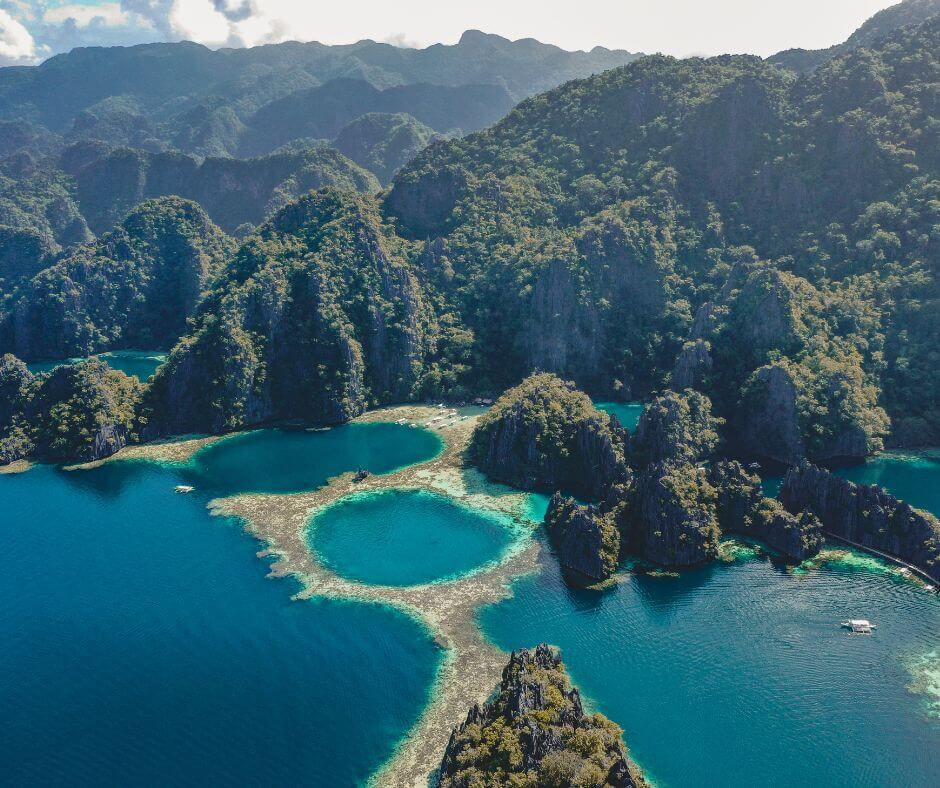
Often regarded as the crown jewel of Philippine tourism, Palawan is home to the spectacular limestone landscapes of El Nido, the crystal-clear lakes of Coron, and the UNESCO-listed Underground River. Its hidden lagoons, towering cliffs, and world-class island-hopping opportunities consistently place it among the world's most beautiful islands.
2. Boracay
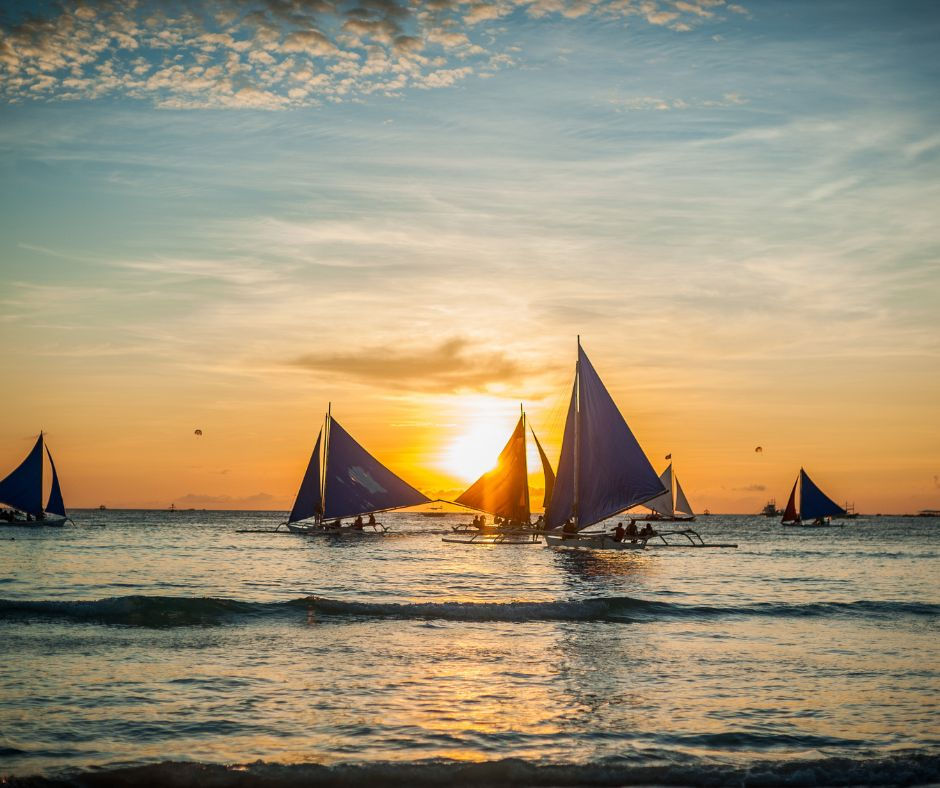
Famous for its powdery White Beach, Boracay has long been one of the Philippines' most iconic destinations. Visitors come for its stunning sunsets, sailing adventures, vibrant atmosphere, and wide range of water sports.
3. Batanes
Unlike any other destination in the country, Batanes captivates visitors with rolling green hills, dramatic coastlines, traditional Ivatan stone houses, and a culture deeply rooted in resilience and heritage.
4. Siargao
Known as the Surfing Capital of the Philippines, Siargao offers far more than waves. Visitors are drawn to its turquoise lagoons, island-hopping adventures, mangrove forests, and scenic coconut-lined roads.
5. Panglao Island
Located in Bohol, Panglao combines beautiful beaches, excellent diving, and easy access to nearby attractions such as Balicasag Island, Pamilacan Island, and the famous Chocolate Hills.
6. Balabac Islands
Situated at the southernmost tip of Palawan, Balabac is a remote paradise known for Onok Island, pristine sandbars, crystal-clear waters, and some of the most untouched beaches in the Philippines.
7. Camiguin
Nicknamed the "Island Born of Fire," Camiguin is home to volcanoes, waterfalls, hot springs, and the iconic White Island sandbar. Despite its small size, it offers remarkable natural diversity.
8. Bantayan Island
Located off northern Cebu, Bantayan Island is beloved for its white-sand beaches, laid-back atmosphere, fresh seafood, and charming coastal communities.
9. Malapascua Island
This small island north of Cebu has earned international recognition as one of the few places in the world where divers can reliably encounter thresher sharks. Its reefs and dive sites attract enthusiasts from around the globe.
10. Siquijor
Often associated with folklore and traditional healing practices, Siquijor combines cultural intrigue with beautiful beaches, waterfalls, caves, and coastal scenery.
11. Gigantes Islands
Located in Iloilo, the Gigantes Islands feature dramatic limestone formations, hidden beaches, caves, and some of the best island-hopping experiences in the Visayas.
12. Apo Island
Apo Island is one of the Philippines' most successful marine conservation stories. Its protected waters are famous for sea turtle encounters, healthy coral reefs, and exceptional snorkeling and diving.
13. Pamilacan Island
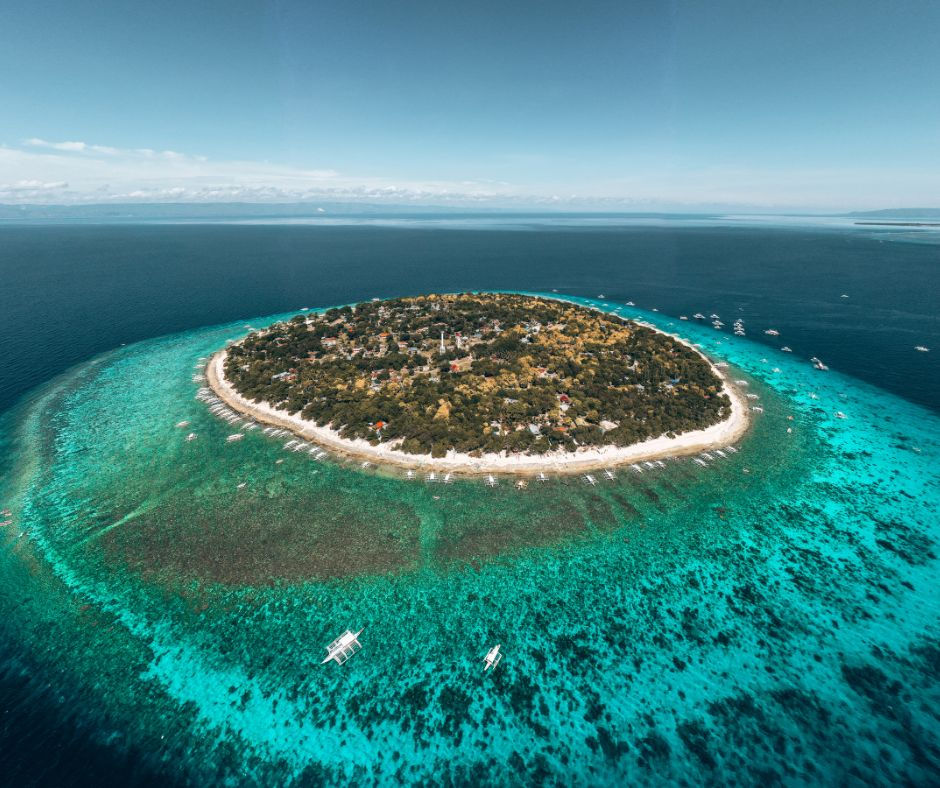
This peaceful island off Bohol is known for dolphin watching, vibrant coral reefs, and a relaxed atmosphere that offers a glimpse into traditional island life.
14. Olango Island
Located near Cebu, Olango Island is internationally recognized for its bird sanctuary and wetlands, which serve as important stopover points for migratory birds along the East Asian-Australasian Flyway.
15. Calaguas Islands
The Calaguas Islands in Camarines Norte are famous for their long stretches of powdery white sand and relatively undeveloped environment, offering a more natural beach experience.
16. Jomalig Island
One of Quezon Province's hidden treasures, Jomalig Island is renowned for its golden-hued beaches, quiet villages, and remote beauty far from major tourist crowds.
17. Sibuyan Island
Often called the "Galápagos of Asia," Sibuyan Island is home to Mount Guiting-Guiting and one of the country's richest concentrations of endemic flora and fauna.
18. Dinagat Islands
Located in northeastern Mindanao, the Dinagat Islands feature striking limestone formations, turquoise waters, caves, and secluded beaches that remain largely undiscovered.
19. Maripipi Island
This peaceful island in Biliran Province offers scenic coastal landscapes, quiet fishing communities, and access to nearby island attractions known for their natural beauty.
20. Cagbalete Island
Situated off the coast of Quezon Province, Cagbalete Island is known for its expansive sandbars, mangrove forests, and shallow waters that create stunning seascapes during low tide.
21. Ticao Island
Located in Masbate, Ticao Island is a premier destination for marine wildlife encounters, including manta rays, whale sharks, and other species that thrive in its nutrient-rich waters.
22. Capul Island
Capul Island in Northern Samar offers a blend of history and nature, featuring a historic lighthouse, Spanish-era landmarks, and beautiful coastal scenery.
23. Palaui Island
Protected as part of a national landscape and seascape, Palaui Island in Cagayan is famous for its rugged beauty, untouched beaches, and the iconic Cape Engaño Lighthouse.
24. Danjugan Island
Danjugan Island in Negros Occidental is a model for conservation tourism, offering visitors opportunities to experience thriving ecosystems, wildlife encounters, and sustainable travel practices.
25. Onok Island
Often considered the crown jewel of Balabac, Onok Island is renowned for its crystal-clear waters, pristine sandbars, vibrant marine life, and postcard-perfect tropical scenery that rivals the best island destinations in Southeast Asia.
These islands showcase the extraordinary diversity of the Philippines.
From world-famous destinations like Palawan and Boracay to hidden gems such as Jomalig, Danjugan, and Onok Island, each offers its own unique blend of natural beauty, culture, and adventure.

Best Islands by Travel Style
With thousands of islands to choose from, the Philippines offers something for every type of traveler. Whether you're searching for pristine beaches, world-class diving, breathtaking scenery, romantic escapes, or family-friendly adventures, there is an island perfectly suited to your travel style.
Best for Beach Lovers
Boracay
Boracay remains the benchmark for tropical beaches in the Philippines. Its famous White Beach features powdery white sand, calm turquoise waters, and spectacular sunsets that consistently rank among the world's best.
Bantayan Island
For travelers seeking a quieter beach experience, Bantayan Island offers beautiful white-sand coastlines, crystal-clear waters, and a laid-back atmosphere without the crowds found in larger destinations.
Calaguas Islands
The Calaguas Islands are known for their long, undeveloped beaches and pristine natural setting. Their remote location and untouched beauty make them ideal for travelers who want a more authentic island escape.
Best for Divers
Malapascua Island
Malapascua is internationally renowned as one of the few places in the world where divers can regularly encounter thresher sharks. Its reefs, walls, and marine biodiversity attract diving enthusiasts year-round.
Apo Island
Apo Island is one of the Philippines' premier marine sanctuaries. Divers and snorkelers can explore healthy coral reefs and enjoy close encounters with sea turtles in protected waters.
Balicasag Island
Located off Panglao, Balicasag Island is famous for its coral gardens, dramatic reef walls, schools of tropical fish, and frequent sea turtle sightings, making it one of the country's top diving destinations.
Best for Nature Lovers
Palawan
Palawan is a paradise for nature enthusiasts, offering limestone cliffs, hidden lagoons, underground rivers, pristine beaches, and some of the most biodiverse marine ecosystems in the country.
Sibuyan Island
Often referred to as the "Galápagos of Asia," Sibuyan Island boasts exceptional biodiversity, dense forests, and the majestic Mount Guiting-Guiting, one of the Philippines' most challenging and rewarding climbs.
Camiguin
Known as the "Island Born of Fire," Camiguin combines volcanoes, waterfalls, hot springs, forests, and offshore sandbars in one compact yet incredibly diverse destination.
Best for Photography
Batanes
Batanes is arguably the most photogenic destination in the Philippines. Its rolling hills, dramatic coastlines, traditional Ivatan stone houses, and windswept landscapes provide endless opportunities for stunning photography.
Dinagat Islands
The Dinagat Islands offer a unique combination of limestone formations, hidden lagoons, turquoise waters, and rugged coastal scenery that remains largely undiscovered.
Balabac
With its pristine sandbars, crystal-clear waters, and remote tropical landscapes, Balabac offers postcard-perfect scenes that rival some of Southeast Asia's most famous island destinations.
Best for Couples
Panglao Island
Panglao combines beautiful beaches, luxury resorts, diving adventures, and romantic sunsets, making it an excellent choice for couples seeking both relaxation and adventure.
Siquijor
Siquijor's tranquil atmosphere, scenic waterfalls, quiet beaches, and magical ambiance create an ideal setting for romantic getaways away from the crowds.
Boracay
From beachfront dining and sunset sailing to luxury accommodations and spa experiences, Boracay remains one of the Philippines' most popular destinations for couples and honeymooners.
Best for Families
Panglao Island
With family-friendly resorts, calm beaches, accessible attractions, and easy transportation, Panglao is one of the most convenient island destinations for travelers with children.
Camiguin
Camiguin offers a variety of family-friendly experiences, including waterfalls, hot springs, historical sites, sandbars, and nature attractions suitable for all ages.
Bantayan Island
Bantayan's relaxed pace, safe swimming beaches, and welcoming local communities make it an excellent choice for families looking for a peaceful island vacation.
No matter your travel style, the Philippines offers an island that feels tailor-made for your interests. From world-class diving and dramatic landscapes to romantic hideaways and family-friendly beaches, these destinations represent some of the very best island experiences the country has to offer.

Best Time to Visit the Philippine Islands
The Philippines enjoys a tropical climate year-round, making it an excellent destination for island travel in any season. However, understanding the country's weather patterns can help travelers choose the best time for their preferred activities and travel style.
Dry Season (November to May)
The dry season is widely considered the best time to visit the Philippine islands. During these months, travelers can expect more sunshine, calmer seas, and favorable weather conditions across much of the country.
Ideal Weather Conditions
Clear skies and warm temperatures make this season perfect for outdoor adventures, sightseeing, and beach vacations. Popular destinations such as Palawan, Boracay, Panglao, Siargao, and Batanes typically experience their most stable weather during this period.
Calm Seas
The dry season generally brings calmer waters, making ferry travel, island hopping, and boat tours more comfortable and reliable. This is especially important for travelers planning to visit remote island destinations such as Balabac, Calaguas, and the Batanes Islands.
Excellent for Island Hopping, Diving, and Beach Activities
Many of the Philippines' top travel experiences are best enjoyed during the dry season. Divers benefit from improved underwater visibility, snorkelers enjoy calmer waters, and beach lovers can take advantage of long sunny days. It is also the peak season for activities such as kayaking, paddleboarding, dolphin watching, and sailing.
Rainy Season (June to October)
While often overlooked, the rainy season can still be a rewarding time to explore the Philippines, particularly for travelers seeking fewer crowds and lower travel costs.
Fewer Tourists
Many popular islands receive significantly fewer visitors during the rainy months. This allows travelers to enjoy a more peaceful atmosphere at beaches, resorts, and tourist attractions.
Greener Landscapes
The increased rainfall transforms many islands into lush tropical landscapes. Waterfalls become more impressive, forests appear greener, and the countryside is often at its most vibrant.
Lower Accommodation Rates
Many hotels, resorts, and tour operators offer discounted rates during the off-season, making it possible to enjoy some of the country's most beautiful destinations at a lower cost.
Weather Considerations
Travelers should be aware that the rainy season can bring heavy rains, rough seas, and occasional tropical storms or typhoons, particularly between July and October. Weather-related delays may affect flights, ferry schedules, and island-hopping tours. Flexible itineraries and travel insurance are highly recommended during this period.
When Is the Best Overall Time to Visit?
For most travelers, the months between November and May offer the best combination of pleasant weather, calm seas, and ideal conditions for exploring the Philippines' most beautiful islands. However, those willing to accept occasional rain can find quieter beaches, lower prices, and a more relaxed travel experience during the rainy season.
Regardless of when you visit, the Philippines offers spectacular island experiences throughout the year, with each season revealing a different side of the country's tropical beauty.
Responsible Island Travel
The Philippines is home to some of the most beautiful islands, coral reefs, and marine ecosystems on Earth. As tourism continues to grow, travelers play an important role in helping protect these natural treasures for future generations. Responsible island travel is not only about enjoying beautiful destinations—it is also about ensuring that local communities, wildlife, and ecosystems continue to thrive.
Using Reef-Safe Sunscreen
Many conventional sunscreens contain chemicals that can harm coral reefs and marine life. When swimming, snorkeling, or diving, choose a reef-safe sunscreen that is free from harmful ingredients such as oxybenzone and octinoxate. This small change can help reduce damage to fragile coral ecosystems that support thousands of marine species throughout the Philippines.
Supporting Local Communities
Tourism has the greatest positive impact when local communities benefit directly from it. Consider staying in locally owned accommodations, hiring local guides, eating at family-run restaurants, and purchasing handmade products from local artisans. Supporting community-based tourism helps create jobs, preserve cultural traditions, and strengthen local economies.
Reducing Plastic Waste
Plastic pollution remains one of the greatest threats to island environments. Travelers can help by bringing reusable water bottles, shopping bags, food containers, and utensils whenever possible. Avoiding single-use plastics reduces waste that can end up in beaches, mangroves, coral reefs, and the open ocean.
Respecting Marine Sanctuaries
Many Philippine islands are surrounded by protected marine sanctuaries that serve as important habitats for coral reefs, sea turtles, fish, dolphins, and other marine life. When snorkeling or diving:
Never touch or stand on coral reefs.
Maintain a safe distance from marine animals.
Avoid feeding wildlife.
Follow all sanctuary regulations and guide instructions.
These practices help preserve delicate underwater ecosystems and ensure healthy marine populations for years to come.
Practicing Leave No Trace Principles
The Leave No Trace philosophy encourages travelers to minimize their environmental impact. Simple actions include:
Taking all trash with you.
Staying on designated trails.
Avoiding damage to plants and wildlife.
Respecting local customs and cultural sites.
Leaving natural and historical attractions exactly as you found them.
The goal is to ensure that future visitors can enjoy the same pristine beauty.
Choosing Eco-Friendly Accommodations and Tours
Many resorts, dive operators, and tour companies across the Philippines are embracing sustainable tourism practices. Look for businesses that:
Support conservation initiatives.
Employ local residents.
Minimize plastic use.
Practice responsible waste management.
Promote environmental education.
By choosing eco-friendly operators, travelers help encourage sustainable development while rewarding businesses that prioritize conservation.
Travel with Purpose
The most beautiful islands in the Philippines are more than just vacation destinations—they are homes to communities, wildlife, and ecosystems that deserve protection. Every choice a traveler makes, from the sunscreen they use to the tours they book, can contribute to preserving these islands for future generations.
Responsible tourism ensures that the Philippines remains one of the world's most extraordinary island destinations while allowing visitors to experience its natural beauty in a meaningful and sustainable way.
Travel Tips for Island Hopping in the Philippines
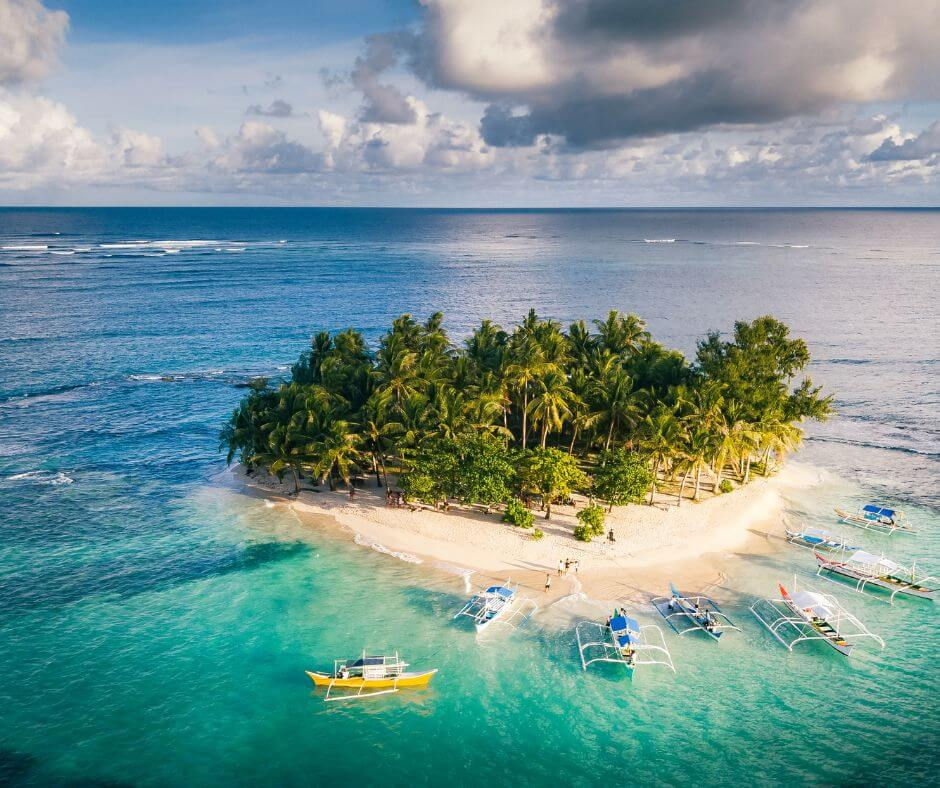
Island hopping is one of the best ways to experience the beauty and diversity of the Philippines. From world-famous destinations like Palawan and Boracay to remote gems such as Balabac and Calaguas, a little preparation can make your journey smoother, safer, and more enjoyable.
Book Flights and Ferries Early
Many of the Philippines' most beautiful islands have limited transportation options, especially during peak travel periods. Domestic flights, ferry tickets, and island-hopping tours can sell out quickly during holidays and the dry season.
Booking transportation and accommodations well in advance not only secures your preferred schedule but often results in better prices and more options.
Bring Cash for Smaller Islands
While major destinations such as Boracay, Panglao, and Siargao offer ATMs and card payment facilities, many smaller islands still operate primarily on cash.
Remote destinations such as Balabac, Calaguas, Jomalig, and some island-hopping stops may have limited or no banking services. Carry enough Philippine pesos for food, transportation, entrance fees, and small purchases.
Check Weather and Sea Conditions
Weather can significantly affect travel plans in an island nation. Strong winds, rough seas, and tropical storms can lead to ferry cancellations and postponed island-hopping tours.
Before traveling, monitor local weather forecasts and check with tour operators regarding sea conditions. Building flexibility into your itinerary is always a good idea, particularly during the rainy season.
Pack Light and Smart
Island hopping often involves multiple boat transfers, beach landings, and limited storage space. Packing light makes travel easier and more comfortable.
Consider bringing:
Lightweight clothing
Swimwear
Waterproof bags
Comfortable sandals
Quick-dry towels
A reusable water bottle
Basic first-aid supplies
A compact travel setup allows you to move easily between islands and activities.
Download Offline Maps
Mobile data coverage varies across the Philippines, especially on smaller islands and remote coastal areas.
Downloading offline maps before departure can help you navigate unfamiliar destinations, locate accommodations, and find nearby attractions even without an internet connection.
Bring Sun Protection and Reef-Safe Products
The tropical sun can be intense throughout the year. Protect yourself by bringing:
Reef-safe sunscreen
Sunglasses
A wide-brimmed hat
Lightweight long-sleeve clothing
Reusable water bottles to stay hydrated
Using reef-safe products also helps protect the coral reefs and marine ecosystems that make many Philippine islands so special.
Respect Local Culture and Customs
Every island has its own traditions, customs, and way of life. Taking the time to learn and respect local practices enhances your travel experience while supporting responsible tourism.
Be courteous when visiting communities, ask permission before photographing people, dress appropriately when visiting religious sites, and support local businesses whenever possible.
Final Travel Tip
The best island-hopping experiences often happen when travelers embrace flexibility and slow down. Some of the Philippines' most memorable moments are found not only on famous beaches and attractions but also in quiet fishing villages, hidden coves, and conversations with local residents. Travel with curiosity, respect, and an open mind, and you'll discover why the Philippines remains one of the world's greatest island destinations.
Takeaway
The Philippines is home to some of the most beautiful islands in the world, offering everything from white-sand beaches and coral reefs to volcanic landscapes, rolling hills, and rich cultural traditions. Whether you're seeking adventure, relaxation, diving, wildlife encounters, or authentic local experiences, there is an island destination for every type of traveler.
Beyond famous destinations like Palawan, Boracay, and Siargao, countless hidden gems await those willing to explore further. As you travel, remember that responsible tourism plays an important role in protecting the country's fragile ecosystems and supporting local communities.
The true beauty of the Philippines lies not only in its breathtaking landscapes but also in the people, cultures, and natural wonders that make each island unique.
Frequently Asked Questions
What is the most beautiful island in the Philippines?
Beauty is subjective, but many travelers consider Palawan to be the most beautiful island in the Philippines. Its dramatic limestone cliffs, hidden lagoons, crystal-clear waters, and world-famous destinations such as El Nido and Coron have earned it numerous international awards. However, islands like Batanes, Siargao, and Balabac offer equally stunning but very different experiences.
Which Philippine Island has the best beaches?
For many visitors, Boracay is the benchmark for beautiful beaches thanks to its powdery white sand and calm turquoise waters. Other excellent beach destinations include Bantayan Island, Panglao Island, Calaguas Islands, and the remote islands of Balabac. The best choice depends on whether you prefer vibrant tourist hubs or quieter, less-developed destinations.
What island is best for first-time visitors?
Panglao Island, Boracay, and Palawan are among the best choices for first-time visitors. These destinations offer excellent tourism infrastructure, a wide range of accommodations, reliable transportation, and easy access to some of the Philippines' most iconic attractions.
Which islands are best for scuba diving?
The Philippines is one of the world's premier diving destinations. Some of the best islands for scuba diving include:
Malapascua Island for thresher sharks
Apo Island for coral reefs and sea turtles
Balicasag Island for marine biodiversity
Coron for World War II shipwreck diving
Ticao Island for manta rays and seasonal whale shark encounters
Each destination offers unique underwater experiences for both beginner and experienced divers.
What is the best time to visit the Philippines?
The best time to visit most Philippine islands is during the dry season from November to May. Travelers can generally expect sunnier weather, calmer seas, and better conditions for island hopping, snorkeling, diving, and beach activities. The rainy season from June to October can still be enjoyable but may bring rough seas and occasional tropical storms.
Which islands are best for families?
Families often enjoy destinations that combine accessibility, safety, and a variety of activities. Some of the best family-friendly islands include:
Panglao Island
Camiguin
Bantayan Island
Boracay
Palawan
These destinations offer family-friendly resorts, calm beaches, nature attractions, and activities suitable for travelers of all ages.
Are there hidden islands worth visiting?
Absolutely. While Boracay and Palawan receive much of the attention, the Philippines is filled with lesser-known gems. Travelers seeking off-the-beaten-path experiences should consider:
Jomalig Island
Calaguas Islands
Dinagat Islands
Maripipi Island
Palaui Island
Danjugan Island
These destinations offer spectacular scenery with fewer crowds and a more authentic island experience.
What are the most underrated islands in the Philippines?
Some of the country's most underrated islands include Sibuyan Island, Ticao Island, Capul Island, Pamilacan Island, and Olango Island. Despite their remarkable biodiversity, cultural heritage, and natural beauty, they remain relatively unknown compared to the country's more famous tourist destinations.

Bloom Philippines: An Adult Coloring Book
Celebrates the extraordinary beauty of the Philippine islands through more than 50 detailed illustrations inspired by tropical flowers, native plants, and Filipino-inspired decorative patterns. Featuring Sampaguita blossoms, Gumamela flowers, exotic orchids, palm frond mandalas, rainforest botanicals, and tropical island-inspired designs, this collection offers a relaxing and creative escape into one of the world’s richest biodiversity hotspots. Designed for mindfulness, stress relief, and artistic expression, Bloom Philippines is perfect for nature lovers, coloring enthusiasts, and anyone seeking a deeper appreciation of the Philippines’ natural and cultural beauty.



A well-designed Color Picker makes color selection more accurate and less time-consuming. Whether someone is creating graphics or updating a website, identifying the correct shade can help maintain consistency and give the finished project a more polished appearance.
Dinosaur Game has such a nostalgic feeling because so many people first encountered it while waiting for their internet connection to come back. Instead of being frustrated by the offline message, you suddenly had a tiny arcade game to play. That was a brilliant idea.
Most beautiful islands are interesting and unique.