
Domestic Flights in the Philippines: The Complete Guide to Flying Between the Islands (2026)

Flying Between the Islands
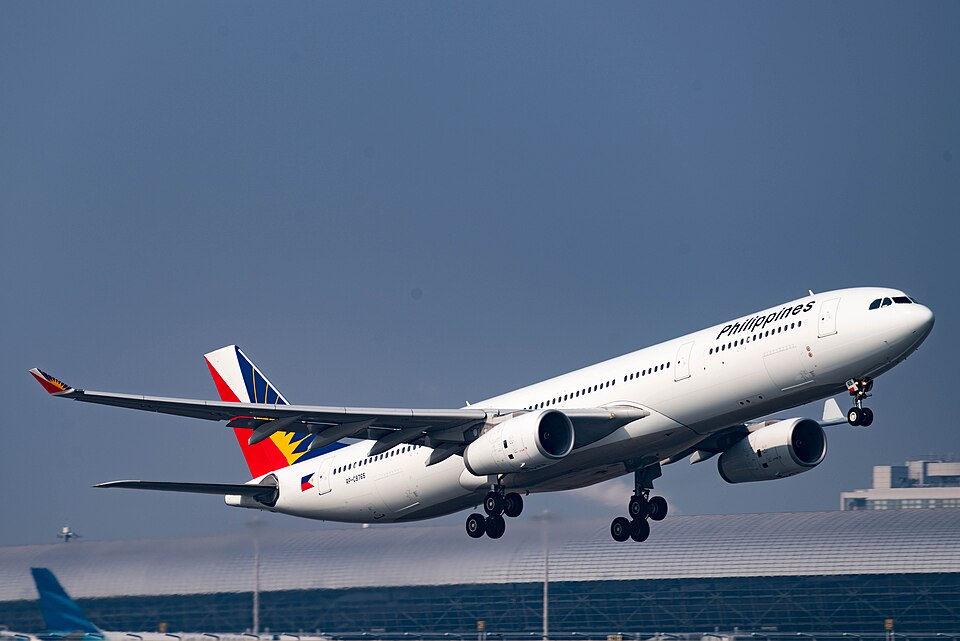
With more than 7,600 islands, the Philippines is one of the world's largest archipelagos, making air travel an essential part of exploring the country. While ferries connect many neighboring islands, domestic flights are often the fastest and most convenient way to travel between major destinations, allowing visitors to experience more of the Philippines in less time.
A well-developed domestic aviation network links bustling cities, tropical islands, and remote regions through dozens of airports and hundreds of daily flights. Whether you're planning a relaxing beach holiday in Boracay, an island-hopping adventure in Palawan, a diving trip to Cebu, or a cultural journey through Mindanao, flying can help you maximize your travel time and minimize long land or sea journeys.
Understanding how domestic flights work can make your trip smoother, more affordable, and far less stressful. Knowing which airlines operate each route, when to book, how baggage allowances work, and what to expect at Philippine airports will help you travel with confidence.
In this guide, you'll learn everything you need to know about domestic flights in the Philippines, including major airlines, airports, popular routes, booking tips, baggage policies, and practical advice for families and first-time visitors planning their Philippine adventure.
Traveling Across an Island Nation
The Philippines is an archipelago of more than 7,600 islands, making transportation an important part of every travel itinerary. While roads connect towns and cities within each island, many of the country's most popular destinations are separated by seas, making domestic flights the fastest and most efficient way to travel.
Whether you're planning to relax on the beaches of Boracay, explore the limestone cliffs of Palawan, dive in Cebu, or discover the cultural attractions of Davao, flying allows you to reach destinations that would otherwise require long ferry journeys or multiple transportation connections. For travelers with limited vacation time, domestic flights make it possible to visit several islands in a single trip.
Quick Highlights
7,600+ islands to explore
80+ airports serving destinations across the country
Fastest way to travel between major islands
Hundreds of daily flights connecting cities and tourist destinations
Domestic air travel also plays a vital role in Philippine tourism. Frequent flights connect major gateways such as Manila, Cebu, Clark, and Davao with popular destinations throughout Luzon, the Visayas, and Mindanao. This extensive network makes it easier for visitors to experience the country's diverse landscapes, cultures, and attractions without spending days in transit.
While ferries remain an excellent option for shorter island crossings and scenic journeys, domestic flights are often the preferred choice for longer routes, families with young children, business travelers, and anyone hoping to maximize their time exploring the Philippines.
Understanding when to fly, which airports to use, and how to plan your itinerary can help you travel more efficiently and enjoy a smoother Philippine adventure. With a little preparation, domestic flights become one of the easiest ways to experience the incredible diversity of this island nation.

When Should You Fly?
Choosing between a domestic flight and a ferry depends on your destination, travel schedule, budget, and the type of experience you're looking for. While both play an important role in Philippine transportation, flying is often the most practical option for travelers visiting multiple islands or those with limited vacation time.
When Flying Is the Best Choice
Domestic flights are ideal when traveling between major islands or covering long distances. They can reduce travel time from many hours—or even an entire day—to just one or two hours. Flying is especially recommended for families with young children, seniors, business travelers, and anyone hoping to maximize their time exploring the Philippines.
Best for:
Multi-island itineraries
Short vacations
Family travel
Business trips
When Ferries Are a Better Option
Ferries are often the better choice for shorter island crossings and travelers who enjoy a slower, more scenic journey. They also provide access to destinations where flights may not be available and can be a cost-effective option for nearby islands.
Best for:
Short-distance island travel
Scenic coastal journeys
Flexible travel schedules
Budget-conscious travelers
Weather Considerations
Weather can affect both flights and ferry services, particularly during the rainy season from June to October. Heavy rain, strong winds, and tropical storms may occasionally delay or cancel departures.
Tip: If you're traveling during typhoon season or have an international connection, allow extra time in your itinerary in case of weather-related disruptions.
Peak Travel Seasons
Domestic flights are busiest during Christmas, Holy Week, summer holidays, and long weekends. During these periods, flights often sell out well in advance and airfares can increase.
Tip: Book your flights as early as possible if you're traveling during peak seasons to secure the best fares and flight schedules.
Flights vs. Ferries
Feature | Domestic Flights | Ferries |
Travel Time | Fastest option | Slower but scenic |
Best For | Long-distance island travel | Nearby island crossings |
Comfort | Ideal for families and short vacations | Relaxed travel with ocean views |
Cost | Usually higher | Often more budget-friendly |
Weather Impact | Occasional delays | More affected by rough seas |
Time Efficiency | Excellent | Best when time is not a priority |
There is no one-size-fits-all transportation option in the Philippines. Many travelers combine domestic flights and ferries to create the perfect itinerary—flying between major islands while using ferries to explore nearby destinations. Choosing the right combination will help you travel more efficiently and make the most of your Philippine adventure.
Major Airlines
The Philippines has a well-established domestic aviation network served by several airlines connecting major cities, tourist destinations, and regional airports. Choosing the right airline depends on your budget, travel priorities, baggage needs, and destination. While all three major carriers operate extensive domestic routes, each offers its own advantages for different types of travelers.
1. Cebu Pacific
Best for: Budget travelers, families looking for promotional fares, and travelers visiting multiple islands.
As the Philippines' largest low-cost airline, Cebu Pacific operates one of the country's most extensive domestic networks. It serves many popular tourist destinations, including Boracay, Palawan, Cebu, Bohol, Davao, Siargao, Iloilo, and Bacolod, making it a popular choice for both local and international travelers.
Advantages
Extensive domestic route network
Frequent promotional fares
Many daily departures on popular routes
Ideal for island-hopping itineraries
Modern fleet serving major tourist destinations
Basic fares often do not include checked baggage, seat selection, or meals, so review your booking carefully before purchasing.
2. Philippine Airlines
Best for: Travelers seeking additional comfort, families, seniors, and those connecting to international flights.
Philippine Airlines (PAL) is the country's flag carrier and offers both domestic and international services. Many travelers choose PAL for its full-service experience, which often includes a checked baggage allowance and complimentary refreshments on many domestic routes, depending on the fare purchased.
Advantages
Full-service travel experience
Convenient international and domestic connections
Flights to major cities and regional destinations
Complimentary services on many fares
Strong reputation for reliability
While fares may be higher than some low-cost carriers, the included services can provide excellent value for travelers who require baggage or additional flexibility.
3. Philippine AirAsia
Best for: Budget-conscious travelers and short domestic trips.
Philippine AirAsia is another popular low-cost airline serving many of the country's busiest routes. It offers competitive fares and frequent promotions, making it an attractive option for travelers looking to reduce transportation costs while exploring the Philippines.
Advantages
Affordable fares throughout the year
Modern aircraft
Regular seat sales and promotions
Popular routes connecting major tourist destinations
Simple online booking process
Like many low-cost airlines, services such as checked baggage, meals, and seat selection are typically available for an additional fee.
4. Regional Airlines
In addition to the three major carriers, several smaller airlines and charter operators serve destinations with limited commercial air service. These airlines help connect remote islands and smaller communities that may not receive frequent flights from larger carriers.
Regional services can be particularly useful for travelers visiting lesser-known destinations or islands with shorter runways. Flight schedules may be more limited, so advance planning is recommended.
Choosing the Right Airline
There is no single "best" airline for every traveler. If you're looking for the lowest fares, Cebu Pacific or Philippine AirAsia may be the right choice. If comfort, baggage allowance, or international connections are your priority, Philippine Airlines may offer better value.
Before booking any domestic flight, compare ticket prices, baggage policies, flight schedules, and airport locations. Selecting the airline that best matches your travel style can help you enjoy a smoother and more enjoyable journey throughout the Philippines.

Understanding Airline Tickets
Not all airline tickets include the same benefits. Before booking a domestic flight in the Philippines, it's important to understand what's included in your fare. Choosing the right ticket can help you avoid unexpected fees and ensure your travel plans match your needs.
1. Economy Fares
Economy fares are the most common option for domestic travel and are available on all major airlines. Depending on the airline and fare type, they may include only your seat and carry-on baggage, while additional services can be purchased separately.
Best for: Most leisure travelers and families.
2. Promo Fares
Promo fares are heavily discounted tickets offered during airline sales or special promotions. These can provide excellent savings, especially if booked months in advance.
Things to Consider:
Limited seat availability
Often non-refundable
Flight changes may not be allowed or may incur additional fees
Extra services such as checked baggage are usually purchased separately
Best for: Flexible travelers with confirmed travel dates.
3. Flex Fares
Flex fares typically cost more than standard economy tickets but offer greater flexibility. Depending on the airline, they may include benefits such as easier flight changes, higher baggage allowances, or reduced change fees.
Best for: Business travelers or anyone whose travel plans may change.
4. Checked Baggage
Checked baggage policies vary by airline and fare type. Some tickets include a baggage allowance, while others charge an additional fee based on weight or the number of bags.
Tip: Purchasing checked baggage during the booking process is usually less expensive than adding it at the airport.
5. Seat Selection
Most airlines allow passengers to choose their seats for an additional fee, while some assign seats automatically during check-in. Families traveling with young children may wish to reserve seats together in advance for added comfort.
Tip: If sitting together is important, select your seats when booking rather than waiting until check-in.
6. Flight Changes
Change and cancellation policies differ between airlines and fare types. Promotional tickets often have the strictest conditions, while flexible fares generally allow changes for a lower fee or without penalty, depending on the airline's terms.
Tip: Review the airline's fare rules before booking, especially if your itinerary is not yet finalized.
Book the Ticket That Fits Your Trip
The lowest fare isn't always the best value. Before confirming your booking, compare what's included—such as baggage, seat selection, and flexibility—to ensure your ticket matches your travel plans. A slightly higher fare may save both money and inconvenience if your schedule changes or you need additional services during your journey.

Major Domestic Airports
The Philippines has more than 80 airports, but a handful serve as the country's primary gateways for domestic travel. Whether you're connecting to a tropical island, a bustling city, or a remote province, understanding the role of each airport can help you plan a smoother journey and choose the most convenient route.
1. Manila (Ninoy Aquino International Airport)
Best for: International arrivals and nationwide domestic connections
Manila is the Philippines' busiest aviation hub and the main gateway for most international visitors. From here, travelers can connect to nearly every major destination across the country.
Popular Routes
Cebu
Davao
Puerto Princesa
Caticlan (Boracay)
Panglao (Bohol)
Iloilo
Bacolod
Siargao
Facilities
Multiple passenger terminals
Restaurants and cafés
Shopping and duty-free stores
Currency exchange and ATMs
Airport lounges
Car rental and transportation services
Tip: Always confirm your departure terminal before heading to the airport, as different airlines operate from different terminals.
2. Cebu (Mactan–Cebu International Airport)
Best for: Exploring the Visayas and connecting to southern destinations
Cebu is the country's second-largest aviation hub and an excellent alternative to Manila. Many travelers use Cebu as a starting point for island-hopping adventures.
Popular Routes
Manila
Davao
Siargao
Puerto Princesa
Caticlan
Iloilo
Bacolod
Facilities
Modern international terminal
Restaurants and cafés
Shopping
Airport lounges
Car rental services
Convenient ground transportation
3. Davao (Francisco Bangoy International Airport)
Best for: Exploring Mindanao
Davao serves as the primary gateway to Mindanao and offers convenient access to the region's natural attractions, mountains, beaches, and cultural destinations.
Popular Routes
Manila
Cebu
Iloilo
Clark
Facilities
Restaurants
Retail shops
ATMs
Taxi and ride-hailing services
Car rental options
4. Clark (Clark International Airport)
Best for: Travelers in Central and Northern Luzon
Located north of Metro Manila, Clark provides an increasingly popular alternative to Manila for both domestic and international travelers. It offers modern facilities and can be a convenient option for avoiding Manila's heavier traffic.
Popular Routes
Cebu
Davao
Caticlan
Puerto Princesa
Facilities
Modern passenger terminal
Restaurants and cafés
Duty-free shopping
Airport lounges
Ground transportation services
5. Puerto Princesa International Airport
Best for: Visiting Palawan
Puerto Princesa is the main gateway to central and southern Palawan and serves travelers visiting the Puerto Princesa Underground River and other nearby attractions.
Popular Routes
Manila
Cebu
Clark
Facilities
Restaurants and snack kiosks
Souvenir shops
Taxi services
Car rental providers
6. Caticlan Airport
Best for: Traveling to Boracay
Located just a short transfer from Boracay Island, Caticlan Airport offers the quickest access to one of the Philippines' most famous beach destinations.
Popular Routes
Manila
Cebu
Clark
Facilities
Passenger waiting areas
Food outlets
Transportation to the ferry terminal
Shuttle and taxi services
Tip: After landing, travelers take a short land transfer followed by a brief ferry ride to Boracay Island.
7. Bohol–Panglao International Airport
Best for: Visiting Bohol and Panglao Island
Located on Panglao Island, this modern airport provides easy access to Bohol's beaches, dive sites, Chocolate Hills, and wildlife attractions.
Popular Routes
Manila
Cebu
Davao
Facilities
Modern passenger terminal
Restaurants and cafés
Souvenir shops
Taxi and shuttle services
Car rental options
Choosing the Right Airport
Selecting the right airport can save both time and money during your trip. While Manila remains the country's largest aviation hub, airports in Cebu, Clark, Davao, Puerto Princesa, Caticlan, and Panglao often provide more convenient access to specific regions. Before booking your flight, compare available routes, connection times, and ground transportation options to build the most efficient itinerary for your Philippine adventure.

Popular Domestic Flight Routes
The Philippines' extensive domestic flight network makes it easy to travel between the country's most popular destinations. Whether you're planning a beach vacation, a cultural getaway, or a multi-island adventure, these routes are among the busiest and most convenient for travelers. Flight times are approximate and may vary depending on the airline, weather conditions, and flight schedules.
1. Manila → Cebu
Approximate Flight Time: 1 hour 30 minutes
One of the country's busiest domestic routes, this flight connects the nation's capital with Cebu, the gateway to the Central Visayas. It's an excellent starting point for exploring nearby islands, beaches, diving destinations, and historical attractions.
Best for: City breaks, island hopping, diving, and cultural experiences.
2. Manila → Davao
Approximate Flight Time: 2 hours
This route provides quick access to Mindanao, where travelers can experience mountain landscapes, nature parks, local culture, and some of the country's finest tropical fruit.
Best for: Nature lovers, adventure travelers, and cultural exploration.
3. Manila → Puerto Princesa (Palawan)
Approximate Flight Time: 1 hour 20 minutes
Puerto Princesa serves as the gateway to central and southern Palawan, including the famous Underground River and numerous eco-tourism attractions. Many travelers also continue north to El Nido or Coron after arriving.
Best for: Nature, beaches, and eco-adventures.
4. Cebu → Siargao
Approximate Flight Time: 1 hour
This short flight connects Cebu with one of the Philippines' most popular island destinations. Known for surfing, island hopping, and its laid-back atmosphere, Siargao is a favorite among both local and international travelers.
Best for: Surfing, island life, and outdoor adventures.
5. Cebu → Bohol (Panglao)
Approximate Flight Time: About 30–40 minutes*
Flying between Cebu and Bohol is a quick option for travelers with limited time, although many visitors also choose the fast ferry, which is often just as convenient depending on schedules.
Best for: Family vacations, wildlife encounters, beaches, and sightseeing.
*Flight schedules on this route may be limited, and many travelers choose the ferry as an alternative.
6. Manila → Caticlan (Boracay)
Approximate Flight Time: 1 hour
This is the fastest way to reach Boracay. After landing at Caticlan Airport, travelers take a short land transfer followed by a brief ferry ride to the island.
Best for: Beach vacations, water sports, and luxury resort stays.
Approximate Flight Times
Route | Approximate Flight Time |
Manila → Cebu | 1 hour 30 minutes |
Manila → Davao | 2 hours |
Manila → Puerto Princesa | 1 hour 20 minutes |
Cebu → Siargao | 1 hour |
Cebu → Bohol (Panglao) | 30–40 minutes* |
Manila → Caticlan (Boracay) | 1 hour |
*Flight schedules may vary, and ferry services are also a popular option.
Planning Your Route
Many travelers combine several of these routes to create an unforgettable island-hopping itinerary. For the best selection of flights and fares, book well in advance—especially during Christmas, Holy Week, summer holidays, and long weekends. Choosing efficient flight connections can help you spend less time traveling and more time enjoying the incredible destinations the Philippines has to offer.
Booking Tips
Booking your domestic flights strategically can save both time and money while giving you more flexibility during your trip. Whether you're planning a short vacation or a multi-island adventure, a little preparation can help you secure better fares, more convenient flight times, and smoother connections.
1. Book Early
One of the easiest ways to find lower airfares is to book your flights well in advance. This is especially important if you're traveling during holidays or visiting popular destinations such as Boracay, Palawan, Cebu, or Siargao.
Tip: Whenever possible, book domestic flights 2–4 months before departure for the best selection of fares and schedules.
2. Watch for Promo Sales
Philippine airlines regularly offer promotional fares throughout the year. These sales can provide significant savings, particularly for travelers planning several months ahead.
Tip: Subscribe to airline newsletters or follow their official social media accounts so you're notified when seat sales begin.
3. Plan Around Peak Seasons
Demand for domestic flights increases during Christmas, Holy Week, summer vacations, and long weekends. During these periods, flights often sell out quickly and ticket prices rise.
Tip: If your travel dates are fixed, book as early as possible to secure your preferred flight and avoid paying higher last-minute fares.
4. Stay Flexible with Travel Dates
If your schedule allows, flying on weekdays or adjusting your departure by a day or two may result in lower fares and better flight availability. Even small changes can make a noticeable difference in price.
Tip: Compare several travel dates before booking to find the best combination of price and schedule.
5. Allow Time for Connecting Flights
If your itinerary includes multiple destinations, avoid scheduling very short layovers. Delays caused by weather or operational changes can occasionally affect domestic flights, particularly during the rainy season.
Tip: Leave plenty of time between connecting flights, especially if you're transferring from an international arrival or changing terminals at Manila's airport.
Smart Booking Checklist
Before confirming your reservation, remember to:
Compare fares across different airlines.
Review baggage allowances and additional fees.
Double-check your departure and arrival airports.
Verify flight times and terminal information.
Purchase travel insurance if appropriate.
Save your booking confirmation and travel documents.
A Little Planning Goes a Long Way
The best airfare isn't always the lowest price—it's the one that best fits your itinerary and travel style. Booking early, staying flexible, and understanding airline policies can help you enjoy a smoother, more affordable journey while giving you more time to explore the incredible islands of the Philippines.

Baggage Guide
Understanding your airline's baggage policy before you travel can help you avoid unexpected fees and make your journey much smoother. Baggage allowances vary by airline and fare type, so it's always worth checking your booking confirmation before heading to the airport. Packing efficiently also makes traveling between the Philippine islands easier, especially if your itinerary includes multiple flights.
1. Carry-On Baggage
Most airlines allow passengers to bring one piece of carry-on baggage along with a small personal item, such as a handbag, laptop bag, or backpack. Size and weight limits vary by airline, so check the latest guidelines before packing.
Tip: Keep travel documents, medications, electronics, valuables, and one change of clothing in your carry-on bag.
2. Checked Baggage
Checked baggage may or may not be included in your ticket, depending on the airline and fare you purchased. Budget airlines often charge separately for checked luggage, while some full-service fares include a baggage allowance.
Tip: Purchasing checked baggage during the booking process is usually more affordable than adding it at the airport.
3. Sports Equipment
Many travelers bring sporting equipment to enjoy the Philippines' outdoor activities, including surfing, diving, golfing, and cycling. Airlines generally accept items such as surfboards, golf clubs, bicycles, and scuba equipment, although additional fees or special handling requirements may apply.
Tip: Contact your airline before departure to confirm size limits, packaging requirements, and any applicable charges.
4. Baby Equipment
Families traveling with young children can usually bring essential baby equipment such as strollers, car seats, and diaper bags. Individual airline policies vary, so review your airline's guidelines before traveling.
Tip: Foldable strollers are especially convenient when navigating airports and boarding domestic flights.
5. Restricted Items
Certain items cannot be carried in your hand luggage or checked baggage due to aviation safety regulations. Common restrictions include sharp objects, flammable materials, hazardous chemicals, and some battery-powered devices. Liquids in carry-on baggage may also be subject to security limits.
Tip: Review your airline's prohibited items list before packing to avoid delays during security screening.
Packing Checklist
Before leaving for the airport, remember to:
Confirm your airline's baggage allowance.
Label all checked luggage with your contact information.
Pack valuables and medications in your carry-on bag.
Weigh your luggage before departure.
Keep chargers, travel documents, and important items easily accessible.
Check airline rules if traveling with sports or baby equipment.
Pack Smart and Travel Easier
A little preparation can save both time and money. By understanding baggage policies, packing efficiently, and checking airline requirements before your trip, you'll enjoy a smoother travel experience and spend more time exploring the incredible destinations the Philippines has to offer.
Airport Tips
A little preparation before arriving at the airport can make your domestic flight much smoother. Whether you're traveling alone, with family, or on a multi-island itinerary, understanding airport procedures will help reduce stress and keep your journey on schedule.
1. Arrive Early
Although domestic flights are generally quicker to board than international flights, it's still wise to arrive with plenty of time before departure. This allows enough time for check-in, baggage drop, security screening, and finding your boarding gate.
Tip: Plan to arrive at least 2 hours before your scheduled departure, especially during holidays and peak travel periods.
2. Complete Check-In
Many airlines offer online check-in, allowing you to save time at the airport. If you've checked in online and are traveling with carry-on luggage only, you may be able to proceed directly to security.
Tip: Download your boarding pass to your mobile device or keep a printed copy as a backup.
3. Prepare for Security Screening
Security screening is required before entering the departure area. Keeping electronics, travel documents, and permitted liquids easily accessible can help speed up the process.
Tip: Pack neatly and avoid carrying prohibited items to prevent delays during inspection.
4. Check Your Departure Terminal
Some airports, particularly Manila's Ninoy Aquino International Airport, have multiple terminals used by different airlines. Arriving at the wrong terminal can lead to unnecessary stress and missed flights.
Tip: Confirm your departure terminal before leaving your hotel or accommodation.
5. Keep Travel Documents Handy
Have your government-issued identification, passport (if required), boarding pass, and booking confirmation readily available throughout your journey. Keeping these documents together makes check-in and boarding much more efficient.
Tip: Store digital copies of important travel documents securely on your phone or in cloud storage as a backup.
6. Traveling with Children
Airports can be exciting but also tiring for young travelers. Bringing snacks, refillable water bottles, books, small toys, or downloaded movies can help keep children entertained while waiting for boarding.
Tip: Allow extra time for restroom breaks, diaper changes, and boarding when traveling with infants or young children.
Quick Airport Checklist
Before leaving for the airport, remember to:
Arrive at least 2 hours before departure.
Complete online check-in when available.
Verify your airline and departure terminal.
Keep travel documents within easy reach.
Confirm baggage allowances before arrival.
Pack entertainment and snacks for children.
Monitor your flight status for schedule updates.
Start Your Journey Stress-Free
Good preparation is the key to a smooth airport experience. By arriving early, organizing your documents, and planning ahead—especially when traveling with children—you'll spend less time worrying about logistics and more time looking forward to your next destination in the Philippines.

Family Travel Tips
Flying between the Philippine islands can be an enjoyable experience for the whole family with a little planning. Domestic flights are generally short, making them ideal for traveling with children. Preparing ahead of time can help reduce stress and keep everyone comfortable from check-in to arrival.
1. Traveling with Kids
Domestic flights in the Philippines typically last between one and two hours, making them manageable for young travelers. Before your trip, explain what to expect at the airport and during the flight to help children feel more relaxed and excited.
Tip: Schedule flights around your child's usual nap times whenever possible for a more comfortable journey.
2. Bring a Foldable Stroller
A lightweight, foldable stroller is especially useful when navigating airports, boarding gates, and baggage claim areas. It can also make sightseeing much easier after you arrive at your destination.
Tip: Check your airline's stroller policy before departure, as procedures may vary.
3. Pack Baby Food and Essentials
If you're traveling with an infant or toddler, keep baby food, formula, bottles, diapers, wipes, medications, and a change of clothes in your carry-on bag. Having these essentials within easy reach makes the journey much more comfortable.
Tip: Pack a few extra supplies in case of unexpected delays or schedule changes.
4. Keep Children Entertained
Even short flights can feel long for young children. Bringing familiar entertainment helps keep them engaged while waiting at the airport and during the flight.
Consider packing:
Books
Coloring supplies
Small travel games
Tablets with downloaded movies or shows
Headphones
Favorite snacks or comfort toys
Tip: Download movies, games, and music before leaving home in case airport or in-flight internet is unavailable.
5. Allow Extra Time
Traveling with children usually takes a little longer. Give yourself extra time for check-in, security screening, restroom breaks, meals, and boarding.
Tip: A relaxed schedule helps everyone stay calm and makes the travel experience more enjoyable.
Family Travel Checklist
Before heading to the airport, remember to:
Arrive early for your flight.
Pack baby essentials in your carry-on.
Bring snacks and refillable water bottles.
Keep travel documents easily accessible.
Charge electronic devices before departure.
Pack entertainment for children.
Allow extra time for every stage of the journey.
Enjoy the Journey Together
Domestic flights make it easy for families to discover the incredible diversity of the Philippines. With a little preparation and a flexible mindset, you'll spend less time worrying about travel logistics and more time creating unforgettable memories together as you explore one beautiful island after another.
Common Mistakes to Avoid
Domestic flights make traveling around the Philippines fast and convenient, but a few common mistakes can lead to unnecessary expenses, delays, or missed connections. Planning ahead and knowing what to expect will help ensure a smoother travel experience.
1. Booking Too Late
Waiting until the last minute often means paying higher fares and having fewer flight options, especially during Christmas, Holy Week, summer vacations, and long weekends.
Tip: Book domestic flights 2–4 months in advance whenever possible, particularly for popular destinations such as Boracay, Cebu, Palawan, and Siargao.
2. Ignoring Baggage Fees
Many budget airlines charge separately for checked baggage. Travelers sometimes book the lowest fare without realizing that baggage, seat selection, and other services are additional costs.
Tip: Compare the total cost of your trip—including baggage—before choosing a fare.
3. Scheduling Short Layovers
Tight connections can become stressful if your first flight is delayed due to weather or operational changes. This is especially important when connecting to or from an international flight.
Tip: Allow generous connection times, particularly when changing terminals or airlines.
4. Going to the Wrong Airport or Terminal
Some cities have multiple airports, and Manila's Ninoy Aquino International Airport has several terminals used by different airlines. Arriving at the wrong location can result in a missed flight.
Tip: Double-check your departure airport and terminal before leaving for the airport.
5. Forgetting About the Weather
Weather conditions, particularly during the rainy season, can occasionally affect flight schedules. While delays are not common every day, it's wise to plan with some flexibility.
Tip: Avoid scheduling important events immediately after a domestic flight, and consider travel insurance for added peace of mind.
6. Not Checking Flight Updates
Flight schedules and boarding gates can change. Relying only on your original itinerary without checking for updates may cause unnecessary confusion.
Tip: Check your airline's website or mobile app before leaving for the airport and again before boarding.
Avoid These Common Mistakes
Before every domestic flight, remember to:
Book flights early.
Review baggage allowances.
Allow enough time for connections.
Verify your airport and terminal.
Monitor weather forecasts during the rainy season.
Check your flight status before heading to the airport.
Travel with Confidence
Most domestic flights in the Philippines are smooth and efficient, especially with a little preparation. By avoiding these common mistakes, you'll spend less time dealing with travel challenges and more time enjoying the country's incredible islands, vibrant cities, and unforgettable experiences.

Takeaway — Exploring the Philippines One Flight at a Time
Domestic flights are one of the easiest and most efficient ways to explore the Philippines. With more than 7,600 islands and an extensive network of airports, flying allows travelers to spend less time in transit and more time enjoying the country's world-class beaches, vibrant cities, natural wonders, and unique cultural experiences.
A little planning goes a long way. Booking flights in advance, comparing airlines, understanding baggage policies, and allowing extra time for connections can help you save money and avoid unnecessary travel stress. Choosing the airline and route that best fits your itinerary will make your island-hopping adventure even more enjoyable.
Whether you're visiting the Philippines for the first time or returning to discover new destinations, domestic flights make it easy to experience the incredible diversity of this island nation.
To help you plan every step of your journey, explore more destination guides, island itineraries, airport guides, and practical travel planning resources on the KGM Resorts Blog. Wherever your next flight takes you, we hope it leads to unforgettable adventures and a deeper appreciation for the beauty and hospitality of the Philippines.
Frequently Asked Questions
How early should I arrive for a domestic flight in the Philippines?
It's generally recommended to arrive at least two hours before departure. This allows enough time for check-in, baggage drop, security screening, and boarding, especially during holidays and other busy travel periods.
Which airline is best for domestic flights?
The best airline depends on your travel needs. Cebu Pacific and Philippine AirAsia are popular for affordable fares and extensive domestic networks, while Philippine Airlines is often preferred by travelers seeking additional services such as checked baggage and greater flexibility.
How much do domestic flights cost?
Airfares vary depending on the route, travel season, booking date, and airline. Promotional fares can offer significant savings, while prices generally increase during peak travel periods such as Christmas, Holy Week, and summer holidays.
Can I bring food on a domestic flight?
Yes. Most airlines allow passengers to bring snacks and non-alcoholic beverages purchased before boarding, provided they comply with airport security regulations. When traveling with infants or young children, baby food and formula are generally permitted.
How much baggage is included?
Baggage allowances depend on the airline and the fare you purchase. Some tickets include checked baggage, while many low-cost fares include only carry-on luggage. Always review your baggage allowance before your flight to avoid additional airport fees.
Can I fly with a baby?
Yes. Domestic flights in the Philippines are family-friendly, and many airlines accommodate infants and young children. Parents should review the airline's policies regarding infant travel, strollers, car seats, and baby baggage before departure.
Should I book flights in advance?
Yes. Booking 2–4 months in advance often provides the best selection of flight times and lower fares, particularly if you're traveling during school holidays, long weekends, or peak tourist seasons.

Bloom Philippines: An Adult Coloring Book
Celebrates the extraordinary beauty of the Philippine islands through more than 50 detailed illustrations inspired by tropical flowers, native plants, and Filipino-inspired decorative patterns. Featuring Sampaguita blossoms, Gumamela flowers, exotic orchids, palm frond mandalas, rainforest botanicals, and tropical island-inspired designs, this collection offers a relaxing and creative escape into one of the world’s richest biodiversity hotspots. Designed for mindfulness, stress relief, and artistic expression, Bloom Philippines is perfect for nature lovers, coloring enthusiasts, and anyone seeking a deeper appreciation of the Philippines’ natural and cultural beauty.



Domestic flights are ideal when traveling between major islands or covering long distances. They can reduce travel time from many hours—or even an entire day—to just one or two hours. Flying is especially recommended for families with young children, seniors, business travelers, and anyone hoping to maximize their time exploring the Philippines.
This travel guide is super informative! I love how it covers everything from booking tips to family travel advice. Definitely sharing this with my friends who love island hopping!