
Why You Should Visit the Philippines: Top Reasons to Explore This Island Paradise

A Tropical Destination Like No Other

If you’re wondering why visit the Philippines, the answer begins with its incredible diversity and natural beauty. Located in Southeast Asia, the Philippines is an archipelago of more than 7,000 islands, each offering its own unique landscapes, traditions, and experiences. From white-sand beaches and crystal-clear waters to lush mountains and vibrant cities, the country presents a destination unlike any other.
Beyond its stunning scenery, the Philippines is rich in culture and history. Influenced by indigenous traditions, Asian heritage, and centuries of global interaction, Filipino culture is expressed through festivals, cuisine, and everyday life. Travelers can explore historic towns, enjoy flavorful local dishes, and immerse themselves in a culture known for its warmth and hospitality.
Food is another highlight of the journey, with Filipino cuisine offering a mix of bold flavors and regional specialties that reflect the country’s diverse influences.
Ultimately, the Philippines stands out not just for what it offers, but for how it makes visitors feel. The Philippines offers a unique blend of natural beauty, culture, and unforgettable experiences, making it one of the most rewarding travel destinations in the world.
Table of Contents - Why You Should Visit the Philippines
World-Class Beaches and Islands
When it comes to the best beaches in the Philippines, the country consistently ranks among the top destinations in the world. With powdery white sand, turquoise waters, and thousands of islands to explore, the Philippines offers beach experiences that range from lively resort hubs to untouched tropical escapes.
Boracay – White Sand Paradise
Boracay is one of the most famous beach destinations in the Philippines, known for its iconic White Beach. It's fine, powdery sand and calm, crystal-clear waters make it ideal for swimming and relaxation.
Beyond the beach, Boracay offers a vibrant atmosphere with beachfront dining, sunset views, and water activities such as parasailing and paddleboarding. It’s a perfect destination for travelers seeking both leisure and energy in one place.
Palawan – Limestone Cliffs and Lagoons
Often considered one of the most beautiful islands in the world, Palawan is a must-visit for nature lovers. Destinations like El Nido and Coron feature dramatic limestone cliffs, hidden lagoons, and pristine beaches surrounded by emerald waters.
Island hopping is a highlight in Palawan, where visitors can explore secluded coves, swim in crystal-clear lagoons, and snorkel among vibrant marine life. Each stop feels like a private paradise, offering a sense of discovery with every journey.
Siargao – Surfing Capital
Siargao is widely known as the surfing capital of the Philippines, attracting surfers from around the world. The famous Cloud 9 wave offers powerful swells for experienced surfers, while beginners can find gentler breaks across the island.
Beyond surfing, Siargao offers a laid-back island lifestyle with palm-lined roads, natural rock pools, and nearby island-hopping destinations. Its relaxed atmosphere makes it equally appealing for those looking to unwind.
Crystal Waters and Island Adventures
Across these destinations, one thing remains constant—the Philippines’ stunning, crystal-clear waters. Whether you’re swimming, snorkeling, or simply enjoying the view, the clarity and color of the sea are unforgettable.
Island hopping further enhances the experience, allowing travelers to explore multiple islands in a single day. From hidden beaches to vibrant coral reefs, every journey reveals a new side of the Philippines’ natural beauty.

Warm Filipino Hospitality
One of the most compelling reasons to visit the Philippines is its world-renowned Filipino hospitality. While the country’s landscapes are undeniably beautiful, it is the people who often leave the most lasting impression. Travelers frequently describe their experiences not just in terms of destinations, but in terms of the warmth and kindness they receive from locals.
Friendly and Welcoming Locals
Filipinos are known for their approachable and friendly nature. Whether you’re asking for directions, ordering food, or simply exploring a neighborhood, you’ll often be greeted with a smile. Conversations come easily, and many locals are genuinely curious and eager to help visitors feel comfortable.
Guests Treated Like Family
In Filipino culture, guests are treated with exceptional care—often as if they were part of the family. It is common for visitors to be invited to share meals, sit and relax, or join in local gatherings. Even in modest homes, hosts will go out of their way to make guests feel welcomed and valued.
This sense of hospitality reflects a deeper cultural belief: that generosity and kindness strengthen relationships and build trust.
A Cultural Value Rooted in Tradition
Filipino hospitality is not just a social habit—it is a core cultural value shaped by centuries of tradition. It is closely connected to ideas of respect, community, and shared humanity.
To better understand this cultural trait, readers can explore our deeper insights into Filipino Hospitality and Filipino Values on KGM Resorts, where these traditions are explored in greater detail.
Ultimately, Filipino hospitality transforms travel into something more meaningful. It turns a visit into a personal experience—one defined not only by places, but by the people who make those places unforgettable.
Rich Culture and Heritage
The Philippines offers more than stunning landscapes—it is a destination deeply enriched by history, tradition, and cultural diversity. Understanding Philippine culture reveals a unique blend of indigenous heritage and global influences that have shaped the nation over centuries.
Indigenous Roots
Long before foreign contact, the Philippines was home to diverse indigenous communities with their own languages, belief systems, and traditions. These early societies developed rich cultural practices, including weaving, music, dance, and storytelling. Many of these traditions continue to thrive today, especially among indigenous groups who preserve their customs and connection to the land.
These roots remain an essential part of Filipino identity, influencing everything from local rituals to artistic expression.
Spanish and American Influence
The arrival of Spanish colonizers in the 16th century introduced Catholicism, which became a central part of Filipino life. Spanish influence can still be seen in religious traditions, fiestas, and architecture, particularly in centuries-old churches and colonial-era towns.
Later, the American period brought changes to education, language, and governance. English became widely used, and Western cultural elements blended with existing traditions. Together, these influences contributed to the Philippines’ distinct cultural character—one that combines Eastern and Western elements.
Festivals and Traditions
Festivals are among the most vibrant expressions of Philippine culture. Celebrations such as Sinulog, Ati-Atihan, and Pahiyas highlight a blend of religious devotion and local creativity. These events feature colorful costumes, music, dance, and community participation, offering visitors an immersive cultural experience.
Beyond festivals, everyday traditions—such as family gatherings, religious observances, and local customs—reflect the values of community, respect, and hospitality.
Historic Towns and Churches
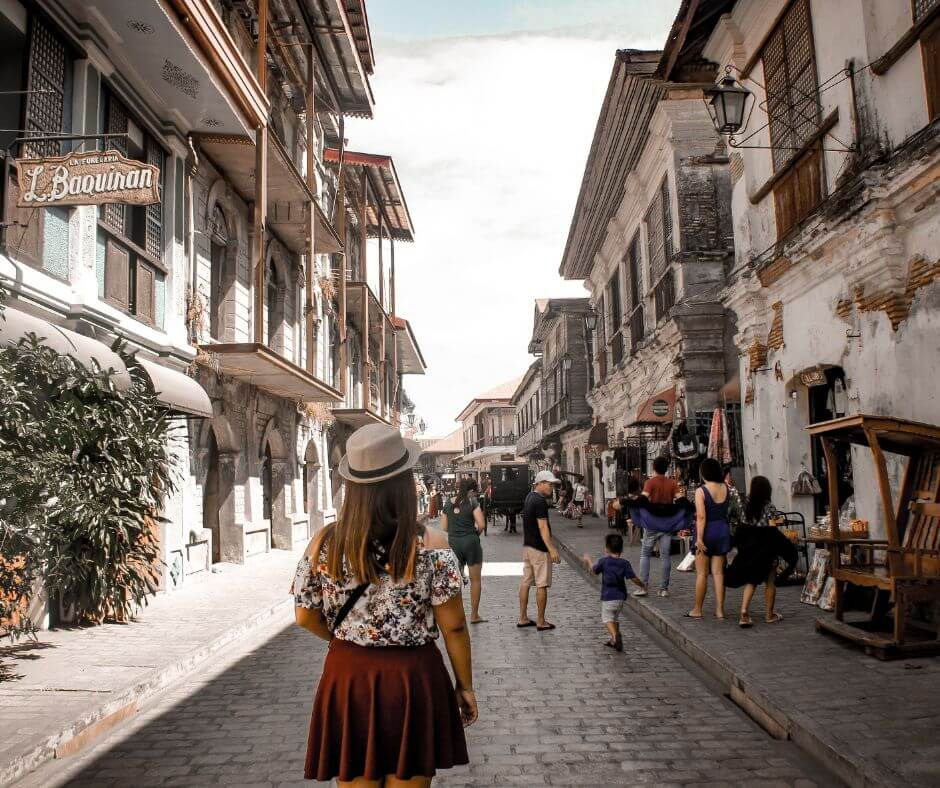
Across the Philippines, historic towns and heritage sites provide a glimpse into the country’s past. Places like Vigan and Intramuros showcase well-preserved architecture, cobblestone streets, and colonial-era buildings.
Churches, in particular, stand as enduring symbols of both faith and history. Many of these structures have withstood centuries of change, serving as cultural landmarks and centers of community life.
Together, these elements create a rich and dynamic cultural landscape—one that makes the Philippines not only a destination of natural beauty, but also a place of deep historical and cultural significance.

Delicious Filipino Cuisine
Exploring Filipino food is an essential part of any visit to the Philippines. The country’s cuisine reflects a rich blend of indigenous traditions, regional diversity, and historical influences. Meals are often shared, flavorful, and deeply connected to Filipino culture and daily life.
Must-Try Filipino Dishes
Adobo
Adobo is one of the most iconic dishes in the Philippines. Typically made with chicken or pork, it is simmered in a savory mixture of soy sauce, vinegar, garlic, bay leaves, and peppercorns. Its rich, tangy flavor makes it a staple in Filipino households and a must-try for first-time visitors.
Sinigang
Sinigang is a sour soup known for its refreshing and comforting taste. The broth is usually flavored with tamarind and filled with vegetables, along with pork, shrimp, or fish. Its distinctive sourness sets it apart and reflects the Filipino love for bold, balanced flavors.
Lechon
Lechon, or roasted whole pig, is often considered the centerpiece of Filipino celebrations. Slow-roasted over charcoal, it features crispy skin and tender, flavorful meat. It is commonly served during festivals, holidays, and special gatherings, making it both a culinary and cultural experience.
Filipino Desserts
Halo-halo
Halo-halo, meaning “mix-mix,” is one of the most popular desserts in the Philippines. Made with shaved ice, sweet beans, fruits, jellies, leche flan, and ice cream, it is a colorful and refreshing treat—perfect for the country’s tropical climate.
Street Food Experience
Street food is an important part of Filipino culinary culture. Local markets and roadside stalls offer a variety of affordable and flavorful snacks that reflect everyday life in the Philippines.
Trying street food gives travelers a more authentic experience, allowing them to taste local flavors while engaging with the community. From grilled items to sweet treats, the variety and creativity of Filipino street food make it a memorable part of any trip.
Adventure and Outdoor Experiences
For travelers seeking excitement, adventure travel in the Philippines offers a wide range of outdoor activities set against some of the most beautiful landscapes in the world. With its tropical islands, rich marine ecosystems, and diverse terrain, the country is a natural playground for exploration and adventure.
Island Hopping
Island hopping is one of the most popular experiences in the Philippines. With thousands of islands to explore, travelers can visit hidden beaches, crystal-clear lagoons, and remote sandbars in a single day.
Destinations like Palawan and Cebu are known for their island-hopping tours, where each stop reveals a different side of the country’s coastal beauty—from dramatic limestone cliffs to quiet, untouched coves.
Diving and Snorkeling
The Philippines is part of the Coral Triangle, making it one of the world’s top destinations for diving and snorkeling. Beneath its clear waters lies an extraordinary marine ecosystem filled with colorful coral reefs, tropical fish, sea turtles, and other marine life.
Whether you’re a beginner or an experienced diver, there are countless sites across the country offering unforgettable underwater experiences.
Surfing
The Philippines has become a global surfing destination, with waves suitable for both beginners and professionals. Siargao, known as the surfing capital of the country, is famous for its world-class waves, particularly at Cloud 9.
Beyond surfing, the island’s laid-back atmosphere and scenic surroundings make it a favorite among travelers seeking both adventure and relaxation.
Hiking and Waterfalls
For those who prefer land-based adventures, the Philippines offers mountains, volcanoes, and lush forests ideal for hiking. Trails often lead to breathtaking viewpoints, crater lakes, and natural landscapes.
Waterfalls are also scattered throughout the country, hidden within jungles and valleys. Many can be reached through short treks, rewarding visitors with cool, refreshing pools and serene surroundings.

Diverse Landscapes Beyond Beaches
While the Philippines is best known for its beaches, the country’s natural wonders extend far beyond its coastlines. From mountain highlands to volcanic landscapes and lush forests, the Philippines offers a diverse range of environments that showcase its ecological richness.
Rice Terraces
Among the most iconic natural wonders are the rice terraces of northern Luzon, particularly the Banaue Rice Terraces. Carved into the mountains over two thousand years ago, these terraces reflect both natural beauty and human ingenuity. They continue to serve as working agricultural systems, sustaining local communities while offering breathtaking views.
These terraces are not only scenic landscapes but also cultural landmarks that highlight the deep connection between people and nature.
Volcanoes
The Philippines is part of the Pacific Ring of Fire, making it home to numerous active and dormant volcanoes. These geological features create dramatic landscapes and unique travel experiences.
Mayon Volcano, known for its near-perfect cone shape, is one of the most photographed landmarks in the country. Meanwhile, Taal Volcano, located within a lake, offers a rare and striking natural setting.
Hiking these volcanic areas allows visitors to witness the raw power and beauty of the earth.
Forests and Waterfalls
Beyond mountains and volcanoes, the Philippines is rich in tropical forests and hidden waterfalls. Dense jungles and protected natural areas provide habitats for diverse plant and animal species.
Waterfalls such as Kawasan Falls in Cebu and Tinuy-an Falls in Mindanao offer refreshing escapes surrounded by lush greenery. Many of these sites require short treks, making the journey as rewarding as the destination.
Together, these landscapes reveal a different side of the Philippines—one that goes beyond beaches to showcase a country rich in natural diversity, ecological beauty, and unforgettable outdoor experiences.
English-Friendly Travel Destination
One of the most practical travel tips for the Philippines is knowing that the country is one of the most English-friendly destinations in Asia. English is one of the Philippines’ official languages and is widely used in education, business, and daily communication. This makes traveling throughout the country much easier for international visitors.
English Widely Spoken Across the Country
Most Filipinos can speak and understand English, especially in cities, tourist destinations, and transportation hubs. Whether you are booking accommodations, ordering food, or asking for directions, communication is generally smooth and straightforward.
This widespread use of English allows travelers to engage more comfortably with locals, creating opportunities for meaningful conversations and cultural exchange.
Easy Communication for Travelers
Because of the strong English proficiency, visitors rarely face language barriers when traveling in the Philippines. Signage in airports, hotels, restaurants, and major attractions is often in English, making navigation simple and convenient.
This ease of communication helps travelers feel more confident and relaxed, especially for those visiting Southeast Asia for the first time.
Ultimately, the Philippines offers a rare combination of cultural immersion and accessibility—where visitors can explore freely while still feeling understood and connected.
Affordable and Accessible Travel
One of the biggest advantages of visiting the Philippines is how well it caters to different budgets. For travelers searching for budget travel in the Philippines, the country offers a wide range of affordable options without sacrificing quality or experience.
Range of Accommodations
The Philippines provides accommodations for every type of traveler. Budget-conscious visitors can find hostels, guesthouses, and affordable beachfront stays, especially in popular destinations like Cebu, Siargao, and Palawan. These options often offer comfort, local charm, and convenient locations.
At the same time, the country also features high-end resorts and boutique hotels for those seeking luxury. From private villas to world-class beachfront properties, travelers can choose experiences that match their preferences and budget.
Affordable Food and Transportation
Food in the Philippines is both delicious and budget-friendly. Local eateries, known as carinderias, serve home-style Filipino meals at affordable prices. Street food and local markets also offer a variety of inexpensive options, allowing travelers to experience authentic flavors without overspending.
Transportation is similarly accessible. Public options such as jeepneys, buses, and tricycles provide low-cost ways to get around cities and towns. For longer distances, domestic flights and ferries are available at competitive prices, making island travel relatively affordable.
Options for Every Type of Traveler
Whether you’re a backpacker, mid-range traveler, or luxury seeker, the Philippines offers flexible travel experiences. Visitors can easily mix budget-friendly activities—like island hopping and local dining—with occasional splurges on premium accommodations or guided tours.
Overall, the Philippines stands out as a destination where travelers can enjoy stunning landscapes, rich culture, and memorable experiences—without the high costs often associated with tropical destinations.
Cultural Festivals and Unique Experiences
Experiencing festivals in the Philippines is one of the best ways to understand the country’s vibrant culture. These celebrations are more than events—they are living traditions that bring together music, dance, faith, and community. For travelers, festivals offer a unique opportunity to immerse themselves in Filipino culture in its most colorful and expressive form.
Sinulog Festival (Cebu)
The Sinulog Festival in Cebu is one of the largest and most famous festivals in the Philippines. Held every January in honor of the Santo Niño, it features grand street parades, rhythmic dancing, and elaborate costumes.
The highlight of the festival is the Sinulog dance, characterized by a forward-and-backward movement that symbolizes the flow of water. The celebration blends religious devotion with cultural expression, creating an energetic atmosphere that attracts both locals and international visitors.
Ati-Atihan Festival (Aklan)
The Ati-Atihan Festival, held in Kalibo, Aklan, is often called the “Mother of All Philippine Festivals.” It also honors the Santo Niño but stands out for its strong connection to indigenous heritage.
Participants paint their faces black and wear tribal-inspired costumes as they dance through the streets. The celebration is spontaneous and immersive, with visitors encouraged to join the festivities. Ati-Atihan offers a powerful mix of history, culture, and community participation.
Baguio Flower Festival (Panagbenga Festival)
The Baguio Flower Festival, also known as the Panagbenga Festival, is celebrated in the mountain city of Baguio every February. Unlike many religious festivals, this event focuses on the region’s floral industry and cultural pride.
The festival features grand float parades decorated with vibrant flowers, street dancing performances, and cultural exhibits. Set against the cool climate of the Cordillera highlands, it offers a refreshing and visually stunning experience.
Vibrant Celebrations and Cultural Immersion
These festivals highlight the diversity of Filipino culture—each with its own story, traditions, and identity. From religious devotion to community pride, festivals provide travelers with a deeper understanding of local life.
For visitors, joining these celebrations is more than just watching—it’s about participating, connecting, and experiencing the true spirit of the Philippines.

Things First-Time Travelers Should Know
Planning your trip with the right Philippines travel tips can make your experience smoother, safer, and more enjoyable. While the country is welcoming and easy to explore, understanding a few key details will help you travel with confidence.
Best Time to Visit
The Philippines has a tropical climate with two main seasons: dry season (November to May) and rainy season (June to October). The best time to visit is during the dry months, especially from December to April, when the weather is sunny and ideal for beaches, island hopping, and outdoor activities.
Traveling during the rainy season is still possible, but visitors should be prepared for occasional heavy rains and potential weather disruptions.
Transportation Between Destinations
Because the Philippines is made up of over 7,000 islands, transportation often involves multiple options. Domestic flights are the fastest way to travel between major destinations like Manila, Cebu, and Palawan.
For shorter distances, ferries and boats are commonly used. Within cities, transportation includes taxis, ride-hailing apps, buses, jeepneys, and tricycles. While travel can take time, it is part of the experience of exploring an island nation.
Safety Tips
The Philippines is generally safe for tourists, especially in popular travel destinations. However, it is always important to practice basic safety precautions.
Keep valuables secure
Use licensed transportation
Stay aware of your surroundings
Follow local travel advisories
It is also helpful to monitor weather conditions, particularly during typhoon season.
Local Etiquette
Understanding local customs enhances your travel experience. Filipinos value politeness, friendliness, and respect.
Greet people with a smile
Show respect to elders
Dress modestly when visiting churches or rural areas
Be mindful of local traditions
Simple gestures of courtesy go a long way in building positive interactions with locals.
Takeaway – Your Next Dream Destination
The Philippines is more than just a tropical getaway—it is a destination that offers a rare combination of natural beauty, rich culture, and genuine human connection. From world-class beaches and diverse landscapes to vibrant festivals and unforgettable cuisine, every journey through the islands reveals something new and meaningful.
What truly sets the Philippines apart is the experience beyond the scenery. It is the warmth of the people, the sense of community, and the moments of connection that leave a lasting impression. Travelers often arrive for the destinations—but return for the feeling.
Whether you are seeking adventure, relaxation, or cultural discovery, the Philippines offers an experience that speaks to both the heart and the spirit. It is a place where every island tells a story and every encounter becomes a memory.
Explore more travel guides and destinations on KGM Resorts—and start planning your next dream destination.

Frequently Asked Questions
Is the Philippines worth visiting?
Yes, the Philippines is absolutely worth visiting. With over 7,000 islands, it offers a unique mix of stunning beaches, diverse landscapes, rich culture, and warm hospitality. Whether you’re looking for adventure, relaxation, or cultural immersion, the Philippines provides a well-rounded travel experience that appeals to all types of travelers.
What is the best time to visit the Philippines?
The best time to visit is during the dry season from November to May, when the weather is generally sunny and ideal for outdoor activities such as island hopping, diving, and sightseeing. The peak months are December to April. While the rainy season (June to October) can bring heavy rainfall, it also offers fewer crowds and lower travel costs.
Is the Philippines safe for tourists?
The Philippines is generally safe for tourists, especially in well-established destinations such as Manila, Cebu, Palawan, and Boracay. As with any international travel, it is important to follow basic safety precautions—keep valuables secure, use trusted transportation, and stay informed about local advisories. Most travelers experience a safe and enjoyable visit.
What are the best islands to visit?
Some of the best islands to visit include Palawan for its lagoons and limestone cliffs, Boracay for its white-sand beaches, and Siargao for surfing and laid-back island life. Each destination offers a different experience, allowing travelers to explore both natural beauty and local culture.
How many days do you need in the Philippines?
For first-time visitors, 7 to 10 days is a good starting point to explore one or two regions. However, to fully experience multiple islands and enjoy a more relaxed pace, 2 to 3 weeks is recommended. The more time you have, the more diverse your experience will be across the country’s many islands.



Comments