
The Filipino Connection to Nature: Why the Natural World Remains at the Heart of Filipino Life

A Culture Shaped by the Natural World

The Philippines is a nation deeply connected to nature. Composed of more than 7,000 islands scattered across the western Pacific Ocean, the country is home to diverse landscapes that include towering mountains, lush rainforests, fertile plains, winding rivers, and some of the world's most biodiverse marine environments. For centuries, these natural surroundings have shaped the way Filipinos live, work, celebrate, and connect with one another.
Unlike in many parts of the world where nature is often viewed as something separate from daily life, the Filipino connection to nature remains woven into everyday experiences. Coastal communities depend on the sea for food and livelihood, farming villages follow the rhythms of the seasons, and families gather outdoors to enjoy beaches, rivers, parks, and mountains. Even in rapidly growing cities, many Filipinos maintain a strong appreciation for gardens, open spaces, and the natural beauty that surrounds them.
Nature is more than a backdrop to life in the Philippines—it is an important part of Filipino identity. Traditional homes were designed to work with the climate, local festivals celebrate harvests and natural abundance, and many cultural values reflect a deep respect for community, resourcefulness, and the environment. From the iconic bahay kubo surrounded by tropical plants to generations of fishermen and farmers who have lived in harmony with the land and sea, the natural world has long influenced Filipino culture.
Today, as urbanization and modern lifestyles continue to transform society, this enduring relationship with the Philippine environment remains an important source of inspiration, wellness, and cultural pride. Understanding the Filipino connection to nature offers a deeper appreciation of the country's traditions, values, and the unique way of life that has been shaped by the islands for generations.
Table of Contents - The Filipino Connection to Nature
A Nation of Islands: How Geography Shaped Filipino Life
The story of the Philippines cannot be separated from its geography. Stretching across more than 7,000 islands, the country is one of the world's largest archipelagos. From tropical coastlines and coral reefs to mountain ranges, fertile valleys, and dense forests, the natural landscape has shaped the Filipino way of life for centuries.
The influence of Philippine geography can be seen in everything from livelihoods and food traditions to community life and cultural identity.
A Life Connected by the Sea
For generations, the sea has connected rather than divided the islands.
Long before modern transportation, Filipinos traveled by boat to trade goods, visit neighboring communities, and build relationships across the archipelago. Coastal settlements grew along shorelines and river mouths, where fishing became both a livelihood and a way of life.
Even today, maritime traditions remain an important part of island culture in the Philippines. Banca boats continue to dot coastal waters, while fishing communities help supply fresh seafood to local markets throughout the country.
Mountains, Valleys, and Agricultural Traditions
While the sea shaped coastal life, the mountains and fertile plains shaped the countryside.
Across the Philippines, generations of farmers learned to work with the land. In the Cordillera region, communities carved rice terraces into mountain slopes, creating one of the country's most remarkable agricultural landscapes. Elsewhere, fertile lowlands supported the cultivation of rice, coconuts, sugarcane, fruits, and vegetables.
The changing seasons of planting and harvesting influenced daily routines, local festivals, and community traditions, strengthening the connection between people and the land.
Geography and Cultural Diversity
The Philippines' diverse landscapes also contributed to its rich cultural diversity.
Communities adapted to the environments around them, developing unique traditions, languages, cuisines, and lifestyles. Coastal provinces often built cultures around fishing and seafaring, while upland communities relied on farming, forest resources, and mountain trade routes.
Nature on the Filipino Table
Fresh seafood is a staple in many coastal communities, while agricultural regions are known for rice dishes, tropical fruits, and locally grown ingredients. Coconut-rich recipes are common near the coast, while highland areas often feature vegetables and crops suited to cooler climates.
Across the country, local cuisine reflects the landscapes from which it comes.
A Lasting Influence
Although cities continue to grow and lifestyles evolve, geography still shapes everyday life in the Philippines.
The sea, mountains, forests, and farmlands continue to influence how Filipinos live, work, travel, and connect with one another. More than physical features, these landscapes remain an important part of the nation's culture, traditions, and identity.

Nature in Everyday Filipino Life
For many Filipinos, nature is not something visited occasionally—it is part of daily life. Across the Philippines, generations have lived closely with the land and sea, developing traditions and routines shaped by their natural surroundings. Whether fishing along the coast, tending crops in the mountains, or growing fruit trees in the backyard, everyday life often reflects a strong connection to the environment.
This relationship remains an important part of the traditional Filipino lifestyle, particularly in rural communities where nature continues to provide food, livelihoods, and a sense of identity.
Life by the Sea
As an archipelagic nation, many Filipino communities have long depended on the ocean.
In coastal villages, fishing is more than an occupation—it is often a family tradition passed down through generations. Fishermen head out before sunrise in small banca boats, returning with fresh catches that support local households and markets. Along the shoreline, families gather shellfish, dry fish under the sun, and prepare meals centered around the sea's abundance.
Life in the Mountains
In the mountainous regions of the Philippines, communities have learned to work with the land rather than against it.
For centuries, farming has been a way of life in many upland areas. The famous rice terraces of the Cordilleras stand as a testament to the skill and resilience of generations of farmers who transformed steep slopes into productive farmland. Beyond rice, mountain communities cultivate vegetables, root crops, coffee, and fruit trees suited to cooler climates.
The rhythms of planting, harvesting, and caring for the land continue to shape daily routines and local traditions.
Life in the Countryside
Across the countryside, nature remains a familiar part of everyday living.
Many homes maintain backyard gardens filled with vegetables, herbs, and flowering plants. Mango, coconut, banana, guava, and papaya trees are common sights, often providing food for both families and neighbors. In some communities, raising chickens, ducks, or small livestock remains a household practice that complements agricultural activities.
These nature-based livelihoods foster a sense of self-sufficiency while strengthening ties between families and communities.
Even as urbanization continues across the country, many Filipinos maintain a close relationship with the natural world. From tending gardens and growing food to gathering around fishing and farming traditions, daily interactions with nature remain woven into Filipino culture. These enduring practices reflect a lifestyle built on respect for the environment and appreciation for the resources it provides.
The Bahay Kubo: Living in Harmony with Nature
Few structures better represent the Filipino connection to nature than the bahay kubo, also known as the nipa hut. Found throughout the countryside for generations, this traditional home reflects a way of life built around simplicity, practicality, and respect for the natural environment.
Built From Nature
Traditional bahay kubo homes were constructed using materials gathered from the surrounding environment. Bamboo provided the framework and flooring, while nipa palm or cogon grass was commonly used for roofing. Wood, rattan, and other locally available materials completed the structure.
Because these resources were renewable and readily available, the bahay kubo was both affordable and environmentally sustainable. Communities could build, repair, and maintain homes using materials sourced from nearby forests, fields, and waterways.
Designed for the Tropical Climate
Long before modern architecture embraced sustainable design, the bahay kubo demonstrated an understanding of how to live comfortably within a tropical environment.
Raised on stilts, the structure allowed air to circulate beneath the floor while protecting residents from flooding, insects, and ground moisture. Large windows and open walls encouraged natural ventilation, helping keep the interior cool during hot and humid days. The steep roof efficiently shed heavy rain, making the design well suited to the Philippines' tropical climate.
Rather than working against nature, the bahay kubo worked with it.
A Lifestyle of Simplicity and Sustainability
The bahay kubo also reflects values that remain important in Filipino culture. Traditionally surrounded by gardens, fruit trees, and small farms, it was often part of a self-sufficient lifestyle where families grew food, raised animals, and relied on local resources.
This close relationship with the land encouraged resourcefulness, community cooperation, and an appreciation for nature's abundance. Many of these principles align closely with modern ideas of sustainable living, even though they have been practiced in the Philippines for generations.
An Enduring Cultural Symbol
Today, many Filipinos live in modern homes and cities, yet the image of the bahay kubo continues to hold a special place in the national imagination. It represents a simpler way of life, a connection to the land, and a reminder that true comfort does not always depend on complexity.
As an icon of Filipino architecture, the bahay kubo remains a powerful symbol of living in harmony with nature—a lesson that feels as relevant today as it did centuries ago.

Filipino Values Inspired by Nature
The natural environment has influenced more than the livelihoods and traditions of the Philippines—it has also helped shape many of the values that define Filipino culture. For generations, communities relied on the land and sea for survival, learning lessons about cooperation, resilience, gratitude, and responsible use of resources. These experiences became woven into everyday life and continue to influence Filipino values today.
Simplicity
Living close to nature often encourages an appreciation for simplicity.
For much of Philippine history, families depended on what the land, sea, and surrounding environment could provide. Homes were built from local materials, meals were prepared using seasonal ingredients, and daily life centered around practical needs rather than excess.
This way of living fostered an understanding that happiness and well-being do not always come from having more. Instead, many Filipinos learned to value family, community, and the simple pleasures of everyday life. While modern lifestyles have changed, this appreciation for simplicity remains an important part of Filipino culture.
Resourcefulness
Nature also taught Filipinos how to make the most of available resources.
Throughout the country, people developed creative ways to use local materials for shelter, tools, transportation, and food. Bamboo became building material, coconut trees provided everything from food to roofing, and natural resources were carefully utilized to support daily life.
This adaptability helped communities thrive in diverse environments and challenging conditions. Today, resourcefulness remains one of the most recognized Filipino traits, reflecting generations of learning how to live in harmony with the natural world.
Bayanihan
One of the most celebrated Filipino values is bayanihan, the spirit of community cooperation and mutual support.
In agricultural communities, planting and harvesting often required the help of neighbors and extended family members. Building homes, clearing fields, repairing fishing boats, and preparing for community events were frequently shared responsibilities.
This tradition reinforced the idea that success is often achieved together rather than alone. While the famous image of villagers carrying a bahay kubo symbolizes bayanihan, the value extends far beyond that single act. It reflects a culture where people come together to help one another during both challenges and celebrations.
Gratitude
Living close to nature also nurtures a deep sense of gratitude.
Farmers depend on favorable weather, fishermen rely on healthy seas, and communities often recognize that many aspects of life are beyond human control. As a result, harvests, abundant catches, and successful seasons have long been reasons for celebration and thanksgiving.
This respect for nature's gifts can be seen in local festivals, family gatherings, and everyday expressions of appreciation. It reflects an understanding that abundance is something to be valued, shared, and never taken for granted.
Nature and Wellness in Filipino Culture
For many Filipinos, spending time in nature is more than a leisure activity—it is an important part of maintaining balance, connection, and well-being. Long before wellness travel became a global trend, Filipinos were gathering on beaches, visiting rivers, hiking mountain trails, and spending time outdoors with family and friends. These experiences continue to play an important role in Filipino wellness culture, offering opportunities to relax, reconnect, and appreciate the natural world.
Across the country, nature often serves as a setting for family gatherings, celebrations, and moments of rest. Weekend outings to parks, beaches, waterfalls, and countryside destinations remain popular traditions that bring people together while providing a break from the demands of everyday life.
Finding Peace by the Ocean
Living in an archipelago means that many Filipinos grow up with a close relationship to the sea.
The sound of waves, the rhythm of the tides, and the sight of open horizons can create a sense of calm and perspective. Families often spend weekends at the beach, enjoying simple pleasures such as swimming, picnics, and watching the sunset. Coastal destinations provide an opportunity to slow down, unwind, and temporarily escape the pressures of work and city life.
Wellness in the Mountains
The mountains offer a different kind of wellness experience.
Cooler temperatures, fresh air, and scenic views make mountain destinations popular places for rest and reflection. Whether visiting highland communities, hiking forest trails, or simply enjoying a quiet viewpoint, many Filipinos find peace in the natural beauty of the country's upland regions.
Mountain environments also encourage physical activity and a deeper appreciation for nature. Away from crowded urban centers, they provide space to slow down and reconnect with the environment.
Nature as a Place of Reflection
Beyond recreation, nature often serves as a place for reflection and emotional well-being.
A walk through a forest, a quiet moment beside a river, or an evening spent watching the sunset can provide opportunities to clear the mind and recharge. These simple experiences help explain why many people feel calmer and more grounded after spending time outdoors.
In recent years, interest in nature and wellness has continued to grow. Wellness retreats, eco-resorts, forest escapes, and slow travel experiences have become increasingly popular as travelers seek meaningful ways to disconnect from technology and reconnect with themselves. Many of these experiences draw inspiration from traditional Filipino relationships with nature, emphasizing simplicity, mindfulness, and appreciation for the environment.
As modern life becomes increasingly fast-paced, nature remains one of the most accessible sources of wellness in the Philippines. Whether by the ocean, in the mountains, or along a quiet riverbank, the natural world continues to offer opportunities for rest, healing, and connection.

Indigenous Wisdom and Environmental Stewardship
Long before modern conservation movements emerged, Indigenous communities across the Philippines practiced ways of living that emphasized balance, respect, and responsibility toward the natural world. For generations, these communities developed a deep understanding of local ecosystems, relying on observation, experience, and traditional knowledge to manage resources sustainably.
Today, this indigenous knowledge in the Philippines remains an important part of the country's cultural heritage and offers valuable lessons for environmental stewardship.
Many Indigenous group's view nature not simply as a resource to be used, but as a living system to be respected and protected. Forests, rivers, mountains, and wildlife are often regarded as interconnected parts of life that support both present and future generations. This perspective encourages careful use of natural resources and recognizes the importance of maintaining ecological balance.
Living in Harmony with the Environment
Traditional ecological knowledge developed over centuries through close interaction with the land.
Indigenous communities learned when to plant and harvest crops, how to manage water resources, and how to gather food without depleting local ecosystems. Many practices were designed to ensure that forests remained healthy, rivers stayed productive, and wildlife populations could continue to thrive.
Rather than focusing on short-term gain, these approaches often emphasized long-term sustainability and the well-being of the community as a whole.
Respect for Forests, Rivers, and Wildlife
Across many Indigenous cultures in the Philippines, respect for nature is reinforced through customs, traditions, and cultural beliefs.
Forests provide food, medicine, building materials, and clean water, making their protection essential for community survival. Rivers support agriculture and daily life, while wildlife plays an important role in maintaining healthy ecosystems. As a result, many traditional practices encourage responsible use of these resources and discourage wasteful exploitation.
Lessons for the Modern World
As environmental challenges such as deforestation, habitat loss, and climate change continue to affect communities around the globe, Indigenous approaches to stewardship offer valuable insights.
Many of the principles practiced for generations—using resources responsibly, protecting biodiversity, and considering the needs of future generations—align closely with modern sustainability goals. They remind us that conservation is not only about protecting landscapes but also about fostering a respectful relationship with nature.
Why the Ocean Holds a Special Place in Filipino Life
For a nation made up of thousands of islands, the ocean is far more than a geographical feature—it is a defining part of Filipino life. The sea connects communities, supports livelihoods, inspires traditions, and shapes the identity of a people whose history has long been intertwined with the water. Across the Philippine islands, the ocean remains a powerful symbol of both opportunity and belonging.
A Maritime Nation
The Philippines has always been a maritime nation.
Long before roads and airports connected the archipelago, the sea served as the primary route for travel, trade, and communication. Early Filipinos navigated coastal waters in traditional boats, building relationships between communities separated by islands. These maritime connections helped shape the diverse, yet interconnected cultures found throughout the country today.
Even now, ferries, fishing vessels, and small banca boats remain a familiar sight across the archipelago, reflecting the country's enduring relationship with the sea.
Coastal Communities and Fishing Traditions
For many Filipinos, the ocean is a source of livelihood.
Fishing has supported coastal communities for generations, providing food and income for countless families. In many seaside villages, daily routines still revolve around the rhythms of the tides, weather, and fishing seasons. Local markets display fresh catches from nearby waters, while seafood remains an important part of regional cuisines across the country.
These traditions have helped foster a strong Filipino connection to the ocean; one built on both dependence and respect.
Beaches, Islands, and Family Gatherings
The sea also plays an important role in recreation and family life.
For many Filipinos, some of life's most memorable moments take place by the water. Family outings to beaches, island-hopping adventures, picnics along the shore, and holiday gatherings at coastal destinations are cherished traditions. Whether visiting famous beaches or quiet local coves, the ocean often serves as a place where families reconnect, celebrate, and relax together.

Reconnecting With Nature in a Modern World
As the Philippines continues to urbanize, daily life has changed significantly for many people. Growing cities, busy work schedules, and constant access to technology have transformed how Filipinos live, work, and interact with their surroundings. While these changes have brought new opportunities, they have also increased the desire for balance, leading many people to seek meaningful ways to reconnect with nature.
Today, more Filipinos and international travelers are rediscovering the value of spending time outdoors, not only for recreation but also for personal well-being.
The Rise of Slow Travel
One of the most notable trends in recent years has been the growing interest in slow travel in the Philippines.
Rather than rushing from one attraction to another, slow travel encourages visitors to spend more time in a destination, connect with local communities, and appreciate the natural environment. Travelers are increasingly choosing experiences that allow them to immerse themselves in island life, mountain landscapes, and rural communities instead of focusing solely on sightseeing.
This approach reflects a desire for deeper, more meaningful travel experiences that prioritize connection over convenience.
Wellness Travel and Nature Retreats
The popularity of wellness travel in the Philippines has also grown as more people seek opportunities to relax, recharge, and disconnect from everyday stress.
Nature-based retreats, eco-lodges, mountain escapes, and beachfront sanctuaries offer environments that encourage rest and mindfulness. Activities such as hiking, yoga, meditation, swimming, and simply spending time outdoors have become appealing alternatives to fast-paced vacations.
Many travelers are discovering that nature provides something increasingly rare in modern life: space to slow down and breathe.
The Appeal of a Digital Detox
In an age dominated by smartphones and constant connectivity, digital detox experiences have become increasingly attractive.
Remote islands, mountain retreats, and nature-focused destinations offer an opportunity to step away from screens and reconnect with the present moment. Without constant notifications and distractions, many people find themselves paying closer attention to their surroundings, relationships, and overall well-being.
For some, this return to simplicity echoes the traditional Filipino connection to nature that has existed for generations.
A Renewed Appreciation for Nature
Younger generations are also showing a growing interest in sustainability, environmental awareness, and outdoor experiences. Hiking trails, eco-tourism destinations, conservation projects, and community-based tourism initiatives continue to gain popularity throughout the country.
Lessons the World Can Learn from the Filipino Relationship with Nature
In a world that often feels busy, crowded, and disconnected, the Filipino relationship with nature offers valuable lessons about living well. Many of these lessons are rooted in everyday experiences and remain relevant far beyond the Philippines.
Living With Nature, Not Against It
For generations, Filipinos adapted to the natural environment rather than trying to control it.
Traditional homes were designed for the tropical climate, communities followed seasonal rhythms, and people learned to work with the land and sea. This approach reflects a simple but powerful idea: humans are part of nature, not separate from it.
Simplicity Over Excess
The Filipino connection to nature also highlights the value of simplicity.
Many families learned to make the most of available resources and find happiness in everyday life. Shared meals, family gatherings, and time spent outdoors often mattered more than material possessions.
In a world that constantly encourages people to want more, this mindset reminds us that fulfillment does not always come from having more.
Community Over Isolation
Nature-based livelihoods such as farming and fishing often required cooperation.
This gave rise to traditions like bayanihan, where neighbors worked together to help one another. Whether planting crops, building homes, or supporting families during difficult times, community cooperation became an important part of Filipino culture.
The lesson remains relevant today: strong communities are often built through shared effort and mutual support.
Appreciating Everyday Beauty
Perhaps the most timeless lesson is learning to appreciate the beauty that surrounds us.
A sunrise over the ocean, the shade of a tree, the sound of flowing water, or a quiet walk through the countryside can provide moments of peace and perspective. These experiences remind us that nature's greatest gifts are often simple and freely available.
A Timeless Perspective
The connection between Filipino culture and nature offers more than a glimpse into the country's traditions. It provides a reminder that a meaningful life can be built on balance, simplicity, community, and respect for the natural world.

Takeaway: A Culture Rooted in Nature
The story of the Philippines is, in many ways, a story of its relationship with nature. From coastal fishing villages and mountain farming communities to the iconic bahay kubo and the enduring spirit of bayanihan, the natural world has helped shape Filipino culture, values, and identity for generations.
This connection goes far beyond livelihoods or geography. Nature has influenced how Filipinos build communities, celebrate traditions, care for one another, and find balance in everyday life. It has inspired values such as simplicity, gratitude, resourcefulness, and respect for the environment—qualities that continue to resonate in modern society.
As the Philippines grows and changes, preserving both its natural landscapes and cultural traditions becomes increasingly important. Protecting forests, rivers, oceans, and wildlife is not only about conserving the environment; it is also about safeguarding the heritage, knowledge, and way of life that have been shaped by these places for centuries.
Perhaps that is why the Filipino connection to nature remains so relevant today. In a fast-moving world, it offers a reminder that well-being can often be found in simplicity, community, and a deeper appreciation for the natural world around us.
Interested in discovering more about Filipino culture, nature, wellness, and sustainable travel? Explore more stories, destination guides, and cultural insights on KGM Resorts and experience the deeper connection between the Philippines and the natural world.
Frequently Asked Questions
Why is nature important in Filipino culture?
Nature has played a central role in Filipino culture for centuries. As an archipelago of more than 7,000 islands, the Philippines has long depended on the land and sea for food, livelihoods, transportation, and shelter. Farming, fishing, and living close to natural resources helped shape many Filipino traditions, values, and ways of life. Nature is not simply viewed as scenery but as an important part of community, identity, and everyday living.
How does geography influence Filipino life?
Philippine geography has a significant influence on how people live. Coastal communities often develop traditions centered around fishing and maritime activities, while mountain and agricultural regions focus on farming and land-based livelihoods. The country's diverse landscapes have also contributed to regional differences in language, cuisine, customs, and cultural practices. Even today, geography continues to shape local economies, lifestyles, and traditions throughout the Philippines.
What is the connection between the bahay kubo and nature?
The bahay kubo, or nipa hut, is one of the best examples of the Filipino connection to nature. Built from materials such as bamboo, nipa palm, and wood, it was designed to work with the tropical environment rather than against it. Raised floors, open ventilation, and natural materials helped create a comfortable living space while minimizing environmental impact. The bahay kubo remains a symbol of Filipino architecture, sustainable living, and harmony with nature.
How do Filipinos traditionally live with nature?
Traditionally, many Filipinos lived closely with the natural world through farming, fishing, gardening, and the responsible use of local resources. Families often maintained backyard gardens, raised animals, and relied on seasonal harvests for food and income. Community life was frequently connected to planting seasons, fishing cycles, and local environmental conditions. These practices encouraged a strong appreciation for nature and its role in daily life.
How do Indigenous Filipinos help protect the environment?
Many Indigenous communities in the Philippines possess generations of traditional ecological knowledge that promotes sustainable resource management. Their practices often emphasize respect for forests, rivers, wildlife, and natural ecosystems. By carefully managing resources and considering the needs of future generations, Indigenous communities have helped preserve important landscapes and biodiversity. Their approach to environmental stewardship continues to provide valuable lessons for modern conservation efforts.

Bloom Philippines: An Adult Coloring Book
Celebrates the extraordinary beauty of the Philippine islands through more than 50 detailed illustrations inspired by tropical flowers, native plants, and Filipino-inspired decorative patterns. Featuring Sampaguita blossoms, Gumamela flowers, exotic orchids, palm frond mandalas, rainforest botanicals, and tropical island-inspired designs, this collection offers a relaxing and creative escape into one of the world’s richest biodiversity hotspots. Designed for mindfulness, stress relief, and artistic expression, Bloom Philippines is perfect for nature lovers, coloring enthusiasts, and anyone seeking a deeper appreciation of the Philippines’ natural and cultural beauty.

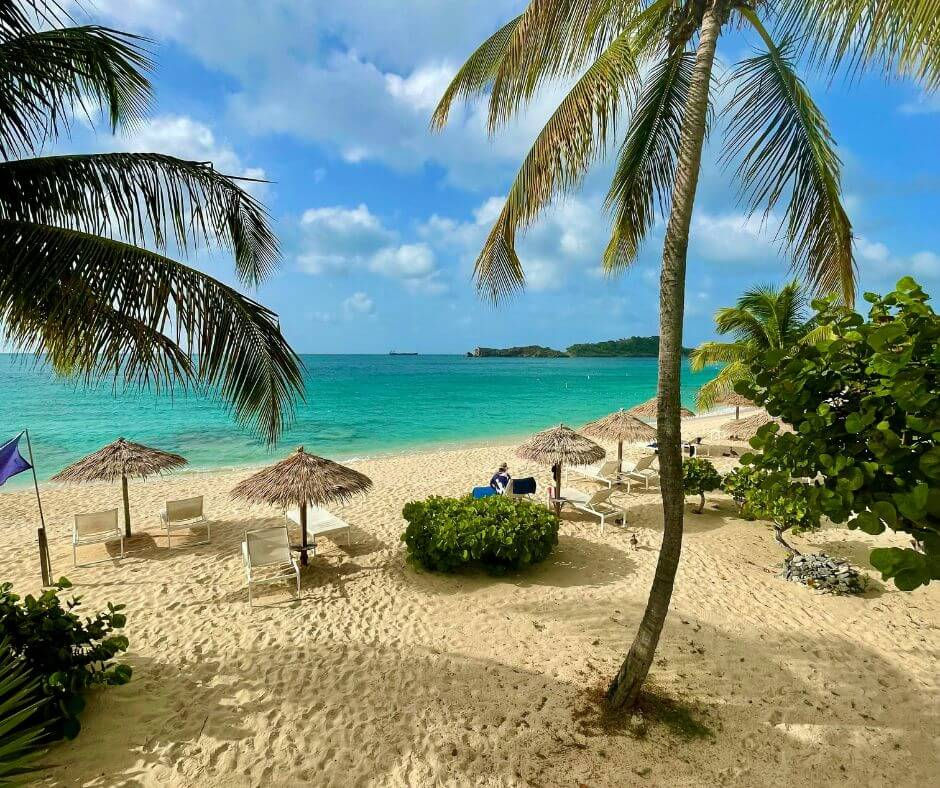


Filipino connection to nature is a good way for spending times to people.
A culture in nature is a great cultural insight.