
Why the Philippines Was Named the World's Best Retirement Destination in 2026

Explore its Retirement lifestyle

In 2026, the Philippines was recognized as the World's Best Retirement Destination, reinforcing its growing reputation as one of the most attractive places to retire abroad. With its affordable cost of living, year-round tropical climate, welcoming communities, and beautiful natural landscapes, the country offers a lifestyle that appeals to retirees from around the world.
As more people consider retiring overseas, many are looking beyond financial savings. They want a place where they can enjoy a relaxed pace of life, stay active, experience a rich culture, and feel at home. The Philippines combines these qualities with the convenience of an English-speaking population and a wide variety of destinations, from vibrant cities and cool mountain towns to peaceful coastal communities and tropical islands.
In this guide, you'll discover why the Philippines earned this international recognition, explore its retirement lifestyle advantages, compare some of the country's most popular retirement destinations, and learn practical tips to help you decide whether the Philippines could be the perfect place to begin your next chapter.
Table of Contents - Philippines Best Retirement Destination
Why the Philippines Was Ranked No. 1
In 2026, the Philippines was recognized as the World's Best Retirement Destination after ranking first in the Retirement Abroad Index 2026, published by Expatriate Group, a UK-based international health insurance provider. The Philippines placed ahead of 19 other retirement destinations, including Thailand, Colombia, France, and Spain.
Quick Highlights
World's Best Retirement Destination in 2026
Affordable cost of living
Relaxed tropical lifestyle
English widely spoken
Friendly and welcoming communities
The Retirement Abroad Index evaluated destinations based on several factors important to retirees, including:
Healthcare quality
Visa accessibility
Health insurance requirements
Cost of living
Expat community and ease of integration
The Philippines performed well across these categories, particularly for its affordability, accessible retirement visa program, English-speaking population, and welcoming communities. Together, these strengths helped position the country as an attractive option for people considering retirement abroad.
While no ranking should be the only factor in such an important life decision, this international recognition reflects many of the qualities retirees value most—a comfortable lifestyle, reasonable living costs, beautiful surroundings, and the opportunity to become part of a friendly and welcoming community. For those exploring retirement overseas, the Philippines continues to stand out as a destination that offers both practical advantages and an exceptional quality of life.

What Makes the Philippines Different?
Many countries offer affordable retirement, beautiful scenery, or warm weather. What makes the Philippines stand out is the way these qualities come together with a culture that genuinely values people and relationships. Beyond the practical benefits, many retirees choose the Philippines because it offers a lifestyle that feels welcoming, relaxed, and connected to the local community.
Warm Filipino Hospitality
One of the country's greatest strengths is its people. Filipinos are known worldwide for their friendliness, generosity, and willingness to help others. Whether you're meeting neighbors, shopping at a local market, or enjoying a meal at a family-owned restaurant, you'll often be welcomed with genuine warmth that makes settling into a new community easier.
A Family-Oriented Culture
Family plays a central role in Filipino life. This strong sense of community extends beyond relatives and creates neighborhoods where friendships develop naturally. Many retirees appreciate living in places where people know one another, celebrate together, and look out for their neighbors.
Relaxed Pace of Life
Compared to many large cities around the world, life in much of the Philippines moves at a slower, more comfortable pace. Whether you're living in a coastal town, a mountain community, or a smaller city, retirement often means spending more time enjoying nature, hobbies, and meaningful relationships rather than rushing through daily routines.
Tropical Climate
The Philippines enjoys a warm tropical climate throughout the year, making it ideal for those who enjoy outdoor living. Many retirees spend their days walking along the beach, gardening, golfing, exploring nearby islands, or simply relaxing outdoors without experiencing harsh winters.
Extraordinary Natural Beauty
With more than 7,600 islands, the Philippines offers remarkable diversity. Retirees can choose between beachfront communities, cool mountain towns, peaceful countryside settings, or modern cities surrounded by nature. From white-sand beaches and coral reefs to waterfalls, forests, and volcanic landscapes, there is always something new to discover.
English Is Widely Spoken
One of the biggest advantages for international retirees is that English is widely spoken throughout the country. Communication is generally easy in hospitals, restaurants, shopping centers, government offices, and tourist destinations, helping newcomers settle in with greater confidence and independence.
More Than an Affordable Place to Retire
While affordability is an important advantage, many retirees discover that the Philippines offers something even more valuable—a genuine sense of belonging. The combination of welcoming communities, beautiful surroundings, a relaxed lifestyle, and rich cultural traditions creates an environment where retirement is not simply about living comfortably, but about enjoying each day with purpose, connection, and a renewed appreciation for life's simple pleasures.
Affordable Cost of Living
One of the biggest reasons retirees choose the Philippines is its affordable cost of living. While expenses vary depending on your location and lifestyle, many retirees find they can enjoy a comfortable and active retirement for significantly less than in many Western countries. From housing and dining to transportation and recreation, the Philippines offers excellent value without sacrificing quality of life.
1. Housing
Housing is often the largest monthly expense, but retirees have a wide range of options to suit different budgets. Choices include modern condominiums in major cities, beachfront homes, mountain retreats, and apartments in smaller communities. Living outside the largest metropolitan areas can often provide even greater value.
2. Dining
Dining out is both affordable and enjoyable. Local restaurants, cafés, and markets offer fresh ingredients and traditional Filipino dishes at reasonable prices, while international cuisine is widely available in larger cities. Many retirees enjoy a balance of home-cooked meals and dining out several times a week.
3. Utilities
Monthly utility costs generally include electricity, water, internet, and mobile phone service. Expenses vary depending on household size, air-conditioning use, and location, but many retirees find everyday living costs to be manageable with proper budgeting.
4. Transportation
Getting around the Philippines can be affordable thanks to a variety of transportation options. Ride-hailing services, taxis, buses, jeepneys, ferries, and domestic flights make it easy to travel within cities and between islands. Many retirees also choose walkable communities where daily errands require little transportation.
5. Recreation
Retirement is about enjoying life, and the Philippines offers countless affordable ways to stay active. Spend time at the beach, explore nature parks, play golf, join community events, visit museums, enjoy local festivals, or take weekend trips to nearby islands. Many recreational activities are inexpensive or free, making it easy to maintain an active lifestyle.
Sample Monthly Budget (Single Retiree)
Expense | Estimated Monthly Budget (USD) |
Housing | $400–1,000 |
Utilities & Internet | $100–250 |
Food & Dining | $300–600 |
Transportation | $75–200 |
Recreation & Entertainment | $150–400 |
Healthcare & Insurance* | Varies by individual needs |
Estimated Total | Approximately $1,025–2,450+ |
*Healthcare and insurance costs vary depending on personal circumstances, age, medical needs, and insurance coverage.
Budget Wisely for Your Lifestyle
Every retiree's financial situation is different. Your monthly expenses will depend on where you choose to live, your preferred lifestyle, and how often you travel or dine out. Creating a realistic retirement budget before relocating will help you enjoy the many lifestyle benefits the Philippines offers while maintaining long-term financial confidence.
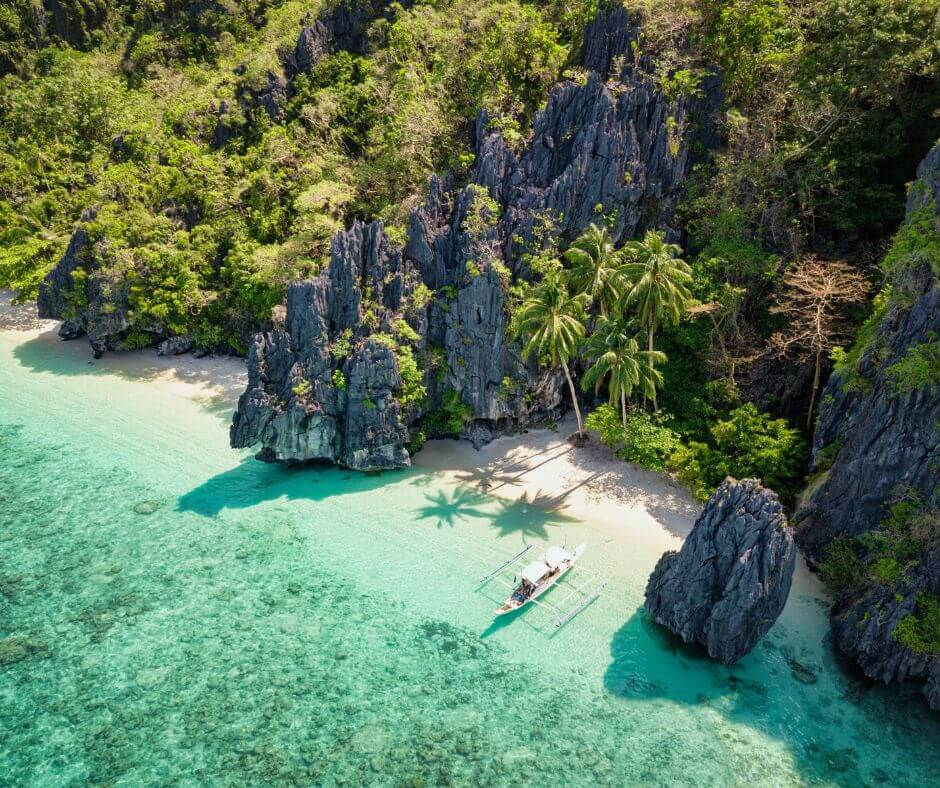
Beautiful Places to Retire
One of the greatest advantages of retiring in the Philippines is the variety of places you can call home. Some retirees prefer cool mountain climates, while others dream of waking up to ocean views or living in a modern city with easy access to healthcare and shopping. The destinations below are among the country's most popular retirement choices, each offering its own unique lifestyle and advantages.
1. Baguio
Lifestyle: Relaxed, walkable, and community-oriented
Climate: Cool year-round compared to much of the Philippines
Advantages:
Pleasant mountain weather
Beautiful pine forests and parks
Cafés, markets, and cultural attractions
Popular with retirees seeking relief from tropical heat
2. Dumaguete
Best for: Affordable coastal retirement
Lifestyle: Friendly, laid-back university city
Climate: Warm tropical weather with refreshing sea breezes
Advantages:
Welcoming expatriate community
Lower cost of living than many larger cities
Access to quality healthcare
Easy access to nearby islands and diving destinations
3. Cebu
Best for: Retirees seeking modern conveniences
Lifestyle: Vibrant city life with nearby beaches and islands
Climate: Tropical throughout the year
Advantages:
International airport
Modern hospitals and shopping centers
Excellent restaurants and entertainment
Easy domestic and international travel
4. Bohol
Best for: Peaceful Island living
Lifestyle: Relaxed, nature-focused, and family-friendly
Climate: Warm tropical climate
Advantages:
Beautiful beaches and countryside
Slower pace of life
Friendly local communities
Easy access to nature and outdoor activities
5. Davao
Lifestyle: Modern yet relaxed
Climate: Tropical with relatively consistent weather year-round
Advantages:
Well-developed infrastructure
Reputable healthcare facilities
Clean, organized city environment
Mountains, parks, and beaches within easy reach
6. Tagaytay
Best for: Scenic highland living near Metro Manila
Lifestyle: Quiet, comfortable, and convenient
Climate: Mild temperatures throughout the year
Advantages:
Cooler climate
Panoramic views of Taal Volcano and Taal Lake
Close to Manila and international airports
Popular restaurants, cafés, and residential communities
7. Subic
Best for: Active retirees seeking convenience
Lifestyle: Relaxed coastal city with modern amenities
Climate: Tropical
Advantages:
Well-planned road network
Modern shopping and healthcare
Beaches, marinas, and golf courses
Established international community
8. Palawan
Lifestyle: Peaceful island living surrounded by natural beauty
Climate: Tropical with a distinct dry and rainy season
Advantages:
Spectacular beaches and limestone islands
Crystal-clear waters and rich marine life
Relaxed atmosphere
Excellent opportunities for outdoor recreation
Choosing the Right Retirement Destination
There is no single "best" place to retire in the Philippines. The right destination depends on your priorities, lifestyle, budget, and healthcare needs. Some retirees prefer the convenience of cities like Cebu or Davao, while others are drawn to the cooler climate of Baguio or Tagaytay, or the peaceful island lifestyle found in Bohol and Palawan.
Before making a long-term decision, consider spending several weeks or months exploring different regions. Experiencing daily life firsthand—shopping at local markets, visiting healthcare facilities, meeting residents, and exploring neighborhoods—will help you find the community that feels most like home. The Philippines offers remarkable diversity, giving every retiree the opportunity to find a destination that matches their vision of an enjoyable and fulfilling retirement.

Healthcare & Everyday Living
A comfortable retirement is about more than beautiful scenery—it's also about having access to reliable healthcare and the everyday services that make life convenient. The Philippines offers modern amenities in many cities and popular retirement destinations, allowing retirees to enjoy a relaxed lifestyle while meeting their daily needs with ease.
1. Healthcare and Hospitals
Major cities such as Manila, Cebu, Davao, and Dumaguete are home to modern hospitals, specialist clinics, and medical centers offering a wide range of healthcare services. Many healthcare professionals speak English, making communication easier for international retirees.
Tip: Before choosing where to live, research the availability of nearby hospitals and specialists that match your healthcare needs.
2. Medical Care
Routine medical services, dental care, and wellness clinics are widely available throughout the country. While healthcare facilities vary by location, larger cities generally provide more comprehensive medical services than smaller towns or remote islands.
Tip: If you have ongoing medical conditions, consider retiring in a city with easy access to specialized healthcare.
3. Pharmacies
Pharmacies are easy to find in cities, shopping malls, and many municipalities. They stock a wide range of prescription medications, over-the-counter medicines, vitamins, and personal care products.
Tip: Bring copies of your prescriptions and discuss long-term medication availability with your healthcare provider before relocating.
4. Shopping and Everyday Essentials
Modern shopping malls, supermarkets, local markets, and convenience stores make daily living simple and convenient. Whether you're buying fresh produce, household goods, or imported products, you'll find plenty of shopping options in most retirement destinations.
Tip: Explore both supermarkets and local markets to enjoy fresh ingredients while supporting local businesses.
5. Banking and Financial Services
Local and international banks operate throughout the Philippines, with ATMs widely available in cities and tourist destinations. Digital banking and cashless payment options continue to expand, making everyday financial transactions increasingly convenient.
Tip: Notify your home bank before relocating and explore local banking options if you plan to stay long term.
6. Internet and Connectivity
Reliable internet service is available in most urban areas and continues to improve across the country. Mobile data networks are also widely accessible, helping retirees stay connected with family, manage finances, and enjoy online entertainment.
Tip: Compare internet providers before choosing a long-term residence, particularly if reliable connectivity is important for work or communication.
7. Transportation
The Philippines offers a variety of transportation options, including ride-hailing services, taxis, buses, jeepneys, ferries, and domestic flights. Many retirees choose communities where shopping, restaurants, and healthcare facilities are within a short drive or walking distance.
Tip: Consider how easily you can access healthcare, shopping, and other essential services when selecting your retirement location.
Everyday Comfort Matters
The quality of everyday life often has the greatest impact on a successful retirement. By choosing a community with dependable healthcare, convenient services, reliable transportation, and modern amenities, retirees can enjoy not only the beauty of the Philippines but also the comfort and peace of mind that make long-term living truly rewarding.

Retirement Visa Options
For many international retirees, one of the advantages of choosing the Philippines is the availability of long-term retirement residency options. The country's retirement visa program is administered by the Philippine Retirement Authority (PRA) and is designed to make it easier for qualified foreign nationals to live in the Philippines for the long term. Because visa policies may change over time, it's important to review the latest requirements before making relocation plans.
1. Retirement Visa Program
The best-known option is the Special Resident Retiree's Visa (SRRV), a special non-immigrant visa issued through the Philippine Retirement Authority in coordination with the Bureau of Immigration. The SRRV provides qualified retirees with long-term residency and multiple-entry privileges, allowing them to come and go from the Philippines without repeatedly applying for new visas.
2. Basic Eligibility
Eligibility depends on factors such as age, financial qualifications, and the specific SRRV category being applied for. Applicants are generally required to submit documents such as a valid passport, medical clearance, police clearance, and proof that they meet the financial requirements for their chosen visa category. Exact requirements vary and may change over time.
3. Benefits of the SRRV
For eligible retirees, the SRRV offers several advantages, including:
Long-term residency in the Philippines
Multiple-entry travel privileges
Access to certain government services and assistance
The opportunity to enjoy retirement without frequent visa renewals
A legal pathway for long-term living in the country
The program is designed to give retirees greater flexibility while enjoying life in the Philippines. Specific benefits depend on the visa category and current government regulations.
4. Stay Informed
Immigration policies, eligibility requirements, fees, and application procedures can change. Before beginning the application process, always verify the latest information through official government sources.
Important Note
The most accurate and up-to-date information is available from the Philippine Retirement Authority (PRA) official website, where you can review current eligibility requirements, download application forms, and access official guidance for the Special Resident Retiree's Visa (SRRV). Reviewing the latest requirements before making retirement plans will help ensure a smoother application process.
How Much Money Do You Need?
One of the most common questions prospective retirees ask is, "How much money do I need to retire in the Philippines?" The answer depends on your lifestyle, where you choose to live, and your personal spending habits. While some retirees prefer a simple lifestyle in smaller communities, others may choose modern city living or beachfront residences with additional comforts.
The Philippines offers flexibility, allowing retirees to enjoy a fulfilling lifestyle across a range of budgets. The examples below provide a general comparison to help you estimate your monthly living expenses.
1. Budget Lifestyle
A budget-friendly retirement is possible in many provincial cities and smaller towns. This lifestyle typically includes modest accommodation, home-cooked meals with occasional dining out, public transportation, and low-cost recreational activities.
Ideal for: Retirees who value simplicity and affordable living.
2. Comfortable Lifestyle
Many retirees choose a balanced lifestyle that combines comfortable housing, regular dining out, private transportation when needed, and frequent leisure activities. This option provides a higher level of convenience while remaining relatively affordable compared to many Western countries.
Ideal for: Couples or individuals seeking comfort without excessive luxury.
3. Luxury Lifestyle
Retirees seeking premium accommodations, private healthcare, upscale dining, frequent travel, and resort-style living can also find excellent value in the Philippines. While monthly expenses are higher, they are often still competitive compared to retirement costs in many other countries.
Ideal for: Retirees looking for a high-end lifestyle with modern conveniences.
Sample Monthly Lifestyle Comparison
Lifestyle | Estimated Monthly Budget (USD) | Typical Lifestyle |
Budget | $1,000–1,500 | Modest housing, local dining, public transportation, simple recreation |
Comfortable | $1,500–2,500 | Comfortable home, regular dining out, private transportation, leisure activities |
Luxury | $2,500+ | Premium housing, upscale dining, frequent travel, private healthcare, resort-style living |
These figures are general estimates for planning purposes. Actual living costs vary depending on location, lifestyle, exchange rates, and personal spending habits.
Plan for the Lifestyle You Want
Retirement is about more than managing expenses—it's about creating the lifestyle you've worked toward. Before relocating, prepare a realistic budget that includes housing, healthcare, transportation, insurance, recreation, and an emergency fund. By matching your financial plan to your retirement goals, you can enjoy everything the Philippines has to offer with greater confidence and peace of mind.

Pros and Considerations
Retiring in the Philippines offers many lifestyle advantages, but like any international relocation, it's important to understand both the benefits and the practical considerations. Taking time to evaluate your priorities will help you choose a location that matches your needs and expectations.
Advantages
Friendly and Welcoming People
Filipinos are widely known for their warmth, hospitality, and strong sense of community. Many retirees find it easy to build friendships, participate in local events, and feel at home in their new surroundings.
Affordable Cost of Living
Compared with many Western countries, the Philippines offers excellent value for housing, dining, transportation, and leisure activities. This affordability allows many retirees to enjoy a comfortable lifestyle while making the most of their retirement savings.
Beautiful Natural Surroundings
From white-sand beaches and tropical islands to mountain retreats and peaceful countryside communities, the Philippines offers an extraordinary variety of places to live. Many retirees appreciate having nature just minutes from their doorstep.
English Is Widely Spoken
English is one of the country's official languages and is commonly used in business, healthcare, education, and tourism. This makes daily life, shopping, banking, and medical appointments much easier for many international retirees.
Warm Tropical Climate
The Philippines enjoys warm temperatures throughout the year, making it ideal for outdoor activities such as walking, golfing, gardening, beach visits, and island exploration without harsh winters.
Things to Consider
Typhoon Season
Some regions experience tropical storms during the rainy season. Before choosing a retirement destination, learn about local weather patterns and disaster preparedness in the area you're considering.
Healthcare Outside Major Cities
Excellent hospitals and specialist medical services are generally concentrated in larger cities. If ongoing medical care is important, consider living within easy reach of a well-equipped healthcare facility.
Traffic in Urban Areas
Major metropolitan areas can experience heavy traffic, particularly during peak hours. Living close to healthcare, shopping, and everyday services can help reduce travel time and improve your quality of life.
Tropical Humidity
While many retirees enjoy the warm climate, humidity can take some time to adjust to, especially for those moving from cooler regions. Choosing higher-elevation destinations such as Baguio or Tagaytay may provide a cooler environment.
Choosing the Right Community
Every retirement destination offers a different lifestyle. Some communities are vibrant and urban, while others provide a quieter, slower pace of life. Spending time in several locations before making a permanent move can help you find the community that best suits your lifestyle, healthcare needs, and long-term goals.
A Well-Informed Decision
No retirement destination is perfect for everyone, and the Philippines is no exception. By understanding both its strengths and its challenges, you'll be better prepared to choose a location that fits your lifestyle and expectations. With thoughtful planning and realistic expectations, many retirees discover that the Philippines offers not only an affordable place to live, but also an enriching place to call home.
Takeaway — A Retirement Filled with Adventure
The Philippines' recognition as the World's Best Retirement Destination in 2026 highlights what many retirees have already discovered—a country that offers an appealing combination of affordability, beautiful landscapes, welcoming communities, and a relaxed way of life. Whether you're drawn to a peaceful mountain town, a vibrant city, or a tropical island, there are retirement destinations to suit a wide range of lifestyles and budgets.
Choosing where to retire is an important decision, and no single destination is perfect for everyone. Before making a long-term commitment, consider spending time in different regions to experience daily life, explore local communities, and determine which environment best matches your personal preferences and healthcare needs.
Retirement is more than finding a place to live—it's about discovering a place where you can enjoy each day with comfort, purpose, and new experiences.
If you're considering retiring in the Philippines, continue exploring the KGM
Resorts Blog for destination guides, relocation resources, travel planning articles, and cultural insights. We're here to help you discover whether the Philippines could be the perfect place to begin your next chapter.

Frequently Asked Questions
Can foreigners retire in the Philippines?
Yes. Many foreign nationals choose to retire in the Philippines each year. The country offers long-term retirement residency options, affordable living, English-speaking communities, and a welcoming culture. Before relocating, review the latest visa requirements through the official Philippine Retirement Authority (PRA).
Is the Philippines affordable for retirees?
For many retirees, yes. Housing, dining, transportation, and recreation are often more affordable than in many Western countries. However, your monthly expenses will depend on where you live, your lifestyle, and your healthcare needs.
Is healthcare good in the Philippines?
Major cities such as Manila, Cebu, and Davao have modern hospitals, specialist clinics, and experienced healthcare professionals. Medical facilities in smaller towns and remote islands may be more limited, so many retirees choose to live within easy reach of larger medical centers.
Where do most retirees live in the Philippines?
Popular retirement destinations include Baguio, Dumaguete, Cebu, Bohol, Davao, Tagaytay, Subic, and Palawan. Each offers a different lifestyle, from cool mountain communities and modern cities to peaceful beach towns and tropical islands.
Can I own property in the Philippines?
Foreigners generally cannot own land in the Philippines, but they may own condominium units that meet legal ownership requirements. Long-term land leases and other property arrangements may also be available. Because property laws can be complex, it's advisable to seek professional legal advice before making a purchase.
Is English widely spoken?
Yes. English is one of the Philippines' official languages and is widely used in business, healthcare, education, tourism, and government services. This makes everyday communication easier for many international retirees.
What visa do I need to retire in the Philippines?
Many retirees apply for the Special Resident Retiree's Visa (SRRV) administered by the Philippine Retirement Authority. Eligibility requirements, fees, and benefits vary depending on the visa category, so always refer to the official PRA website for the most current information.
Is the Philippines safe for retirees?
Many retirees enjoy a safe and comfortable lifestyle in the Philippines, particularly in established residential and tourist areas. As with relocating to any country, it's important to choose your community carefully, stay informed about local conditions, and follow common safety precautions to enjoy a secure and rewarding retirement.

Festivals Philippines: An Adult Coloring Book
Celebrates the vibrant spirit of the Philippines through detailed illustrations inspired by colorful festivals, traditional costumes, cultural masks, folk dancers, lanterns, and tribal patterns. This coloring book offers a relaxing and creative journey into the rich culture, traditions, and festive energy of the Philippine islands.



Retirement destinations is the best place to live with it.
One of the biggest reasons retirees choose the Philippines is its affordable cost of living. While expenses vary depending on your location and lifestyle, many retirees find they can enjoy a comfortable and active retirement for significantly less than in many Western countries. From housing and dining to transportation and recreation, the Philippines offers excellent value without sacrificing quality of life.