
Philippine Medicinal Plants: A Complete Guide to Traditional Herbal Healing in the Philippines

Nature's Healing Heritage in the Philippines

The Philippines is celebrated as one of the world's 18 megadiverse countries, home to an extraordinary variety of ecosystems that support thousands of native and naturalized plant species. From lush tropical rainforests and mountain ranges to fertile lowlands and coastal landscapes, the archipelago's remarkable biodiversity has provided generations of Filipinos with food, shelter, and natural remedies. Among these treasures are countless Philippine medicinal plants, many of which have been valued for centuries for their role in promoting health and well-being.
Long before modern hospitals and pharmaceuticals became widely available, communities across the islands turned to nature for healing. Traditional healers and families passed down knowledge of medicinal herbs through generations, using leaves, roots, bark, flowers, and fruits to help relieve common ailments and support everyday wellness. This rich tradition became an important part of traditional Filipino medicine, reflecting a deep understanding of the natural environment and a lasting respect for its healing potential.
Today, interest in herbal medicine in the Philippines continues to grow. While scientific research has expanded our understanding of many medicinal plants and modern healthcare remains essential for diagnosing and treating illness, herbal remedies are still widely appreciated as complementary forms of wellness. By exploring the history, cultural significance, and recognized uses of Philippine medicinal plants, we gain a deeper appreciation for the country's rich botanical heritage and the enduring connection between nature, culture, and health.
Table of Contents - Philippine Medicinal Plants
The History of Herbal Medicine in the Philippines
Healing Before Written History
The story of Filipino herbal medicine began long before written records or modern healthcare. Early communities across the Philippine archipelago relied on forests, mountains, rivers, and fertile lands not only for food and shelter but also for healing. Through generations of observation and experience, Indigenous Peoples discovered which leaves, roots, bark, flowers, and fruits could help support health. This practical knowledge became an essential part of everyday life and was passed down from one generation to the next.
The Babaylan: Keepers of Traditional Healing
Among the earliest guardians of traditional Filipino healing were the Babaylan of the Visayas, along with Indigenous healers known by different names throughout the Philippines. They served as healers, spiritual leaders, and keepers of botanical knowledge.
These respected healers identified medicinal plants, prepared herbal remedies, and cared for common illnesses while maintaining a deep respect for nature and the close relationship between people and the environment.
Spanish Influence and Cultural Exchange
The arrival of the Spanish in the 16th century introduced new medicinal plants and European herbal traditions. Rather than replacing Indigenous practices, these influences blended over time. Plants brought through colonial trade, including the Manila Galleon Trade, were cultivated alongside native species, creating a richer tradition of Filipino herbal medicine.
A Tradition Passed Down Through Generations
Despite advances in modern medicine, herbal knowledge remained an important part of Filipino family life. Parents, grandparents, and community elders continued teaching younger generations how to identify medicinal plants, prepare traditional remedies, and use them responsibly.
In many rural and Indigenous communities, this knowledge is still preserved through oral tradition and home gardens filled with familiar medicinal plants.
Herbal Medicine in the Philippines Today
Today, herbal medicine continues to attract growing interest as more people explore natural approaches to wellness alongside modern healthcare. Scientific research has expanded our understanding of many traditional remedies, and the Philippine Department of Health (DOH) recognizes several medicinal plants that have been studied for their safety and traditional uses.
While herbal remedies should complement—not replace—professional medical care, they remain an enduring symbol of the Philippines' rich cultural heritage and its lasting connection to nature.

Why Medicinal Plants Still Matter Today
A Growing Interest in Natural Wellness
Modern medicine has transformed healthcare, yet interest in natural remedies continues to grow around the world. More people are embracing herbal medicine, preventive care, and holistic wellness as part of a balanced approach to maintaining good health. In the Philippines, this renewed appreciation reflects both centuries of traditional knowledge and the country's extraordinary botanical diversity.
Several factors have contributed to the growing popularity of medicinal plants:
A greater focus on natural wellness and preventive healthcare
Ongoing scientific research into traditional herbal remedies
A desire to preserve Filipino cultural heritage
Easy access to many medicinal plants in local communities
Increased awareness of sustainable, plant-based lifestyles
Science Meets Tradition
Scientific research has helped bring traditional herbal practices into the modern conversation. Universities, healthcare institutions, and government agencies continue to study Philippine medicinal plants, exploring their active compounds, traditional applications, and potential health benefits.
Although research is still ongoing and not every traditional remedy has been fully validated, these studies have strengthened interest in many long-established herbal practices while encouraging further evidence-based research.
A Living Part of Everyday Filipino Life
Medicinal plants remain an important part of daily life for many Filipino families. In both rural and urban communities, familiar herbs such as lagundi, sambong, bayabas, ampalaya, and yerba buena are often grown in home gardens, purchased at local markets, or cultivated in community gardens.
Beyond their practical uses, these plants represent a living cultural tradition. Parents and grandparents continue to share knowledge about identifying, preparing, and responsibly using herbal remedies, ensuring that generations of experience are preserved for the future.
A Bridge Between Nature and Modern Medicine
Today, medicinal plants are best viewed as a complement to—not a replacement for—modern healthcare. Healthcare professionals emphasize the importance of proper diagnosis, evidence-based treatment, and responsible use of herbal remedies, particularly for serious illnesses and chronic conditions.
By combining scientific understanding with centuries of traditional wisdom, the Philippines continues to celebrate a healing heritage that honors both nature and modern medicine. Among the thousands of plant species found across the archipelago, a select group has earned national recognition for its long history of traditional use and continued scientific study.
The 10 DOH-Recognized Philippine Medicinal Plants
The Philippine Department of Health (DOH) recognizes 10 medicinal plants for their long history of traditional use and their potential health benefits supported by scientific research. These herbal remedies are intended to complement modern healthcare, preserving the Philippines' rich healing traditions while encouraging their safe and responsible use.
1. Lagundi (Vitex negundo)
Description
Lagundi (Vitex negundo) is one of the Philippines' best-known medicinal plants and has been used in traditional Filipino medicine for generations. This fast-growing shrub or small tree is easily recognized by its distinctive five-part leaves, aromatic foliage, and clusters of bluish-purple flowers. It grows abundantly throughout the country, thriving in open fields, roadsides, gardens, and rural communities, making it one of the most accessible medicinal plants for Filipino families.
Traditional Uses
For centuries, lagundi has been traditionally used to help relieve common respiratory ailments, including:
Coughs
Colds
Mild asthma symptoms
Sore throats
Fever
The leaves are commonly prepared as a herbal tea or decoction, while some communities also use them for steam inhalation as part of traditional home remedies.
Modern Applications
It is available in regulated herbal products, including syrups, tablets, and capsules, that are commonly used to help relieve coughs and other mild respiratory symptoms. While scientific research has supported several of its traditional uses, lagundi should be used responsibly as a complement to—not a replacement for—professional medical care.
Quick Facts | |
Scientific Name | Vitex negundo |
Common Name | Lagundi |
Plant Type | Shrub / Small Tree |
Traditionally Used For | Coughs, colds, sore throats, mild asthma symptoms, fever |
DOH Recognized | Yes |
2. Sambong (Blumea balsamifera)
Description
Sambong (Blumea balsamifera) is a fragrant medicinal shrub that grows naturally throughout the Philippines, particularly in open grasslands, hillsides, and rural areas. Recognized by its soft, velvety leaves and distinctive aromatic scent, sambong has been an important part of traditional Filipino herbal medicine for generations. Its leaves are the most commonly used part of the plant and have long been valued for their therapeutic properties.
Traditional Uses
For centuries, sambong leaves have been brewed into a herbal tea and traditionally used to support urinary health. It has commonly been used to help:
Promote healthy urine flow
Support kidney and urinary tract function
Help manage certain urinary stones under medical guidance
Relieve mild fluid retention
Because of its long history of traditional use, sambong remains one of the Philippines' most widely recognized medicinal herbs.
Modern Applications
Available in regulated herbal teas, tablets, and capsules and is commonly used as a complementary herbal remedy to support urinary health. While scientific studies have supported several of its traditional applications, sambong should be used responsibly and under the guidance of a qualified healthcare professional when appropriate.
Quick Facts | |
Scientific Name | Blumea balsamifera |
Common Name | Sambong |
Plant Type | Aromatic Shrub |
Traditionally Used For | Urinary health, healthy urine flow, kidney support, mild fluid retention |
DOH Recognized | Yes |

3. Tsaang Gubat (Ehretia microphylla)
Description
Tsaang Gubat (Ehretia microphylla), which translates to "forest tea," is a small evergreen shrub native to the Philippines and other parts of Southeast Asia. It is commonly found in lowland forests, coastal areas, and home gardens, where it is prized for its small, glossy leaves and hardy nature. For generations, Filipinos have brewed its leaves into a herbal tea, making it one of the country's most familiar traditional medicinal plants.
Traditional Uses
Tsaang Gubat has long been associated with supporting digestive wellness and is traditionally prepared as a warm herbal tea. It has commonly been used to help:
Relieve mild stomach discomfort
Support healthy digestion
Ease diarrhea
Reduce abdominal cramps
Promote overall digestive comfort
Because of its gentle nature and widespread availability, it has remained a popular household remedy for minor digestive concerns in many Filipino communities.
Modern Applications
It is available as herbal tea and other regulated herbal preparations that support digestive health. Although scientific research has explored several of its traditional applications, Tsaang Gubat should be used responsibly as a complement to—not a replacement for—professional medical care. Individuals experiencing persistent or severe digestive symptoms should consult a qualified healthcare provider.
Quick Facts | |
Scientific Name | Ehretia microphylla |
Common Name | Tsaang Gubat (Forest Tea) |
Plant Type | Evergreen Shrub |
Traditionally Used For | Digestive wellness, stomach discomfort, diarrhea, abdominal cramps |
DOH Recognized | Yes |
4. Akapulko (Senna alata)
Description
Akapulko (Senna alata), also known as the ringworm bush or candle bush, is a flowering shrub recognized for its large green leaves and striking yellow flower spikes that resemble upright candles. It grows widely across the Philippines in gardens, open fields, and tropical landscapes. For generations, Akapulko has been valued in traditional Filipino medicine for its role in promoting healthy skin.
Traditional Uses
Unlike many medicinal plants that are taken orally, Akapulko is primarily used as an external herbal remedy. Traditionally, its crushed leaves are applied directly to the skin to help:
Manage ringworm
Relieve fungal skin infections
Ease athlete's foot
Soothe mild itching and skin irritation
Because of its long history of topical use, Akapulko remains one of the Philippines' most recognized herbal remedies for common skin concerns.
Modern Applications
It is available in regulated creams, ointments, soaps, and other topical herbal preparations. While research has supported several of its traditional external applications, Akapulko should be used responsibly and is not intended to replace professional medical treatment for persistent or serious skin conditions.
Quick Facts | |
Scientific Name | Senna alata |
Common Name | Akapulko (Ringworm Bush) |
Plant Type | Flowering Shrub |
Traditionally Used For | Ringworm, fungal skin infections, athlete's foot, mild skin irritation |
DOH Recognized | Yes |
5. Yerba Buena (Clinopodium douglasii)
Description
Yerba Buena (Clinopodium douglasii) is a low-growing aromatic herb known for its refreshing mint-like fragrance and cooling sensation. Commonly found in home gardens and cultivated throughout the Philippines, it has long been one of the country's most popular medicinal plants. Its bright green leaves contain natural aromatic oils that have made it a trusted household remedy and a staple in traditional Filipino herbal medicine for generations.
Traditional Uses
Traditionally, Yerba Buena has been valued for its soothing and cooling properties. The fresh leaves are commonly prepared as a herbal tea or gently crushed and applied externally to help:
Ease headaches
Relieve toothaches
Soothe mild muscle and joint discomfort
Support digestive comfort
Because of its pleasant aroma and versatility, Yerba Buena has remained a favorite natural remedy in many Filipino homes.
Modern Applications
Available in regulated herbal products, teas, oils, and topical preparations used to support temporary relief from minor aches and discomfort. While scientific research has explored several of its traditional uses, Yerba Buena should be used responsibly as a complement to—not a replacement for—professional medical care.
Quick Facts | |
Scientific Name | Clinopodium douglasii |
Common Name | Yerba Buena |
Plant Type | Aromatic Herb |
Traditionally Used For | Headaches, toothaches, mild muscle discomfort, digestive comfort |
DOH Recognized | Yes |
6. Ampalaya (Momordica charantia)
Description
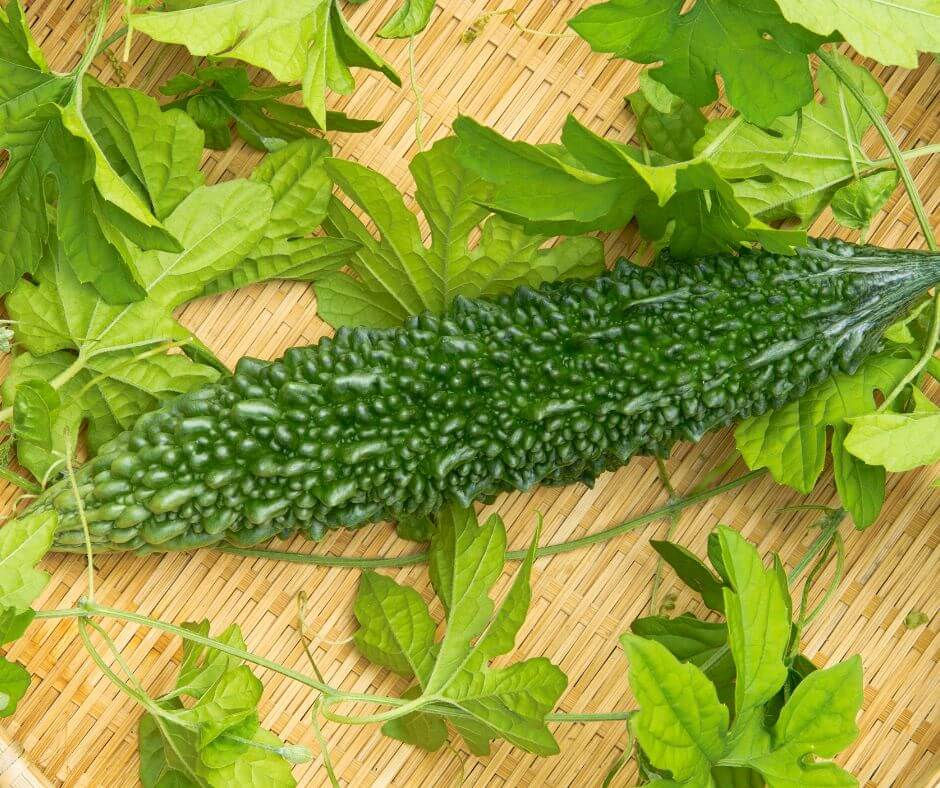
Ampalaya (Momordica charantia), commonly known as bitter melon or bitter gourd, is one of the Philippines' most recognizable vegetables and medicinal plants. Its climbing vine produces distinctive green, warty fruits with a characteristically bitter taste. Although its flavor can be an acquired taste, ampalaya has long been appreciated in Filipino households for both its nutritional value and its traditional role in supporting health. It is widely cultivated in home gardens and farms throughout the country and is a staple ingredient in many Filipino dishes.
Traditional Uses
For generations, ampalaya has been valued as both a nourishing food and a traditional herbal remedy. It has commonly been used to help:
Support healthy blood sugar levels
Promote healthy digestion
Provide essential vitamins and antioxidants
Contribute to overall wellness as part of a balanced diet
Its leaves, fruits, and young shoots have all been used in traditional Filipino cooking and herbal preparations.
Modern Applications
It is available as fresh produce, herbal teas, capsules, and other regulated preparations. Scientific research continues to explore its potential role in supporting blood sugar management, but people with diabetes or those taking glucose-lowering medications should consult a qualified healthcare professional before using ampalaya medicinally. It is best viewed as a complement to a healthy lifestyle and professional medical care rather than a substitute for prescribed treatment.
Quick Facts | |
Scientific Name | Momordica charantia |
Common Name | Ampalaya (Bitter Melon) |
Plant Type | Climbing Vine |
Traditionally Used For | Supporting healthy blood sugar levels, digestion, and overall wellness |
DOH Recognized | Yes |
7. Bawang (Allium sativum)
Description
Bawang (Allium sativum), or garlic, is one of the world's oldest cultivated medicinal plants and an essential ingredient in Filipino cuisine. Known for its distinctive aroma and flavor, garlic has been grown in the Philippines for centuries and is valued not only for enhancing food but also for its long history of use in traditional herbal medicine. Its underground bulb contains naturally occurring compounds that have made it a trusted household remedy across generations.
Traditional Uses
For centuries, bawang has been traditionally used to support overall wellness and cardiovascular health. It has commonly been used to help:
Support heart health
Help maintain healthy cholesterol levels
Promote healthy blood circulation
Support the body's natural defenses
Its widespread use in everyday cooking has also made it one of the easiest medicinal plants to incorporate into a balanced diet.
Modern Applications
It is available as fresh garlic, capsules, tablets, oils, and other regulated herbal preparations. Scientific research continues to investigate its potential cardiovascular benefits, but garlic should be used responsibly and may interact with certain medications, including blood thinners. It is intended to complement—not replace—professional medical care and a heart-healthy lifestyle.
Quick Facts | |
Scientific Name | Allium sativum |
Common Name | Bawang (Garlic) |
Plant Type | Bulbous Herb |
Traditionally Used For | Heart health, healthy cholesterol, circulation, overall wellness |
DOH Recognized | Yes |
8. Niyog-Niyogan (Quisqualis indica)
Description
Niyog-Niyogan (Quisqualis indica), also known as the Rangoon creeper, is a vigorous flowering vine admired for its fragrant blossoms that gradually change from white to pink and deep red. Widely grown throughout the Philippines as an ornamental plant, it has also earned a respected place in traditional Filipino herbal medicine. While its colorful flowers add beauty to gardens, it is the plant's seeds that have long been valued for their medicinal properties.
Traditional Uses
For generations, Niyog-Niyogan seeds have been traditionally used to support intestinal health. They have commonly been used to help:
Support intestinal wellness
Help manage certain intestinal worms under appropriate medical guidance
Promote digestive health as part of traditional herbal practices
Because proper preparation and dosage are important, traditional use has often been guided by experienced healers or healthcare professionals.
Modern Applications
Modern research has explored its traditional role in supporting intestinal health, and regulated herbal preparations are available in some settings. As with all medicinal plants, Niyog-Niyogan should be used responsibly and under the guidance of a qualified healthcare professional. It is intended to complement—not replace—professional medical diagnosis and treatment.
Quick Facts | |
Scientific Name | Quisqualis indica |
Common Name | Niyog-Niyogan (Rangoon Creeper) |
Plant Type | Flowering Climbing Vine |
Traditionally Used For | Supporting intestinal health and helping manage certain intestinal worms |
DOH Recognized | Yes |

9. Bayabas (Psidium guajava)
Description
Bayabas (Psidium guajava), or guava, is one of the Philippines' most familiar fruit trees, valued for both its nutritious fruit and its medicinal leaves. Widely grown in home gardens and farms across the country, the tree is easily recognized by its smooth bark, oval leaves, and sweet, aromatic fruit. For generations, Filipinos have appreciated bayabas not only as a delicious tropical fruit but also as an important part of traditional herbal medicine.
Traditional Uses
While the fruit is rich in vitamins and antioxidants, it is the leaves that are most commonly used for medicinal purposes. Traditionally, bayabas leaves have been prepared as a decoction to help:
Clean minor cuts and wounds
Support proper wound hygiene
Maintain oral health through mouth rinses or gargles
Promote healthy skin as part of traditional care
Because of these practical uses, bayabas has remained a trusted household remedy in many Filipino communities.
Modern Applications
Guava leaf preparations continue to be used as complementary herbal remedies for wound cleansing and oral care, while research has explored their natural antimicrobial properties. Bayabas should be used responsibly and is intended to complement—not replace—professional medical treatment for serious wounds, infections, or dental conditions.
Quick Facts | |
Scientific Name | Psidium guajava |
Common Name | Bayabas (Guava) |
Plant Type | Fruit Tree |
Traditionally Used For | Wound cleansing, oral care, healthy skin |
DOH Recognized | Yes |
10. Ulasimang Bato (Peperomia pellucida)
Description
Ulasimang Bato (Peperomia pellucida), also known as Pansit-Pansitan, is a small, succulent herb commonly found growing in shaded, damp areas throughout the Philippines. Its smooth, heart-shaped leaves and delicate green stems make it easy to recognize, especially during the rainy season. Although often considered a wild herb, it has been used for generations in traditional Filipino medicine and is valued for its role in supporting joint health and overall wellness.
Traditional Uses
Traditionally, Ulasimang Bato has been used to help promote joint comfort and mobility. It has commonly been used to:
Support joint comfort
Help manage symptoms associated with gout
Promote healthy movement and flexibility
Support overall wellness as part of traditional herbal practices
The leaves are typically eaten fresh, added to salads, or prepared as a herbal decoction.
Modern Applications
Researchers continue to study its traditional uses and naturally occurring compounds to better understand its potential role in supporting joint health. While it remains a valued herbal remedy, Ulasimang Bato should be used responsibly and as a complement to—not a replacement for—professional medical advice and treatment.
Quick Facts | |
Scientific Name | Peperomia pellucida |
Common Name | Ulasimang Bato (Pansit-Pansitan) |
Plant Type | Succulent Herb |
Traditionally Used For | Joint comfort, supporting people with gout, healthy mobility |
DOH Recognized | Yes |
Other Popular Medicinal Plants in the Philippines
Beyond the 10 medicinal plants recognized by the Department of Health (DOH), the Philippines is home to many other herbs and plants that have long been valued in traditional Filipino households. Many of these are commonly grown in home gardens, found in local markets, or used as everyday ingredients in Filipino cooking. Their dual role as both food and traditional remedies reflects the close relationship between nutrition, wellness, and the country's rich botanical heritage.
Some of the most popular medicinal plants include:
Malunggay (Moringa oleifera) – Often called the "miracle tree," malunggay is prized for its highly nutritious leaves, which are rich in vitamins, minerals, and antioxidants. It is commonly added to soups, stews, and vegetable dishes and has traditionally been used to support overall health and nutrition.
Luya (Ginger) (Zingiber officinale) – A staple in Filipino kitchens, ginger is valued for both its distinctive flavor and its traditional use in soothing sore throats, easing digestive discomfort, and providing warmth during cold weather. It is frequently prepared as a herbal tea or added to dishes such as tinola.
Luyang Dilaw (Turmeric) (Curcuma longa) – Known for its vibrant golden color, turmeric has long been used as both a culinary spice and a traditional herbal remedy. It is appreciated for its natural antioxidant properties and is commonly used in soups, rice dishes, and wellness beverages.
Tanglad (Lemongrass) (Cymbopogon citratus) – With its fresh citrus aroma, lemongrass is widely used in Filipino cooking and herbal teas. Traditionally, it has been enjoyed as a soothing beverage that supports relaxation and digestive comfort.
Oregano (Plectranthus amboinicus) – Easily grown in home gardens, oregano has been a trusted household herb for generations. Its leaves are traditionally prepared as a herbal tea or juice to help support respiratory comfort and overall wellness.
Banaba (Lagerstroemia speciosa) – Best known for its attractive purple flowers, banaba has long been used in traditional herbal preparations. Its leaves are commonly brewed into tea and continue to be studied for their potential role in supporting healthy blood sugar levels.
Makabuhay (Tinospora crispa) – Meaning "to give life," makabuhay is a climbing vine that has been valued in traditional Filipino medicine for generations. It has historically been used as a general wellness tonic and remains an important part of many Indigenous healing traditions.
Pandan (Pandanus amaryllifolius) – Although best known for its sweet fragrance and culinary use in Filipino desserts and rice dishes, pandan has also been traditionally brewed into herbal tea and appreciated for its calming aroma and role in promoting relaxation.
These plants highlight the remarkable diversity of the Philippines' natural resources and the enduring wisdom of traditional Filipino herbal practices. While many continue to be studied for their potential health benefits, they should be used responsibly and viewed as complementary to professional medical care.

Indigenous Knowledge and the Preservation of Herbal Traditions
Nature as the First Teacher
Long before written records or modern medicine, Indigenous Peoples throughout the Philippines developed a remarkable understanding of the natural world. Through centuries of observation and experience, communities such as the Ifugao, Aeta, Mangyan, Manobo, T'boli, Kalinga, and many others learned how local plants could be used to support health and well-being. This deep connection between people and nature forms the foundation of indigenous healing in the Philippines, where the environment has long been regarded as both a provider and a teacher.
Wisdom Passed Through Generations
Unlike formal medical textbooks, much of this knowledge has traditionally been preserved through oral tradition. Elders, traditional healers, and family members passed down practical skills such as identifying medicinal plants, recognizing the right season for harvesting, and preparing herbal remedies safely. These lessons were often shared through everyday life, storytelling, and hands-on experience, ensuring that valuable knowledge continued from one generation to the next.
Respecting Nature Through Sustainable Harvesting
Traditional Filipino healing is rooted in respect for the environment. Indigenous communities have long understood that medicinal plants should be harvested responsibly to protect natural ecosystems and ensure that future generations can continue to benefit from them. Rather than taking more than necessary, many communities practice sustainable harvesting by collecting only mature plants, avoiding overharvesting, and allowing habitats to regenerate naturally.
Preserving this botanical knowledge is just as important as conserving the forests and landscapes where these plants grow. As scientific research continues to explore the value of traditional remedies, Indigenous wisdom reminds us that caring for nature and respecting cultural heritage go hand in hand. By protecting both the plants and the knowledge surrounding them, the Philippines helps ensure that its rich healing traditions remain a living legacy for generations to come.
Safe and Responsible Use of Medicinal Plants
Respecting Traditional Wisdom and Modern Medicine
Medicinal plants have been used in the Philippines for generations and remain an important part of the country's cultural heritage. However, like any form of healthcare, herbal remedies should be used responsibly. While many traditional plants have a long history of use and continue to be studied by researchers, they are not suitable for every person or every medical condition.
Before using medicinal plants, it is important to keep several safety considerations in mind:
Consult a healthcare professional, especially if you have an existing medical condition.
Be aware of possible allergies or sensitivities to certain plants or herbal preparations.
Consider medication interactions, as some herbs may affect the way prescription medicines work.
Correctly identify the plant, since similar-looking species may not have the same properties and could be unsafe.
Use proper preparation methods, following reliable guidance on dosage and preparation.
Take extra care during pregnancy, breastfeeding, and childhood, as some herbal remedies may not be appropriate without medical advice.
A Complement to Professional Healthcare
Herbal medicine is best viewed as a complement to—not a replacement for—professional medical care. Persistent symptoms, serious illnesses, infections, or chronic health conditions should always be evaluated by a qualified healthcare provider. By combining evidence-based medicine with the responsible use of traditional herbal knowledge, individuals can make informed decisions that support both their health and the preservation of the Philippines' remarkable botanical heritage.

Conserving the Philippines' Medicinal Plant Heritage
Protecting Nature's Living Pharmacy
The Philippines' remarkable diversity of medicinal plants depends on healthy forests, mountains, wetlands, and other natural ecosystems. As one of the world's 18 megadiverse countries, the archipelago is home to thousands of plant species, many of which have supported traditional healing practices for centuries.
Protecting these habitats is essential not only for conserving biodiversity but also for ensuring that future generations can continue to benefit from the country's extraordinary natural resources.
Challenges to Conservation
Today, many medicinal plants face increasing environmental pressures. Protecting these valuable species requires both conservation efforts and responsible stewardship.
Some of the greatest challenges include:
Habitat loss caused by land development and deforestation
Climate change affecting natural ecosystems
Unsustainable harvesting of wild plant populations
Declining biodiversity in forests and protected areas
The gradual loss of traditional ecological knowledge
Practicing sustainable harvesting—such as collecting only mature plants, taking only what is needed, and allowing natural regeneration—helps preserve healthy plant populations while protecting the ecosystems they depend on.
Preserving Knowledge for Future Generations
Conservation extends beyond protecting plants alone. It also means safeguarding the traditional knowledge that has guided their responsible use for centuries. Indigenous communities, local healers, researchers, educators, and conservation organizations all play an important role in documenting herbal traditions and passing this valuable wisdom to future generations.
Every medicinal plant tells a story—not only of healing, but also of the people, cultures, and landscapes that have nurtured it for centuries. By protecting both the Philippines' extraordinary biodiversity and its rich botanical heritage, we help ensure that these natural treasures continue to inspire, educate, and support future generations while preserving one of the country's most remarkable cultural and ecological legacies.

Takeaway – Preserving Nature's Healing Legacy
The Philippines' extraordinary diversity of medicinal plants reflects far more than its remarkable biodiversity—it also tells the story of generations of traditional Filipino knowledge, cultural heritage, and a deep respect for the natural world. From Indigenous healing practices to the Department of Health's recognized medicinal plants, these botanical resources continue to inspire both modern scientific research and a greater appreciation for nature's role in supporting health and well-being.
As interest in herbal medicine continues to grow, responsible use remains essential. Medicinal plants should be valued as complementary to professional healthcare, while sustainable harvesting and habitat conservation help ensure these natural resources endure for future generations.
For generations, Filipinos have looked to nature not only for nourishment but also for healing. The country's medicinal plants represent a living connection between biodiversity, cultural heritage, and traditional wisdom—one that continues to inspire appreciation for the remarkable natural treasures of the Philippines.
Explore more articles about Philippine biodiversity, traditional culture, endemic wildlife, and sustainable travel on the KGM Resorts blog, and discover the natural wonders that make the Philippines one of the world's most extraordinary destinations.
Frequently Asked Questions
What are medicinal plants?
Medicinal plants are plants that have traditionally been used to help support health and well-being. Different parts of a plant—including its leaves, roots, bark, flowers, seeds, or fruits—may be prepared as teas, decoctions, poultices, or other herbal remedies. In the Philippines, medicinal plants have been part of traditional healing practices for centuries and continue to be valued alongside modern healthcare.
What are the 10 DOH-recognized medicinal plants?
The Philippine Department of Health (DOH) recognizes ten medicinal plants that have been studied for specific traditional uses. These are Lagundi, Sambong, Tsaang Gubat, Akapulko, Yerba Buena, Ampalaya, Bawang, Niyog-Niyogan, Bayabas, and Ulasimang Bato (Pansit-Pansitan). These plants are commonly included in public health education and should be used responsibly and according to appropriate guidance.
Are medicinal plants scientifically proven?
Many medicinal plants have been the subject of scientific research, and some have shown promising therapeutic properties. However, the level of scientific evidence varies from one plant to another. While research continues to expand our understanding of herbal medicine, not every traditional remedy has been fully studied or proven effective for every use.
Can medicinal plants replace prescription medicine?
No. Medicinal plants should not be considered a replacement for prescription medications or professional medical treatment. They are generally best used as complementary approaches to wellness. Anyone with a serious illness, chronic condition, or ongoing symptoms should consult a qualified healthcare professional before using herbal remedies.
Which medicinal plant is commonly used for coughs?
Lagundi is one of the best-known medicinal plants in the Philippines for supporting respiratory health. It has traditionally been used to help relieve coughs and is one of the ten medicinal plants recognized by the Department of Health for this traditional use.
Can I grow medicinal plants at home?
Yes. Many medicinal plants, including Lagundi, Bayabas, Yerba Buena, Oregano, Tanglad, and Malunggay, can be grown successfully in home gardens, provided they receive suitable sunlight, water, and care. Growing these plants encourages sustainable use while making them readily available for everyday household needs.
Are herbal remedies safe for children?
Not always. Some herbal remedies may not be suitable for infants or young children, and dosages can differ significantly from those used for adults. Parents and caregivers should always consult a qualified healthcare professional before giving herbal preparations to children, especially if the child has an existing medical condition or is taking other medications.

Bloom Philippines: An Adult Coloring Book
Celebrates the extraordinary beauty of the Philippine islands through more than 50 detailed illustrations inspired by tropical flowers, native plants, and Filipino-inspired decorative patterns. Featuring Sampaguita blossoms, Gumamela flowers, exotic orchids, palm frond mandalas, rainforest botanicals, and tropical island-inspired designs, this collection offers a relaxing and creative escape into one of the world’s richest biodiversity hotspots. Designed for mindfulness, stress relief, and artistic expression, Bloom Philippines is perfect for nature lovers, coloring enthusiasts, and anyone seeking a deeper appreciation of the Philippines’ natural and cultural beauty.



Comments