
Family Travel Planning in the Philippines: The Ultimate Guide for an Unforgettable Family Vacation

One of Asia's Most Rewarding Destinations for Families

Planning a family vacation is about more than choosing a destination—it's about creating meaningful experiences that everyone can enjoy together. With more than 7,600 islands, stunning beaches, breathtaking natural landscapes, rich cultural traditions, and world-famous Filipino hospitality, the Philippines is one of Asia's most rewarding destinations for families.
What makes the country truly special is its family-oriented culture. Whether you're traveling with young children, teenagers, parents, or grandparents, you'll find welcoming communities, family-friendly attractions, and activities for every age. From relaxing on white-sand beaches and exploring lush mountains to visiting historic landmarks and experiencing colorful festivals, every destination offers opportunities to connect, learn, and create lasting memories.
English is widely spoken, transportation is accessible, and travel options are available for a variety of budgets, making the Philippines an easy and enjoyable destination for international families.
In this guide, you'll discover how to choose the best destinations, decide when to visit, create a realistic budget, pack efficiently, travel comfortably between islands, and enjoy family-friendly activities across the country. Whether you're planning your first Philippine adventure or returning to explore more of its incredible islands, this guide will help you create a vacation your family will remember for years to come.
Table of Contents - Family Travel Planning in the Philippines
A Destination That Welcomes Every Generation
The Philippines is a destination where family comes first. Family is at the heart of Filipino culture, shaping everyday life, celebrations, and the warm welcome extended to visitors. Whether you're traveling with young children, teenagers, parents, or grandparents, you'll find an atmosphere that encourages families to relax, explore, and create meaningful memories together.
Quick Highlights
Safe and welcoming communities known for their genuine hospitality.
Diverse destinations including beaches, mountains, historic towns, islands, and vibrant cities.
Family-friendly attractions for every generation.
Affordable experiences for a variety of travel budgets.
Rich cultural experiences that create lasting memories.
Filipino hospitality is more than friendly service—it's a way of life. Visitors are welcomed with genuine kindness, children are embraced with warmth, and older adults are treated with courtesy and respect. These everyday interactions help families feel comfortable and at home throughout their journey.
With more than 7,600 islands, the Philippines offers experiences for every travel style. Families can relax on beautiful beaches, explore nature parks, discover historic landmarks, enjoy local cuisine, or take part in colorful festivals. Each destination offers new opportunities to learn, connect, and experience Filipino culture together.

Choosing the Best Destination for Your Family
One of the greatest advantages of planning a family vacation in the Philippines is the incredible variety of destinations available. With thousands of islands offering everything from tranquil beaches and lush rainforests to historic cities and marine sanctuaries, there's a destination to match every family's interests, travel pace, and budget. Before booking your flights and accommodations, consider the type of experience your family hopes to enjoy.
Beach Vacations
Best for: Families looking to relax, swim, and enjoy quality time together.
Recommended age groups: All ages, from babies to grandparents.
Ideal trip length: 5–7 days.
Soft white-sand beaches, calm turquoise waters, and family-friendly resorts make the Philippines an outstanding beach destination. Islands such as Boracay, Panglao Island, and Camiguin offer a balance of relaxation and activities, including snorkeling, sunset cruises, paddleboarding, and beachside dining.
Tip: Choose accommodations close to the beach to minimize travel time with young children and make afternoon breaks more convenient.
Nature Adventures
Best for: Active families who enjoy outdoor exploration.
Recommended age groups: School-age children, teenagers, and adults.
Ideal trip length: 6–10 days.
From emerald rice terraces and waterfalls to volcanic landscapes and tropical forests, the Philippines offers countless opportunities to experience nature. Destinations like Bohol, Sagada, and Puerto Princesa combine scenic beauty with adventures that encourage families to explore together.
Tip: Plan outdoor activities during the cooler morning hours and allow time for rest between excursions.
Wildlife Experiences
Best for: Animal lovers and families seeking educational adventures.
Recommended age groups: Children aged 5 and above, teenagers, and adults.
Ideal trip length: 4–7 days.
The Philippines is one of the world's most biodiverse countries, offering unforgettable opportunities to observe marine life and native wildlife. Families can snorkel above colorful coral reefs, visit butterfly gardens, explore mangrove forests, or discover unique species found nowhere else on Earth.
Tip: Choose responsible tour operators that support conservation and follow ethical wildlife viewing practices.
Cultural Cities
Best for: Families interested in history, food, and local traditions.
Recommended age groups: School-age children, teenagers, adults, and grandparents.
Ideal trip length: 3–5 days.
Cities such as Cebu City, Vigan, and Manila offer opportunities to explore centuries-old churches, museums, heritage districts, public markets, and vibrant culinary scenes. These destinations provide a deeper understanding of Filipino history and culture while offering plenty of family-friendly attractions.
Tip: Balance sightseeing with breaks at parks, cafés, or museums to keep younger travelers engaged throughout the day.
Relaxing Island Escapes
Best for: Families seeking a slower pace and peaceful surroundings.
Recommended age groups: All ages.
Ideal trip length: 5–8 days.
Smaller islands provide a more tranquil atmosphere where families can disconnect from busy schedules and enjoy nature. Gentle beaches, quiet resorts, fresh seafood, and breathtaking sunsets create an ideal setting for quality family time.
Tip: Book accommodations early during peak travel seasons, as boutique resorts often have fewer rooms than larger destinations.
Multi-Generational Trips
Best for: Families traveling with grandparents, parents, and children together.
Recommended age groups: Every generation.
Ideal trip length: 7–10 days.
Multi-generational vacations are especially rewarding in the Philippines because many destinations combine relaxation with activities suitable for different ages. Consider itineraries that blend beach days, cultural attractions, scenic drives, and leisurely dining experiences so everyone can participate comfortably. Resorts with spacious family rooms, swimming pools, and easy accessibility make these trips even more enjoyable.
Tip: Avoid changing hotels too frequently. Staying in one or two well-located destinations allows every family member to enjoy the vacation without feeling rushed.
Best Time to Visit the Philippines
The Philippines is a year-round destination, but the best time to visit depends on your family's travel style, planned activities, and budget. Understanding the country's tropical climate will help you choose the season that best suits your vacation.
The dry season (November–May) is the most popular time for family travel. Sunny weather, calmer seas, and ideal beach conditions make it perfect for island hopping, snorkeling, sightseeing, and outdoor adventures. Since this period includes Christmas, Holy Week, and many school holidays, popular destinations tend to be busier.
The rainy season (June–October) offers fewer crowds, lush green landscapes, and lower accommodation rates. While afternoon showers are more common, families can still enjoy many attractions, especially cultural sites, museums, and nature experiences.
Weather patterns can vary across the country, so check the forecast for your destination before you travel. If possible, plan your visit around one of the Philippines' colorful festivals to add a unique cultural experience to your family vacation.
Season | Best For | Things to Consider |
Dry Season (November–May) | Beach holidays, island hopping, outdoor adventures | Peak travel season, higher accommodation prices, busier attractions |
Rainy Season (June–October) | Nature trips, cultural experiences, lower travel costs | Afternoon showers, occasional weather-related transportation changes |
Tip: Book flights and accommodations early if you're traveling during school holidays or major festivals to secure the best availability and rates.

Budgeting for a Family Vacation
A realistic budget is the foundation of a stress-free family vacation. The Philippines offers excellent value, with accommodations, dining, transportation, and activities available for a wide range of budgets. Planning your major expenses in advance will help you avoid surprises and make the most of your trip.
Accommodation and airfare are usually the largest costs, especially for international travelers. If you plan to visit multiple islands, remember to include domestic flights or ferry tickets in your budget. You'll also want to set aside money for meals, local transportation, attractions, and guided tours. Finally, keep an emergency fund for unexpected expenses and consider purchasing travel insurance for added peace of mind.
Sample Family Budget (4 People, 7 Days)
Expense | Estimated Budget (USD) |
Accommodation | $700–1,400 |
International Flights* | Varies by departure city |
Domestic Transportation | $150–350 |
Food & Dining | $350–700 |
Activities & Tours | $300–700 |
Travel Insurance | $150–300 |
Emergency Fund | $200–500 |
*International airfare varies depending on your departure city, travel season, and booking date.
Money-Saving Tips
Travel during the shoulder season for lower prices and fewer crowds.
Book flights and accommodations as early as possible.
Stay longer in one destination to reduce transportation costs.
Enjoy local restaurants for authentic, budget-friendly meals.
Compare tour prices and book with reputable operators.
Keep a separate emergency fund for unexpected expenses.
With a little planning, your family can enjoy an unforgettable Philippine vacation while staying within budget and focusing on what matters most—creating lasting memories together.
Family Packing Checklist
Packing for a family vacation can feel overwhelming, especially when you're traveling with children or visiting multiple destinations. A well-organized packing list helps ensure that everyone has what they need while avoiding unnecessary luggage. The Philippines has a warm tropical climate, so lightweight clothing and practical travel essentials should form the foundation of your packing strategy.
Rather than packing for every possible situation, focus on versatile items that keep your family comfortable, organized, and prepared throughout your journey.
1. Travel Documents
Before leaving home, make sure all important travel documents are complete and easily accessible.
Include:
Passports with at least six months of validity
Flight confirmations
Hotel reservations
Travel insurance documents
eTravel registration confirmation (if required)
Copies of important identification
Credit cards and some local currency
Tip: Keep digital copies of important documents stored securely on your phone or cloud storage.
2. Clothing
Pack light, breathable clothing suitable for tropical weather.
Recommended items include:
Lightweight shirts and shorts
Comfortable walking shoes
Sandals or flip-flops
Swimwear
Light rain jacket or compact umbrella
Sun hat or cap
Evening outfit for special dinners
Sleepwear
Tip: Choose quick-drying fabrics that are easy to wash during longer trips.
3. Beach Essentials
Many family vacations in the Philippines include time at the beach.
Don't forget:
Reef-safe sunscreen
Sunglasses
Beach towels
Waterproof bag
Reusable water bottles
Snorkeling gear (optional)
Waterproof phone pouch
Rash guards for children
Tip: A lightweight dry bag helps protect valuables during island-hopping tours.
4. Health Supplies
A small travel health kit can prevent minor inconveniences from disrupting your vacation.
Consider packing:
Prescription medications
Basic first-aid supplies
Pain relievers
Motion sickness medication
Insect repellent
Hand sanitizer
Wet wipes
Oral rehydration salts
Tip: Carry medications in their original packaging and pack them in your carry-on luggage.
5. Electronics
Technology helps families stay connected and capture unforgettable memories.
Essential items include:
Smartphones
Camera
Chargers
Power bank
Universal travel adapter
Charging cables
Headphones
Portable Wi-Fi device or eSIM-compatible phone
Tip: Bring an extra charging cable so multiple devices can be charged at the same time.
6. Baby Essentials
If you're traveling with infants or toddlers, pack enough supplies for travel days and your first few days after arrival.
Suggested items:
Diapers
Baby wipes
Formula or baby food
Bottles
Lightweight stroller
Baby carrier
Favorite blanket or comfort toy
Extra clothing
Tip: Pack a separate diaper bag with everything you'll need during flights or ferry crossings.
7. Entertainment
Keeping children entertained during travel makes long journeys much easier.
Ideas include:
Books
Coloring supplies
Small travel games
Tablets with downloaded movies
Headphones
Travel journals
Card games
Favorite snacks
Tip: Download movies, games, and maps before leaving areas with reliable internet access.
8. Emergency Items
Unexpected situations can happen while traveling, so it's wise to prepare in advance.
Include:
Emergency contact list
Small flashlight
Extra cash
Backup credit card
Copies of passports
Luggage tags
Zip-lock bags
Travel laundry bag
Tip: Divide important items between different bags so you're not relying on a single piece of luggage.
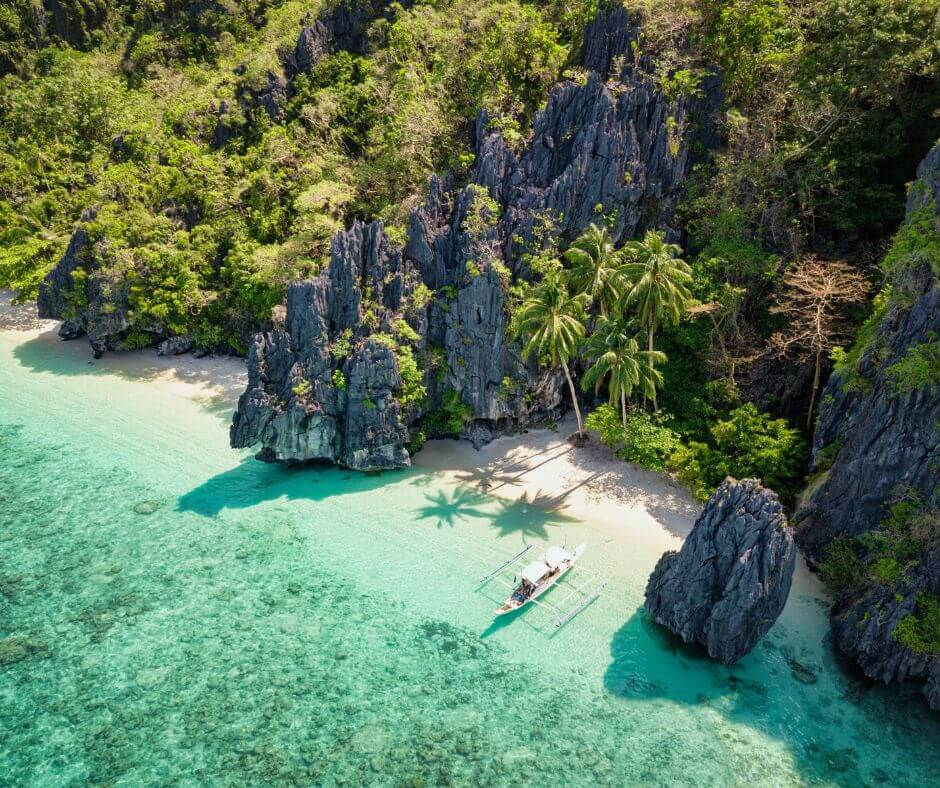
Transportation Tips for Families
Traveling around the Philippines is part of the adventure. With more than 7,600 islands, many family vacations involve a combination of domestic flights, ferries, road travel, and boat tours. Choosing the right mode of transportation can make your journey more comfortable, especially when traveling with children, grandparents, strollers, or multiple pieces of luggage. A little planning goes a long way toward making family travel smooth and stress-free.
1. Domestic Flights
Best for: Traveling between major islands
Domestic flights are the fastest and most convenient way to reach destinations such as Manila, Cebu, Palawan, Bohol, and Davao. Booking several months in advance often provides the best fares, particularly during the dry season and school holidays.
Tip: Schedule morning flights whenever possible, as they are generally less affected by weather delays.
2. Ferries
Best for: Traveling between neighboring islands
Ferries connect many islands across the Philippines and offer a scenic way to travel. Modern ferry services often provide comfortable seating and air-conditioned cabins on longer routes.
Tip: Choose daytime departures when traveling with young children and arrive at the terminal well before boarding time.
3. Ride-Hailing Services
Best for: Exploring cities and airport transfers
Ride-hailing services are available in many major cities and popular tourist destinations, making them a convenient option for families carrying luggage or using strollers. They also provide transparent pricing and cashless payment options in many locations.
Tip: If traveling with several family members or large suitcases, book a larger vehicle for additional comfort.
4. Private Transfers
Best for: Stress-free family travel
Private airport transfers and hotel transportation eliminate the need to navigate unfamiliar public transportation after a long journey. They are especially convenient for larger families or those traveling with grandparents.
Tip: Reserve transfers before your arrival, particularly during peak travel seasons.
5. Rental Vehicles
Best for: Flexible road trips
Renting a vehicle gives families the freedom to explore destinations at their own pace, particularly in provinces where attractions are spread out.
Tip: Research local driving conditions, parking availability, and road regulations before deciding to rent a vehicle.
6. Island-Hopping Tours
Best for: Discovering beaches, lagoons, and marine attractions
Island-hopping is one of the Philippines' most popular family experiences. Boat tours provide access to hidden beaches, snorkeling sites, and breathtaking coastal scenery that cannot be reached by road.
Tip: Bring reef-safe sunscreen, hats, reusable water bottles, waterproof bags, and extra clothing for children.
7. Traveling with Strollers and Luggage
A few simple preparations can make traveling with children much easier.
Helpful Tips:
Pack lightweight, easy-to-carry luggage.
Choose a foldable stroller for airports and ferry terminals.
Keep snacks, medications, and travel documents in your carry-on bag.
Use luggage tags on every suitcase.
Allow extra time when transferring between flights or ferries.
Whenever possible, stay near major attractions to reduce daily travel time.
Quick Transportation Comparison
Transportation | Best For | Family-Friendly |
Domestic Flights | Long-distance travel between islands | Excellent |
Ferries | Nearby island connections | Very Good |
Ride-Hailing Services | City transportation and airport transfers | Excellent |
Private Transfers | Convenient door-to-door travel | Excellent |
Rental Vehicles | Flexible regional exploration | Good |
Island-Hopping Tours | Beaches and marine adventures | Excellent |
Choosing the right combination of transportation can make a significant difference in your family's overall experience. By planning ahead, allowing extra travel time, and selecting options that suit your family's needs, you'll spend less time worrying about logistics and more time enjoying the incredible destinations the Philippines has to offer.
Family-Friendly Activities Across the Philippines
One of the greatest joys of a family vacation in the Philippines is the incredible variety of activities available for every age group. Whether your family enjoys relaxing by the ocean, exploring nature, learning about local culture, or trying something completely new, you'll find experiences that create lasting memories. The key is balancing adventure with downtime so that everyone—from young children to grandparents—can enjoy the journey together.
1. Spend a Day at the Beach
Best for: All ages
The Philippines is famous for its white-sand beaches and crystal-clear waters. Families can enjoy swimming, building sandcastles, paddleboarding, beach games, or simply relaxing beneath the shade of coconut trees.
Tip: Visit the beach early in the morning or later in the afternoon to avoid the strongest midday sun.
2. Go Island Hopping
Best for: Families with school-age children, teenagers, and adults
Island-hopping tours allow families to discover hidden beaches, lagoons, sandbars, and snorkeling spots in a single day. Every island offers its own unique scenery and unforgettable views.
Tip: Choose family-friendly tours with shorter boat rides if traveling with younger children.
3. Explore the Underwater World
Best for: Children who are confident swimmers, teenagers, and adults
The Philippines is home to some of the world's richest marine ecosystems. Snorkeling introduces families to colorful coral reefs, tropical fish, sea turtles, and other fascinating marine life.
Tip: Wear reef-safe sunscreen and avoid touching coral or marine animals to help protect these fragile ecosystems.
4. Visit Museums and Heritage Sites
Best for: School-age children, teenagers, adults, and grandparents
Museums, historic churches, and heritage districts offer an engaging way to learn about the Philippines' history, culture, and traditions while taking a break from outdoor activities.
Tip: Many museums are air-conditioned, making them excellent options during hot afternoons or rainy days.
5. Discover Nature Parks and Wildlife
Best for: Families who enjoy the outdoors
Nature parks, botanical gardens, butterfly sanctuaries, mangrove forests, and wildlife conservation areas provide opportunities to observe native plants and animals while learning about environmental conservation.
Tip: Bring comfortable walking shoes, reusable water bottles, and insect repellent for outdoor excursions.
6. Join a Filipino Cooking Class
Best for: Teenagers, adults, and families with older children
Cooking classes introduce families to traditional Filipino dishes while offering a fun, hands-on cultural experience. It's also a wonderful way to bring a taste of the Philippines home after your vacation.
Tip: Look for classes that include a visit to a local market to learn about fresh ingredients and regional specialties.
7. Experience Farm Life
Best for: Young children and multi-generational families
Farm visits allow families to experience rural life, harvest fresh produce, learn about local agriculture, and enjoy peaceful countryside surroundings.
Tip: Wear comfortable clothing and closed-toe shoes suitable for walking on uneven paths.
8. Explore Local Night Markets
Best for: Families with older children and teenagers
Night markets are filled with local street food, handmade crafts, live entertainment, and a lively community atmosphere. They offer an authentic glimpse into everyday Filipino life after sunset.
Tip: Carry small bills for food vendors and arrive early to avoid larger evening crowds.
9. Enjoy Cultural Performances
Best for: All ages
Traditional dance performances, music shows, and local festivals introduce families to the rich cultural heritage of the Philippines. These experiences often become some of the most memorable moments of a trip.
Tip: Check local event calendars before your visit to see if festivals or cultural celebrations coincide with your travel dates.
10. Watch Fireflies Along the River
Best for: Families with school-age children, teenagers, and adults
An evening firefly tour offers a peaceful and magical way to experience nature. Watching thousands of tiny lights illuminate riverside mangrove trees is a unique experience that many families remember long after returning home.
Tip: Choose eco-friendly operators that follow responsible wildlife viewing practices and help protect natural habitats.

Experiencing Filipino Culture as a Family
A family vacation in the Philippines is about more than visiting beautiful destinations—it's an opportunity to experience traditions, connect with local communities, and create meaningful memories together. By embracing everyday Filipino customs, your family will gain a deeper appreciation for the country's culture while creating experiences that last long after the trip is over.
1. Experience Filipino Hospitality
Filipino hospitality is known around the world for its warmth and sincerity. Whether you're greeted by hotel staff, welcomed into a local café, or chatting with a market vendor, you'll often find people eager to share their culture and help visitors feel at home.
Tip: Encourage children to greet people politely and always say "thank you." Small gestures often lead to memorable interactions.
2. Share Meals Together
Food is at the heart of Filipino family life. Meals are more than a time to eat—they're an opportunity to gather, tell stories, and strengthen relationships. Trying local dishes together is one of the easiest ways to experience Filipino culture.
Tip: Order several dishes to share family-style so everyone can sample different Filipino specialties.
3. Learn "Po" and "Opo"
Teaching children to say "Po" and "Opo" is a simple yet meaningful way to introduce them to Filipino values of courtesy and respect for elders. Local residents always appreciate visitors who make an effort to learn these expressions.
Tip: Practice using these respectful words before your trip and encourage children to use them during everyday conversations.
4. Join Local Festivals
If your visit coincides with a local festival, don't miss the opportunity to experience colorful parades, traditional dances, live music, and community celebrations. Festivals offer a wonderful introduction to the traditions that make each region unique.
Tip: Arrive early, wear comfortable clothing, and bring water, hats, and sunscreen for outdoor celebrations.
5. Discover Traditional Filipino Games
Traditional games remain an important part of Filipino childhood and community life. Watching—or even joining—a friendly game introduces children to local traditions while encouraging interaction with other families.
Tip: Ask your local guide or accommodation host if there are community events where traditional games are being played.
6. Explore Local Markets
Local markets are among the best places to experience everyday Filipino life. Families can browse fresh tropical fruits, regional delicacies, handmade crafts, and locally produced souvenirs while supporting small businesses.
Tip: Bring reusable shopping bags and carry small bills for convenient purchases.
7. Support Local Communities
Every purchase from a local artisan, family-owned restaurant, or community-based tour helps support local livelihoods and preserve cultural traditions. Responsible travel benefits both visitors and the communities they explore.
Tip: Choose locally owned businesses whenever possible to make your visit more meaningful and help strengthen the local economy.
Creating Memories That Last
The moments families remember most are often the simplest ones: sharing a meal with new friends, hearing traditional music, browsing a neighborhood market, or learning a few words of Filipino from a welcoming local. These experiences create a deeper connection to the Philippines than sightseeing alone. By slowing down, embracing local traditions, and engaging with the communities you visit, your family will return home with memories that are not only unforgettable but also genuinely meaningful.
Health & Safety Tips
A little preparation goes a long way toward ensuring a safe, comfortable, and enjoyable family vacation in the Philippines. While the country is a welcoming destination for travelers, its tropical climate and outdoor activities make it important to take a few simple precautions. By planning ahead and staying aware of your surroundings, your family can focus on creating wonderful memories with confidence.
1. Stay Hydrated
The Philippines has a warm, tropical climate, and families can easily become dehydrated while exploring beaches, cities, and nature parks.
Tip: Carry reusable water bottles and drink plenty of fluids throughout the day, especially during outdoor activities.
2. Protect Yourself from the Sun
Strong tropical sunshine can lead to sunburn and heat exhaustion if you're not prepared.
Tip: Apply reef-safe sunscreen regularly, wear wide-brimmed hats and sunglasses, and seek shade during the hottest part of the afternoon.
3. Prevent Mosquito Bites
Mosquitoes are common in tropical environments, particularly in rural and forested areas.
Tip: Use insect repellent, wear lightweight long sleeves in the evening when appropriate, and choose accommodations with window screens or air conditioning whenever possible.
4. Practice Food Safety
One of the highlights of visiting the Philippines is enjoying its diverse cuisine. Eating at clean, reputable restaurants and food vendors helps reduce the risk of stomach discomfort.
Tip: Wash your hands before meals and introduce young children to new foods gradually.
5. Stay Safe Around Water
Whether you're swimming, snorkeling, or enjoying an island-hopping tour, water safety should always come first.
Tip: Wear properly fitted life jackets during boat trips, supervise children at all times, and follow local safety instructions and weather advisories.
6. Know Your Emergency Contacts
Before beginning your trip, familiarize yourself with local emergency services and keep important contact numbers readily available.
Tip: Save emergency contacts, your accommodation's phone number, and your country's embassy or consulate information on your phone.
7. Locate Nearby Medical Facilities
Modern hospitals and clinics are available in major cities and many popular tourist destinations, while smaller communities may have more limited medical services.
Tip: If anyone in your family has ongoing medical needs, identify the nearest medical facility before exploring more remote areas.
8. Purchase Travel Insurance
Comprehensive travel insurance provides valuable protection against unexpected medical expenses, trip interruptions, lost luggage, and other unforeseen events.
Tip: Review your policy before departure to understand exactly what is covered, particularly for adventure activities or domestic flights.
Travel with Confidence
Most family vacations in the Philippines are safe, enjoyable, and filled with unforgettable experiences. By taking a few simple health and safety precautions before and during your trip, you'll be well prepared to enjoy everything the country has to offer. Good planning allows your family to spend less time worrying about the unexpected and more time making memories together.

Takeaway — Family Adventures That Last a Lifetime
The Philippines is a destination where every generation can discover something special. From relaxing on beautiful beaches and exploring breathtaking natural wonders to experiencing vibrant traditions and warm Filipino hospitality, every journey offers opportunities to create lasting family memories.
The best family vacations aren't measured by how many places you visit—they're defined by the moments you share together. Whether it's enjoying a local meal, exploring a colorful market, or watching the sunset after a day of island hopping, these experiences often become the stories your family remembers most.
As you plan your Philippine adventure, take time to embrace the local culture, connect with the communities you visit, and enjoy the journey at your own pace.
For more destination guides, travel planning resources, cultural insights, and family-friendly itineraries, explore the KGM Resorts Blog and start planning your next unforgettable family adventure.
Frequently Asked Questions
Is the Philippines a good destination for family vacations?
Yes. The Philippines is an excellent family destination, offering beautiful beaches, nature parks, cultural attractions, and activities for every age. Combined with warm Filipino hospitality and excellent value, it's ideal for both relaxing holidays and active family adventures.
Is it safe to travel with children in the Philippines?
Yes. Most tourist destinations are welcoming and family-friendly. As with any trip, supervise children, follow local safety guidelines, and choose reputable accommodations and tour operators. Travel insurance is also recommended.
Which Philippine islands are best for families?
Popular family destinations include Boracay for beaches, Panglao Island for relaxed resorts, Bohol for nature and wildlife, Palawan for island adventures, and Camiguin for a quieter getaway.
What is the best time to visit the Philippines with children?
The dry season (November to May) offers the best weather for beaches, sightseeing, and outdoor activities. Traveling during the shoulder season can also provide fewer crowds and better accommodation rates.
How much should we budget for a family vacation?
Your budget depends on your travel style and itinerary. Plan for accommodation, transportation, meals, activities, travel insurance, and an emergency fund to help avoid unexpected expenses.
What should families pack for the Philippines?
Pack lightweight clothing, swimwear, comfortable shoes, reef-safe sunscreen, insect repellent, travel documents, medications, chargers, and reusable water bottles. Families with young children should also bring baby essentials and entertainment for travel days.
Are family-friendly resorts easy to find?
Yes. The Philippines offers a wide range of family-friendly resorts, hotels, and villas with amenities such as family rooms, swimming pools, restaurants, and children's activities.
Can babies travel between islands?
Yes. Domestic flights and ferries make island travel possible with infants and toddlers. Pack baby essentials in your carry-on and allow extra time for boarding and transfers.
Is English widely spoken in the Philippines?
Yes. English is widely spoken in major cities, tourist destinations, hotels, restaurants, and airports, making it easy for international families to communicate throughout their trip.
Subscribe to our newsletter Finding Utopia for more travel tips

Bloom Philippines: An Adult Coloring Book
Discover the beauty of the Philippines through detailed illustrations inspired by tropical flowers, native plants, and Filipino-inspired patterns. Featuring Sampaguita, Gumamela, orchids, rainforest botanicals, and island-inspired designs, this coloring book offers a relaxing creative escape while celebrating the country's rich natural beauty.



The Football Bros play-calling system adds just enough strategy to keep things interesting. You’re not simply running around and hoping something works; you have to think about what your opponent might expect and choose your next move accordingly. A well-timed change of strategy can completely flip the momentum of a game.
The Philippines is a destination where family comes first. Family is at the heart of Filipino culture, shaping everyday life, celebrations, and the warm welcome extended to visitors. Whether you're traveling with young children, teenagers, parents, or grandparents, you'll find an atmosphere that encourages families to relax, explore, and create meaningful memories together.