
Dinengdeng Festival in Agoo – Celebrating Ilocano Food, Culture, and Community

A Festival Rooted in Ilocano Everyday Life

At first glance, the Dinengdeng Festival may appear to be a simple food celebration. But in Agoo, it is something far deeper—an annual tribute to everyday Ilocano life, shaped by the land, the seasons, and a long tradition of making the most of what nature provides. More than a showcase of flavors, the festival honors values that define the Ilocano people: simplicity, resilience, and a strong sense of community.
At the heart of the celebration is dinengdeng, a humble vegetable stew that has fed generations of Ilocano families. Made from seasonal vegetables and enriched with bagoong, dinengdeng is not festive food reserved for special occasions—it is daily nourishment. Its prominence in the Ilocano food festival reflects how ordinary meals can carry extraordinary cultural meaning. By elevating this everyday dish, the festival affirms food as memory, identity, and shared experience rather than spectacle.
Held in the historic town of Agoo in La Union, the Dinengdeng Festival transforms familiar streets into a space of collective pride. Locals and visitors alike gather not just to eat, but to witness how cuisine, culture, and community intersect. As an Agoo La Union festival, it offers a grounded and authentic introduction to Ilocano heritage—one rooted not in excess, but in the quiet strength of everyday life.
What Is the Dinengdeng Festival?
The Dinengdeng Festival is an annual cultural and culinary celebration held in Agoo that honors dinengdeng, the iconic Ilocano vegetable stew deeply woven into everyday life in Northern Luzon. More than a food-centered event, the festival serves as a town-wide expression of Ilocano heritage—bringing together cuisine, music, dance, faith, and community pride. For many visitors asking what is Dinengdeng Festival, the answer lies in its authenticity: it celebrates not luxury or spectacle, but the food and values that sustain ordinary Ilocano households.
The Dinengdeng Festival Agoo is typically held during the summer months, usually in late April to May, aligning with the agricultural cycle when local vegetables are abundant. This seasonal timing underscores the festival’s close connection to the land and reinforces dinengdeng’s identity as a dish shaped by availability, seasonality, and sustainability. The celebration often coincides with religious and civic activities, adding depth to its cultural significance.
Spanning several days to a full week, the festival engages the entire town. Public plazas, streets, schools, and community centers become active venues for cooking competitions, cultural performances, parades, and communal gatherings. From local farmers and home cooks to youth performers and civic leaders, participation cuts across generations and sectors—transforming Agoo into a living showcase of Ilocano life during festival week.

The Dish at the Heart of the Festival – What Is Dinengdeng?
At its core, the Dinengdeng Festival celebrates a dish that defines everyday Ilocano life. More than a recipe, dinengdeng represents a philosophy of cooking rooted in balance, restraint, and respect for the land. Below is a closer look at what makes this dinengdeng Ilocano dish so culturally significant.
• A Simple Ilocano Vegetable Stew
Dinengdeng is best described as a traditional Ilocano vegetable stew made from a rotating mix of seasonal produce. Common ingredients include ampalaya, squash, eggplant, okra, saluyot, and string beans—vegetables often harvested fresh from backyard gardens or local farms. The vegetables are lightly simmered rather than overcooked, preserving their texture and natural flavors.
• Bagoong as the Flavor Anchor
The soul of dinengdeng lies in its use of bagoong, the fermented fish paste that gives the dish its unmistakable depth. Added with restraint, bagoong provides savory richness without overwhelming the vegetables. This careful balance reflects Ilocano cooking principles: strong flavors, used sparingly, to enhance rather than dominate.
• A Dish Shaped by Season and Place
Dinengdeng changes with the seasons. There is no single fixed recipe, as ingredients depend on what is locally available at the time. This adaptability makes the dish deeply tied to its environment, reinforcing a food tradition that values freshness, locality, and agricultural rhythm.
• A Reflection of Ilocano Values
More than nourishment, dinengdeng embodies Ilocano ideals of simplicity, resourcefulness, and sustainability. It relies on minimal ingredients, avoids waste, and maximizes what the land provides. In elevating this everyday dish, the Dinengdeng Festival honors a way of life where food is practical, meaningful, and inseparable from community and place.
Origins and History of the Dinengdeng Festival in Agoo
The history of the Dinengdeng Festival is closely tied to Agoo’s desire to celebrate a cultural identity that feels both authentic and deeply rooted in everyday Ilocano life. Rather than centering on spectacle or a single cash crop, the town chose to honor a dish that truly represents its people.
• Choosing Dinengdeng as a Cultural Symbol
Agoo selected dinengdeng as the festival’s theme because it is a dish shared by nearly every household, regardless of social or economic status. Unlike foods associated with special occasions, dinengdeng is everyday nourishment—simple, accessible, and reflective of Ilocano values. By highlighting this humble meal, the town embraced a symbol of resilience, self-sufficiency, and community rather than abundance or excess.
• Moving Away from Earlier Town Celebrations
Before the Dinengdeng Festival, Agoo held celebrations that were more aligned with common agricultural themes shared by many towns in Northern Luzon. Over time, local leaders and cultural advocates recognized the need for a more distinctive identity—one that could set Agoo apart while remaining culturally honest. This shift marked a transition from generic festivities toward a celebration grounded in lived tradition and local flavor.
• Establishment in the Early 2000s
The Dinengdeng Festival was formally established in the early 2000s, positioning it as a relatively modern yet deeply traditional Agoo cultural festival. From its early years, the event expanded beyond food into a broader showcase of dance, music, faith, and civic pride. What began as a culinary tribute has since evolved into one of Agoo’s defining cultural celebrations, strengthening local identity while drawing visitors curious to experience Ilocano culture at its most genuine.

Highlights and Key Events of the Dinengdeng Festival
The heart of the celebration comes alive through a series of food-centered, cultural, and community-driven events. These Dinengdeng Festival activities transform the town into a shared stage where tradition, creativity, and local pride take center place.
101 Dinengdeng Recipes Cooking Competition
One of the most anticipated events is the Dinengdeng cooking competition, where home cooks, culinary groups, and local chefs present their own interpretations of the classic dish. While rooted in tradition, each entry highlights how dinengdeng can adapt to different vegetables, cooking styles, and family recipes—proving the dish’s versatility without losing its Ilocano soul.
Big Banga (Giant Pot) Communal Cooking
The Big Banga cooking event is both symbolic and communal. Using oversized clay pots, large batches of dinengdeng are prepared and shared, emphasizing unity, generosity, and bayanihan. This event visually and emotionally captures what the festival stands for: food as a shared experience rather than an individual indulgence.
Street Dancing and Cultural Performances
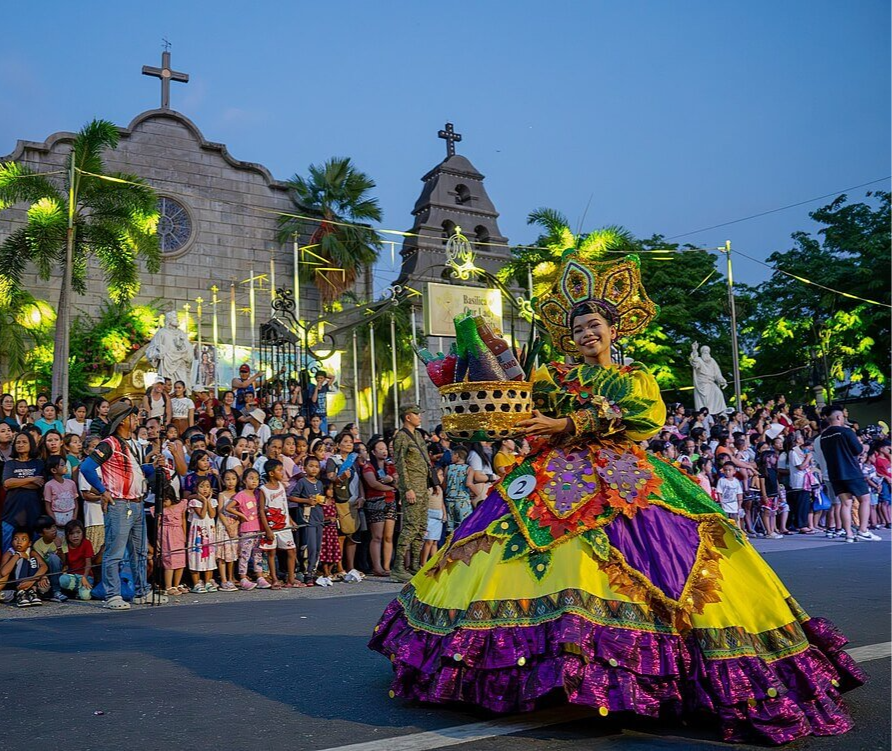
Colorful street dances and staged performances bring Ilocano history and rural life to motion. Performers wear costumes inspired by farming, harvest, and everyday Ilocano scenes, while choreography often reflects cooking rituals, communal labor, and local traditions—turning familiar practices into living art.
Miss Agoo and Civic Recognition Events
The festival also highlights civic pride through pageants such as Miss Agoo and recognition ceremonies honoring outstanding residents. These events celebrate leadership, service, and cultural ambassadorship, reinforcing the idea that the festival is as much about people as it is about food.
Concerts, Sports Events, and Community Nights
Evenings are filled with concerts, sports tournaments, and open-air community gatherings that welcome all ages. These activities extend the festival beyond daytime celebrations, turning it into a town-wide experience that blends entertainment with social connection—ensuring that everyone has a place in the festivities.
Cultural and Religious Significance
Beyond its lively events and shared meals, the Dinengdeng Festival holds deep cultural and spiritual meaning. As an Ilocano culture festival, it reflects how food, faith, and community life remain closely intertwined in many Philippine towns, grounding celebration in shared values rather than spectacle.
• Ties to Local Faith and Patronal Celebrations
The festival is traditionally aligned with local religious observances, often coinciding with patronal feasts and church-centered activities. Thanksgiving masses, processions, and blessings anchor the celebrations in faith, reinforcing the idea that food and harvest are gifts to be shared. This spiritual dimension places the Dinengdeng Festival among Philippine food festivals that honor gratitude, humility, and continuity of belief.
• Community, Family, and Bayanihan in Practice
At every level, the festival is driven by collective effort. Families cook together, neighborhoods organize events, and volunteers coordinate activities—an embodiment of bayanihan, the Filipino spirit of communal cooperation. Preparation and participation are shared responsibilities, making the festival less about performance and more about belonging.
• A Living Expression of Ilocano Values
The Dinengdeng Festival reflects core Ilocano values: simplicity over excess, resourcefulness over waste, and community over individual display. By celebrating an everyday dish rather than a luxury product, the festival affirms a worldview grounded in practicality, resilience, and quiet pride. In doing so, it preserves cultural identity while passing these values to younger generations in a way that feels lived, not staged.
Why the Dinengdeng Festival Matters to Ilocano Identity
The Dinengdeng Festival holds lasting importance not because it is grand, but because it is deeply familiar. As one of the more grounded traditional Filipino festivals, it preserves identity through everyday experiences—meals shared at home, vegetables grown in backyard plots, and values passed quietly from one generation to the next.
• Food as Cultural Memory
Dinengdeng is more than sustenance; it is memory on a plate. For many Ilocanos, the dish recalls childhood meals, family kitchens, and routines shaped by the seasons. By centering the festival on this humble stew, the celebration turns food into a living archive—one that carries stories, habits, and emotions tied to Ilocano heritage.
• Honoring Everyday Ilocano Life
Unlike festivals built around spectacle or performance alone, the Dinengdeng Festival elevates the ordinary. It celebrates daily labor, simple cooking, and the quiet rhythm of rural and coastal life. In doing so, it affirms that cultural identity is not only found in rituals or monuments, but in the routines people live by every day.
• Preserving Regional Cuisine and Traditions
As younger generations grow more exposed to global food trends, festivals like Dinengdeng play a vital role in safeguarding regional cuisine. Cooking competitions, communal meals, and public storytelling ensure that traditional knowledge—ingredients, techniques, and values—continues to be practiced and remembered. Through this preservation, the festival reinforces Ilocano identity while keeping local traditions relevant in a changing cultural landscape.
Visiting the Dinengdeng Festival – What Travelers Should Know
For travelers interested in culture-driven experiences, the Dinengdeng Festival offers an authentic entry point into Ilocano life. Unlike highly commercialized events, this celebration remains closely tied to the town’s daily rhythm, making it especially rewarding for visitors seeking substance over spectacle during their Agoo La Union travel experience.
Best Time to Visit During Festival Season
The Dinengdeng Festival is typically held in late April to May, aligning with the summer harvest season when vegetables are abundant. This period also coincides with local religious and civic celebrations, creating a full calendar of activities. Visiting during these dates allows travelers to experience Agoo at its most vibrant, while still enjoying relatively predictable weather conditions common to La Union’s dry season.
What Visitors Can Expect
Travelers should expect a festival that feels community-first rather than tourist-oriented. Events are spread across public spaces such as town plazas, streets, and community centers, with food, performances, and gatherings unfolding throughout the day. Visitors are welcome to observe, join communal meals, and enjoy cultural performances, but the atmosphere remains grounded and participatory rather than staged.
Crowd Levels and Town Atmosphere
Crowds during the festival are lively but generally manageable, especially compared to major urban festivals. Most attendees are locals from Agoo and nearby towns, which gives the celebration a warm, neighborly feel. Streets become busier during parades and evening events, but the overall atmosphere remains relaxed and welcoming—ideal for travelers exploring La Union festivals who want a more intimate and culturally immersive experience rather than large-scale congestion.

Travel Tips for Attending the Dinengdeng Festival
Planning ahead will help you make the most of your visit to Agoo during festival week. These practical La Union travel tips are designed to keep your experience smooth, respectful, and culturally rewarding.
How to Get to Agoo, La Union
Agoo is located along the MacArthur Highway, making it easily accessible from Metro Manila and Northern Luzon. For those asking how to get to Agoo La Union, the most common options include:
By bus: Regular bus services from Metro Manila travel directly to Agoo or pass through it en route to Ilocos provinces.
By car: Agoo is approximately 4–5 hours north of Manila via TPLEX and MacArthur Highway, depending on traffic. Its central location also makes it a convenient stop when exploring other towns in La Union.
Where to Stay – Agoo or Nearby Towns
Accommodation options in Agoo itself are limited and tend to fill quickly during festival season. Travelers may consider staying in nearby towns such as San Fernando or San Juan, which offer a wider range of hotels, resorts, and guesthouses. These areas are within easy driving distance and also provide access to beaches and dining spots, allowing you to combine cultural immersion with leisure.
What to Eat Beyond Dinengdeng
While dinengdeng takes center stage, visitors should explore other Ilocano dishes commonly available during festival week. Look out for grilled fish, bagnet, pinakbet, and local rice-based snacks sold by street vendors and small eateries.
These dishes offer a broader taste of regional cuisine and highlight the same values of simplicity and bold flavor found in dinengdeng.
Festival Etiquette and Local Customs
The Dinengdeng Festival is a community-centered celebration, so respectful participation is key. Dress comfortably but modestly, especially when attending religious activities. Always ask before photographing people or private cooking setups, and be mindful that many events are organized by families and neighborhood groups. A friendly attitude and genuine curiosity go a long way—locals are often happy to share stories, food, and traditions with respectful visitors.
Dinengdeng Festival vs Other Ilocos Food Festivals
Among the many Ilocos festivals and Northern Luzon food festivals, the Dinengdeng Festival stands out for what it chooses not to emphasize. Its distinction lies in restraint—celebrating an everyday dish and the values behind it rather than spectacle or abundance.
Why the Dinengdeng Festival Is Different
Most food festivals highlight specialty products, record-breaking servings, or elaborate presentations. The Dinengdeng Festival, by contrast, centers on a dish that is intentionally modest. Dinengdeng is not festive food by nature—it is daily nourishment. By elevating this humble Ilocano vegetable stew, the festival honors ordinary life, seasonal cooking, and resourcefulness, making authenticity its defining feature.
Compared to Other Ilocos Food Festivals
Other food-centered celebrations in the Ilocos Region often focus on signature ingredients or celebratory dishes tied to feasts and commerce. These festivals tend to spotlight richness, volume, or culinary performance. The Dinengdeng Festival moves in the opposite direction, emphasizing simplicity over excess and meaning over display. Its cooking competitions reward balance and tradition rather than innovation alone.
Within the Broader Northern Luzon Festival Landscape
Across Northern Luzon, many festivals highlight harvests, ethnic identity, or religious devotion through grand parades and large-scale productions. While Dinengdeng Festival includes cultural performances and civic events, its core remains the kitchen and the dining table. This grounded approach gives it a quieter, more intimate atmosphere—one that resonates deeply with Ilocano communities and appeals to travelers seeking culturally rooted experiences rather than mass spectacle.
In this way, the Dinengdeng Festival occupies a unique place among Northern Luzon food festivals: not as the loudest or largest, but as one of the most culturally honest.

Takeaway – A Celebration of Simple Food and Strong Community
The Dinengdeng Festival endures because it celebrates what truly matters. Rooted in everyday cooking, shared labor, and quiet traditions, it affirms the cultural importance of food as a reflection of values rather than excess. By honoring dinengdeng—a dish shaped by season, place, and necessity—the festival preserves a way of life grounded in simplicity, resilience, and collective care. It stands as a living expression of Ilocano heritage, passed from kitchens to streets, and from one generation to the next.
For cultural travelers, the Dinengdeng Festival offers something increasingly rare: authenticity without performance. It invites visitors to witness Ilocano culture as it is lived, not staged—through communal meals, neighborhood celebrations, and traditions that remain deeply local. This sincerity is precisely why the festival deserves a place on every traveler’s list, especially for those seeking meaningful connections beyond the usual tourist path.
As interest in regional cuisine and heritage continues to grow, the Dinengdeng Festival serves as a reminder that the most powerful stories often come from simple beginnings. For those eager to go deeper, it opens the door to exploring more Ilocano festivals, local food traditions, and the rich cultural landscape of Northern Luzon—where everyday life is celebrated with quiet pride and lasting warmth.
Frequently Asked Questions
When is the Dinengdeng Festival celebrated?
The Dinengdeng Festival is usually celebrated between late April and May in Agoo. The timing aligns with the summer harvest season, when fresh vegetables are abundant, and often coincides with local religious and civic festivities. Exact dates may vary each year, so checking local announcements is recommended when planning your trip.
Is the Dinengdeng Festival family-friendly?
Yes, the Dinengdeng Festival is very family friendly. Most activities take place in public plazas and open community spaces, with daytime events, cultural performances, and food-centered gatherings suitable for all ages. The relaxed, town-wide atmosphere makes it welcoming for children, seniors, and multi-generational families.
Can tourists join cooking events?
While major cooking competitions are typically reserved for registered local participants, tourists are welcome to observe, interact with cooks, and take part in communal dining events such as the Big Banga cooking. Visitors often find that informal participation—through shared meals and conversations—offers the most authentic festival experience.
What makes dinengdeng different from other Filipino vegetable dishes?
Dinengdeng stands apart from other Filipino vegetable dishes because of its minimalist approach. Unlike stews that rely on rich broths or multiple seasonings, dinengdeng uses a light base flavored primarily with bagoong, allowing the vegetables’ natural flavors to shine. This simplicity reflects Ilocano cooking values—resourceful, seasonal, and honest—making dinengdeng both a culinary and cultural signature of the region.



At first glance, the Dinengdeng Festival may appear to be a simple food celebration. But in Agoo, it is something far deeper—an annual tribute to everyday Ilocano life, shaped by the land, the seasons, and a long tradition of making the most of what nature provides. More than a showcase of flavors, the festival honors values that define the Ilocano people: simplicity, resilience, and a strong sense of community.
Dinengdeng festival sounds amazing! The way it celebrates Ilocano culture and community is truly inspiring, and I would love to experience it one day. The post has some great photos of the event. The traditional costumes are so beautiful!
The history of the Dinengdeng Festival is closely tied to Agoo’s desire to celebrate a cultural identity that feels both authentic and deeply rooted in everyday Ilocano life. Rather than centering on spectacle or a single cash crop, the town chose to honor a dish that truly represents its people.