
Big Lagoon, Palawan

A Majestic Gateway to El Nido’s Island Paradise

Tucked within the jagged limestone cliffs of Bacuit Bay, Big Lagoon in El Nido, Palawan is a surreal seascape that feels more like a sacred sanctuary than a tourist destination. This iconic lagoon, known for its wide expanse of turquoise and crystal-clear water surrounded by towering karst formations, has long been one of El Nido’s most photographed and visited natural wonders.
Accessible only by boat or kayak, El Nido Big Lagoon is a staple of El Nido’s Tour A, the most popular among the town’s official island-hopping packages. As your boat glides through a narrow entrance flanked by ancient cliffs, the water deepens from jade green to rich cobalt, revealing coral gardens and shadows of marine life below.
More than a scenic stop, Big Lagoon is a reminder of Palawan’s unmatched ecological value and the careful balance between tourism and conservation. This popular spot's pristine beauty makes it not only a highlight of any Palawan itinerary, but also a symbol of why El Nido has earned its title as a top eco-tourism destination in the Philippines—and the world.
Introduction to El Nido
Nestled on the northern tip of Palawan Island, El Nido is a vibrant coastal town that has become synonymous with island hopping tours and breathtaking natural beauty. Surrounded by dramatic limestone cliffs and fringed by powdery white sand beaches, El Nido town serves as the perfect launching point for exploring the region’s world-renowned lagoons and islands. Here, the adventure begins as visitors set out on island hopping tours that reveal a tapestry of hidden coves, secret lagoons, and pristine beaches.
From the bustling port of El Nido, a fleet of tour boats departs daily, whisking travelers across calm, crystal-clear waters to iconic destinations like Big Lagoon, Small Lagoon, and Secret Lagoon. Each stop offers its own unique charm—whether it’s paddling through the tranquil waters of a secluded lagoon, snorkeling among vibrant coral gardens off Shimizu Island, or relaxing on the sun-drenched sands of Seven Commandos Beach. The towering limestone cliffs that rise from the sea create a dramatic backdrop for every adventure, making El Nido an ideal place for swimming, kayaking, and snorkeling.
El Nido’s island hopping tours are designed to showcase the area’s most spectacular scenery while providing opportunities for both relaxation and exploration. Guided by experienced tour guides, visitors can expect a seamless experience that often includes snorkeling gear, life jackets, and even freshly prepared lunches on the beach. The gentle waves and calm waters, especially during the dry season from March to May, make it easy for travelers of all ages to enjoy the region’s natural wonders.
Whether you’re seeking the thrill of discovering a hidden lagoon, the serenity of a private beach, or the luxury of a world-class resort, El Nido offers something for everyone. Its blend of adventure, tranquility, and stunning scenery has earned it a place among the Philippines’ most coveted travel destinations. For those looking to explore the very best of Palawan, a visit to El Nido—and its legendary Big Lagoon—is simply unforgettable.
Geological Wonder – Big Lagoon, Palawan
A Lagoon Born of Ancient Coral Reefs Big Lagoon, like much of Bacuit Bay in El Nido, was once part of an underwater coral reef system. Over 250 million years ago, these coral beds were uplifted by tectonic forces and transformed into towering limestone cliffs. What you now see as jagged karst walls were once teeming with marine life beneath ancient seas.
Karst Topography at Its Finest
This iconic lagoon is a classic example of karst terrain, where rainwater—naturally slightly acidic—has slowly dissolved the limestone over time. This process created deep channels, hidden chambers, and sinkhole-like depressions, eventually forming the lagoon’s wide basin and narrow entrance.
Shifting Tides Shape the Experience
Big Lagoon is directly connected to the sea, with tides playing a key role in accessibility. At low tide, shallow areas expose coral beds near the entrance, making kayak navigation trickier. At high tide, boats and kayaks can enter smoothly, gliding over calm, deep turquoise waters.
A Living Geological Timeline
Each cliff and crevice within Big Lagoon tells a story of time and tectonics. The surrounding rock walls are rich with fossilized marine life and layered formations that reflect millennia of erosion, uplift, and weathering—natural processes that are still quietly shaping the area today.

Kayaking Through Serenity – The Visitor Experience
The Entrance: A Gateway Through Limestone Walls
Visitors enter Big Lagoon through a narrow passage flanked by steep limestone cliffs. Typically, the tour boat drops visitors at the entrance, where they transfer to kayaks to continue exploring inside. Depending on the tide, boats anchor outside and guests transfer to kayaks, or small boats can glide directly in. The entryway itself feels like crossing into another world—sheltered, still, and serene.
Kayaking: The Best Way to Explore
Once inside, kayaking is the highlight experience. For added comfort and protection while paddling or exploring the lagoon, it is recommended to wear aqua shoes. Paddling across calm emerald waters surrounded by towering karsts offers a rare sense of silence and solitude. The surface reflects the sky like a mirror, while below, coral gardens and fish shimmer beneath the surface. It’s peaceful, photogenic, and entirely immersive.
Swimming and Snorkeling: Possible, But Regulated
Visitors can swim in certain parts of the lagoon, although snorkeling opportunities are better outside in the reef zones near Miniloc Island. For safety, especially when the lagoon is crowded or for those less confident in the water, wearing a life jacket is recommended. Due to the fragile marine ecosystem, guests are asked not to disturb marine life, and some areas may be off-limits to swimming to help preserve biodiversity.
Drone Shots and Photography: Iconic Vantage Points
Big Lagoon’s dramatic setting makes it one of the most photographed spots in Palawan. A drone shot captures the iconic aerial views of the lagoon, revealing its full horseshoe shape and breathtaking scenery from above, while even phone cameras capture striking contrast between deep waters and limestone cliffs. Clear mornings offer the best light.
A Moment of Quiet Amidst Island-Hopping
In a day filled with snorkeling, sunbathing, and boat transfers, Big Lagoon stands out as a moment of pause. Most people choose to spend about an hour or more here, rather than rushing through, to truly soak in the tranquil atmosphere. It is recommended to allocate at least an hour in Big Lagoon to fully appreciate its beauty. Whether you’re kayaking solo or gliding with a guide, this stretch of stillness and reflection becomes the emotional highlight of El Nido Tour A.
Wildlife & Ecosystem
Marine Life Beneath the Surface
While Big Lagoon itself isn’t a snorkeling hotspot, its outer coral beds and adjacent reef systems host a variety of tropical marine species. Expect to see parrotfish, angelfish, wrasses, and damselfish swimming in the shallow waters near the entrance. Occasional sightings of sea turtles and juvenile reef sharks have been reported in nearby lagoons and channels.
Seagrass Beds and Nursery Grounds
The shallow fringes around Big Lagoon support patches of seagrass, which serve as nursery areas for juvenile fish and crustaceans. These underwater meadows are critical for biodiversity and play a role in maintaining fish populations throughout Bacuit Bay.
Karst Cliffs as Habitat for Birds and Bats
Look up, and you might spot white-collared kingfishers, swiftlets, or even brahminy kites gliding overhead. The limestone cliffs provide nesting grounds for birds, while crevices and caves in the rock shelter small colonies of bats.
Protected Under the El Nido-Taytay Managed Resource Protected Area (ENTMRPA)
Big Lagoon is part of one of the Philippines' largest marine protected areas, covering over 90,000 hectares of land and sea. Fishing, coral collection, and destructive activities are strictly prohibited. Tour operators must be accredited and follow low-impact guidelines.
Coral Resilience and Environmental Sensitivity
Despite its beauty, the lagoon is vulnerable. Anchor damage, sunscreen chemicals, and overtourism have prompted local authorities to implement visitor caps and kayak-only entry policies. Conservation remains a priority, and the ecosystem's survival depends on respectful and responsible tourism.

Travel Tips – How to Visit the Big Lagoon
Best Time to Visit: Dry Season for Clear Waters The ideal time to visit Big Lagoon is during the dry season, from December to May, when the seas are calmer and visibility is at its best. Mornings offer the best light and fewer crowds—perfect for kayaking and photography. Avoid the monsoon months (July–October), as tours may be canceled due to rough seas.
Join El Nido’s Official Tour A
Big Lagoon is a featured destination in Tour A, one of the four standardized island-hopping tours in El Nido. There are a variety of boat tours available, with packages that typically include lunch, snorkeling gear, and the services of a tour guide. Tour A usually includes stops at Small Lagoon, Secret Lagoon, Shimizu Island, and Seven Commandos Beach. All tours must be booked through a licensed operator and follow fixed itineraries regulated by the municipality.
Don’t Forget the Eco-Tourism Development Fee (ETDF)
Before joining any island-hopping tour, visitors must pay a ₱200 ETDF per person, valid for 10 days. This fee is charged per person and supports conservation and community-based tourism efforts. Most tour operators include this in the package or offer to process it for you.
Reserve Your Kayak Early
To access Big Lagoon itself, you’ll likely need a kayak, especially when larger boats cannot enter. Kayak rentals are typically ₱250–₱300 and are best reserved in advance through your tour provider, especially during peak season. Your tour guide will assist with logistics and provide commentary during the tour to enhance your experience.
Check the Tides
Access to Big Lagoon is tide-dependent. During very low tide, the entrance becomes too shallow for boats, and even kayaks may scrape the coral bed. Note that motorized boats are no longer allowed inside Big Lagoon for environmental reasons, so visitors must use kayaks instead. Your guide will plan accordingly, but high tide visits offer the best experience and smoothest passage.
Conservation & Sustainability Efforts
Limited Daily Visitors for Environmental Balance
To protect Big Lagoon’s delicate ecosystem, the municipality of El Nido enforces a strict daily cap on the number of tourists allowed to enter. Visitors must book through licensed tour operators, and access to Big Lagoon is assigned via a centralized reservation system—helping to prevent overcrowding and resource strain.
Kayak-Only Entry Preserves Coral Beds
Boats are not allowed inside Big Lagoon. Instead, guests must transfer to kayaks, minimizing disturbance to the lagoon’s shallow coral and seagrass ecosystems. For environmental reasons, this policy is in place to protect the lagoon's ecosystem and preserve its natural environment. This policy prevents anchor damage and protects marine nurseries just beneath the surface.
Zero-Waste and No-Touch Rules
Strict guidelines are in place: no trash, no feeding wildlife, no collecting shells or corals, and no smoking or single-use plastics. Guests are reminded to “leave no trace,” and tour guides are trained to enforce these eco-friendly practices.
ETDF Funds Conservation Projects
The ₱200 Eco-Tourism Development Fee (ETDF) is mandatory for all visitors and is valid for 10 days. This fee funds essential programs like reef cleanups, marine patrols, environmental education, and ranger salaries—ensuring tourism directly supports preservation.
Part of a Larger Protected Marine Sanctuary
Big Lagoon lies within the El Nido-Taytay Managed Resource Protected Area, spanning over 90,000 hectares. This designation ensures the area is managed not only for tourism but for long-term ecological resilience.

Nearby Attractions to Pair with Big Lagoon
Visiting Big Lagoon is just one highlight of El Nido’s Tour A, and pairing it with nearby natural wonders like Secret Beach creates a full day of exploration and awe. For those wanting to extend their stay, there are various rooms and accommodations available near these attractions, offering comfort and stunning views. Here are some of the best stops commonly included in the same tour:
Small Lagoon – A Hidden Sanctuary of Calm
Located just minutes away on Miniloc Island, Small Lagoon features an even narrower entrance, often accessed through a slit in the limestone wall by kayak or swimming. Inside, you’ll find still waters surrounded by towering cliffs—ideal for quiet paddling and reflection. The intimacy of Small Lagoon contrasts beautifully with Big Lagoon’s grand scale.
Secret Lagoon – A Cove Through a Hole in the Rock
Accessible only through a small opening in a limestone wall, Secret Lagoon offers a bit of adventure. Once inside, visitors find a shallow tidal pool enclosed by rocky walls. It’s not ideal for swimming, but the novelty of crawling through a rock hole into a secluded chamber makes it a memorable stop.
Shimizu Island – Coral Reefs and Beach Picnics
This island is a popular lunch stop thanks to its white sand beach and offshore snorkeling spots. With vibrant coral gardens and plenty of fish, it’s one of the better places to snorkel in Tour A. Many tours include a freshly grilled lunch served right on the beach.
Entalula Beach – A Postcard-Perfect Stretch of Sand
Known for its powdery white sand and dramatic rock formations, Entalula Beach is a less crowded, photogenic gem. It's ideal for sunbathing, swimming, and taking scenic photos before or after your lagoon adventures.
Suggested Combo
Book Tour A with a reputable operator that includes all four stops with Big Lagoon. Many now rotate locations to reduce crowding and ensure a well-paced, eco-friendly experience.
Takeaway – Where Tranquility Meets Grandeur
Big Lagoon is more than just a popular stop on an island-hopping itinerary—it’s a living canvas of nature’s artistry. From the moment you paddle through its narrow entrance, the world slows down. Towering limestone walls rise like guardians over calm, crystal-clear waters, offering a sense of wonder that few places on Earth can match. Whether you’re gliding silently in a kayak or gazing down at the lagoon’s shifting blues, the experience is as meditative as it is majestic.
But with its growing popularity comes a shared responsibility. Big Lagoon’s fragile ecosystems—its coral beds, seagrass nurseries, and cliffside bird habitats—depend on mindful visitation. Respecting local guidelines, minimizing waste, and supporting sustainable tourism practices are small but powerful ways to help preserve this paradise.
As you leave its calm waters behind, Big Lagoon leaves something with you: a deeper appreciation for the beauty that still exists in the world—and the duty we all share in protecting it. Travel here not just to witness nature’s grandeur, but to honor and sustain it for those who will follow.

Frequently Asked Questions (FAQ)
Do I need a permit to enter Big Lagoon?
Yes. Access to Big Lagoon is regulated under the El Nido Protected Area Office. When booking an island-hopping tour (usually Tour A), your operator will secure the necessary entry permit as part of your package. Only a limited number of visitors are allowed per day, so advanced booking is highly recommended.
Is kayaking required or optional?
Kayaking is highly encouraged, especially when boat entry is restricted due to tide levels. Most motorized boats are not allowed inside Big Lagoon, so you’ll typically transfer to a kayak at the entrance. Some tours offer kayak rentals as add-ons—confirm availability when booking.
Can I bring a drone?
Yes, drones are allowed, but they must be used responsibly. Always check with your tour operator and follow local drone regulations. Avoid flying over other guests and be mindful of protected wildlife such as nesting birds.
Are there restrooms nearby?
There are no restrooms within Big Lagoon itself. However, some tour stops like Shimizu Island or designated lunch areas may offer basic facilities. It’s best to use the restroom before departing from the El Nido port.


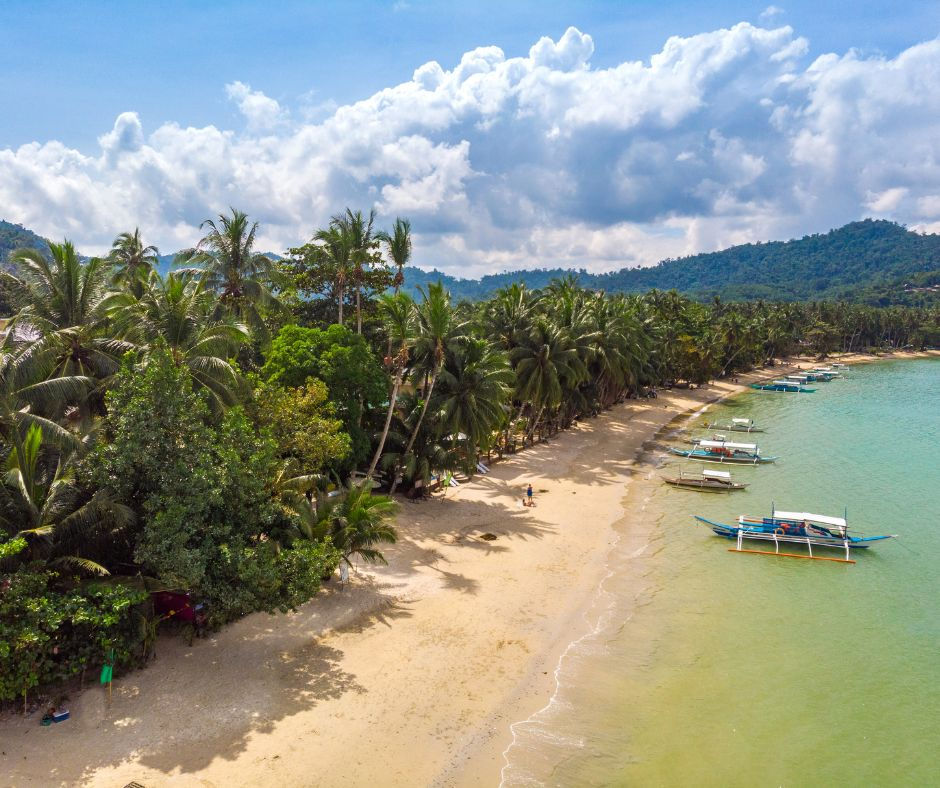

A paradise to be adored and be protected.
A Lagoon Born of Ancient Coral Reefs Big Lagoon, like much of Bacuit Bay in El Nido, was once part of an underwater coral reef system. Over 250 million years ago, these coral beds were uplifted by tectonic forces and transformed into towering limestone cliffs. What you now see as jagged karst walls were once teeming with marine life beneath ancient seas.
#BigLagoon #ElNido #PalawanTravel #KGMResortBlogs #FindingUtopia #NaturalWondersPH #SustainableTravel
Big Lagoon in El Nido is a breathtaking natural wonder with towering limestone cliffs and turquoise waters, best explored responsibly to preserve its fragile ecosystem...
A breathtaking place..makakalimutan mo ang iyong problema whe visit this place 🥰❣️