
The Cebu Flowerpecker: The Tiny Bird Once Thought Extinct

Meet One of the World's Rarest Birds
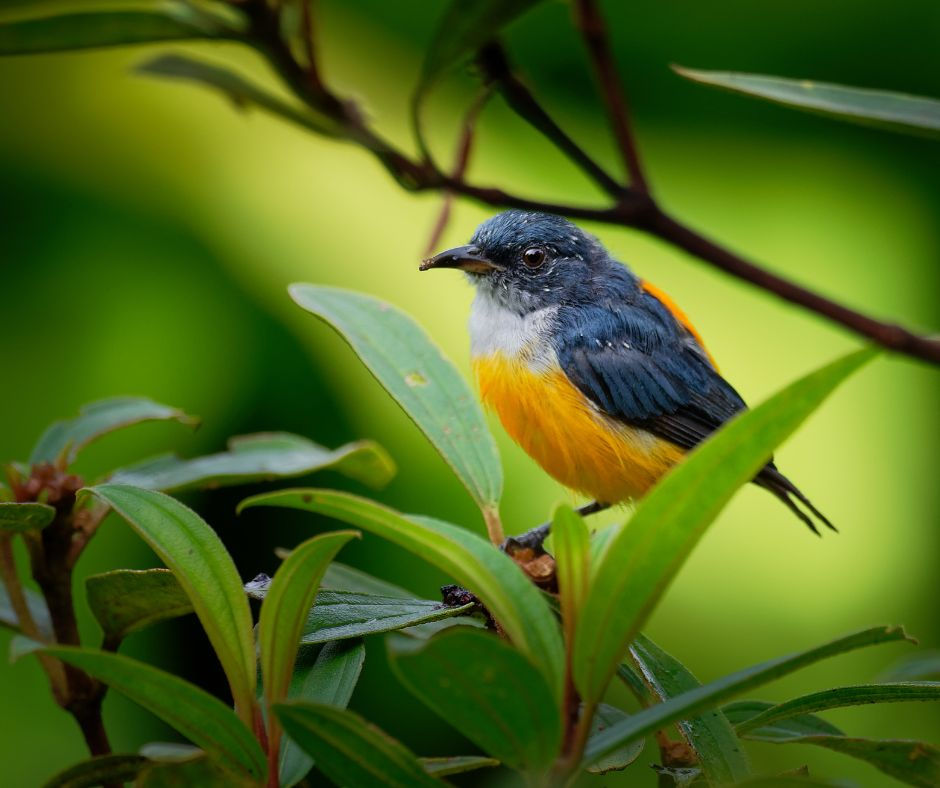
Hidden within the remaining forests of Cebu lives one of the world's rarest birds—the Cebu Flowerpecker (Dicaeum quadricolor). This tiny endemic bird of the Philippines is found nowhere else on Earth, making it one of the country's most unique wildlife treasures.
For much of the 20th century, scientists believed the Cebu Flowerpecker had become extinct after extensive deforestation destroyed most of Cebu's native forests. For decades, the bird was known only from museum specimens and historical records.
Everything changed in 1992 when researchers rediscovered a small population in one of Cebu's last remaining forest patches. The discovery became one of the Philippines' greatest wildlife conservation success stories and renewed efforts to protect the island's remaining forests.
Today, the Cebu Flowerpecker remains Critically Endangered, and its survival depends on conserving its fragile habitat. More than just a rare bird, it represents the resilience of nature and the importance of protecting the Philippines' extraordinary biodiversity.
In this guide, you'll learn about the Cebu Flowerpecker's habitat, appearance, behavior, conservation challenges, and why this remarkable bird continues to inspire conservationists and bird lovers around the world.
Table of Contents - The Cebu Flowerpecker
What Is the Cebu Flowerpecker?
The Cebu Flowerpecker (Dicaeum quadricolor) is a tiny songbird belonging to the flowerpecker family (Dicaeidae), a group of small birds found throughout tropical Asia and the Pacific. Though only about 10 centimeters (4 inches) long, it is considered one of the rarest birds on Earth.
What Does Dicaeum quadricolor Mean?
The scientific name Dicaeum quadricolor means "four-colored flowerpecker," referring to the bird's distinctive mix of colors. Like other flowerpeckers, it has a short, slightly curved bill that is perfectly suited for feeding on fruits, berries, nectar, and small insects among the forest canopies.
A Bird Found Nowhere Else
One of the most remarkable Cebu Flowerpecker facts is that it is an endemic species, meaning it lives naturally only on Cebu Island in the Philippines. Its entire global population depends on the survival of the island's remaining native forests, making habitat protection essential for its future.
Why Flowerpeckers Matter
Although small in size, flowerpeckers play a vital role in maintaining healthy forests. As they feed, they disperse seeds and help regenerate native trees and plants. Some species also assist in pollinating flowers, supporting the growth and diversity of tropical ecosystems.
The Cebu Flowerpecker is a perfect example of how even the smallest birds can make a lasting impact on the health of a forest. Protecting this rare species also helps safeguard the unique biodiversity of Cebu for future generations.
Physical Characteristics
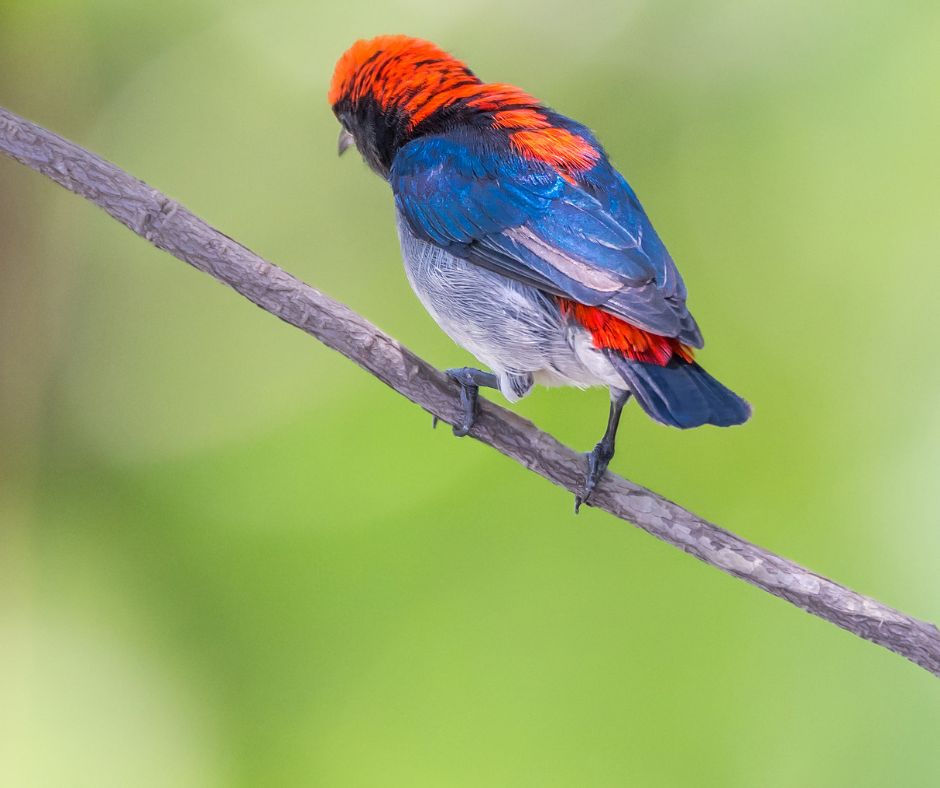
Although the Cebu Flowerpecker is one of the world's rarest birds, it is also one of its smallest. Its compact body, subtle colors, and quick movements allow it to blend effortlessly into Cebu's remaining forests.
Cebu Flowerpecker Appearance
Size: About 10 centimeters (4 inches) long, making it one of the smallest birds found in the Philippines.
Plumage: A blend of olive-green, gray, white, and yellowish feathers that provides excellent camouflage among leaves and branches.
Male vs. Female: Both sexes look similar, although males generally display slightly brighter and more distinct plumage.
Beak: A short, slender, slightly curved black bill perfectly adapted for feeding on nectar, berries, small fruits, and tiny insects.
Colors: Its scientific name, Dicaeum quadricolor, means "four-colored flowerpecker," referring to its mix of natural plumage colors.
Flight: Flies quickly and directly between trees, often making short, agile movements while searching for food in the forest canopy.
Song and Calls: Produces soft, high-pitched chirps and brief contact calls that help pairs communicate within dense forest vegetation.
Despite its tiny size, the Cebu Flowerpecker plays an important role in maintaining Cebu's forest ecosystem, proving that even the smallest birds can have a significant impact on biodiversity.
Where Does the Cebu Flowerpecker Live?
The Cebu Flowerpecker habitat is among the smallest of any bird in the world. Unlike many bird species that occupy wide geographic ranges, this critically endangered bird is found only on Cebu Island in the central Philippines. Its survival depends entirely on protecting the island's remaining patches of native forest.
Cebu Flowerpecker Habitat
Cebu Island: The Cebu Flowerpecker is endemic to Cebu, meaning it occurs naturally nowhere else on Earth. Its entire global population lives within this single island.
Remaining Native Forests: Today, the bird survives only in small fragments of native forest. These forests provide the fruiting trees, flowering plants, and dense vegetation needed for feeding, nesting, and shelter.
Central Cebu Protected Landscape: Most known populations are found within the Central Cebu Protected Landscape (CCPL), a protected area that plays a vital role in conserving the island's remaining biodiversity.
Elevation: The species is typically found in upland and mid-elevation forests, where cooler temperatures and mature native vegetation create suitable habitat.
Forest Type: The Cebu Flowerpecker prefers primary and mature secondary tropical forests with a diverse canopy of native trees, shrubs, vines, and flowering plants that provide year-round food sources.
Why Its Habitat Is So Limited: Centuries of logging, agricultural expansion, and urban development have reduced Cebu's original forests to only a small fraction of their former extent. As a result, the Cebu Flowerpecker now occupies one of the most restricted habitats of any endemic bird in the Philippines.
Protecting these remaining forests is essential not only for the Cebu Flowerpecker but also for many other native plants and animals that share this unique ecosystem.
Diet and Feeding Behavior
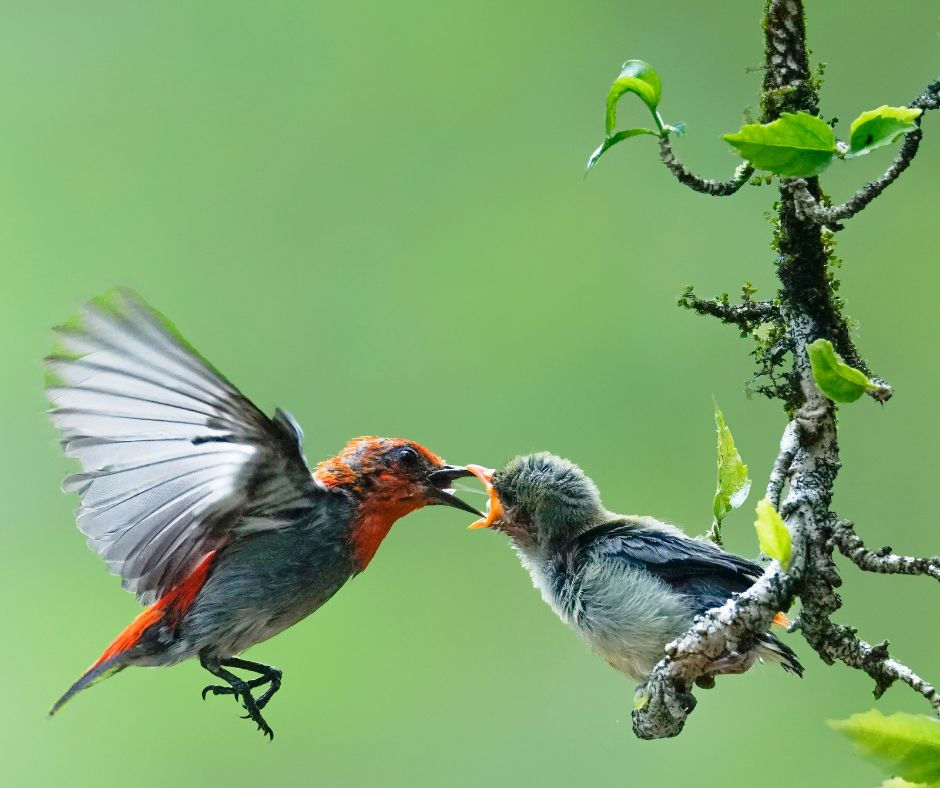
The Cebu Flowerpecker diet consists mainly of fruits, nectar, and small insects found in Cebu's remaining native forests. Although tiny in size, this critically endangered bird plays an important role in maintaining the health of its forest ecosystem through its feeding habits.
What Does the Cebu Flowerpecker Eat?
Fruits: Small native fruits make up a significant part of its diet, providing the energy needed for its active lifestyle.
Small Berries: The bird frequently feeds on berries produced by forest shrubs and trees, especially when they are in season.
Nectar: Like other flowerpeckers, it drinks nectar from flowering plants using its short, slightly curved beak. This provides a valuable source of natural sugars.
Tiny Insects: Small insects and other invertebrates supply essential protein, particularly during the breeding season when adults need extra nutrition.
Feeding Behavior
The Cebu Flowerpecker is an agile forager, moving quickly through the forest canopy as it searches for food. It often hops between branches or makes short flights from tree to tree, feeding quietly among leaves, flowers, and fruiting plants.
A Vital Role in the Forest
Every meal benefits the forest. After eating fruits, the Cebu Flowerpecker disperses seeds to new locations, helping native trees and plants regenerate. As it visits flowers for nectar, it may also assist in pollination, supporting the reproduction of flowering plants.
Though one of the smallest birds in the Philippines, the Cebu Flowerpecker makes a big contribution to keeping Cebu's forests healthy, diverse, and resilient.
Behavior and Life Cycle
Although scientists continue to study this rare species, what is known about Cebu Flowerpecker behavior suggests it shares many characteristics with other flowerpeckers. It is an active, agile bird that spends most of its life high in the forest canopy, where it feeds, rests, and raises its young among the branches of native trees.
Behavior and Life Cycle
Territorial Habits: The Cebu Flowerpecker is believed to maintain small feeding territories, especially in areas with abundant fruiting and flowering trees. It may defend these food sources from other birds.
Pairing: During the breeding season, males and females form pairs and remain close together while searching for food and suitable nesting sites.
Nesting: Nests are thought to be small, well-hidden structures built among the branches or dense foliage of native trees, helping protect eggs and chicks from predators.
Breeding: Like many tropical birds, breeding is closely linked to the availability of food. A plentiful supply of fruits, nectar, and insects provides the energy needed for successful reproduction.
Raising Chicks: Both parents are believed to help care for their young by feeding and protecting the chicks until they are ready to leave the nest and forage independently.
Daily Activity: The Cebu Flowerpecker is most active during daylight hours, spending much of the day searching for food, communicating with soft calls, and moving quickly through the treetops.
Forest Canopy Lifestyle: Rarely seen on the ground, this bird spends nearly its entire life in the forest canopy, where it finds food, shelter, and protection within Cebu's remaining native forests.
Although much remains to be learned about this elusive species, protecting its habitat ensures future generations of scientists can continue to uncover the fascinating story of one of the Philippines' rarest birds.
Why Was the Cebu Flowerpecker Thought Extinct?
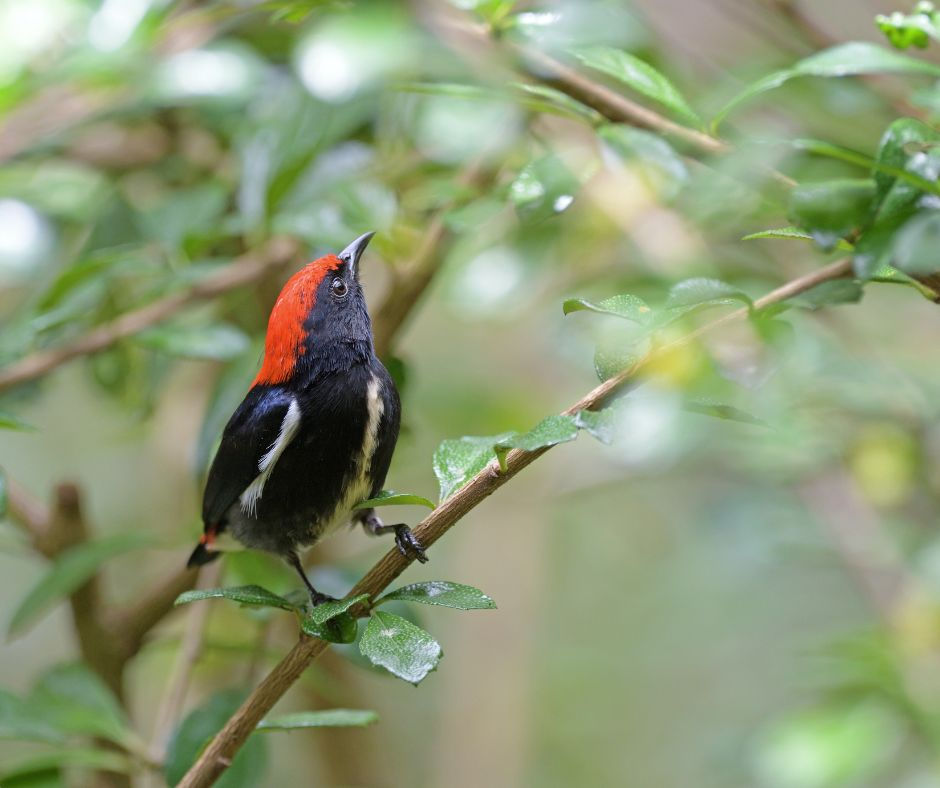
For decades, the Cebu Flowerpecker was considered one of the world's "lost" birds. With no confirmed sightings for nearly a century and most of Cebu's native forests gone, scientists feared the species had disappeared forever.
Why Was the Cebu Flowerpecker Thought Extinct?
Massive Deforestation: Over the past century, Cebu lost nearly all of its original forests, leaving only small fragments of native habitat.
Logging: Large-scale logging removed countless mature trees that provided food, nesting sites, and shelter for the Cebu Flowerpecker and many other native species.
Agricultural Expansion: As farmland expanded across the island, much of the remaining forest was cleared for crops and livestock, further reducing the bird's habitat.
Urban Development: Growing towns, roads, and infrastructure continued to fragment the island's forests, isolating wildlife into increasingly smaller areas.
Last Historical Records: The Cebu Flowerpecker was known only from a handful of specimens collected in the late 19th century. For decades, no living birds were documented despite repeated searches.
The Remarkable Rediscovery in 1992
In 1992, hope returned when researchers rediscovered a small population of Cebu Flowerpeckers in the remaining forests of the Central Cebu Protected Landscape. The finding surprised the scientific community and became one of the Philippines' greatest wildlife conservation success stories.
The rediscovery proved that even species believed extinct can survive when small pockets of natural habitat remain. It also renewed conservation efforts to protect Cebu's remaining forests, offering hope not only for the Cebu Flowerpecker but for many other endemic plants and animals that depend on the same fragile ecosystem.
Why Is the Cebu Flowerpecker Critically Endangered?
The Cebu Flowerpecker is listed among the most critically endangered birds in the Philippines. Although its rediscovery in 1992 gave conservationists hope, the species remains at high risk of extinction because of its extremely small population and limited habitat. Protecting the bird requires preserving the last remaining forests on Cebu Island.
Why Is the Cebu Flowerpecker Critically Endangered?
Habitat Loss: The greatest threat to the Cebu Flowerpecker is the loss of its native forest. Centuries of deforestation have left only small patches of suitable habitat.
Forest Fragmentation: The remaining forests are separated into isolated fragments, making it more difficult for birds to find mates, establish territories, and maintain healthy populations.
Small Population: With only a limited number of individuals surviving in the wild, the species is especially vulnerable to disease, natural disasters, and changes in its environment.
Climate Change: Stronger storms, shifting rainfall patterns, and rising temperatures may affect forest health, food availability, and breeding success.
Limited Distribution: Because the Cebu Flowerpecker is found only on Cebu Island, any damage to its habitat has a direct impact on its entire global population.
Human Pressures: Illegal logging, land conversion, infrastructure development, and other human activities continue to place pressure on Cebu's remaining native forests.
The future of the Cebu Flowerpecker depends on continued habitat protection, forest restoration, and community-led conservation. By safeguarding Cebu's remaining forests, we also protect countless other endemic plants and animals that share this unique ecosystem.
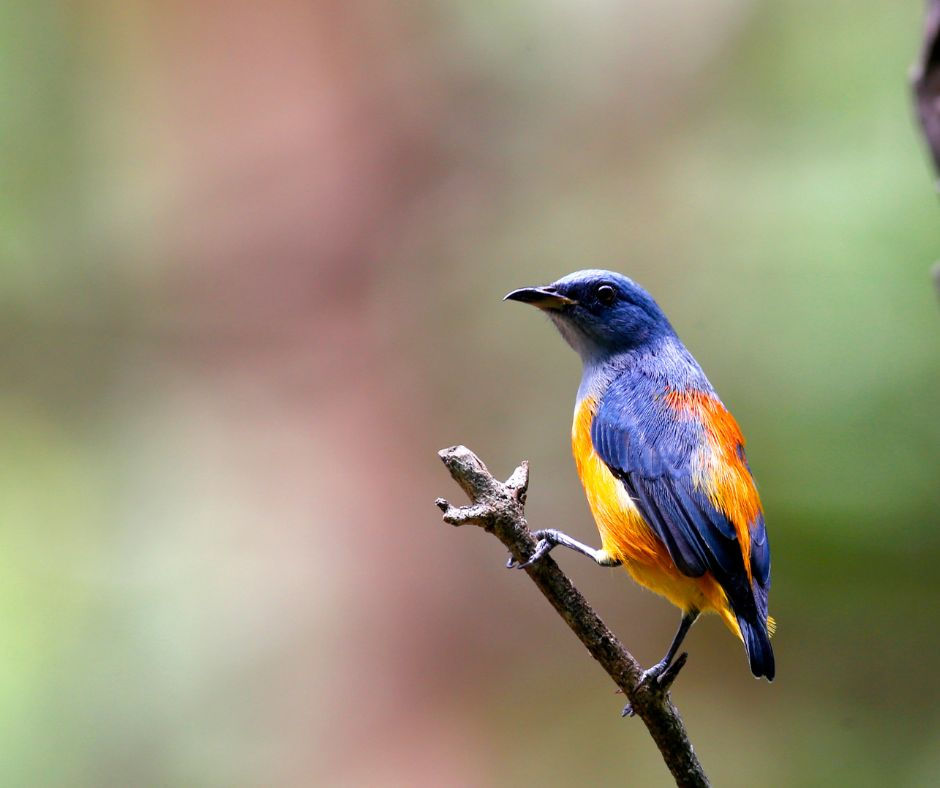
Conservation Efforts Protecting the Cebu Flowerpecker
The rediscovery of the Cebu Flowerpecker in 1992 sparked renewed hope for one of the world's rarest birds. Since then, Cebu Flowerpecker conservation has focused on protecting its remaining habitat, restoring degraded forests, and encouraging local communities to help safeguard Cebu's unique biodiversity.
Conservation Efforts
Central Cebu Protected Landscape: The Central Cebu Protected Landscape (CCPL) serves as the bird's most important refuge. This protected area conserves some of the island's last remaining native forests and provides essential habitat for the Cebu Flowerpecker and many other endemic species.
Forest Restoration: Conservation projects are restoring degraded forest areas by improving native vegetation and reconnecting fragmented habitats, creating healthier ecosystems for wildlife.
Native Tree Planting: Reforestation programs focus on planting native tree species that produce the fruits, flowers, and shelter the Cebu Flowerpecker needs to survive and reproduce.
Bird Monitoring: Scientists and conservationists regularly monitor Cebu Flowerpecker populations to better understand their numbers, breeding success, habitat use, and long-term survival.
Conservation Organizations: Government agencies, universities, non-governmental organizations, and research institutions work together to protect Cebu's forests through scientific research, habitat management, and conservation planning.
Local Communities: Residents living near protected forests play an important role by supporting conservation initiatives, participating in tree-planting activities, and promoting sustainable land-use practices.
Environmental Education: Public awareness programs help students, local communities, and visitors understand the importance of protecting Cebu's forests and the rare wildlife that depends on them.
Although the Cebu Flowerpecker remains critically endangered, these collaborative conservation efforts demonstrate that protecting natural habitats can give even the rarest species a chance to recover and thrive.
How Travelers Can Help Protect Cebu's Wildlife
Every visitor can play a part in protecting Cebu's unique wildlife. Responsible travel helps preserve the island's remaining forests and ensures that rare species like the Cebu Flowerpecker continue to survive for future generations.
How You Can Help
Stay on Designated Trails: When hiking or birdwatching, remain on marked trails to avoid damaging fragile plants and disturbing wildlife habitats.
Support Eco-Tourism: Choose local guides, eco-friendly tours, and responsible businesses that promote sustainable tourism and contribute to conservation efforts.
Respect Wildlife: Observe birds and other animals from a safe distance. Never attempt to feed, capture, or handle wild animals.
Avoid Disturbing Nests: If you encounter nesting birds, keep your distance and avoid loud noises or sudden movements that could cause parents to abandon their nests.
Support Conservation Organizations: Consider donating to or volunteering with organizations that protect Cebu's forests, restore native habitats, and monitor endangered wildlife.
Learn Before Visiting: Understanding the importance of Cebu's endemic species and protected areas encourages responsible travel and helps raise awareness about conservation.
Small actions can make a meaningful difference. By exploring responsibly and supporting conservation initiatives, travelers help protect not only the Cebu Flowerpecker but also the rich biodiversity that makes Cebu one of the Philippines' most remarkable natural destinations.
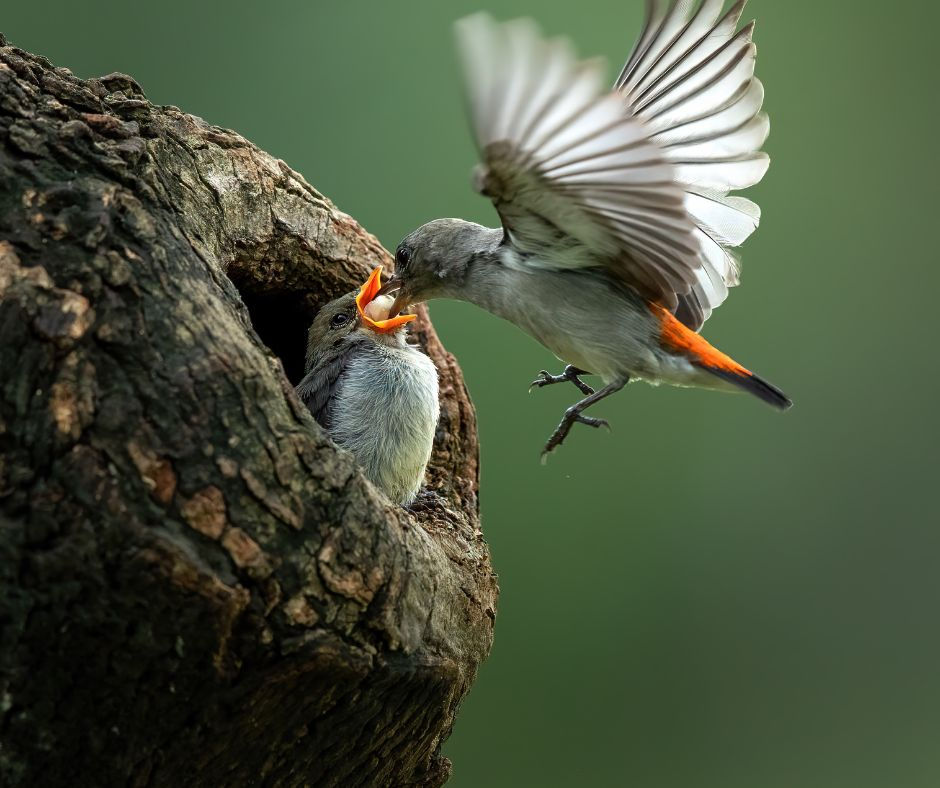
Takeaway – A Tiny Bird with a Big Story
The Cebu Flowerpecker may be one of the smallest endemic birds of the Philippines, but its story is among the most inspiring in the world of wildlife conservation. Once feared extinct after decades without a confirmed sighting, this remarkable bird was rediscovered in 1992, proving that even the rarest species can survive when fragments of their natural habitat remain.
Today, the Cebu Flowerpecker stands as both a symbol of Cebu's extraordinary biodiversity and a reminder of the importance of protecting the island's remaining native forests. These forests provide essential habitat not only for this critically endangered bird but also for countless other plants and animals found nowhere else on Earth.
The Cebu Flowerpecker reminds us that even the smallest birds can tell the biggest stories. Its survival is proof that protecting nature today can help preserve extraordinary wildlife for generations to come.
Explore more guides to the Philippines' endemic wildlife, rare birds, natural wonders, and conservation success stories on KGM Resorts, and discover the incredible species that make the Philippines one of the world's richest biodiversity hotspots.
Frequently Asked Questions
What is the Cebu Flowerpecker?
The Cebu Flowerpecker (Dicaeum quadricolor) is a tiny songbird found only on Cebu Island in the Philippines. It is one of the world's rarest birds and is classified as Critically Endangered due to its extremely limited habitat.
Why is the Cebu Flowerpecker endangered?
The species is endangered primarily because of extensive deforestation, habitat fragmentation, agricultural expansion, and urban development. Since it exists only on Cebu Island, the loss of native forests directly threatens its survival.
Where can you see the Cebu Flowerpecker?
The best chance of seeing the Cebu Flowerpecker is within the Central Cebu Protected Landscape, where the island's largest remaining patches of native forest are protected. Sightings are uncommon because the bird is small, elusive, and lives high in the forest canopy.
What does the Cebu Flowerpecker eat?
The Cebu Flowerpecker feeds mainly on small fruits, berries, nectar, and tiny insects. As it feeds, it helps disperse seeds and may also assist in pollinating flowering plants.
How many Cebu Flowerpeckers are left?
The exact population is unknown because the bird is difficult to monitor in dense forests. However, scientists believe the population remains very small, which is why the species continues to be listed as Critically Endangered.
Can tourists see the Cebu Flowerpecker?
Yes, but sightings are rare. Birdwatchers visiting protected forests with experienced local guides have the best opportunity to observe this remarkable bird while respecting its habitat and minimizing disturbance.

Wild Philippines: An Adult Coloring Book
Discover the rare and extraordinary endemic animals of the Philippines through this beautifully detailed adult coloring book inspired by the country’s unique biodiversity. From the majestic Philippine Eagle and the tiny Philippine Tarsier to rare forest mammals, vibrant birds, and fascinating marine species found nowhere else on Earth, every page celebrates the remarkable wildlife of the Philippine archipelago. Featuring intricate tribal-inspired patterns, tropical elements, and nature-themed designs, this coloring book invites you to explore, unwind, and connect with the wild beauty of the Philippines.



Cebu Flowerpecker is a rare and endangered birds.